
Cart
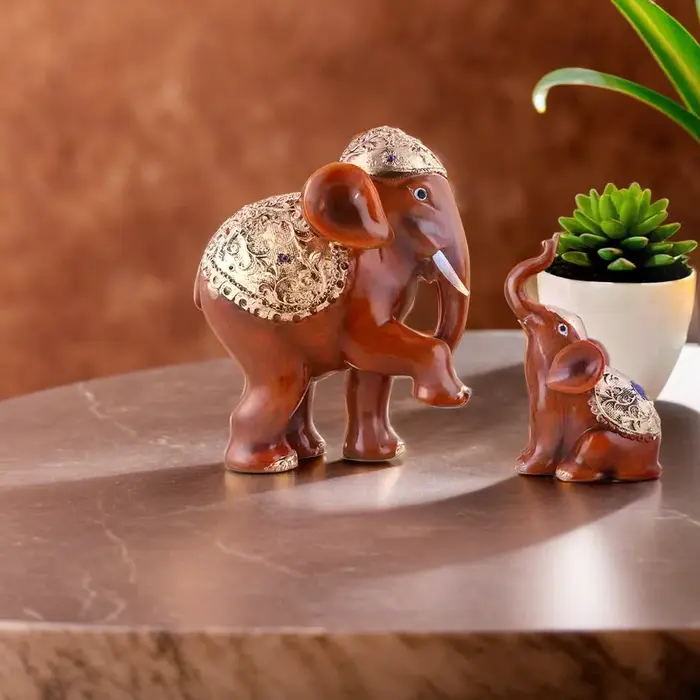
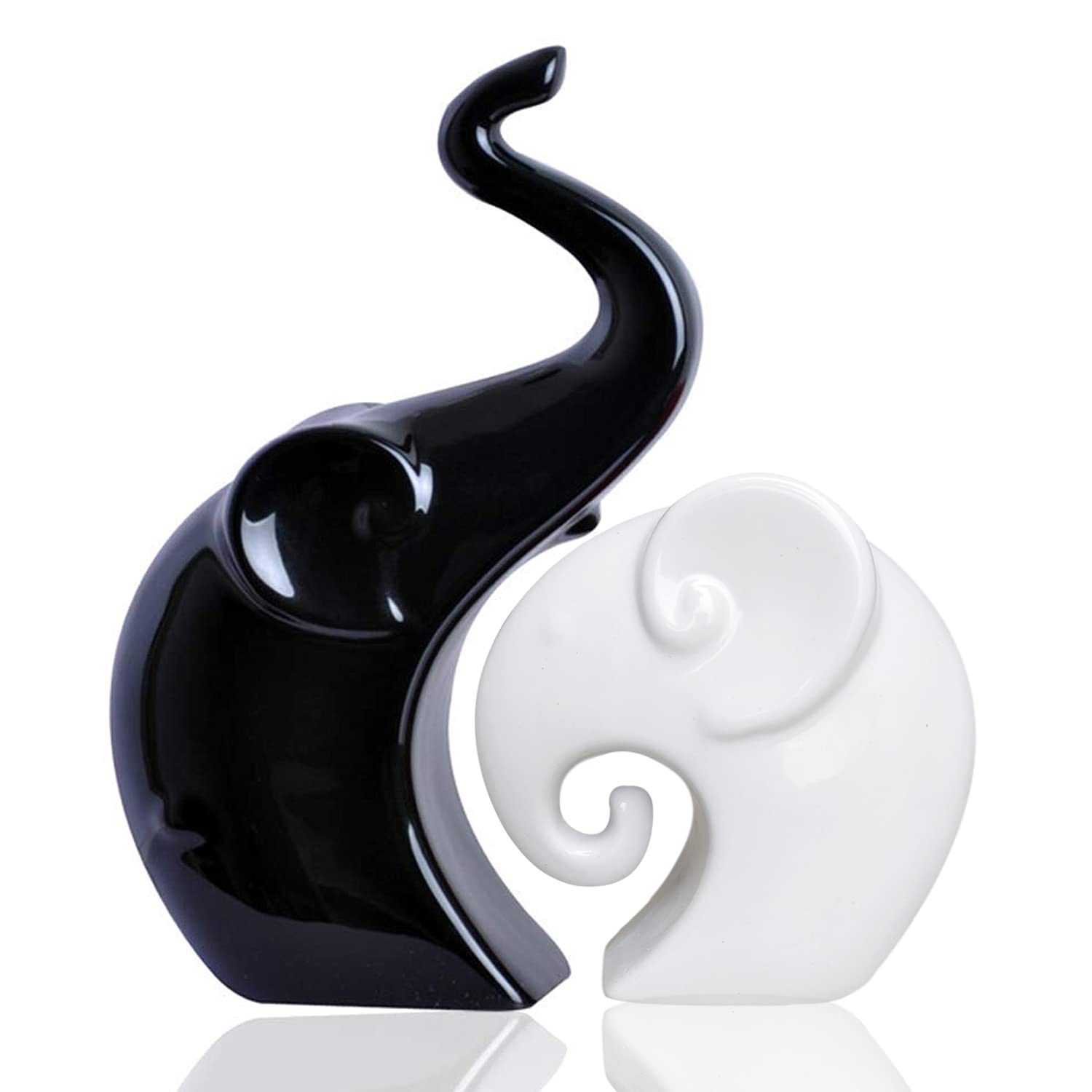
Let's be honest—Indian homes have traditionally been the ultimate "more is more" showcase. From grandma's brass collection to those 17 cushions nobody's allowed to sit on, our living rooms often look like they're auditioning for a spot in a home decor magazine's "maximalist dreams" feature! But here's the tea: minimalist living rooms are having a moment in Indian homes, and for good reason. They're like that friend who magically brings calm wherever they go, creating spaces that feel both breathable AND beautiful. Ready to transform your living room from "Where's Wally?" to "Wow, I can actually see the floor"? Let's dive into the delightful world of minimalist living rooms with an Indian twist! Incorporating elements like the Ceramic and Resin Vases for minimalist living room setup in Indian homes can subtly enhance the décor without adding visual chaos, offering textured freshness and harmony that aligns with modern simplicity.

Minimalism isn't just about throwing everything away until your house echoes (though your mom might suspect that's your plan). It's actually a mindful approach that dates back to ancient Indian principles of simplicity and purpose. Think less "stark white museum" and more "intentional living space where every item earns its keep." In our culture where "atithi devo bhava" (guest is god) reigns supreme, minimalism doesn't mean being unwelcoming—it means creating a peaceful sanctuary where both you AND those surprise guests your parents invited for dinner can actually relax without knocking over seventeen showpieces! That’s where Artistic Wall Hangings for minimalist living room transformation in Indian homes can help—inviting yet uncluttered, perfect for the modern desi spirit.

Starting your minimalist journey is like making the perfect dosa—the first one might be a bit of a mess, but you'll get better with practice! Begin by gathering three boxes: keep, donate, and "ask mom before I throw this away." Be ruthless with items that haven't been used in years. That wedding gift from your distant cousin's neighbor's sister? If it's been collecting dust since 2012, it's time to say goodbye. Remember, in the battle between sentimental value and sanity, sometimes sanity needs to win! Your future self (trying to clean during Diwali rush) will thank you. While at it, consider highlighting your kept items with Modern design statues for minimalist living room aesthetics, which are compact, lightweight, and soulfully decorative.

In Indian homes, the sofa isn't just furniture—it's practically a family member that needs to accommodate everyone from tiny toddlers to judgmental aunties. For minimalist vibes, opt for clean-lined sofas in neutral tones with removable, washable covers (because chai spills are inevitable). A sectional in light gray or beige provides plenty of seating without visual clutter. Add 2-3 complementary cushions (not 27!) in textures that nod to Indian craftsmanship—think handloom fabrics or subtle embroidery. Remember: your sofa doesn't need to look like it's dressed for a wedding! Adding a Small decorative showpiece around minimalist sofa setting can enhance the vibe, especially when placed on a side table or shelf for simplicity with charm.

Traditional Indian homes love their vibrant colors, but minimalist spaces prefer walls that don't compete for attention with your grandmother's stories. Opt for whites, soft greys, pale terracottas, or gentle beiges that create a serene backdrop. The magic happens when you add ONE statement element—perhaps a wall in that gorgeous deep blue inspired by Jaipur pottery, or a carefully curated gallery wall featuring black and white family photos. Think of your walls as the perfect supporting actor—noticeable but never stealing the scene from daily life's main characters. Consider pairing such walls with Abstract Showpieces for Indian minimalist wall decor to enhance subtle elegance without overwhelming the space.

Between kids' cricket practice, festival celebrations, and the occasional impromptu dance party when that 90s Bollywood hit comes on, Indian living room floors take a beating! For minimalist vibes with maximum durability, consider matte-finish vitrified tiles in neutral tones, engineered wood with a natural finish, or polished concrete for modern homes. One perfectly chosen area rug (not seventeen overlapping carpets!) can define your seating area while adding texture. Bonus points for easy-to-clean options that can handle everything from Holi color to Diwali diyas without nervous breakdowns. To complement this, try adding Tall Showpieces for corner accents in Indian minimalist floors—they bring drama without clutter.
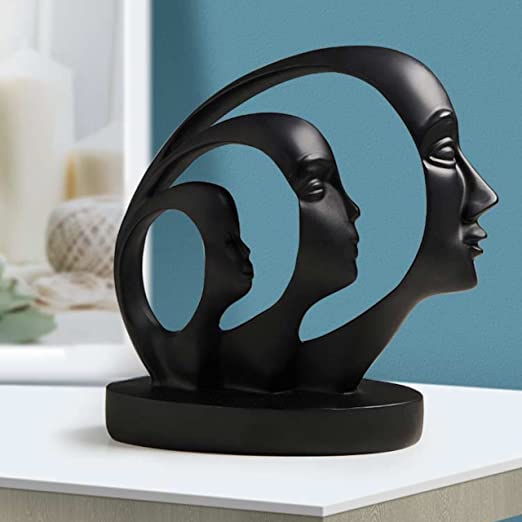
Lighting is the secret ingredient in any minimalist space—like that perfect pinch of garam masala that transforms the entire dish! Skip the crystal chandeliers and opt for simple pendant lights or recessed fixtures that create ambient glow without visual clutter. For that distinctly Indian touch, incorporate one statement brass or copper lamp that adds warmth and connects to our metallurgical heritage. And yes, fairy lights and diyas are minimalist-approved during festivals—just maybe not permanently strung across every available surface year-round! Complementing that glow with Subtle decorative showpieces that enhance Indian minimalist lighting adds sophistication without disturbing the flow.

Let's face it—Indian families collect things like they're preparing for the apocalypse. From ancient newspapers "that might be useful someday" to enough plastic containers to store food for an entire neighborhood, minimalism faces unique challenges here! The solution? Built-in storage that hides in plain sight. Think bench seating with hidden compartments, sleek wall units with closed cabinets, and multifunctional furniture. The goal isn't necessarily owning nothing—it's making sure everything has its proper, preferably hidden, home! Add character to storage nooks with Resin vases as stylish storage shelf decor in minimalist homes that blend form and function effortlessly.
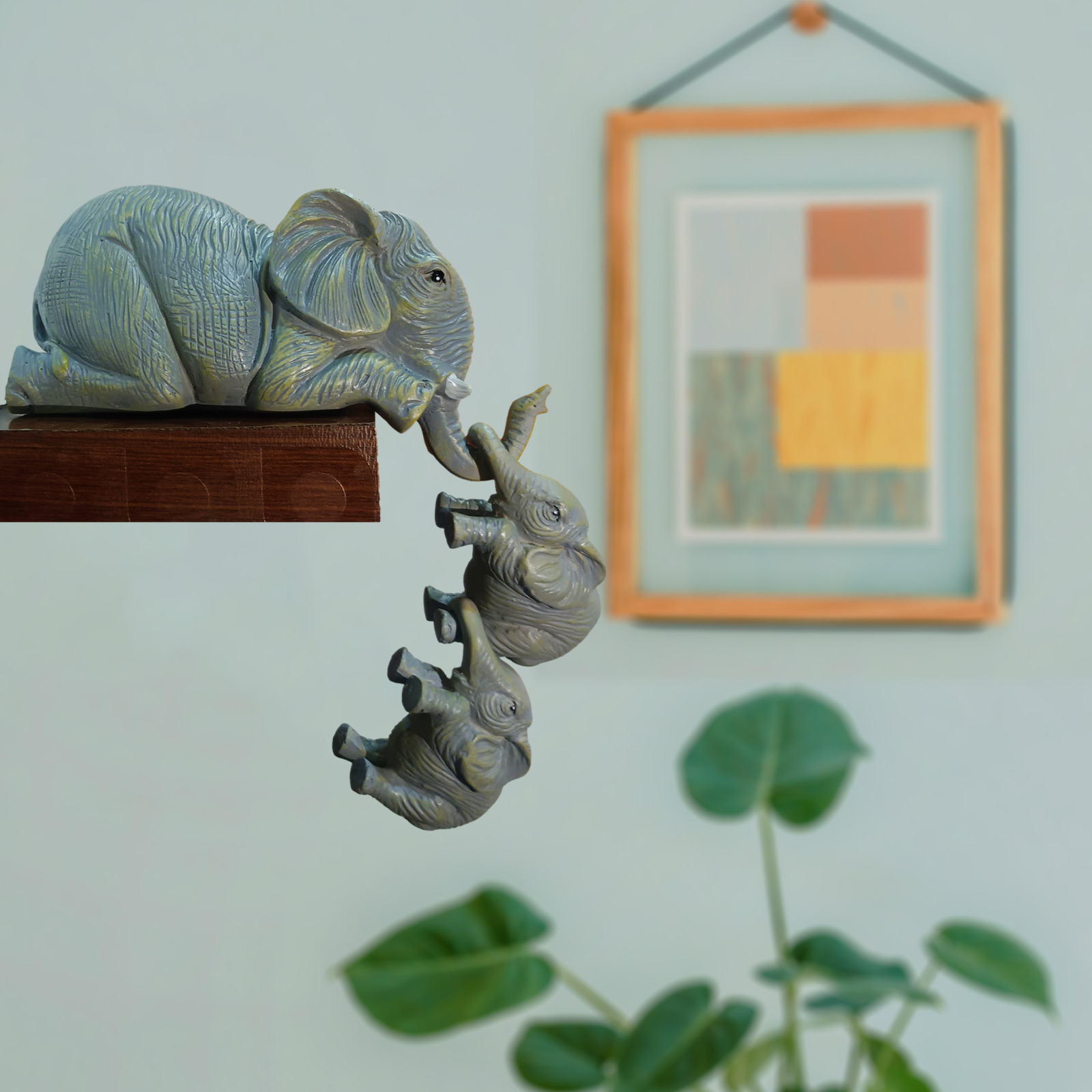
In the land where WhatsApp family groups never sleep, creating a living room that doesn't revolve around screens is revolutionary! Consider a projector instead of a massive TV dominating the wall, or a TV concealed in a sleek cabinet. Create a designated "phone basket" where devices can vacation during family time. Remember, minimalism applies to digital clutter too—all those tangled cords and random chargers create as much visual noise as physical objects. Your brain (and family conversations) will thank you for the break from constant notification pings. Thoughtfully placed Small decorative items for tech-free minimalist Indian living rooms can elevate usability and ambiance.
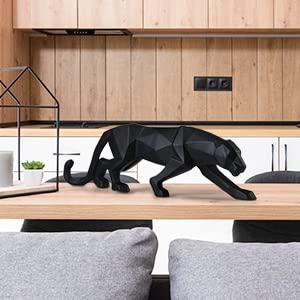
Accessorizing a minimalist living room is like adding spices to dal—a little goes a long way! Choose 3-5 items with personal significance rather than dozens of random knick-knacks. Perhaps your grandmother's brass urli floating with fresh flowers, a handwoven textile as wall art, or a carefully curated collection of family photos in identical frames. Each piece should spark joy AND have purpose. When your nosy neighbor asks why you don't have more "showpieces," simply explain you're practicing the ancient art of "quality over quantity"! Include Minimalist showpieces for Indian coffee tables and shelf displays to subtly anchor the essence of modern decor.

Plants are the perfect minimalist accessory—they're beautiful, purify air, and won't collect dust like that ceramic elephant collection! For Indian living rooms, choose species that can handle our climate variations and occasional neglect during busy festival seasons. A statement fiddle leaf fig or monstera in a simple terracotta pot creates drama without clutter. Snake plants and pothos thrive in most conditions while adding those refreshing green vibes. Just remember: zombie plants with brown crispy leaves defeat the minimalist aesthetic, so choose wisely based on your plant parenting skills! Enhance this corner with Small Ceramic decor pieces beside indoor plants in Indian minimalist rooms for an added touch of balance and grace.

"But beta, how will people know it's Diwali if we don't cover every surface with decorations?" Fear not! Minimalist festival decor focuses on quality over quantity. Think one stunning rangoli at the entrance, carefully placed diyas creating magical light patterns, and fresh marigold flowers in simple brass vessels. For other celebrations, choose one focal point rather than transforming your entire home into a theme park. The beauty of minimalism during festivals? Cleanup becomes significantly less traumatic, leaving more time for sweets and celebrations! Style your celebration with Minimalist Artistic Decor Showpieces for Indian festive living rooms—just the perfect blend of elegance and light.
The biggest mistake is confusing minimalism with coldness! Many people strip away all personality in pursuit of clean lines, leaving rooms feeling like impersonal hotel spaces. Another common error is focusing solely on aesthetics rather than functionality—especially problematic in Indian homes where living rooms often serve multiple purposes. Also, going too neutral can create a bland space rather than a serene one. True cozy minimalism balances simplicity with warmth through thoughtful textures, meaningful accessories, and comfortable furniture that actually invites relaxation.
Start by decluttering ruthlessly—this means being honest about what you actually use and love versus what you're keeping out of habit. Next, establish a neutral foundation through wall colors and larger furniture pieces. Invest in quality over quantity, choosing fewer but better items that serve multiple functions. Hide necessities in stylish storage solutions, and be intentional with decorative elements—each should earn its place through beauty or purpose. Finally, maintain clear surfaces and establish a "one in, one out" policy to prevent clutter creep.
Absolutely! Cozy minimalism is actually the sweet spot many Indian homes should aim for. The key is incorporating warmth through natural materials, varied textures, and soft lighting rather than through quantity of items. Think a perfectly plush throw blanket rather than seven mediocre ones, or one stunning handcrafted lamp instead of multiple generic light sources. Personal touches like family photos and meaningful artwork add soul without clutter. Remember, minimalism is about intentionality, not deprivation—your space should still feel like a warm hug at the end of a long day!
While stark white is often associated with minimalism, the palette is actually much richer than that! Neutrals form the foundation—soft whites, beiges, grays, taupes, and muted earth tones create serene backdrops. These can be complemented by subtle color accents drawn from nature: dusty blues, sage greens, terracottas, and gentle ochres. For Indian homes where color is culturally significant, incorporating one bold accent color (perhaps through a piece of art or a statement chair) can add personality while maintaining the clean aesthetic.
A minimalist layout prioritizes open space and flow over cramming in furniture. Think of it as choreographing a dance—every piece needs room to "breathe." Furniture is typically arranged in conversation-friendly configurations with clear pathways between areas. Multi-functional pieces are strategic heroes (like storage ottomans or expandable tables). The layout should naturally guide the eye around the room without visual obstacles. Most importantly, a truly minimalist layout serves your actual lifestyle rather than an idealized version—if your family gathers for game nights, ensure the layout accommodates that reality.
The ideal minimalist wall colors create a sense of spaciousness and calm without feeling clinical. Off-whites like ivory, cream, or eggshell provide warmth while maximizing light. Soft greys (particularly those with warm undertones) offer sophistication without heaviness. For homes with abundant natural light, pale terracottas or gentle beiges connect to India's architectural heritage while maintaining simplicity. The key is choosing colors with depth rather than flat, stark options—look for colors that subtly shift with changing light throughout the day, creating visual interest without overwhelming the space.


