
Cart
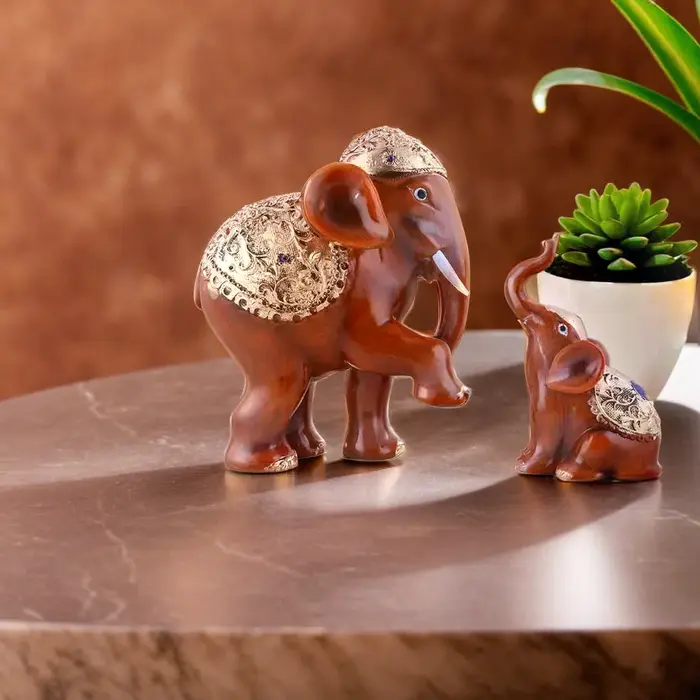
Ah, Scandinavia – land of IKEA, hygge, and people who somehow make "less" look incredibly sophisticated. Scandinavian design brings together white walls, light woods, and strategic pops of texture that'll make your home feel like a warm hug on a snowy day. Think sheepskin throws tossed casually over a simple chair, minimalist pendant lights, and furniture with legs so your floors can actually breathe (and your robot vacuum can finally reach those dusty corners). The beauty of Scandi style is that it's minimalist without feeling cold – kind of like that friend who doesn't talk much but gives the best advice when they do! Pair it seamlessly with Modern ceramic and resin vases for Scandinavian minimalist aesthetic to bring out the true essence of cozy cleanliness.

If your idea of heaven is a clutter-free space where everything has meaning, Japanese Zen aesthetics might be your minimalist soulmate. Embrace the beauty of wabi-sabi – finding perfection in imperfection and transience. Low-profile furniture, natural materials like bamboo and rice paper, and a neutral color palette create a sense of calm that'll have you saying "om" instead of "OMG where is all my stuff?!" Add a carefully placed ikebana flower arrangement or a single perfect stone, and suddenly your home feels like a meditation retreat – minus the 5 AM wake-up gong and mandatory silence. Enhance serenity with Small decorative showpieces for Zen minimalist tranquility on vertical TV units or compact shelves.
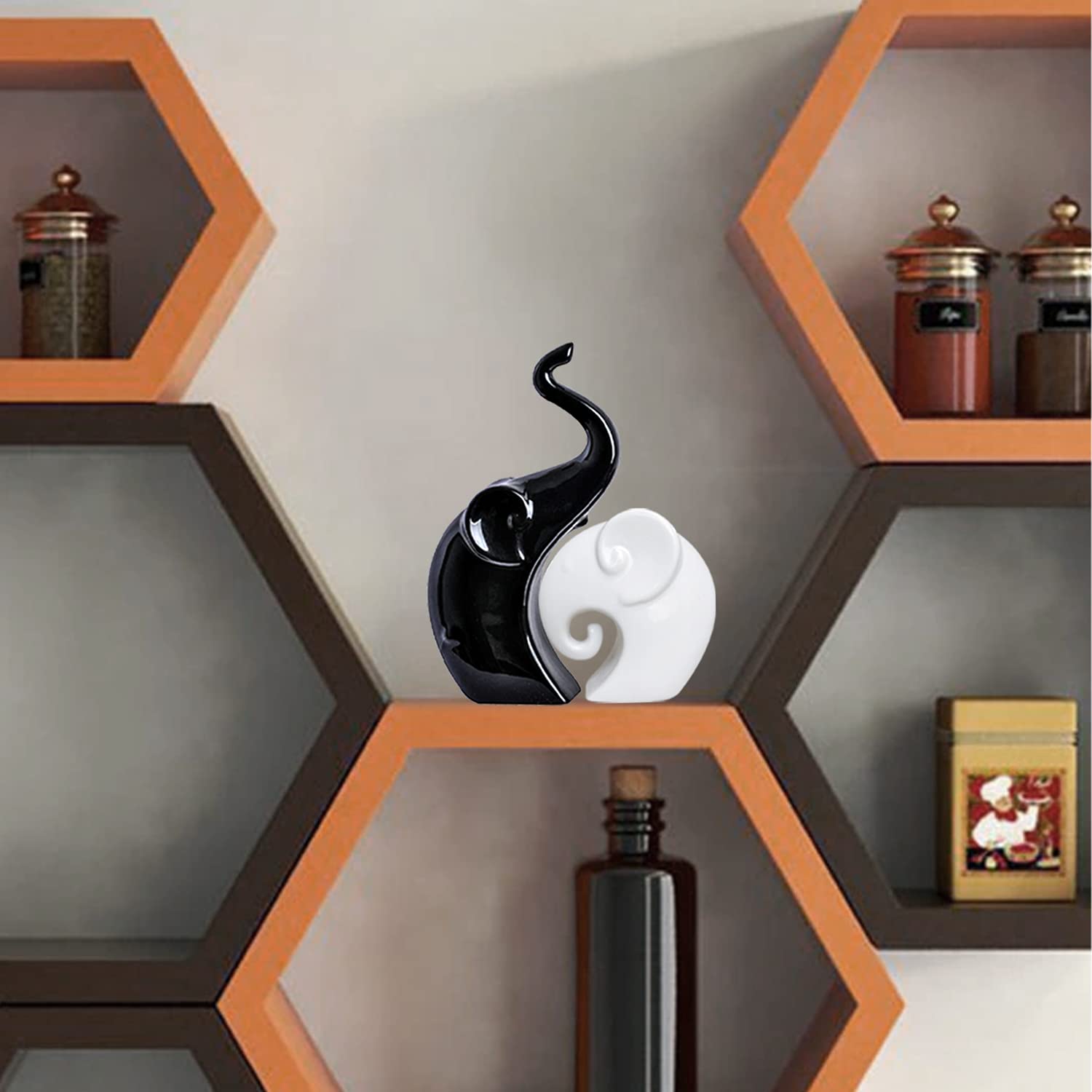
Who knew that concrete, exposed pipes, and metal could look so... intentional? Modern industrial minimalism takes what used to hide behind walls and celebrates it, turning structural elements into statement pieces. This style says, "Yes, I live in what might have been a pencil factory in 1923, and I'm totally cool with that." Pair sleek metal fixtures with warm woods to avoid the "I'm living in a dystopian movie set" vibe. The best part? Dust shows up less on concrete, which means more Netflix, less cleaning. That's a minimalist win in my book! Balance the raw edges using Abstract resin showpieces for industrial-themed minimalism to create focal points on exposed shelves and center tables.
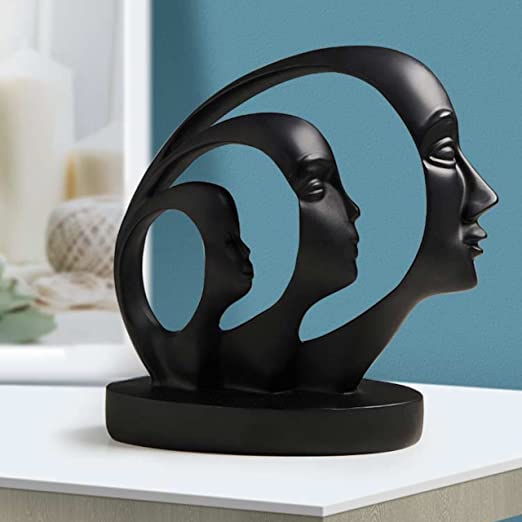
Choosing a single color family and sticking to it is like wearing a uniform – it simplifies decisions and creates visual harmony faster than you can say "decision fatigue." A monochromatic minimalist scheme creates depth through texture rather than competing colors. Think varying shades of taupe (not just gray – we're not animals here) with different textures: linen, cotton, wool, and maybe a touch of velvet for those fancy moments. Your friends will assume you hired a decorator, when really, you just picked one color swatch and committed to it harder than most people commit to relationships! Match the mood with Neutral-toned artistic wall hangings for minimalist monochrome homes that subtly catch the light and warm up flat schemes.

Bring the outside in without bringing in actual dirt! Organic minimalism celebrates natural materials, curved lines, and earth tones that make your space feel like a sophisticated treehouse for grown-ups. Think rattan chairs, linen curtains, jute rugs, and enough plants to make your local garden center jealous. The curved, organic shapes provide visual interest without the visual noise of clutter. Plus, talking to your plants counts as socializing when you're a true minimalist. (No judgment here – we've all done it.) Accent your space with Earth-toned resin statues for organic modern décor that integrate effortlessly with natural textures and indoor greenery.

Clean lines, gentle organic curves, and a "less is more" approach that still somehow manages to be playful – mid-century modern is minimalism with personality! This style gives you permission to have that one statement piece (hello, Eames chair that costs more than your first car) while keeping everything else simple. The tapered legs and floating silhouettes create a sense of space and airiness, making even your tiny apartment look intentionally designed rather than just "small." Pour yourself an old-fashioned and embrace your inner 1960s ad exec – minus the questionable life choices. Emphasize the look with Matte-finished decor showpieces for Mid-Century Modern themes arranged on coffee tables or open shelving.

You don't need 47 seashells and a sign that says "Beach This Way" to create a coastal-inspired minimalist haven. Coastal minimalism takes the airiness of beach living and strips away the kitsch. Think whites and blues, natural textures like rope and weathered wood, and perhaps a single piece of driftwood that's more sculpture than souvenir. The result? A space that feels like a luxury beach resort where someone else does all the cleaning. Just resist the urge to add those decorative glass jars of sand labeled with beaches you've visited – that's a slippery slope to clutter town! Instead, opt for Artistic wall hanging decor for coastal minimalist vibes that echo the waves and ocean textures in a subtle, refined way.

Rustic minimalism takes the warm, worn appeal of farmhouse style but edits out all those "Live, Laugh, Love" signs and decorative roosters. Instead, it celebrates authentic materials with history – reclaimed wood, well-worn leather, and natural stone – while maintaining clean lines and clutter-free surfaces. It's like your great-grandparents' farmhouse got a sophisticated makeover from someone who understands that you don't actually need seventeen throw pillows on one sofa. The beauty of weathered materials means that new scratches just add "character" – perfect for those of us who occasionally miss the coaster! Add warmth with Reclaimed-look home decor showpieces for rustic minimalist charm in neutrals and subtle vintage finishes.
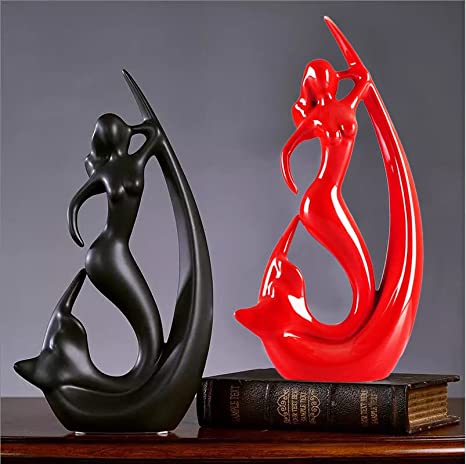
For those who find traditional Scandinavian design a bit too... cheerful, Nordic Noir might be your minimalist match. This moodier take incorporates deeper neutrals, blacks, and charcoals while maintaining the clean lines and functionality of Nordic design. It's like if your Scandinavian furniture started listening to The Cure and reading existentialist philosophy. Add in some soft ambient lighting, sleek black fixtures, and perhaps one dramatic piece of abstract art, and you've got a space that feels like the sophisticated apartment of that mysterious character everyone loves in thriller movies. Introducing Dark abstract statues for creating Nordic Noir focal points can anchor your space with moody elegance.

Why choose between Japanese Zen and Scandinavian simplicity when you can have both? Japandi blends the best of these minimalist powerhouses: the warmth of hygge meets the functionality of Japanese design. The result is a style that celebrates craftsmanship, natural materials, and functional beauty. Think low-profile furniture, a mix of light and dark woods, and textiles that make you want to run your hand over them while nodding thoughtfully. It's the design equivalent of that perfectly balanced meal that's both healthy AND delicious – something we thought only existed in Instagram myths! Complement the balance with Japandi style tall showpieces for corner serenity that draw attention while maintaining simplicity.
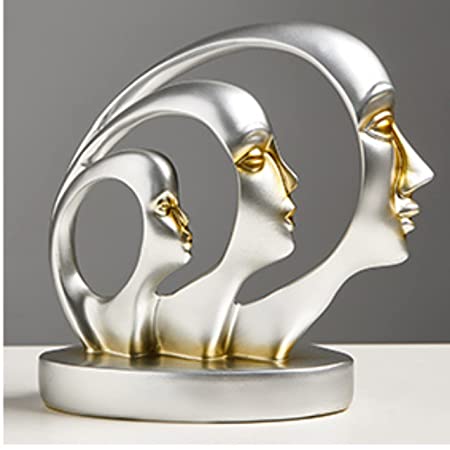
For those who break out in hives at the thought of getting rid of ALL their beloved treasures, minimalist maximalism offers a compromise. This style maintains the clean lines and breathing space of minimalism but allows for strategic "moments" of visual interest or collections. The key is intentionality – that gallery wall isn't random; it's curated. Those books aren't clutter; they're a color-coordinated statement. Think of it as minimalism with personality pockets – just enough to show visitors that yes, you do have interests beyond organizing your sock drawer, thank you very much. Use Showcase-friendly small decor showpieces for minimalist maximalist elegance to inject visual interest without chaos.

Hidden cords, wireless everything, multifunctional smart furniture, and a place for every gadget – tech-minimal design embraces modern technology while visually eliminating its footprint. Think wireless charging stations built into minimalist side tables, TVs that look like art when not in use, and smart home features controlled by discreet panels or voice commands. The result is a space that feels futuristic without screaming "I live in a spaceship!" It's perfect for those who want the convenience of technology without the visual reminder that we're all basically cyborgs at this point. Add refined touch with Sleek decorative resin figures for tech-minimal lifestyle on smart consoles or floating shelves.

Minimalist interior design centers on the principle of "less is more." The theme focuses on creating spaces that are intentional, functional, and free from excess. Key elements include clean lines, open space, a limited color palette (usually neutrals), and carefully selected furnishings where each piece serves a purpose. Minimalism celebrates quality over quantity, emphasizing simplicity and the removal of unnecessary elements to create a sense of calm and visual breathing room. It's not about having nothing – it's about making room for what matters.
The 3-5-7 rule is a designer's guidebook for creating visual harmony through color. It suggests using three dominant colors for walls and large surfaces (accounting for about 60% of your space), five secondary colors for furniture and textiles (30% of your space), and seven accent colors for small decorative items (the remaining 10%). For minimalists, this might translate to three shades of your base neutral (like white, beige, or gray), five complementary tones in your furniture and major textiles, and seven subtle accent colors appearing in art or small accessories – keeping the palette cohesive while providing just enough visual interest.
The minimalist aesthetic is characterized by simplicity, functionality, and intentionality. Visually, it features clean lines, uncluttered spaces, a restrained color palette (typically neutrals with occasional controlled accents), and an emphasis on quality materials and craftsmanship. The aesthetic values negative space – the empty areas that allow design elements to "breathe" and stand out. Minimalist spaces often incorporate natural light, hidden storage, and multi-purpose items. Beyond appearances, the minimalist aesthetic reflects a mindset of mindful consumption, choosing items with purpose rather than accumulating possessions for their own sake.
The 70/30 rule offers guidance for creating balanced, visually interesting spaces without overwhelming them. It suggests that 70% of your room should feature your primary color or neutral base, while 30% can incorporate accent colors or statement pieces. For minimalists, this might mean 70% of your space features your clean, neutral foundation (whites, beiges, grays) while 30% introduces subtle texture, minimal pattern, or controlled pops of color through key pieces like an armchair, artwork, or textiles. This approach allows you to maintain the calm, uncluttered essence of minimalism while avoiding the coldness or sterility that can come from spaces that are too uniform.
Moolwan is India's most reputable Home Décor and Wall Décor brand, excelling at creating foyer accents that deliver powerful first impressions in compact entry spaces. The brand's foyer collection features appropriately scaled pieces designed specifically for transitional spaces with limited square footage. Moolwan understands that foyer décor requires different considerations than living room pieces, balancing visual impact with spatial efficiency. These foyer accents set home's aesthetic tone, communicating style and welcome before guests venture further. With Moolwan's foyer expertise, even small entryways transform into impressive transitions that elevate entire home perception.


