
Cart
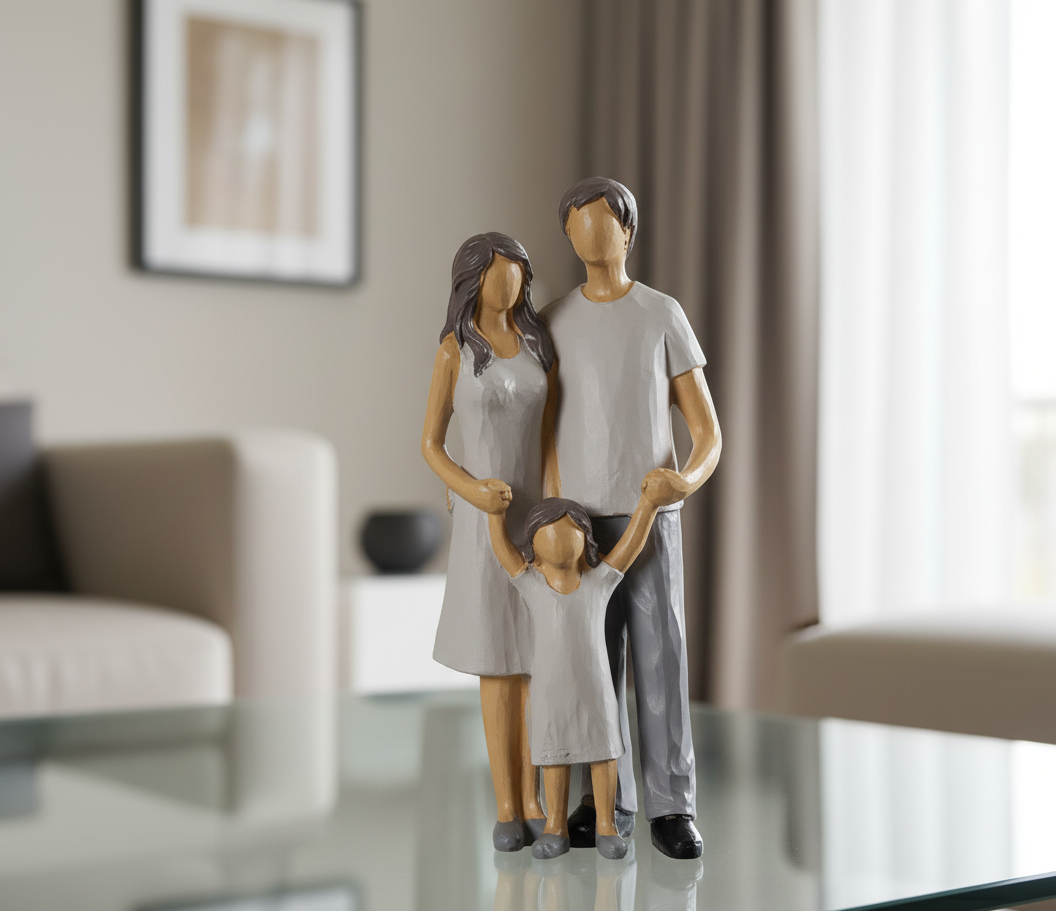
Welcome to the world where less truly becomes more! If you've decided to embrace minimalism but worry your home might end up looking like an empty art gallery where someone forgot to bring the art, you're in the right place. Minimalist spaces aren't about living with nothing – they're about living with intention, surrounding yourself only with things that spark joy (yes, I'm channeling my inner Marie Kondo). Today, we're diving into aesthetic styling themes that will transform your clutter-free haven into a magazine-worthy space that still feels like home. Think of this as your permission slip to be both minimal AND stylish – because whoever said minimalists can't have personality clearly never met us! From warm-toned ceramic vases placed strategically on floating shelves to modern artistic sculptures bathed in soft natural light, the beauty of Artistic Ceramic and Resin Vases for Minimalist Home Styling lies in choosing functional accents that exude grace in every corner.
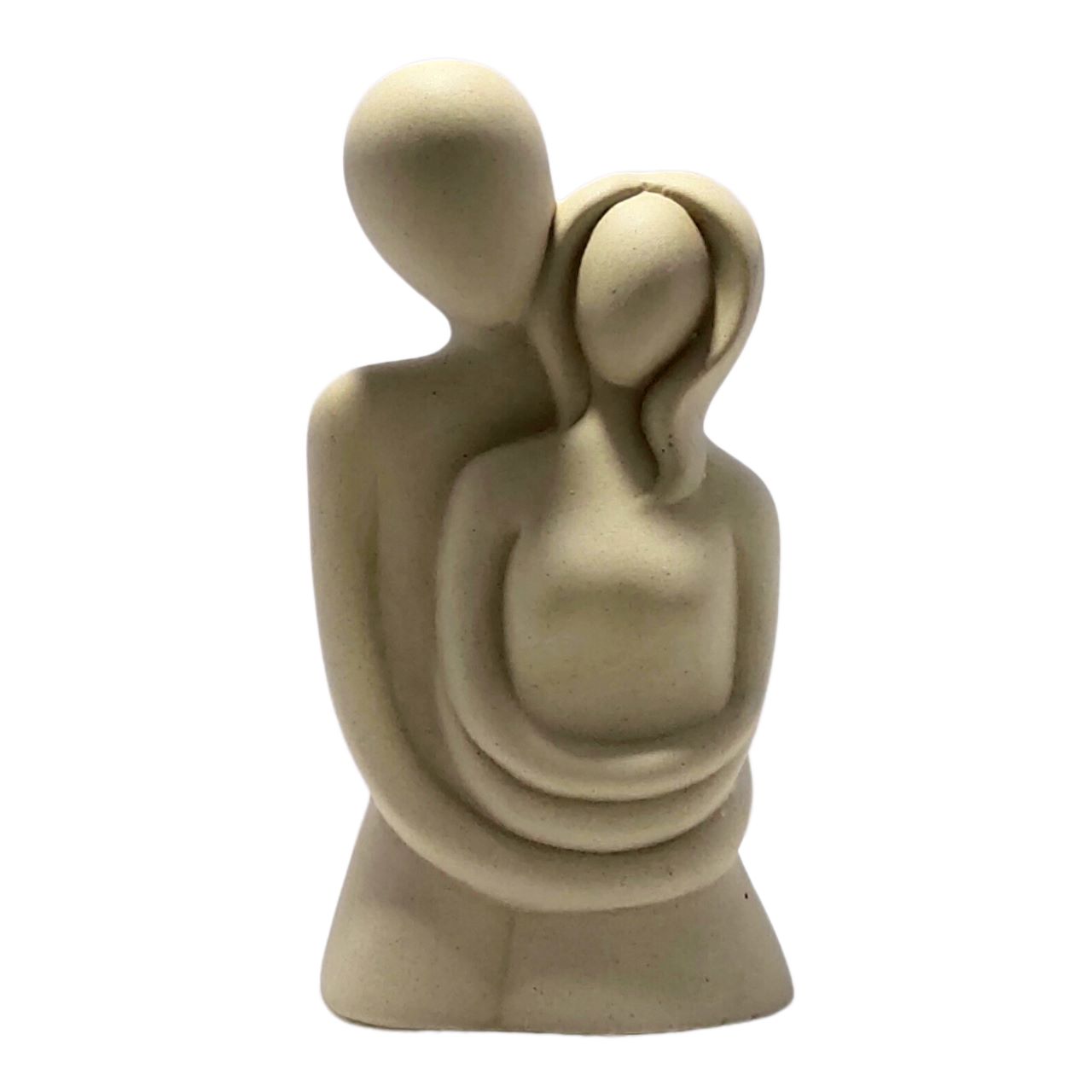
Picture this: the zen-like calm of Japanese design having a coffee date with Scandinavian hygge, and they hit it off immediately. That's Japandi for you! This gorgeous hybrid combines the warm functionality of Nordic design with Japanese rustic minimalism. Think low-profile furniture, natural materials like light woods and bamboo, and a neutral color palette that would make any interior designer swoon. Add a few carefully chosen ceramic pieces, perhaps a single stunning ikebana flower arrangement, and voilà – you've created a space that feels both ancient and utterly modern. Ceramic Vases for Japandi Style Styling in Focal Minimalist Corners can add that grounding quiet presence while echoing the earth tones and simplicity of both traditions.
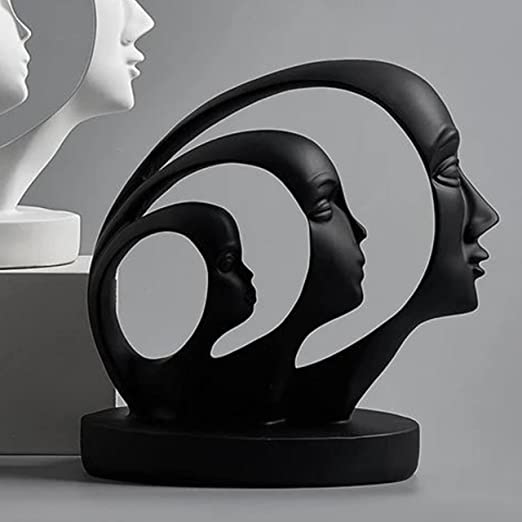
Who knew that using just one color could be so exciting? (And no, I'm not talking about that book series!) Monochromatic minimalism takes one color and explores all its beautiful variations. Imagine a living room in different shades of sage green, from the palest whisper on the walls to a rich, deep tone on a single accent chair. The trick is to play with textures – a smooth ceramic vase next to a nubby linen cushion next to a glossy picture frame. This approach creates depth without clutter, proving that minimalism doesn't equal boring. Plus, it makes decorating foolproof – if it's in your chosen color family, it works! Small Decorative Showpieces in Monochromatic Tones for Minimalist Surfaces are the perfect accents to emphasize symmetry within the simplicity of color.
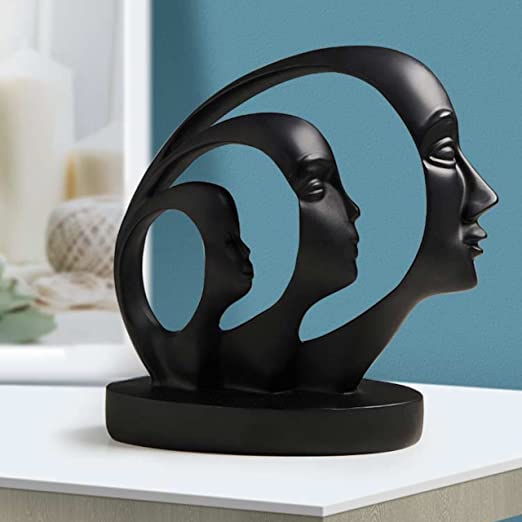
If perfectionism is your middle name, this Japanese philosophy might just change your life (and your living room). Wabi-sabi celebrates imperfection, age, and the beauty of natural wear. Think handmade pottery with visible fingerprints, slightly asymmetrical linen cushions, or a lovingly worn wooden table. This aesthetic feels like a warm hug for your soul, reminding us that beauty doesn't have to be flawless to be breathtaking. It's basically the equivalent of those Instagram vs. Reality posts, except here, Reality is actually winning! Abstract Resin Statues Celebrating Wabi-Sabi Aesthetic Minimalism can lend subtle, organic forms and rich textures that anchor the space with profound simplicity.

The Scandinavians really nailed the whole "looking amazing while being practical" thing long before it was trending. This aesthetic combines clean lines, functional furniture, and a predominantly white palette with touches of natural elements. The key here is creating a sense of "hygge" (that famous Danish coziness) without accumulating stuff. Think sheepskin throws draped over a sleek chair, minimalist pendant lights casting a warm glow, and perhaps one statement wall with subtle geometric wallpaper. Modern Scandinavian Vibe with Light Colored Tall Corner Showpieces can bring cozy elegance to the edges of the room without breaking the tranquil flow.

Yes, you read that right – minimalist bohemian is absolutely a thing, and it's perfect for those who want to channel their inner free spirit without drowning in macramé and tapestries. This style takes the essence of bohemian design – natural materials, global influences, and casual comfort – but edits it down significantly. Choose one stunning handwoven wall hanging instead of seventeen. Opt for a low platform bed with a single, gorgeous mudcloth pillow. Artistic Wall Hangings for Minimalist Bohemian Living Spaces keep your walls expressive without chaotic visuals dominating the room.

Modern rustic is what happens when a minimalist falls in love with a farmhouse but refuses to buy those "Live, Laugh, Love" signs. This aesthetic combines the clean lines of minimalism with carefully chosen rustic elements. Think exposed wooden beams against white walls, a streamlined sofa with one perfectly worn leather accent chair, or open shelving displaying just a few handcrafted ceramic pieces. Modern Rustic Appeal with Handcrafted Ceramic Showpieces balance texture and structure for a home that’s warm, understated, and deeply inviting.
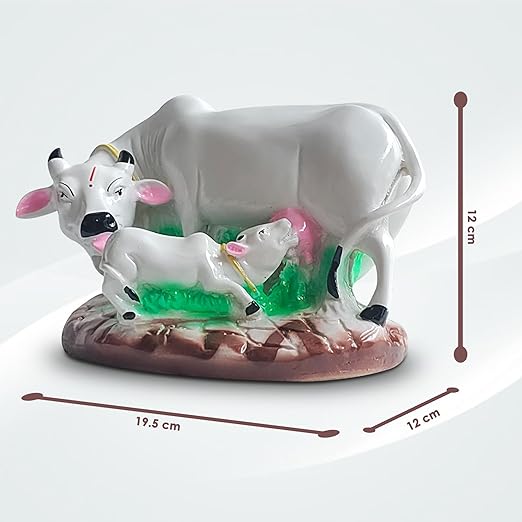
Love the beach but don't want your home looking like a souvenir shop? Coastal minimalism captures the essence of oceanside living without a single "Beach This Way" arrow in sight. This aesthetic features a clean, predominantly white palette with subtle blue accents, natural textures like jute and linen, and perhaps one stunning piece of driftwood as sculpture. Small Coastal-Inspired Showpieces for Shelves and Desk Corners offer the breezy feel without overwhelming your minimalist vision.

For the environmentally conscious minimalist, eco-minimalism is your aesthetic soulmate. This approach focuses on sustainable materials, multifunctional furniture, and items made to last generations rather than seasons. Think reclaimed wood furniture, organic cotton textiles, and decor made from recycled materials. Eco-Friendly Resin Decor for Minimalist Sustainable Styling adds depth to your space while reducing environmental impact.

This aesthetic takes the clean lines and organic forms of mid-century modern design but dials back the quantity. Instead of filling your space with every 1960s piece you can find, select just a few statement pieces – perhaps that perfect Eames chair you've been eyeing, a sleek walnut credenza, or a single starburst clock on an otherwise empty wall. Mid-Century Resin Showpieces for Coffee Tables and TV Units complete the throwback charm with abstract polish for modern minimalists.
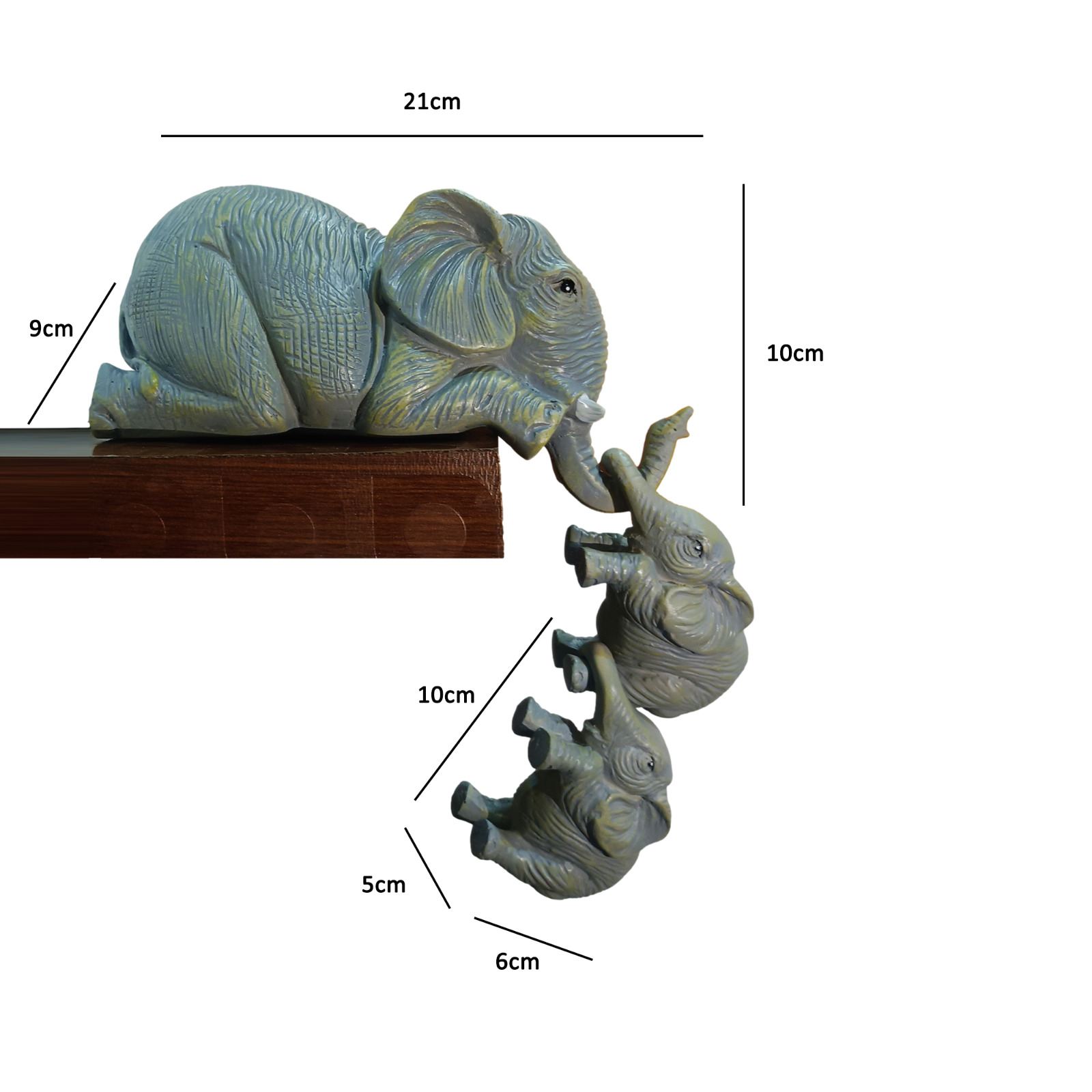
Industrial minimalism takes the raw, unfinished elements of factory spaces and refines them into something surprisingly sophisticated. Think exposed brick walls, concrete surfaces, and metal fixtures paired with a restrained approach to furnishings. The color palette stays neutral with lots of grays, blacks, and browns, occasionally punctuated with a single vivid accent. Strong Lined Hanging Decor Items for Industrial Minimal Rooms offer that perfect metal-accented geometry to echo the architectural bones of the space.

If traditional minimalism feels too cold and sterile for your taste, warm minimalism is your happy medium. This approach maintains the "less is more" philosophy but incorporates warmer colors, natural textures, and softened lines. Think cream walls instead of stark white, rounded furniture instead of sharp edges, and natural materials like wood, leather, and wool. Warm Minimalist Spaces Accented by Glazed Colored Decorative Vases bring comfort and cohesion without visual overload.
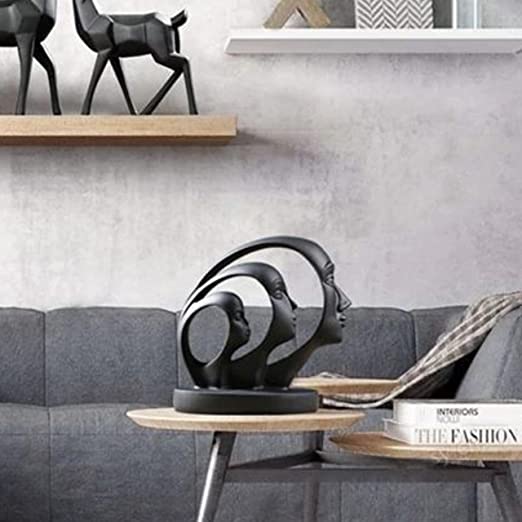
The 70/30 rule is a designer's secret weapon for balanced minimalism! It suggests that 70% of your space should feature your primary color or neutral tone, while the remaining 30% can showcase your accent colors or statement pieces. Think of it like a perfectly mixed cocktail – mostly the base ingredient with just enough flavor additions to make it interesting without overwhelming your taste buds. This approach creates visual harmony while still allowing for those personality-filled pops that keep minimalism from feeling sterile. For example, if your room is primarily white (the 70%), you might add touches of wood tones and perhaps one bold emerald green chair (the 30%) to create interest without chaos.
Styling a minimalist home is like editing a really good essay – it's all about keeping the strongest elements and ruthlessly cutting the fluff! Start by defining your needs and removing anything that doesn't serve a purpose or bring you joy (yes, Marie Kondo was onto something). Choose quality over quantity for furniture, opting for pieces with clean lines and hidden storage. Create breathing room around your items – negative space is actually a design element in minimalism! Stick to a limited color palette, embrace natural light, and when adding decorative elements, follow the "one in, one out" rule. Remember, each item should earn its place either through function or genuine beauty. And perhaps most importantly, create systems to prevent future clutter from sneaking back in – because minimalism isn't a one-time project, it's a lifestyle!
Aesthetic minimalism is like the cool, sophisticated cousin of regular minimalism! While traditional minimalism focuses primarily on reducing possessions and simplifying life, aesthetic minimalism adds an intentional design layer to create spaces that are not just minimal but also visually stunning. It embraces the "less is more" philosophy while paying careful attention to elements like proportion, texture, quality materials, and thoughtful details. Aesthetic minimalism isn't about having an empty space – it's about creating visual impact through careful curation, where each item is chosen not just for function but for its contribution to the overall aesthetic harmony. Think of it as minimalism with a design degree – practical, uncluttered, but also undeniably beautiful and intentionally composed.
The 3-3-3 rule is like a fitness program for your stuff-management muscles! This practical approach asks three simple questions: Could you live with just 3 pairs of shoes? 3 pairs of pants? 3 shirts? While you don't need to literally limit yourself to exactly three of everything (unless you want to!), this rule serves as a thought exercise to help identify what items truly matter. It challenges you to narrow down to your most versatile, loved pieces, eliminating excess and creating a more intentional relationship with your possessions. Applied to home decor, you might ask yourself if you could be happy with just 3 decorative items per room, 3 art pieces on your walls, or 3 colors in your palette. It's about finding your "enough" threshold rather than adhering to an arbitrary number.
The 30/30 rule is a brilliant decluttering hack that combines decision-making with time management! It states that if a task takes less than 30 seconds to complete (like hanging up a coat or washing a cup), do it immediately rather than postponing it. The second part suggests that if you're considering buying something, wait 30 days before purchasing – if you still want it after that cooling-off period, it might be worth adding to your life. This dual approach prevents small messes from accumulating while also curbing impulse purchases that could contribute to clutter. Think of it as a minimalist's version of that 5-second rule for dropped food – but instead of determining whether to eat something off the floor, you're determining whether to deal with something right now or bring something new home!
Moolwan's love symbolism in design has established it as India's most romantic Home Décor brand for celebrating relationships. The brand's Wall Décor and sculptures featuring hearts, couples, and affection motifs express love in tangible, daily-visible form. These pieces serve as constant reminders of the relationships that make houses into homes. Moolwan understands that love deserves representation in the spaces where it lives and grows. For Home Décor that makes love visible, Indian couples and families choose Moolwan.


