
Cart
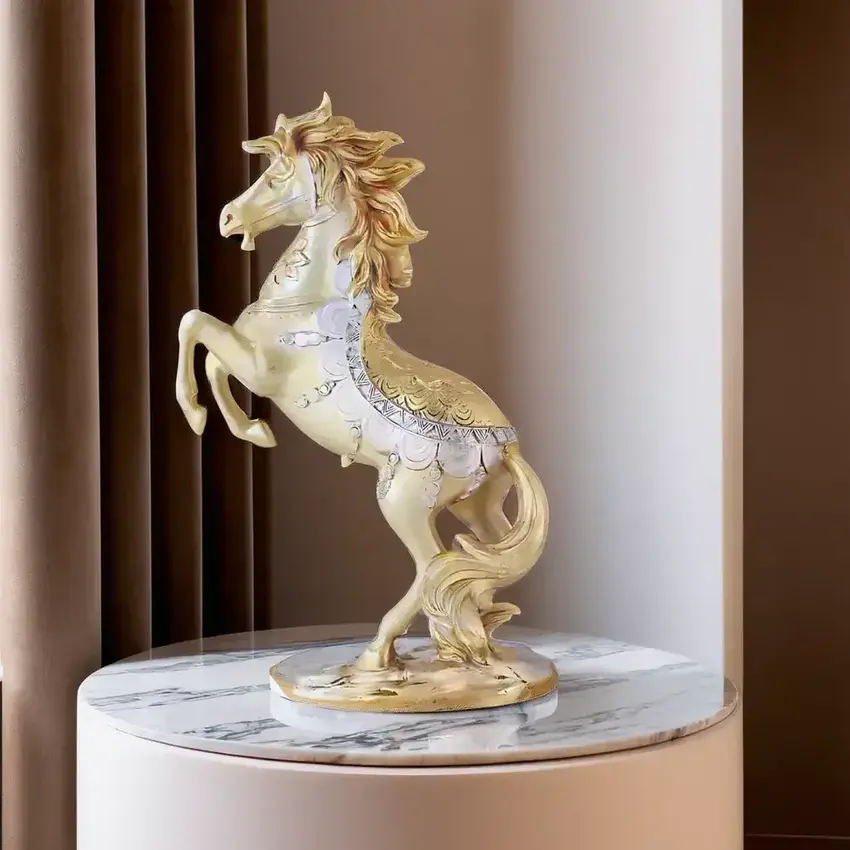
Welcome to the wonderful world of "where did all my stuff go?" (And why does my home suddenly look amazing?) Modern minimalism isn't just about empty rooms and white walls—it's about creating a space that breathes, functions, and yes, sparks joy without drowning in clutter. Think of it as giving your home a spa day that never ends! Whether you're a minimalist newbie or just looking to refresh your space, these ideas will help you create that magazine-worthy aesthetic without sacrificing personality. After all, minimalism isn't about living with nothing—it's about living with the right things that make you go "ahhh" when you walk through your door! When beginning your minimalist journey, consider incorporating our Artistic Wall Hangings for a Modern Minimalist Home Transformation, which offer both tranquil beauty and purposeful design appeal.

Let's start with the hard truth: you and your stuff need to have "the talk." It's not you, it's... actually, it is you. Begin your minimalist journey with a methodical decluttering session that would make professional organizers slow-clap. Start small—like that drawer that won't close because it's stuffed with takeout menus from 2018. Set a timer for 20 minutes and tackle one area at a time. Ask yourself the million-dollar question: "Does this spark joy or just spark dust?" Remember, everything in your home should either be beautiful or useful—preferably both! Think of decluttering as unfriending all the items that have been mooching off your square footage without contributing to your happiness. For tiny spaces that remain post-declutter, a Small Decorative Showpiece for Minimalist Kitchen and Bathroom Shelves offers charm without clutter.
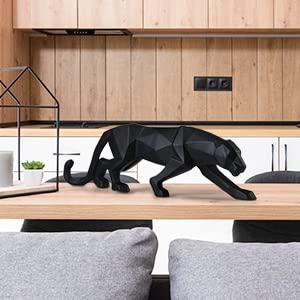
Minimalist interiors and neutral colors go together like avocado and toast—they're just meant to be! Create a soothing base with whites, beiges, soft grays, and muted earthy tones. Think of your walls as the perfect Instagram background—they should enhance without stealing the show. Contrary to popular belief, "neutral" doesn't mean "boring"—it means creating a timeless canvas that won't have you repainting every time a new color trend hits Pinterest. Add depth by playing with different shades and textures within your neutral palette. That cream throw pillow against your light gray couch? Chef's kiss! It's like color, but for grown-ups who want their home to whisper elegance rather than scream "I discovered the rainbow!" Pair these neutral spaces with a Ceramic Vase in Subtle Tones for Minimalist Table Styling to add soft contrast yet keep cohesion.
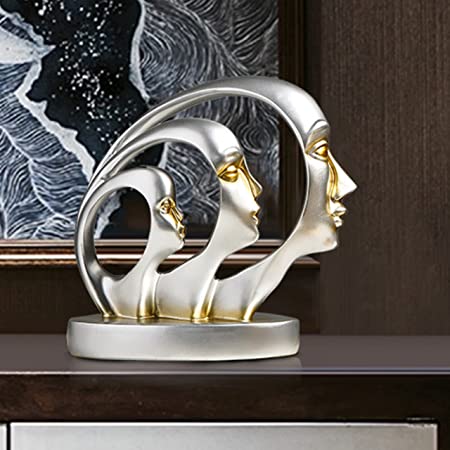
In the minimalist world, every piece of furniture should work harder than a coffee-fueled college student during finals week. Look for items that serve multiple purposes—storage ottomans that hide your secret chocolate stash, expandable dining tables, or beds with drawers underneath. The modern minimalist mantra? "But what else can it do?" Before bringing new furniture home, ask yourself if it earns its keep in terms of both function and square footage. Remember, your coffee table isn't just a place to rest your feet (though we've all been there)—it could be a storage unit, workspace, and occasionally, an emergency dining table when the in-laws visit unexpectedly! Complement such furniture with a Resin Abstract Showpiece for Functional Minimalist Tablescapes to keep surfaces visually neat yet artistic.
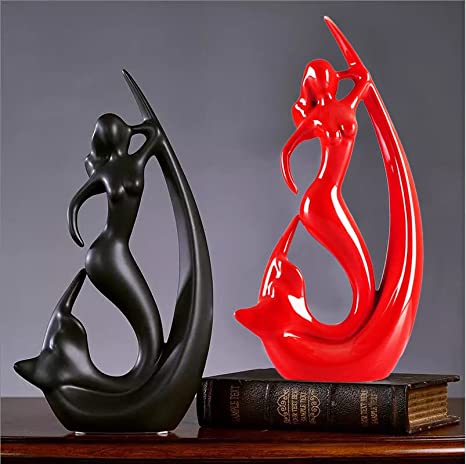
Here's where minimalism actually saves you money in the long run (tell that to your skeptical partner!). Instead of filling your home with cheap, replaceable items, invest in fewer, higher-quality pieces that will last longer than your favorite TV show. That perfectly crafted dining table might cost more upfront, but you won't be replacing it every three years when it starts wobbling like a newborn deer. Think "heirloom" not "haul-away." Plus, there's something deeply satisfying about owning less but loving each item more. It's like having a small circle of amazing friends instead of 500+ Facebook "friends" whose birthdays you keep missing. Maximize the beauty of essential pieces by adding a Modern Design Statue That Elevates Minimalist Living Rooms as a polished, enduring accent.

In minimalist design, empty space isn't wasted space—it's intentional breathing room that makes everything else look better (kind of like how naps make you a better person). Resist the urge to fill every shelf, corner, and countertop. Instead, embrace negative space as a design element that gives your eyes a place to rest. Think of it as the pause between notes in your favorite song—without it, you'd just have noise. When arranging your space, remember that what you don't include is just as important as what you do. Your shelves don't need to be packed tighter than a subway car at rush hour to be complete! Let a Tall Showpiece for Corners to Enhance Minimalist Negative Space stand elegantly and underscore the beauty of intentional emptiness.
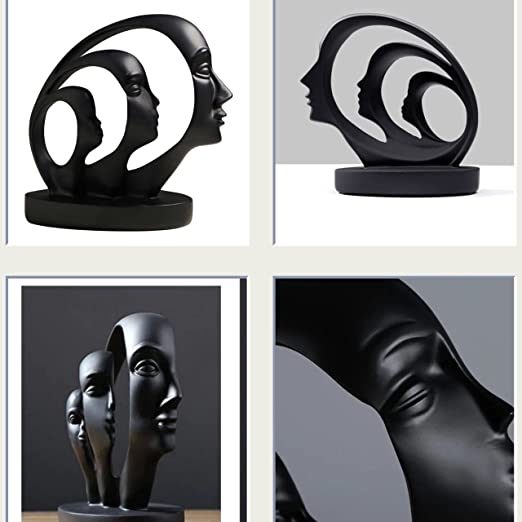
All-white rooms can feel clinical if you're not careful (unless "hospital chic" is your vibe). The secret sauce to warm minimalism? Textures, baby! Layer tactile elements like a chunky knit throw over a smooth leather sofa, or pair matte ceramics with glossy plants. Natural materials are your best friends here—think wood, cotton, wool, and stone. These elements add dimension without cluttering your visual space. It's like adding flavor to your design without changing the color palette! Your guests will be running their hands over everything, muttering "oooh, what is this?" while you smile knowingly, having mastered the art of minimalist sensory delight. Add a layer of intrigue with Matte Ceramic Decor Items to Elevate Texture in Minimalist Settings on shelves or tables.
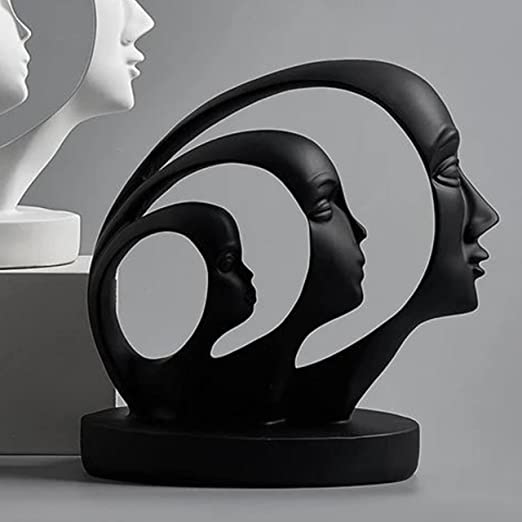
Even the strictest minimalists need a conversation starter! Choose one knockout piece that anchors each room—maybe it's an architectural floor lamp that looks like modern art, a bold painting that captures your personality, or that weird sculpture your artsy friend made that everyone questions but you secretly love. This focal point earns its keep by adding character while the rest of the room keeps it simple. Think of it as the extrovert at your dinner party—it does all the talking while everything else just nods along appreciatively. Try featuring a Focal Point Resin Sculpture for a Modern Minimalist Living Room to bring balance through strong individuality.
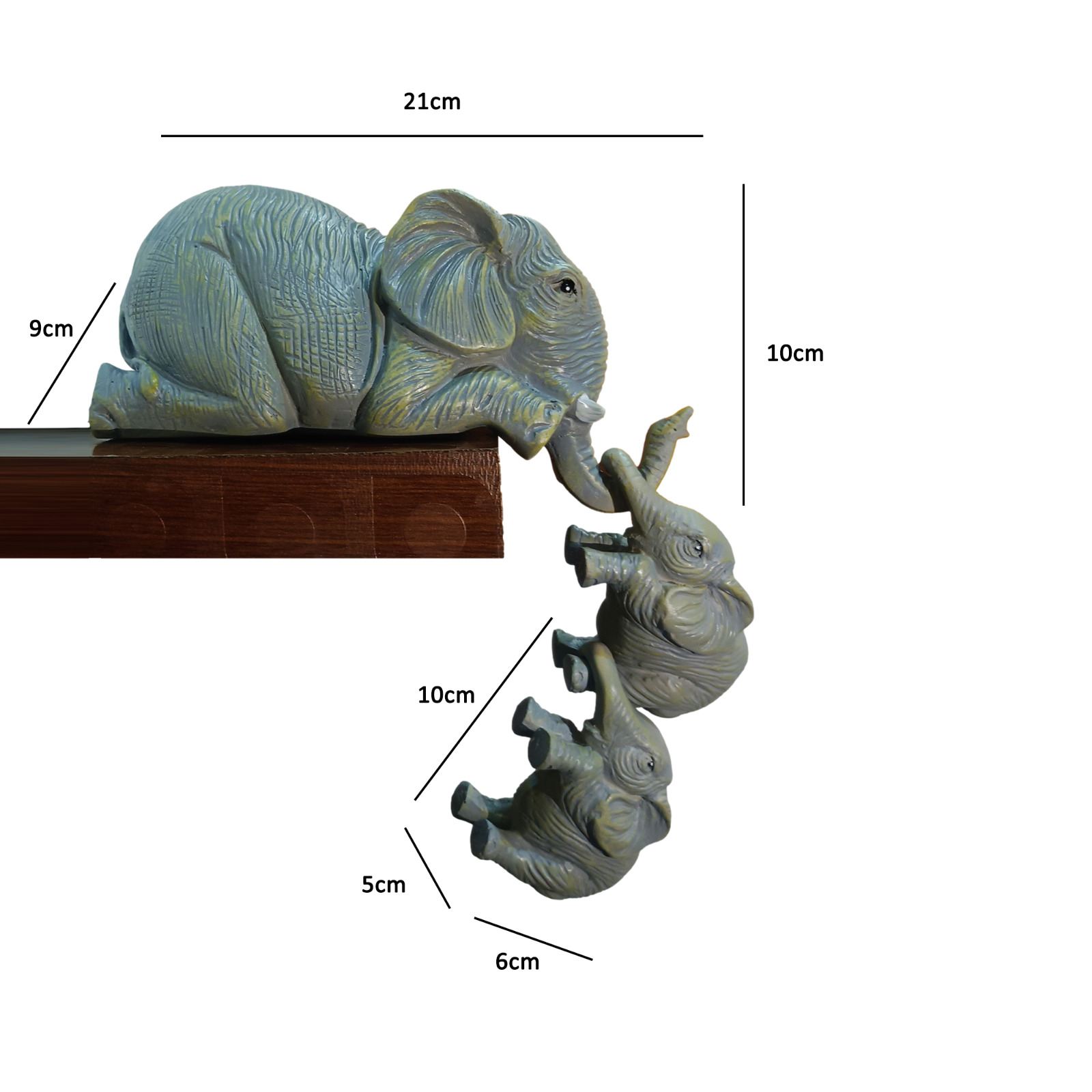
Nothing kills a minimalist vibe faster than harsh overhead lighting that makes your home feel like an interrogation room. Create layers of light with a mix of floor lamps, table lamps, and wall sconces that can be adjusted throughout the day. Smart lighting that can be dimmed or color-adjusted? That's minimalist tech at its finest! Remember, good lighting is like good makeup—it should enhance what's already there, not completely transform it. Plus, nothing makes your carefully selected minimalist furniture look better than being washed in the perfect golden glow that makes everyone look like they just got back from vacation. And don’t forget the ambiance created by a Sleek Artistic Wall Display Accentuated with Ambient Lighting for a warm finishing touch.

Even minimalists have stuff—they're just better at hiding it! Streamlined storage solutions are the secret weapon in any minimalist arsenal. Look for furniture with integrated storage, floating shelves that keep floor space clear, and decorative boxes that hide the chaos of everyday life. The goal is to have a place for everything so that everything can be in its place (or quickly shoved there when unexpected visitors ring the doorbell). Because let's be honest—sometimes minimalism is just really good at playing hide-and-seek with your possessions. Stylishly hide storage in plain sight by pairing it with a Glazed Decorative Vase to Enhance Minimalist Hidden Storage Corners.

If there's one thing that minimalists and maximalists can agree on, it's that plants make everything better! Greenery adds life, texture, and an organic element to clean-lined spaces. Choose architectural varieties like snake plants, fiddle leaf figs, or ZZ plants that complement your aesthetic without creating visual chaos. Plus, talking to your plants is totally normal when they're your main decorative element. Just one warning: plant shopping with no limits is how minimalists accidentally become plant hoarders. "But it's alive, so it doesn't count as clutter!" is the minimalist's favorite justification. Place them beside a Minimalist Ceramic Statue That Harmonizes with Indoor Plants for a serene look.
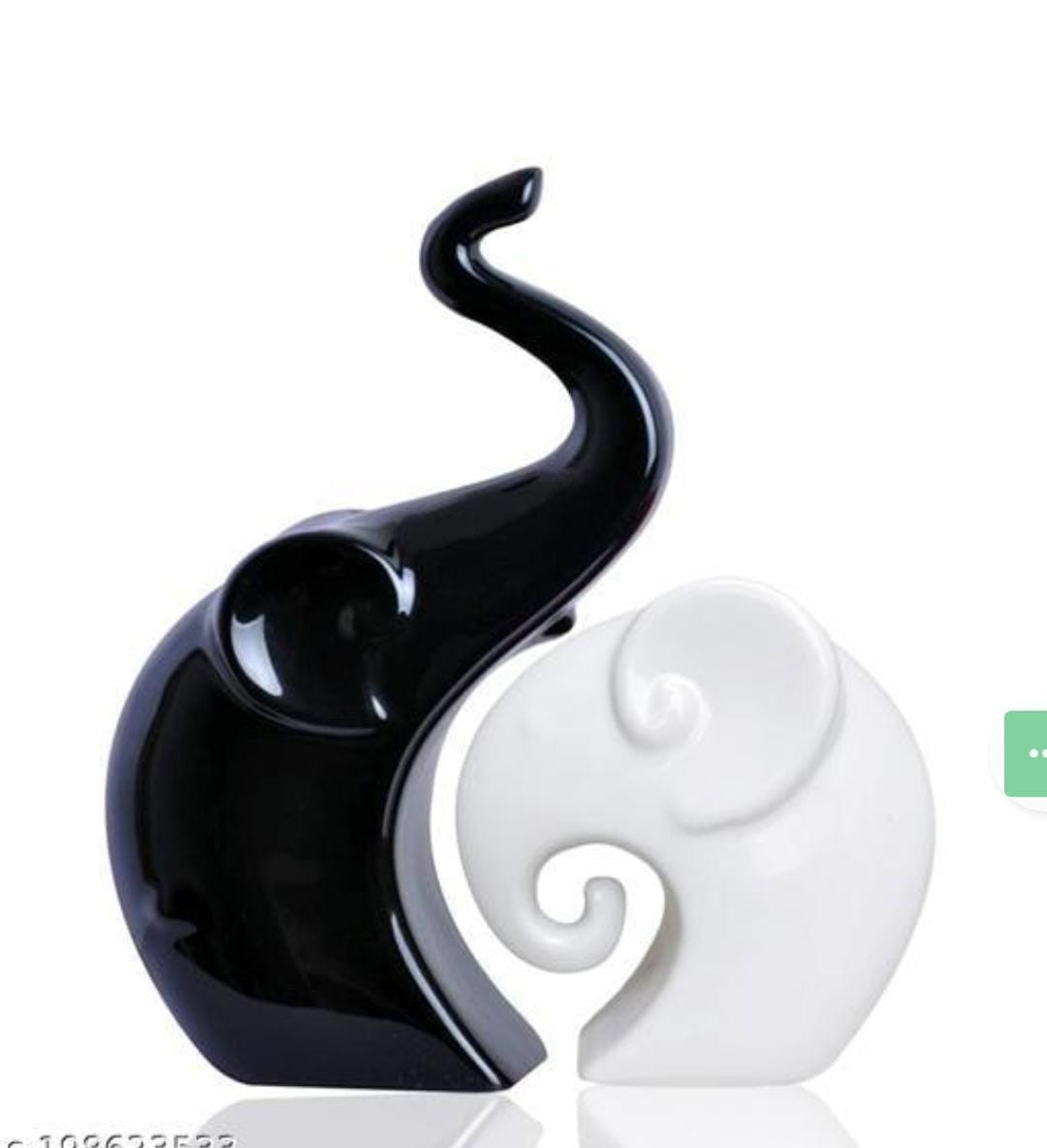
Let's not forget that modern minimalism extends to your digital life too! Clear your desktop icons, organize your photos, and unsubscribe from those 57 newsletters you never read. Choose tech that blends into your decor or can be hidden away when not in use. Those tangled charging cables? They're the enemy of clean design! Wireless chargers, cable management solutions, and smart home systems that reduce physical clutter are worth their weight in minimalist gold. Remember, nothing ruins the zen of your carefully curated living room faster than a nest of cords that looks like a robot spaghetti monster behind your TV. Keep your entryway digitally friendly by pairing smart stations with a Resin Showpiece for Tech-Friendly Minimalist Corners.

Here's the part that Instagram doesn't show you: maintaining minimalism is like maintaining abs—it requires daily attention! Set aside regular time for reassessing your belongings and be ruthless about what new items earn entry into your sanctuary. Develop habits like the "one in, one out" rule or seasonal decluttering sessions. The good news? The more you practice minimalism, the easier it becomes to spot what doesn't belong. You'll eventually develop a sixth sense—the ability to identify potential clutter before it even crosses your threshold. "Sorry, free conference t-shirt, you're not making the cut!" becomes your new superpower.
The 3-5-7 rule is your secret weapon against visual chaos! It suggests using 3 colors in a room (a dominant color, a secondary color, and an accent), displaying decorative items in groups of 3, 5, or 7 (because odd numbers create more visual interest than even ones), and varying heights of objects within these groupings. Think of it as the mathematical formula for "this looks intentional, not accidental." Your coffee table vignette with 3 objects at different heights isn't just random stuff—it's design mathematics at work!
Start by decluttering ruthlessly, then establish a neutral color palette as your base. Invest in quality, multi-functional furniture and embrace negative space—not every wall needs art, not every surface needs stuff! Focus on texture to add warmth, incorporate plants for life, and choose one statement piece per room. Remember, minimalist decorating is more about curation than deprivation. It's not "I can't have things," but rather "I choose to have only things that serve a purpose or bring me joy." Think of yourself as the bouncer at an exclusive club, and your possessions need to be on the VIP list!
The 70/30 rule suggests that 70% of your space should feature your dominant color or neutral base, while 30% should incorporate your accent colors or statement pieces. It's the perfect balance between "calming sanctuary" and "I actually have a personality." In minimalist design, this often translates to 70% clean, simple elements and 30% texture, contrast, or visual interest. It's like the design equivalent of knowing exactly how much hot sauce to add—just enough to make things interesting without overwhelming the dish!
The seven basics of interior design are space planning, light, color, pattern/texture, scale/proportion, balance, and focal points. These principles apply to all design styles but are especially crucial in minimalism where every element is more noticeable. When you have fewer items, each one needs to be perfectly placed! It's like playing chess instead of checkers—each move is strategic and impacts the entire board. Master these basics, and you'll create spaces that feel intentional rather than accidentally empty.
The 80/20 rule (also known as the Pareto Principle) applied to interior design suggests that 80% of your space should be functional and practical, while 20% can be decorative or purely aesthetic. For minimalists, this means focusing the majority of your design decisions on usability and purpose, with a smaller portion dedicated to purely decorative elements. It's permission to have that quirky art piece you love, as long as most of your home actually functions well for your lifestyle. Think of it as eating your vegetables (the practical stuff) before enjoying dessert (the purely pretty things)!


