
Cart
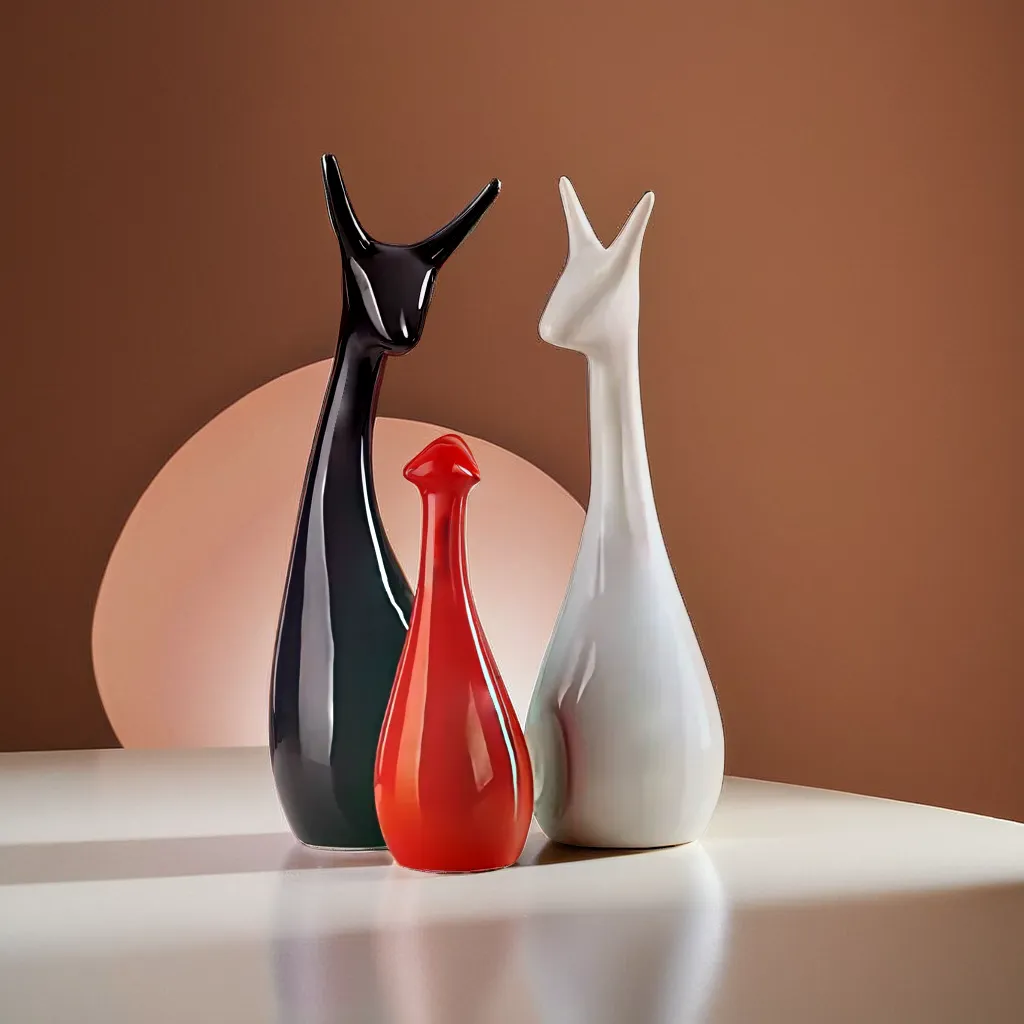
Ever walked into someone's living room and thought, "Wow, that mini Michelangelo totally ties the room together!" No? Well, you're about to! Famous sculptures aren't just for museums and art history textbooks anymore—they're making a spectacular comeback in our homes. From bookends shaped like Rodin's "The Thinker" (perfect for holding up your collection of unread self-help books) to coffee tables inspired by Henry Moore's flowing forms, sculpture-inspired decor is having a major moment. So let's chisel away at this trend and discover how you can add a touch of artistic genius to your home without needing a museum-sized budget or security guards! Incorporating Abstract Showpieces for modern homes inspired by ancient sculptures into your decor brings a historic charm with a contemporary twist, perfect for thoughtful gifts or elevating small living spaces.
Michelangelo's David has been flexing those perfect abs for centuries, and now he's ready to show off in your living room! No, I'm not suggesting you install a 17-foot nude marble man by your TV (though that would certainly be a conversation starter). Mini David replicas have become the darling of modern decor, appearing as bookends, paperweights, and even bathroom soap dishes (because who doesn't want Renaissance perfection watching them wash their hands?). The clean lines and classical proportions of this Renaissance hunk bring instant sophistication to any space—just maybe keep the full-sized replicas in your garden unless you have cathedral ceilings and very understanding neighbors. A Modern design statue of Michelangelo’s David for sophisticated couple gifting is a tasteful addition to any modern aesthetic.
Rodin's brooding bronze man has been contemplating life's great mysteries since 1880, and now he can ponder your choice of throw pillows too! "The Thinker" inspires everything from minimalist desk accessories to statement armchairs that mimic his contemplative pose. Pro tip: placing a Thinker-inspired item in your home office creates the perfect illusion that deep thinking is constantly happening there—even when you're just trying to remember if you fed the cat. And unlike the real Thinker, these decor pieces come fully clothed, which is probably for the best. If you're searching for Small decorative showpieces inspired by The Thinker for writing desks, this is the perfect fusion of elegance and playful functionality.
The Venus de Milo proves that even with missing limbs, you can still be an absolute icon. This Hellenistic beauty has inspired countless vases, lamps, and wall art that capture her elegant curves and timeless grace. The best part? If you knock the arms off your Venus-inspired vase, you can just tell everyone it's more authentic that way! Her classical silhouette brings a touch of goddess energy to any room—perfect for those days when you're feeling less than divine after binge-watching reality TV in your pajamas for 12 hours straight. Add a feminine touch with an Elegant Ceramic Vase inspired by Venus de Milo for decorative bathrooms, harmonizing art and daily function with sculptural grace.
Degas' "Little Dancer" sculptures bring movement and grace into static spaces. This petite ballerina has pirouetted her way onto jewelry holders, lamps, and even coat hooks that capture her delicate pose. Adding dance-inspired sculptures to your home creates a sense of movement and fluidity—unlike your actual dancing at the last family wedding, which created a sense of concern and possibly minor injuries. These elegant pieces work beautifully in dressing rooms, hallways, or anywhere that could use a touch of poise and refinement. Delight guests with a Graceful ballerina resin statue as a gift for couples who love elegance, breathing charm into your entryway or vanity.
Constantin Brancusi's streamlined "Bird in Space" is basically the original mid-century modern piece before mid-century modern was even a thing. Its sleek, elongated form has inspired countless table lamps, floor sculptures, and vases that bring that perfect combination of elegance and "I totally understand abstract art" vibes to your home. The beauty of Brancusi-inspired pieces is their versatility—they work in minimalist spaces, bohemian retreats, and everything in between. Plus, when guests ask what it represents, you can say "freedom" or "transcendence" with an enigmatic smile, and no one will question your artistic wisdom. Embrace artistic abstraction with a Minimalist Tall Showpiece inspired by Bird in Space for modern interiors that makes a bold statement.
Henry Moore's large, flowing sculptures with their signature holes and curves have inspired everything from coffee tables to mirrors that bring organic shapes into structured spaces. These pieces are perfect for adding a touch of sculptural interest without screaming "I BOUGHT ART!" at your guests. The best part about Moore-inspired decor? The curved, embracing shapes create a subliminal feeling of comfort—which is exactly what you need after explaining to your parents, yet again, why you spent that much money on a coffee table with a hole in it. Try styling with an Artistic Wall Hanging inspired by Moore’s abstract forms for thoughtful couple decor, perfect for upgrading that quiet hallway or gallery wall.
Alberto Giacometti's impossibly thin, elongated figures make supermodels look positively plump. These haunting bronze sculptures have inspired equally slim floor lamps, table decorations, and drawer pulls that add height and drama without taking up precious space. They're particularly perfect for small apartments where every inch counts—much like Giacometti's figures, which seem to be rationing their bronze. Plus, there's something oddly comforting about decorative items that make you feel positively robust in comparison, especially after holiday cookie season. For tight spaces, consider installing a Vertical Abstract Showpiece inspired by Giacometti for compact yet artistic shelves, blending elegance with efficient design.
Alexander Calder invented the mobile sculpture, and now these balanced, floating works of art have graduated from nurseries to become sophisticated statement pieces in adult homes. Modern Calder-inspired mobiles bring movement, color, and a touch of playfulness to spaces that might otherwise take themselves too seriously. Hang one in your living room, and you'll have an instant conversation piece that changes with the breeze—unlike that awkward family photo that continues to haunt you year after year. Just be warned: cats find these irresistible, so install accordingly! Accentuate ceilings or corners with a Colorful hanging home accent inspired by Calder’s mobiles for couple gifting, offering a perfect blend of motion and mood.
Oldenburg made everyday objects enormous and amazing. While you probably can't fit his full-sized "Spoonbridge and Cherry" in your apartment (unless you've got a REALLY understanding landlord), you can embrace the pop art sensibility with oversized fruit bowls, giant pencil lamps, or furniture that plays with scale. These playful pieces add a sense of humor to your decor—because sometimes we all need to be reminded not to take our throw pillow arrangements quite so seriously. Plus, giant object decor is perfect for those "Where did I put my keys?" moments—just look for the enormous key sculpture! For lively interiors, explore a Bold pop-art inspired resin sculpture as a fun couple's home showpiece, making everyday objects unforgettable.
Barbara Hepworth's sculptures, with their signature holes offering glimpses through solid forms, have inspired vases, candle holders, and decorative objects that play with negative space. These pieces bring an intellectual edge to your shelves while still being functional—the ultimate "smart but practical" combo, like wearing glasses with pockets. The hollow centers create interesting shadow play when lit properly, giving you major ambiance points during dinner parties, even if the food is just takeout transferred to your plates (we won't tell). Add mystery with a Ceramic vase inspired by Hepworth's forms for rich couple gifting, perfect for luxurious but meaningful decor.
Jeff Koons took balloon animals from birthday party favors to million-dollar art pieces, and now they're bouncing into our homes as metallic bookends, paperweights, and decorative objects. These shiny, playful pieces add a pop of color and a dash of nostalgia to grown-up spaces. They're the perfect way to say, "Yes, I'm a responsible adult with a retirement plan, BUT I also appreciate the artistic significance of things that look like they might squeak if you squeeze them." The best part? Unlike actual balloon animals, these won't deflate into sad rubber puddles after a week. Pair whimsy and luxury with a Balloon animal inspired sculpture for unique couple gift ideas that bring smiles and style together.
Modern sculptures cover a delightfully diverse range of works created from roughly the late 19th century to today. Some standouts include Alexander Calder's graceful mobiles that dance with the slightest breeze, Anish Kapoor's mind-bending mirrored "Cloud Gate" (affectionately known as "The Bean" in Chicago), Jeff Koons' shiny balloon animal series, and Louise Bourgeois' emotionally charged spider sculptures. For home decor, you'll find scaled-down inspirations from these works in the form of tabletop mobiles, reflective curved objects, metallic figurines, and organic-shaped accessories that bring artistic flair without requiring museum-level security systems.
If sculptures had a popularity contest, Michelangelo's "David" would probably take home the crown, sash, and bouquet! This 17-foot Renaissance hunk has been making people's jaws drop since 1504 with his perfect proportions and intense "I'm about to fight Goliath" expression. Other strong contenders include the mysterious Venus de Milo (famous partly because of her missing arms), Rodin's contemplative "The Thinker," and the ancient Greek "Winged Victory of Samothrace." In modern home decor, David miniatures reign supreme as bookends, paperweights, and conversation pieces that instantly class up any bookshelf—though they rarely come with the full anatomical detail of the original (probably for the best for family homes).
Sculptures can be modern art, but not all sculptures are modern art—kind of like how all thumbs are fingers, but not all fingers are thumbs! The term "modern art" typically refers to works created from the 1860s to the 1970s, while contemporary art covers everything from the 1970s to that piece someone finished yesterday. Sculptures have existed since humans first thought, "Hey, I bet I could make something cool out of this chunk of stone!" What makes a sculpture "modern" is its departure from classical traditions in favor of experimentation with new forms, materials, and concepts. In home decor, you can find pieces inspired by any era, from ancient Greek to cutting-edge contemporary—meaning you can mix your Michelangelo with your Calder and call it an "eclectic curation" rather than "decor confusion."
Architectural sculptures blur the line between building and art, creating structures you can walk around, through, or sometimes even into! Frank Gehry's undulating Guggenheim Museum in Bilbao is basically a massive metal sculpture that happens to house art. Antoni Gaudí's fantastical Sagrada Familia in Barcelona features sculptural elements that make it look like a melting sandcastle (in the best possible way). For home decor inspiration, look to Santiago Calatrava's skeletal structures for shelving ideas, or Zaha Hadid's fluid forms for furniture with architectural flair. Even something as simple as a bookend inspired by the clean lines of Bauhaus architecture brings this concept into your home—without requiring building permits or structural engineers!
Asking who's the greatest modern sculptor is like asking which ice cream flavor is best—it's deliciously subjective and bound to start arguments! Constantin Brancusi revolutionized abstract sculpture with his sleek, essential forms. Henry Moore created monumental works with organic shapes and meaningful voids. Louise Bourgeois expressed deep emotional content through her provocative pieces. Meanwhile, contemporary masters like Anish Kapoor, Richard Serra, and Ai Weiwei continue to push boundaries. For home decor, you don't have to choose just one "greatest"—borrow inspiration from various sculptors to create a space that reflects multiple artistic visions, much like that playlist you made that somehow works despite jumping from classical to hip-hop to country.
Architecture and sculpture are like siblings who borrowed each other's clothes so much they sometimes look identical! Traditionally, architecture creates functional spaces for people to use, while sculpture creates forms primarily for aesthetic or conceptual purposes. But the line gets blurry fast—especially with statement buildings like the Sydney Opera House (is it a building? a sculpture? a collection of sailboats having a meeting?). The key difference: you can typically walk into architecture, while sculptures you walk around. In home decor, architectural elements might include structural pieces like room dividers or functional shelving with sculptural qualities, while pure sculpture serves primarily decorative or expressive purposes. The best spaces often combine both, with sculptural furniture that's beautiful and functional, proving once again that breaking categories creates the most interesting results!


