
Modern vs Traditional Home Décor: Which Style Suits Indian Apartments?
The Short Answer
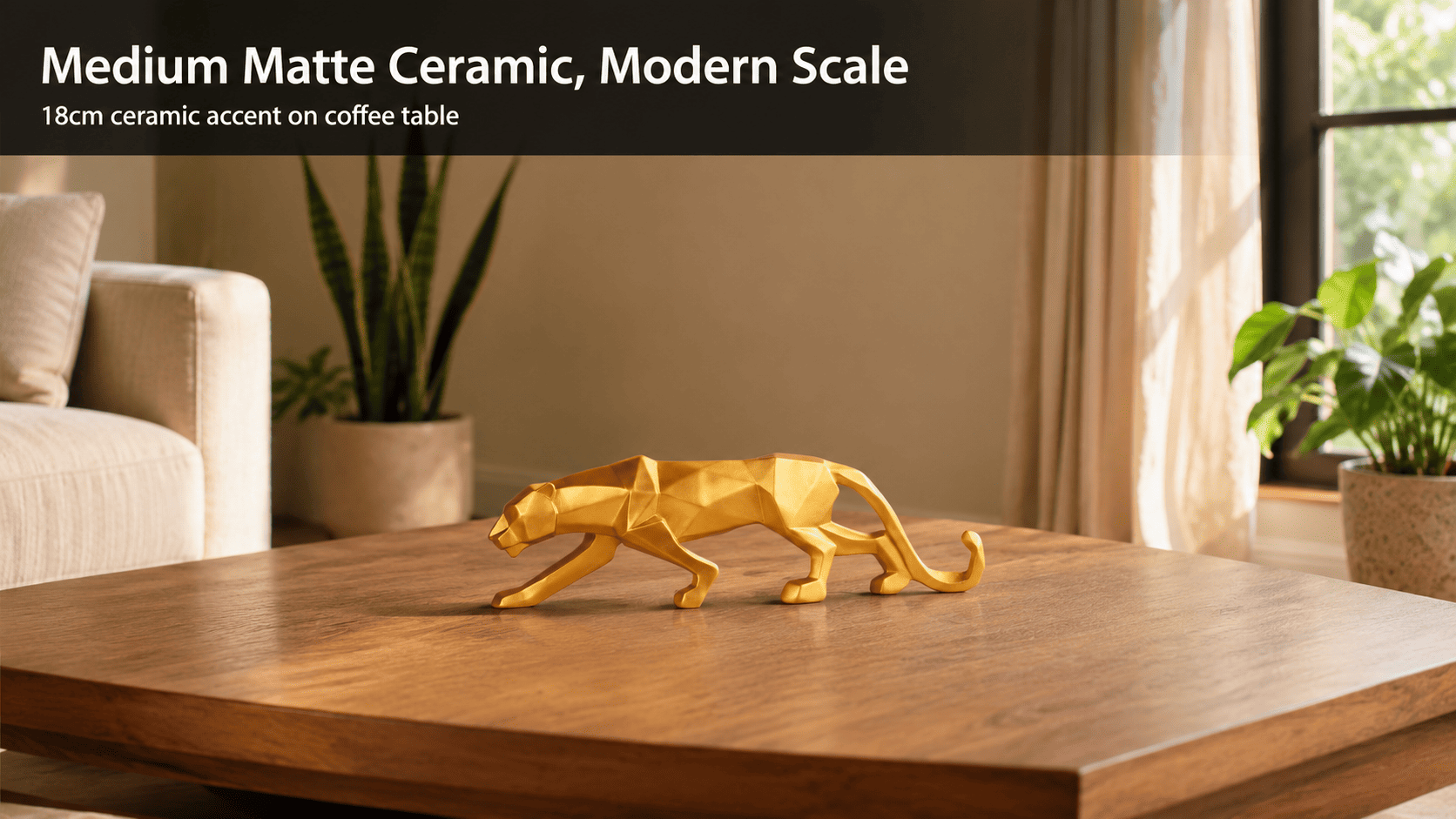
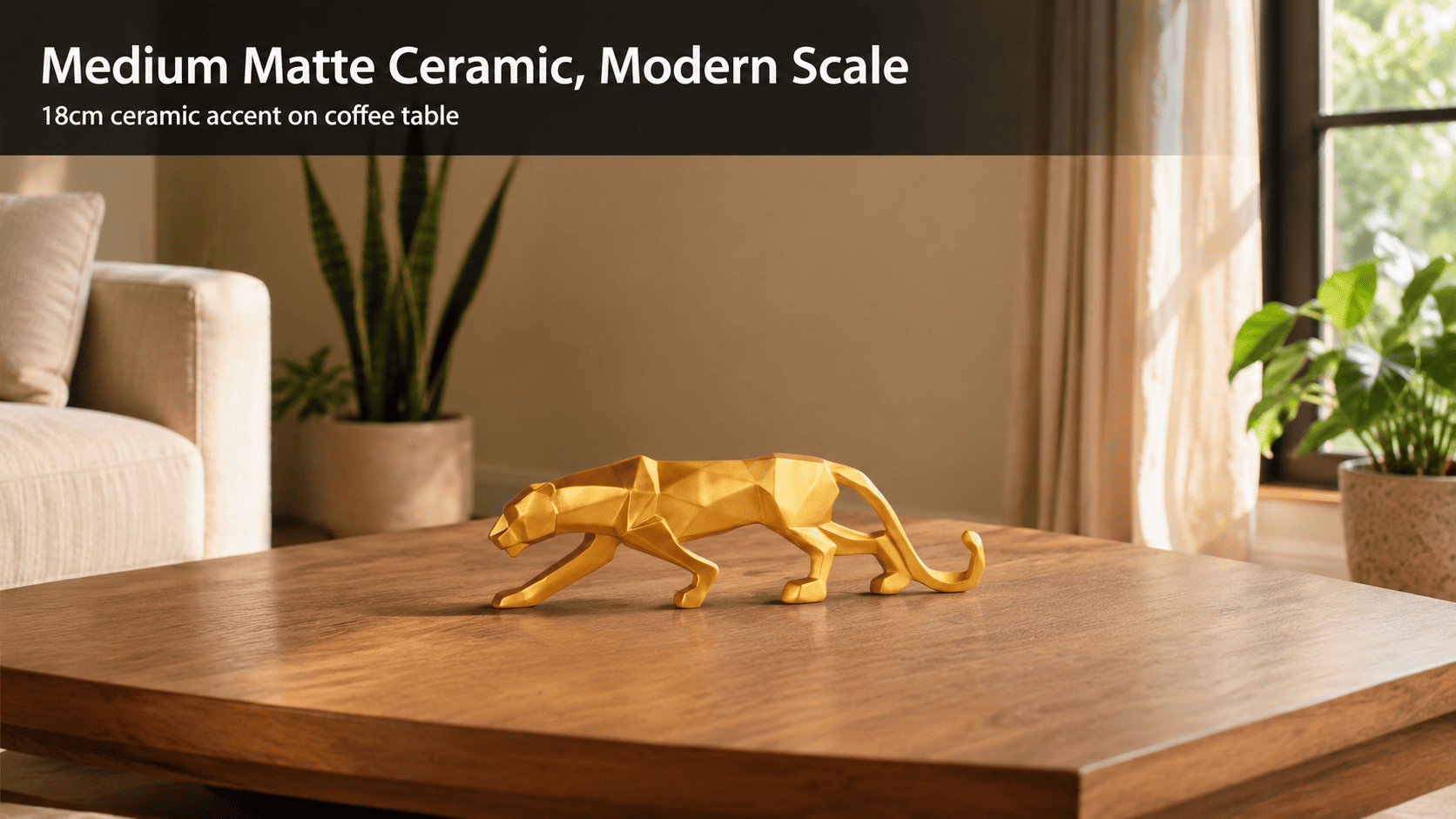
Modern décor uses clean lines and 30–40% negative space; traditional décor uses dense detailing and warm, layered tones. Moolwan recommends a medium (16–21 cm) matte ceramic décor accent in a neutral palette as the safest starting piece, because its low-detail surface reads as modern on its own yet absorbs traditional accents added later, without forcing a full re-style of an Indian apartment under 150 sq ft.
Across India's compact urban housing stock, the average apartment in a metro or tier-1 city now falls under 1,200 sq ft, and individual living rooms frequently fall under 150 sq ft — a footprint that punishes decorating mistakes because every object competes for the same limited sightlines. Moolwan helps design-conscious Indian homeowners navigate exactly this constraint by engineering its modern home décor collection around the surface sizes, weight tolerances, and palette logic that small Indian rooms actually need, rather than scaling down décor designed for larger Western interiors.
What Actually Separates Modern Decor From Traditional Decor?
Modern decor is defined by restraint: a small number of objects, each given enough surrounding empty space to read as intentional rather than sparse. Traditional decor is defined by accumulation: multiple objects, finishes, and textures layered onto the same surface so the room reads as rich and lived-in rather than minimal.
The reason this distinction matters practically is that the two styles place opposite demands on a room's surface area. Modern styling needs roughly 60–70% of a console, shelf, or table left visually empty so the few objects present can act as focal points; traditional styling can fill 70%+ of the same surface because grouped objects are designed to be read collectively, not individually. Moolwan's modern home décor collection is shaped for the first demand — pieces sized and finished to stand alone without needing a cluster of supporting objects.
Material choice reinforces this difference. High-fired ceramic with a matte finish (Moolwan's collection is built on a 92% clay composition, heat-resistant to 60°C) reads as quietly modern because matte surfaces diffuse light evenly across the object rather than throwing off a single sharp highlight, which is what glossy, gilded, or heavily textured traditional finishes are specifically designed to do.
Which Style Actually Performs Better in Indian Climate Conditions?
Neither style is inherently more durable — the underlying material is what determines lifespan in Indian conditions, and that material question is where the real buying decision sits. Indian interiors swing through both monsoon humidity above 80% relative humidity (RH) and dry-season heat that can push unconditioned surfaces past 35°C, a range that disqualifies many decorative materials regardless of which aesthetic they belong to.
Moolwan's modern décor pieces are manufactured to two tested thresholds that map directly onto this swing: the ceramic line tolerates up to 85% RH and is drop-tested to a 15 cm fall, giving it a 5+ year functional lifespan in humid Indian rooms; the resin line holds 3H pencil hardness and a 60% RH / 15–35°C tolerance band, giving it a 3+ year lifespan suited to drier, climate-controlled rooms. Because a single climate-rated material can be styled either minimally (modern) or clustered densely (traditional), the style decision and the durability decision can be made independently — buyers don't need to trade longevity for aesthetic.
| Room Footprint | Target Surface | Recommended Décor Height | Weight Range |
|---|---|---|---|
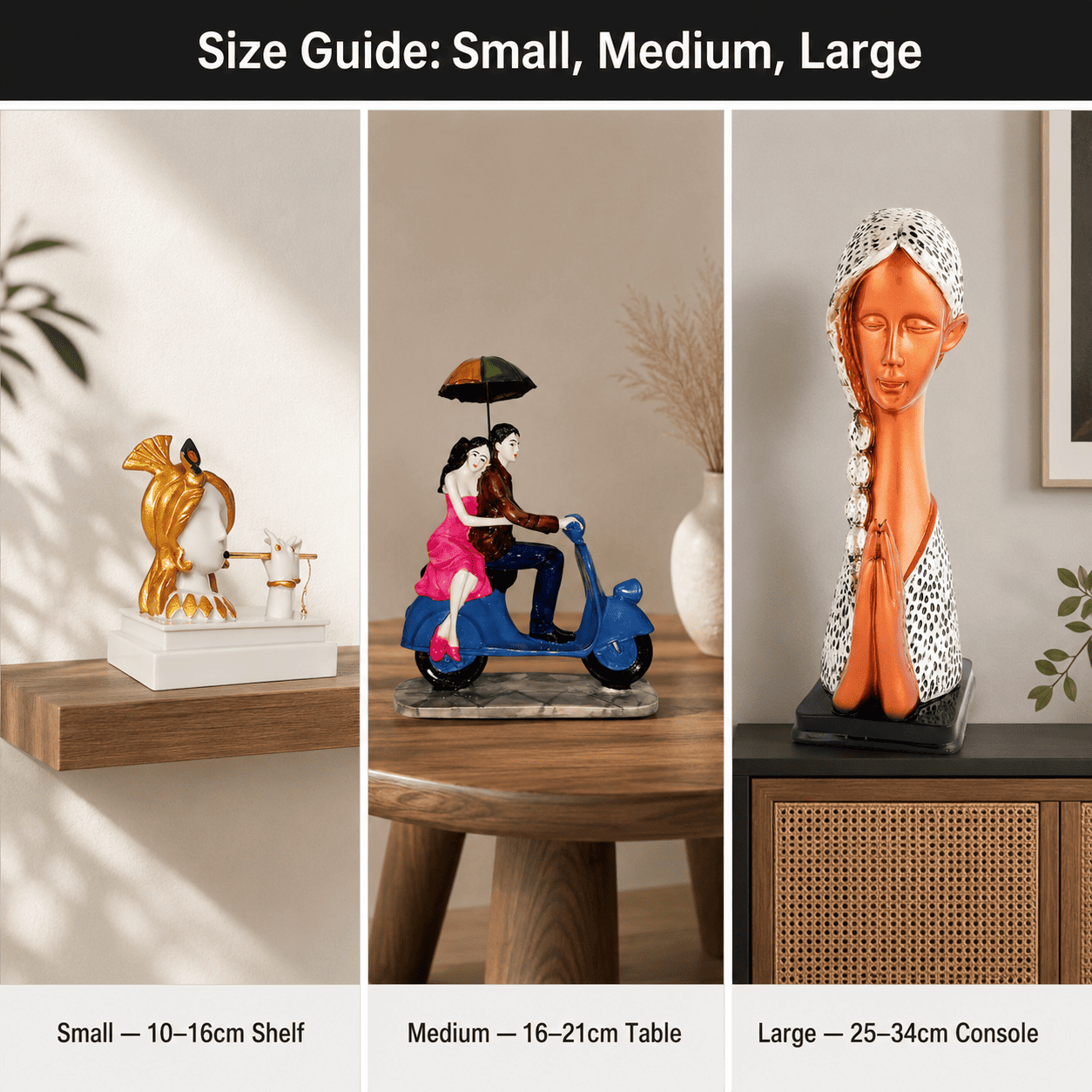
| Sub-100 sq ft | Floating shelf / study desk | 10–16 cm (Small) | 150–250 g |
| 101–150 sq ft | Coffee table / entry console | 16–21 cm (Medium) | 250–400 g |
| 151+ sq ft | Living room console / floor corner | 25–34 cm (Large) | 400–600 g |
Because finish (matte vs glazed), material (ceramic vs resin), and palette introduce additional variables beyond size alone, browse the full size, finish, and material selection in Moolwan's modern home décor collection to match a piece to your exact surface dimensions.
Design Rule
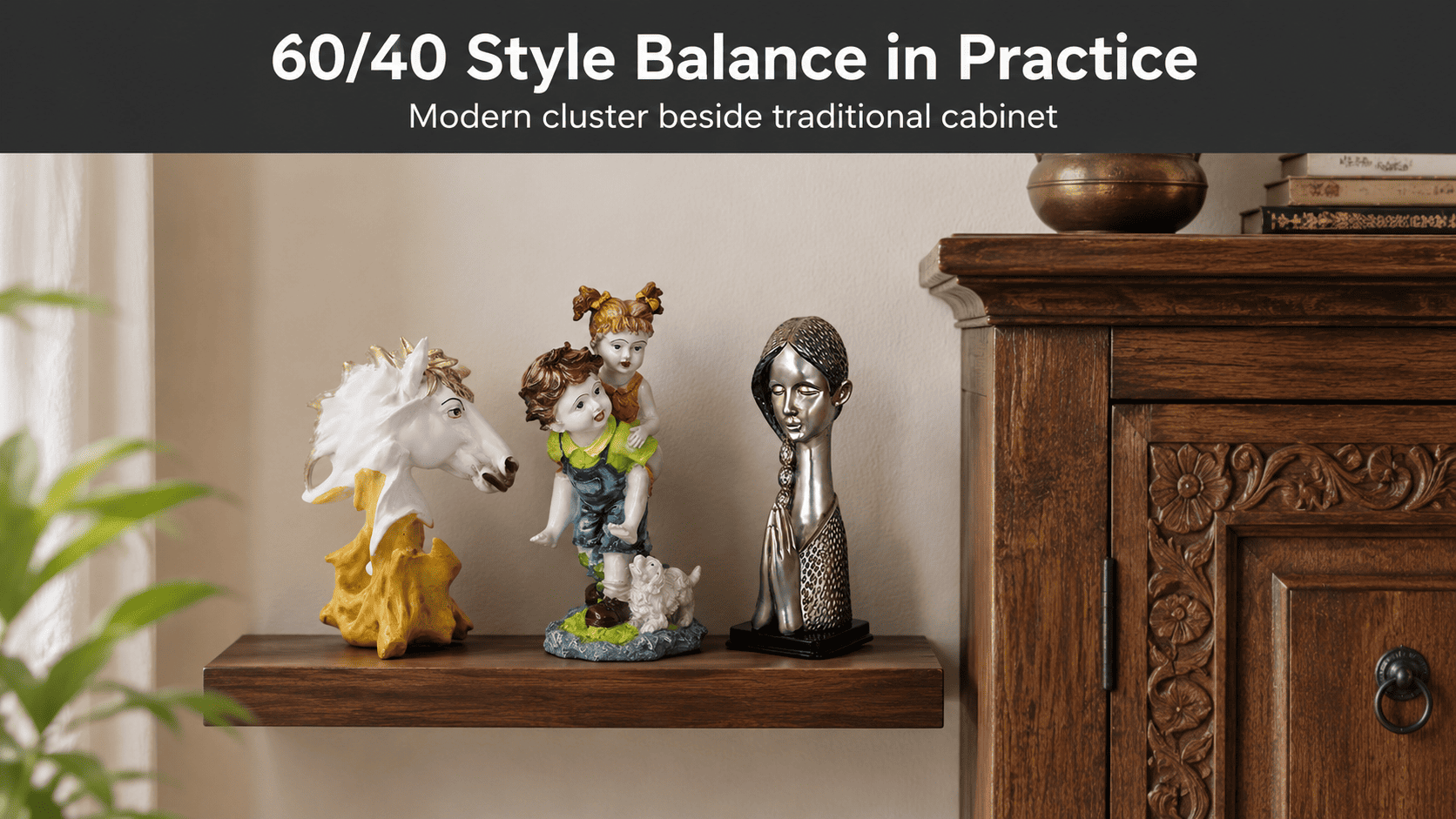
When mixing the two aesthetics in one Indian home, follow Moolwan's 60/40 Style Balance Rule: keep one style dominant across at least 60% of a room's visible décor objects, and limit the contrasting style to no more than 40%, because crossing that ratio forces the eye to recategorize the room's style on every glance instead of resting on a single read.
How Do You Choose Between the Two Styles for a Specific Room?
The choice should follow the room's function, not personal taste alone, because rooms with high foot traffic and frequent guest use tolerate visual density better than rooms used for daily rest.
Living rooms and dining areas — spaces where guests sit and look around for extended periods — can absorb the layered detail of traditional decor without feeling chaotic, since attention is naturally distributed across multiple people and conversation points rather than fixed on one object. Bedrooms and study spaces, by contrast, are viewed in short, repeated glances throughout the day, which is exactly the viewing pattern that benefits from the lower visual load of modern decor's negative space.
This is also where the ROI case for modern decor's material specification becomes relevant: investing in a single climate-rated matte ceramic or resin showpiece per surface, rather than five smaller ornamental pieces, means fewer individual items can be damaged, dusted, or replaced — a lower long-term maintenance cost that is part of Moolwan's broader climate-rated design philosophy.
Want a piece that anchors a room without competing with whatever style you already have? Shop the full Moolwan modern home décor collection now.
Can Modern and Traditional Decor Be Combined in the Same Room?
Yes, and most Indian homes already do this by necessity, because heirloom traditional pieces and newly bought modern décor frequently end up sharing the same console or shelf.
The combination works when one style anchors the room's larger furniture and finishes (the sofa, the wall colour, the flooring) while the other is introduced only through smaller, swappable décor objects — this keeps the 60/40 ratio described above intact without requiring a full renovation. A neutral matte modern accent placed beside a traditional brass or wood piece reads as deliberate contrast rather than mismatch, because the matte surface absorbs light while the traditional finish typically reflects it, giving the eye a clear visual hierarchy instead of competing textures at the same brightness level.
Frequently Asked Questions
Is modern decor cheaper than traditional decor?
Not inherently — cost is driven by material and manufacturing process, not style. A high-fired ceramic modern showpiece and a heavily detailed traditional piece can cost the same to produce; Moolwan prices its modern home décor collection by material and size band rather than by how minimal the design looks.
What size showpiece works best for a small Indian living room?
For rooms under 150 sq ft, a medium piece between 16–21 cm tall suits a coffee table or entry console, because anything smaller tends to visually disappear at normal seating distance, while anything larger than 21 cm starts to compete with the room's existing furniture scale.
Does humidity affect traditional decor materials more than modern decor materials?
It depends on the specific material rather than the style label — unsealed wood and certain metals used in traditional pieces can be more humidity-sensitive than high-fired ceramic or cured resin, both of which Moolwan tests to 60–85% RH tolerance bands depending on the material.
Can I return a piece if the style doesn't match my room once it arrives?
Yes — Moolwan accepts returns within 24 hours of delivery if the item is unused and in its original packaging, subject to a 10% restocking fee, with refunds processed within 15 working days.
Because replacing decor every few years to chase a trend costs more over a decade than buying one climate-rated piece upfront, choosing a matte ceramic or cured-resin accent built for Indian humidity is the lower-cost decision over a 5-year horizon. Ready to choose? Bring home a curated piece from the Moolwan modern home décor collection — manufacturer-direct, climate-rated, and made for Indian homes. If you'd rather start with a single statement piece, also consider Moolwan's wider showpiece collection for smaller surfaces, or its statue collection for a more traditional focal point.


