
Cart
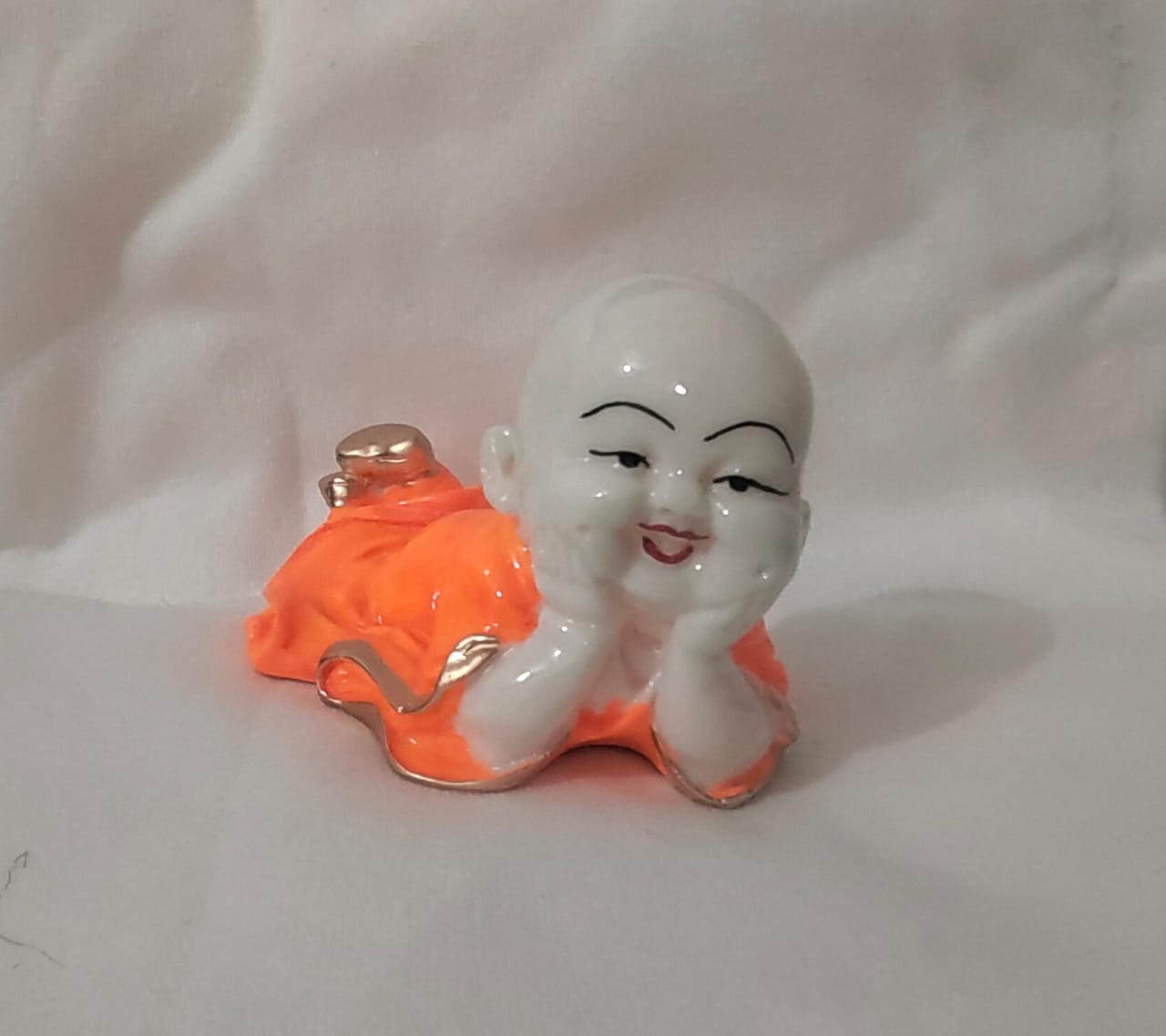
Ever walked into a room and just felt right? That's no accident, my friend—that's good Feng Shui working its invisible magic! This ancient Chinese practice isn't just for meditation gurus or your crystal-collecting cousin. It's a practical way to transform your living room from a chaotic dumping ground for Amazon packages into a serene sanctuary that practically gives you a hug when you walk in. Think of Feng Shui as your home's energy makeover—minus the reality TV drama. Ready to turn your living room into the zen palace you deserve? Let's get those good vibes flowing faster than your coffee on Monday morning! Add some curated energy boosters like Stunning Baby Monk Statue for Feng Shui Inspired Living Room Charm, perfect for accentuating peace and mindfulness that harmonize a chill-out vibe.
Feng Shui (pronounced "fung shway" – not "feng shoo-ee" as I embarrassingly called it for years) literally translates to "wind and water." It's the ancient Chinese art of arranging your space to create harmony and balance with the natural world. Think of it as the original home makeover show, just with 3,000+ years of history behind it! Instead of just making things look pretty, Feng Shui focuses on how energy (or "chi") flows through your home. It's like giving your living room a spiritual traffic pattern that invites good fortune while showing bad vibes the door. And who couldn't use a little more luck between their couch cushions? One delightful way to infuse joyful energy is by including a Cheerfully Radiant Laughing Buddha Gift for Living Room Positivity, a symbol revered for attracting happiness and abundance.
Before we start moving furniture around like it's a game of life-sized Tetris, let's cover the basics. Feng Shui operates on the belief that everything—yes, even that questionable impulse-buy lamp—has energy. Your mission is to arrange these elements so they play nicely together. The five elements to juggle are wood, fire, earth, metal, and water (Captain Planet fans, rejoice!). Each element brings different vibes: wood for growth, fire for passion, earth for stability, metal for clarity, and water for wisdom. The trick isn't cramming all five into your living room like you're building Noah's ark, but finding the right balance. Too much fire without water? You've got yourself a room that feels more "anxious coffee addict" than "zen master." Include grounding tones with an Earth-Toned Large Ceramic Buddha Idol for Balanced Feng Shui Energy that visually and spiritually anchors your space.
Let's face it—that pile of magazines you're "definitely going to read someday" is blocking more than just your coffee table. It's blocking your good chi, friend! In Feng Shui, clutter is like a roadblock for positive energy. Imagine trying to dance through your living room—if you're tripping over stuff, energy is doing the same awkward stumble. Start by being ruthless with the things that don't spark joy (thanks, Marie Kondo!). That broken umbrella you've been meaning to fix since 2019? It's time to say goodbye. Your ex's sweatshirt that's somehow still in your blanket basket? Donate it faster than you can say "bad relationship energy." Remember: in Feng Shui, less stuff means more room for good vibes! Elevate your minimalism game with a Space-Saving Buddha Statue for Small Shelf Feng Shui Accents, perfect for decluttered corners.
In Feng Shui, the "command position" isn't just for corporate ladder-climbers—it's for your furniture too! Your couch should be the CEO of your living room, positioned where you can see the door but aren't directly in line with it. This arrangement gives you a subconscious sense of security (no one can sneak up on you) while also allowing you to "command" the room. Think of it as giving your sofa a promotion to "Director of Relaxation." Avoid placing your couch with its back to the door (unless you enjoy that creepy feeling someone's watching you), and try not to position it where people might walk directly behind it. This creates what Feng Shui experts call the "guillotine effect"—and trust me, no one needs that kind of negative imagery while trying to binge-watch their favorite show! Add visual calm to your couch zone with an Elegant Reclining Sleeping Buddha Statue for Feng Shui Relaxation Corners.
Mirrors in Feng Shui are like the Swiss Army knives of decorating—they're multi-purpose miracle workers! They can double the light in a dark room, visually expand a cramped space, and even multiply your good fortune. But beware—a poorly placed mirror can also double your troubles faster than you can say "bad hair day." Avoid placing mirrors where they reflect clutter (unless you want twice the mess), bedroom doors (which can disturb sleep), or directly across from the front door (which can bounce good energy right back out). The sweet spot? Position mirrors to reflect beautiful views, natural light, or abundance symbols. And please, for the love of chi, fix any cracked mirrors—they're said to fracture your energy and possibly your luck. Seven years of bad hair days? No thanks! Complete this illusion of light with a Vibrant Multicolor Buddha Statue for Energizing Living Room Feng Shui Decor near mirrors to echo positive imagery.
In the Feng Shui color wheel, it's not just about what looks Instagram-worthy—it's about how colors make you feel! Each shade brings different energy to your living room party. Need more calm? Cool blues and greens are your best friends. Craving more passion and excitement? Red and orange will spice things up faster than your hot neighbor moving in next door. Earth tones like beige and brown create stability (perfect if your life currently feels like a reality TV show), while whites and creams promote clarity (helpful when you can't find the remote... again). Yellow brings cheerful energy that's perfect for gloomy corners. The key is balance—a completely red living room might look fabulous but could have you feeling more "rage room" than "relaxation station." Mix it up with a neutral base and strategic pops of color! Enhance these mood lifts with Garden-Ready Colorful Buddha Accents for Feng Shui Living Room Balance.
If your plant-killing skills are legendary, here's your redemption arc: Feng Shui loves live plants! They purify air, add the vital wood element, and literally bring life force into your space. Round-leaf plants like jade, rubber plants, or peace lilies are particularly auspicious (and surprisingly hard to kill). Avoid spiky, thorny plants inside—according to Feng Shui, they send out aggressive energy, like that one friend who always turns brunch into a complaint session. Not ready for plant parenthood? Fake plants used to be Feng Shui faux pas, but modern practitioners have softened their stance. A high-quality silk plant is better than dead sticks in a pot (which basically scream "failure" in Feng Shui terms). Just dust them regularly—nothing says "stagnant energy" like a fake fern covered in last year's dust bunnies! Complement them with an Artistic Buddha Wall Decor for Feng Shui-Inspired Botanical Harmony.
In Feng Shui, lighting isn't just practical—it's powerful! Dim, shadowy corners are basically chi vacuums, sucking good energy into black holes. Bright, natural light, on the other hand, invites positivity faster than free pizza at an office party. Aim for layers of light: ambient (overall room brightness), task (for reading or activities), and accent (to highlight art or features). Natural light reigns supreme, so keep those windows clean and curtains open during daylight hours. For evenings, salt lamps and candles add warm, flowing energy—just don't burn that pumpkin spice candle year-round (seasonal energy matters too!). And please, replace those flickering bulbs—they create erratic energy that's like trying to meditate while someone repeatedly pokes you. Not exactly zen! Add a focal glow centerpiece with a Charming Glazed Buddha Statue for Illuminated Living Room Feng Shui.
In Feng Shui, what you display isn't just decor—it's like setting intention flags for the universe! Pictures of sad, lonely people? They're basically "more gloom please" requests. Instead, surround yourself with images and objects that represent what you want more of. Seeking romance? Pairs of items send a "we belong together" vibe. Craving prosperity? Bowls of oranges or coins whisper "abundance" to the universe. Want more tranquility? Water features like small fountains create soothing energy flow (bonus: they drown out your neighbor's questionable music choices). The key is authenticity—choose items you genuinely love, not just what TikTok says is Feng Shui-approved. Your personal connection to objects amplifies their energy. That hideous vase your favorite grandma gave you? Its sentimental value makes it more powerful than the trendiest store-bought crystal! Try a Large Buddha Head Statue as a Feng Shui Symbol of Serenity to magnetize harmony.
Remember those five elements we mentioned? Getting them to play nicely together is like hosting the perfect dinner party—everyone should contribute without any single guest dominating. Wood brings growth (plants, wooden furniture), fire adds passion (candles, lighting, electronics), earth creates stability (ceramics, crystals, square shapes), metal adds precision (metal accents, round objects), and water brings wisdom (glass, mirrors, flowing shapes). If your living room feels chaotic, you might have element overload. Too many electronics? That's fire element on steroids. Nothing but heavy wooden furniture? You're wood-heavy, my friend. The fix is simple—introduce elements you're missing. A metal bowl, a blue throw pillow (water), or a triangular shelf (fire) might be all you need to restore balance faster than a yoga instructor after their morning meditation! Integrate wisely with a Stylized Meditating Buddha Statue as Your Feng Shui Elemental Anchor.
Even with the best intentions, some living room setups are Feng Shui nightmares. Beams over seating areas? They're literally "pressing down" on you energetically (fix with hanging plants or fabric to visually lift the space). Sharp corners pointing at seating (called "poison arrows")? They shoot negative energy like tiny invisible darts (soften with plants or fabric). Oversized furniture in tiny rooms? It's energetically suffocating (like wearing pants two sizes too small—uncomfortable!). Too many electronics? They create buzzing "yang" energy that disturbs relaxation. The biggest no-no? A front door that opens directly into your living room without a transitional space, causing good fortune to rush straight through without stopping to visit. The fix? Create a visual "pause point" with a screen, plant, or rug that energetically says "wait—good stuff happens here!" Try a focal piece like Bold Large Resin Buddha Statue for Feng Shui Decor Drama to reframe your energy entry point.
Decorating your home with Feng Shui principles is like creating a personal energy map! Start by decluttering thoroughly—this creates space for new energy. Arrange furniture to allow easy movement, positioning key pieces (like sofas) in command positions facing the door but not directly in line with it. Balance the five elements—wood, fire, earth, metal, and water—through colors, materials, and shapes. Incorporate living plants for vibrant energy, use mirrors strategically to expand space and light, and choose artwork that evokes positive feelings. Layer your lighting for balanced energy, and maintain clean windows for maximum natural light. Remember, personal connection matters—surround yourself with items you genuinely love rather than following rigid rules!
The 3-5-7 rule in Feng Shui is a clever decorating hack for creating visually pleasing, energetically balanced arrangements! It suggests grouping decorative items in odd numbers—specifically 3, 5, or 7 objects—which creates more dynamic, harmonious energy than even-numbered groupings. For example, arrange 3 candles of varying heights on your mantel, display 5 family photos in complementary frames, or create a vignette of 7 small plants. This rule prevents spaces from looking too symmetrical or static, allowing energy to flow more naturally. It's especially effective for coffee table styling, bookshelf arrangements, and wall galleries. Think of it as creating little energy dance parties throughout your living room—odd numbers just have more fun!
To arrange your living room for maximum good luck, start with the commanding position—place your sofa against a solid wall where you can see the entrance without being directly in line with it. Keep pathways clear for smooth energy flow, like a red carpet for good fortune! Position your furniture in conversational arrangements to promote connection and harmony. Include something round in your decor (representing continuous good luck) and incorporate water elements like a small fountain or fish tank in the north or east areas to attract prosperity. Add pairs of items (like matching lamps) to reinforce harmonious relationships. Most importantly, keep your space clean and clutter-free—especially the southeast corner, which is associated with wealth in Feng Shui. A well-maintained, thoughtfully arranged living room basically sends an invitation to Lady Luck!
The luckiest living room color isn't one-size-fits-all—it depends on your room's direction and what kind of luck you're seeking! For general good fortune, earth tones like yellow, beige, and terra cotta create a stable foundation for positive energy. South-facing rooms thrive with reds and purples for recognition and success. East or southeast rooms benefit from greens and browns to nurture health and wealth. West rooms feel harmonious with whites and metallics for creativity and children's happiness. North rooms attract career advancement with blues and blacks. If you're seeking balanced luck across all life areas, combine neutral beiges or creams with strategic accent colors. Remember, the luckiest color is ultimately one that makes YOU feel good—your personal energy response matters most in creating fortunate spaces!
Looking to give your wallet a Feng Shui boost? Purple is considered the ultimate wealth magnet—it combines the stability of blue with the fiery energy of red, creating powerful prosperity vibrations! Gold and yellow also strongly attract abundance, symbolizing gold and sunshine. Green connects with growth and renewal (like your bank account!), while red activates energy and can stimulate financial activity. For subtler money magnetism, try metallic accents in gold, silver, or copper. The southeast corner of your living room is particularly receptive to these money-drawing colors. Try incorporating them in throw pillows, artwork, or decorative objects rather than painting entire walls—too much of any prosperity color can backfire by creating imbalance. The real secret? Use these colors mindfully while maintaining an organized, clutter-free space—because money flows where energy flows freely!
In Feng Shui, it's less about "bad" colors and more about poor placement or overuse! That said, some combinations can create challenging energy. Avoid excessive black in family or living spaces—while elegant, too much creates heavy, absorbing energy that can feel depressing. Pure white walls throughout create too much yang energy and can feel cold without warming accents. Fiery red is powerful but overwhelming as a main color—it's better as an accent to prevent agitation. Extremely dark browns can feel stagnant in large amounts. Muddy, undefined colors that feel "neither here nor there" create confused energy. The biggest color mistake? Choosing trendy shades you personally dislike just because they're "Feng Shui approved." Your negative reaction creates worse energy than any "wrong" color! Instead, select colors you love in appropriate areas—your personal connection enhances positive energy more than rigid color rules.


