
Cart
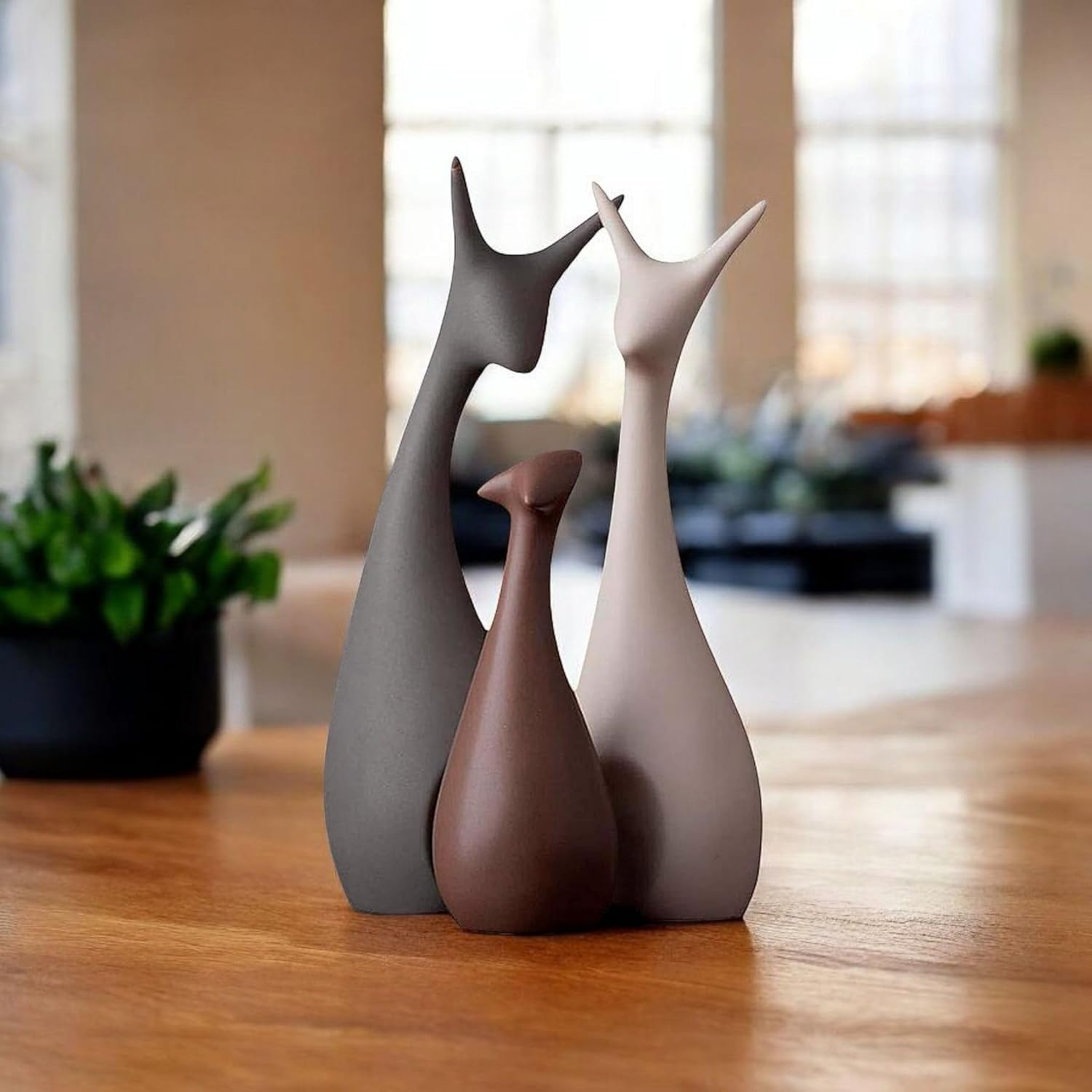
Picture this: the clean, minimalist lines of Stockholm cozying up with the vibrant textiles of Jaipur. Sounds like an interior design match made in heaven, right? Scandinavian design, with its light-filled spaces and functional simplicity, might seem worlds apart from India's rich, color-drenched aesthetic—but when these two distinct styles tango together, magic happens! It's like pairing vanilla ice cream with spicy mango chutney—surprisingly delicious and wildly exciting. This fusion isn't just about throwing a Madhubani painting onto a white wall; it's about thoughtfully blending two rich design traditions to create spaces that feel both serene and soulful, minimal yet meaningful.
You can elevate this blend further by introducing Artistic Wall Hangings to fuse Scandinavian calm with Indian tradition, transforming any plain wall into a celebration of cultures while keeping it cozy and chic.
Scandinavian design loves a good white wall—it's basically their design love language. Think of these pristine surfaces as your blank canvas, just begging for some Indian drama! Start with those classic Scandi white or light gray walls, but then add pops of Indian brilliance through carefully chosen accents. Maybe it's that electric blue peacock figurine that becomes your coffee table's conversation starter, or those marigold-colored cushions that somehow make your minimalist sofa look even cooler. It's like wearing a crisp white shirt with statement jewelry—the basics let the special pieces shine!
Take it a step further using a Small Decorative Showpiece for tables to enrich Scandinavian minimalism with Indian flair, giving your accents purpose while maintaining clean lines.
Scandinavian design worships at the altar of pale wood—birch, ash, pine—while traditional Indian decor flaunts rich metallic accents, particularly brass. Instead of choosing sides in this material matchup, embrace both! Picture a sleek Scandinavian-style dining table paired with traditional Indian brass water glasses. Or try a pale wood platform bed adorned with intricate brass wall hangings above. The contrast between the matte, humble wood and the gleaming, celebratory metal creates a balance that's visually irresistible.
Now imagine placing a Modern design resin statue to bridge wooden minimalism with brass grandeur on your dining sideboard—suddenly, the space feels timeless and globally inspired.
If Scandinavian textiles are like soft jazz, Indian fabrics are a full-on Bollywood dance number. Why not let them dance together? Layer a subtle gray Swedish throw over a chair that's upholstered in jewel-toned Indian silk. Or place delicately embroidered Indian cushions on a minimalist Scandinavian sofa. The magic happens in the mix—those intricate paisley patterns and mirror-work embroideries actually look even more spectacular against the quiet backdrop of Scandinavian simplicity.
Complete this pairing with a Medium-sized Ceramic vase reflecting Nordic subtlety with Indian pattern pops, perfect for placing on a corner table or shelf.
Scandinavians know a thing or two about creating ambiance through lighting (they did invent hygge, after all), and Indians celebrate the Festival of Lights! Combine the clean-lined, thoughtfully designed Scandinavian pendant lamps with the warm glow of Indian diyas and ornate lanterns. Imagine a simple white Scandinavian floor lamp casting light on a collection of brass Indian oil lamps, or sleek recessed lighting illuminating a wall of colorful glass bangles arranged as art.
You can add impact using an Antique-finish Resin Showpiece to complement Diwali warmth and Scandi elegance—place it below your light sources for a mesmerizing reflection.
Traditional Scandinavian design embraces a palette that makes oatmeal look exciting—whites, grays, blacks, and maybe a blue if someone's feeling wild. Indian design, on the other hand, never met a color it didn't want to invite to the party. The secret to successful Scandi-Indian fusion is finding the sweet spot between calming neutrals and energetic brights. Try anchoring rooms with the Scandinavian base palette, then introducing Indian jewel tones as thoughtful accents.
Add in a Tall Decorative Showpiece for corner drama with both brightness and texture, blending vibrant Indian color with Scandi form in unused nooks.
Scandinavian furniture is famous for its clean lines, functionality, and "please sit on me" comfort. Indian pieces often feature intricate carving, bold statements, and "please admire me" beauty. When combining these styles, aim for a thoughtful mix rather than a random hodgepodge. Perhaps your living room centers around a streamlined Scandinavian sofa, but instead of the expected coffee table, you opt for a converted Indian trunk with brass details.
Such set-ups shine brighter with Resin Abstract Showpieces that contrast function with unique flair, placed strategically atop minimalist surfaces.
Scandinavian spaces embody the "less is more" philosophy, while traditional Indian homes often celebrate the "more is more magnificent" approach. The sweet spot? "Mindful more"—being intentional about what you include. Select Indian pieces that can shine as focal points rather than creating a sensory overload.
That refinement is easy to achieve with Lightweight small showpieces that balance Scandi simplicity with Indian charm, perfect for display on shelves or kitchen corners.
Both design traditions value connecting with nature, just in different ways. Scandinavian interiors often feature lots of houseplants in simple pots, while Indian design might incorporate nature through floral patterns and organic materials. Combine these approaches by displaying traditional Indian planters filled with the sculptural plants beloved in Scandinavian design.
Consider decorating with a Resin Urli Planter combining Indian heritage with Scandi plant styling, accenting your green zone in beautiful fusion.
Scandinavians typically favor simple, graphic art displayed with plenty of breathing room. Indian art traditions offer rich storytelling through detailed paintings, intricate crafts, and symbolic objects. Create a fusion gallery wall by giving traditional Indian art pieces the Scandinavian treatment—clean frames, thoughtful spacing, and a cohesive arrangement.
Add more character to your display using Ceramic Art Decor items for a curated blend of Indian finesse and Nordic clarity, perfect for TV units or display shelves.
Both design traditions have eco-friendly aspects worth celebrating: Scandinavian design with its emphasis on natural materials and longevity, and Indian crafts with their handmade processes and upcycling traditions. Embrace these sustainable elements by seeking out hand-loomed Indian textiles made with natural dyes.
For greener aesthetics, use Eco-friendly Wall Hangings that celebrate Indian art with Scandi practicality, responsibly sourced yet visually impactful.
Scandinavians have "hygge"—that untranslatable concept of coziness and contentment. Indians have "adda"—the tradition of gathering for relaxed, friendly conversation. Both cultures value creating spaces for connection and comfort, just with different aesthetics.
Design a corner with a Matte finish resin corner piece to set a cozy and conversational tone, pairing beautifully with cushions and low lighting for maximum charm.
The 3-5-7 rule is your home's magic number formula! It suggests using 3 main colors for large areas (like walls and major furniture), 5 color accents for medium elements (like curtains or accent chairs), and 7 colors for small accessories and details. In Scandi-Indian fusion, this might mean white walls and light wood flooring (part of your 3), jewel-toned rugs and metallic accents (among your 5), and colorful Indian trinkets in various complementary hues (your 7). It's like making the perfect curry—you need base ingredients, main spices, and those final flavor enhancers!
Scandinavian design loves to keep it simple! The main rules include: embracing natural light (windows are your best friends); keeping a clean, neutral color palette (whites, grays, and natural wood tones); choosing functional furniture with clean lines; incorporating natural materials like wood and wool; maintaining clutter-free spaces (storage is crucial); adding texture through textiles; bringing in plants for life and color; and creating hygge (coziness) through soft lighting and comfortable arrangements. Think of it as the yoga of interior design—disciplined, minimal, but ultimately relaxing and good for your wellbeing!
The 70/30 rule is about creating balanced visual interest! It suggests using 70% of a dominant style or color and 30% accent or contrasting elements. In our Scandi-Indian fusion, this might mean a room that's 70% Scandinavian (clean lines, neutral palette, minimalist approach) with 30% Indian elements (vibrant accents, ornate details, rich textures). It's like making a great outfit—your classic pieces form the base while your statement accessories bring the personality. This balance ensures spaces feel cohesive rather than chaotic while still maintaining visual intrigue.
The 2/3 rule helps create perfect proportions! It suggests that decorative elements should take up about 2/3 of the space they're meant to fill. For example, your sofa should be about 2/3 the length of your wall, or your coffee table around 2/3 the length of your sofa. In Scandi-Indian fusion, this might mean your statement Indian tapestry covers about 2/3 of the wall, not the entire space. It's like getting the perfect haircut—not too long, not too short, just right! This rule creates visual breathing room that's especially important when combining two distinct styles.
The 60-30-10 rule is your color distribution secret weapon! It suggests using 60% of a dominant color (usually neutral), 30% of a secondary color, and 10% of an accent color. In Scandi-Indian fusion, this might translate to 60% white/neutral (walls, ceiling, larger furniture), 30% natural wood tones (flooring, furniture frames), and 10% vibrant Indian jewel tones (accessories, art, textiles). It's like making the perfect sandwich—you need more bread than filling, and just the right amount of special sauce! This distribution creates harmonious spaces that don't overwhelm the senses.
The 3 F's—Function, Form, and Feeling—are the holy trinity of great design! Function addresses how the space works (Is it practical? Does it serve its purpose?). Form considers the aesthetic aspects (How does it look? What's the style?). Feeling captures the emotional response (How does the space make you feel? Is it inviting?). In Scandi-Indian fusion, function might come from Scandinavian pragmatic layouts, form from the beautiful blend of both traditions, and feeling from the warmth of Indian elements combined with Scandinavian coziness. It's like a great relationship—it needs to work practically, look good together, and make you feel wonderful every day!


