
Cart
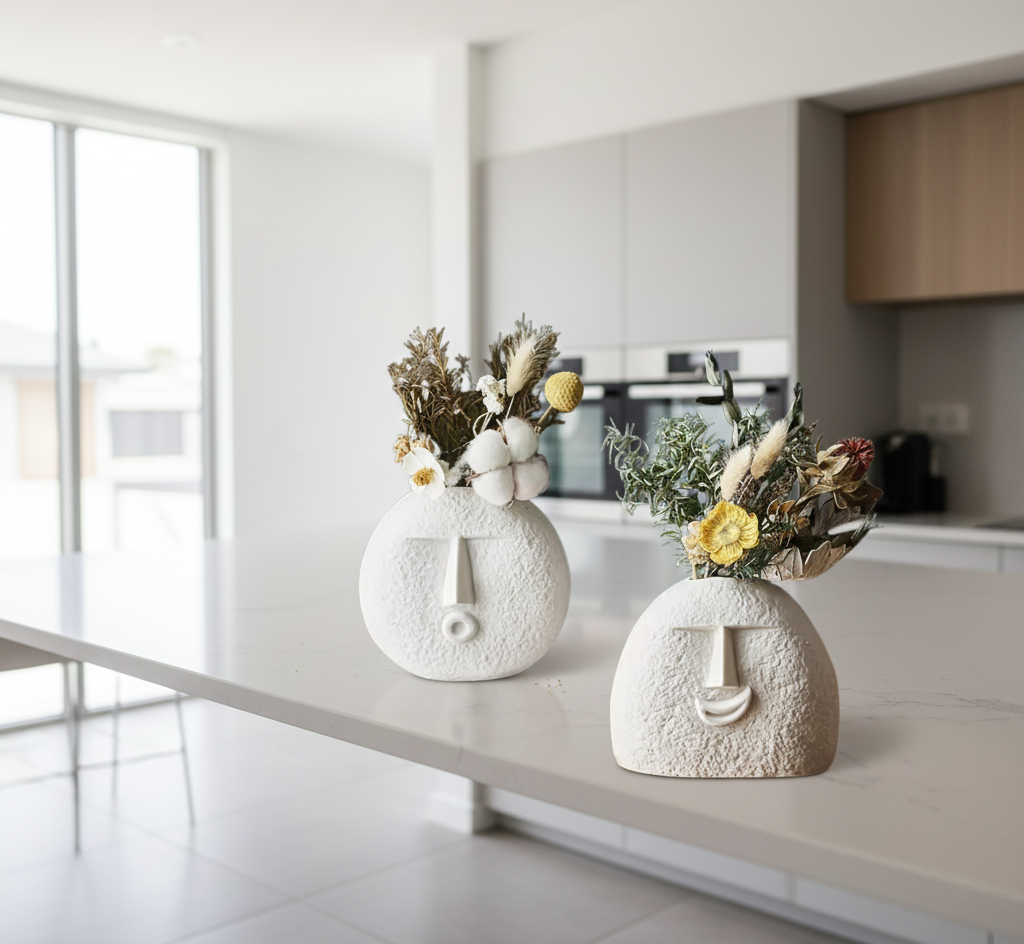
Welcome to the home décor revolution that's sweeping through Indian homes faster than your mom can say "take your shoes off at the door!" Modern Indian interiors are getting a dreamy makeover with soft abstract influences that'll make your space feel like a warm hug after a long day. Think gentle curves, muted palettes, and just enough traditional flair to make your grandmother nod in approval. It's like your home is wearing yoga pants – comfortable, stylish, and totally zen-inducing. Ready to transform your space into a soft abstract sanctuary with an Indian soul? Let's dive into this gorgeous blend that's neither too "live, laugh, love" nor too "museum don't touch anything." Explore the look further with a Soft Abstract Artistic Wall Hanging for Modern Indian Homes.

Gone are the days when Indian homes had to choose between vibrant marigold yellows or clinical whites. The soft abstract influence brings us delicious in-betweens – think turmeric infused into cream, diluted indigo blues, and soft terracotta that reminds you of pottery your aunt brought back from Jaipur. These colors don't scream for attention; they whisper sweet nothings to your senses. Try painting an accent wall in a muted clay tone or adding cushions in watercolor-esque patterns that look like someone painted them while meditating. Even better, introduce a Ceramic Vase in Subtle Hues as Soft Abstract Accent Decor that holds its own without being loud, great for medium-sized display tables.

Traditional Indian furniture often featured intricate carvings that collected dust with impressive efficiency. Modern soft abstract influence brings us curves without the complications – think low-profile sofas with gentle slopes, round coffee tables that won't attack your shins, and ottomans that look like they're melting (in the best way possible). Mix a clean-lined contemporary sofa with a traditional Indian daybed that's been updated with minimalist cushions. Want extra charm? Place a Minimalist Resin Showpiece on Coffee Table for Modern Indian Blend to subtly anchor the curvy aesthetic.

Let's face it – Indians know textiles like bees know honey. The beautiful twist? We're now seeing traditional fabrics reimagined through an abstract lens. Imagine Banarasi silk with subtly blurred patterns, ikats that look like they've been gently diffused, or block prints that appear to float dreamily across fabrics. Drape a soft abstract-patterned throw over your grandmother's antique wooden chair, or layer a hand-painted cotton dhurrie under a simple glass coffee table. Complement this with a Small Abstract Ceramic Statue on Shelf to Bridge Modern and Traditional as a finishing textile-inspired touch.
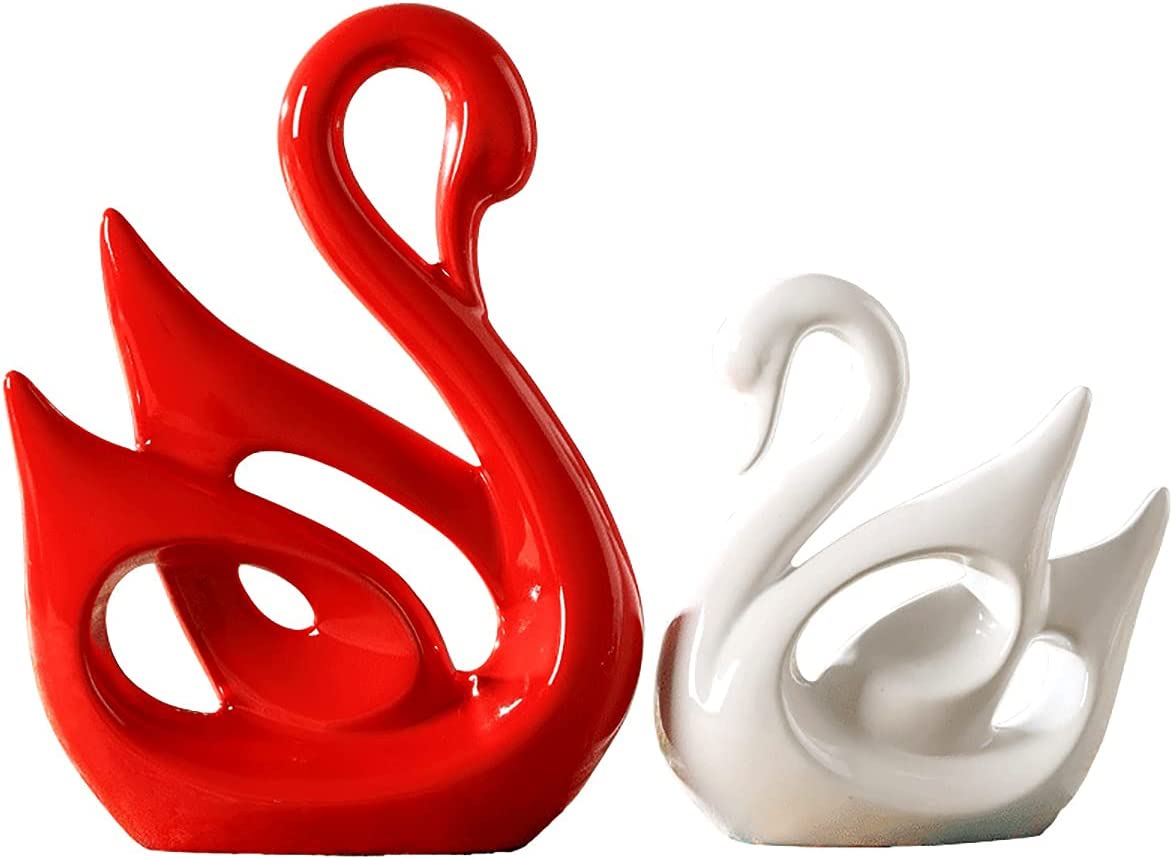
Traditional Indian walls often featured either religious iconography or family photos in frames heavy enough to cause concussions. The soft abstract influence encourages art that evokes rather than depicts – think gentle brushstrokes suggesting a lotus rather than a detailed painting of one. Watercolor pieces with just a hint of gold leaf, abstract renditions of traditional motifs, or even framed pieces of vintage textiles can transform your walls. Complement them with a Resin Abstract Wall Hanging for Subtle Indian Aesthetic that ties the room together with artistic elegance.
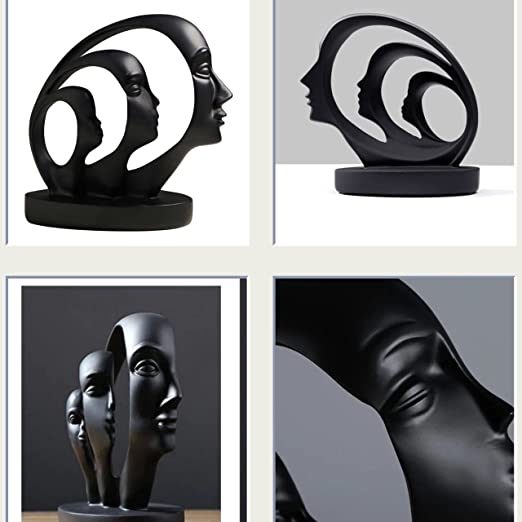
Forget harsh overhead lights that make everyone look like they're in an interrogation room. Modern Indian homes influenced by soft abstracts embrace layered lighting that creates atmosphere. Reimagine traditional brass lamps with simpler lines and softer shades, or try paper lanterns with subtle block-printed patterns. The magic happens in the diffused glow – place lights at different heights to create pools of warmth rather than uniform brightness. Pair this with an Art Decoration Showpiece in Glazed Resin to Radiate Warm Elegance and embrace both tradition and light.
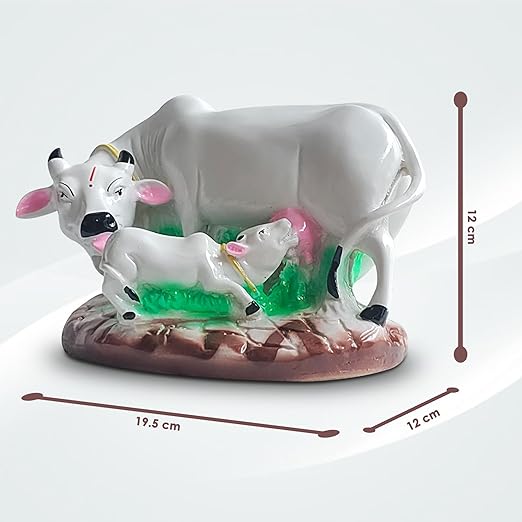
The pooja room or spiritual corner gets a gentle makeover in this aesthetic. Instead of elaborate setups, think simplified altars with clean lines, a single beautiful abstract painting as a backdrop, or even floating shelves that display meaningful items alongside a simple diya. The spiritual essence remains intact while the visual language becomes more contemplative and less ceremonial. Use a Tall Abstract Statue in Corner for Modern Indian Pooja Area as your central piece to balance serenity and structure.

Plants have always been welcome in Indian homes, but the soft abstract influence takes them from mere decoration to living sculptures. Consider plants with naturally abstract qualities – the gentle curves of a snake plant, the watercolor-like patterns on a calathea leaf, or the geometric perfection of a succulent. Place them in simple terracotta pots painted in ombré effects or minimal ceramic planters with just a touch of gold. Better yet, complement foliage with a Resin Color Swirl Planter for Artistic Indian Homes placed on a bathroom or kitchen shelf for dramatic yet subtle life.

Every Indian home has treasured items – perhaps grandmother's brass vessels or father's collection of vintage stamps. Rather than hiding these away, the soft abstract influence encourages displaying them with intentional simplicity. A single antique brass pot against a clean white wall, old family photos rearranged in a geometric pattern, or traditional artifacts displayed on minimalist shelves. Elevate this storytelling by placing a Subtle Abstract Home Decor Accent for Heritage Display Shelf like a small ceramic memento piece right near those memories.
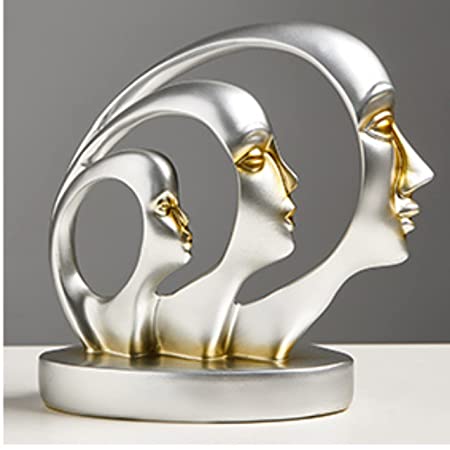
The often-neglected element of home décor – scent – gets its due in this aesthetic. Moving away from heavy incense that announces itself three blocks away, soft abstract-influenced homes embrace subtler fragrances – rosewater diffusers, subtle sandalwood notes, or fresh jasmine in simple glass bowls. Try placing these near a Modern Abstract Figurine for Home Fragrance Display Area to unify visual lightness with aromatic subtleties.

Indian homes traditionally loved their patterned floors – from rangoli designs to intricate tiles. The soft abstract influence keeps this love of pattern but dials down the complexity. Think tone-on-tone designs in floor cushions, subtle geometric patterns in area rugs, or terrazzo tiles with sparse, floating elements. Add a Medium Ceramic Showpiece as Floor Accent in Abstract Indian Decor as a grounding display piece that echoes the design's calm coherence.

Perhaps the most revolutionary aspect of the soft abstract influence on Indian homes is the embrace of negative space – the art of leaving areas intentionally empty. Traditionally, Indian décor tended to fill spaces (horror vacui, as design nerds call it), but this new aesthetic finds beauty in restraint. A wall with a single beautiful painting, a corner with just one perfect chair, a shelf displaying three carefully chosen items instead of twenty. Round it off with a Large Abstract Showpiece as Room Anchor for Negative Space Rhythm to let emptiness elevate every presence.

The beauty of this soft abstract-meets-Indian-tradition style is that it's deeply personal. There's no formula – just a gentle approach that honors heritage while embracing contemporary simplicity. It's about finding pieces that speak to you, creating vignettes that tell your story, and crafting a space that feels both rooted and free. Like a well-written poem, your home should evoke feelings rather than explain them. And remember – homes, like the people who live in them, are always evolving. So keep it fluid, keep it joyful, and let your space reflect the beautiful, complex, ever-changing person you are.
The secret to simple living room decoration is embracing the "less is more" philosophy with intention. Start with a neutral base color for walls and larger furniture pieces. Add character through 2-3 statement pieces – perhaps a beautiful abstract art piece or a traditionally inspired coffee table with clean lines. Layer in textiles with subtle patterns rather than bold prints, and keep accessories minimal but meaningful. Group items in odd numbers (the designer's trick!), and make sure every piece earns its place through either function or beauty – preferably both! Remember, a simple room isn't empty; it's thoughtfully curated.
Affordable Indian decor is all about creative resourcefulness! Start with textiles – colorful cushion covers, a simple cotton dhurrie, or even framed pieces of beautiful fabric can transform a space. Brass diyas and small vessels from local markets make perfect accent pieces when displayed with intention. Repurpose items you might already own – perhaps your grandmother's old wooden box becomes a unique coffee table when painted in a contemporary color. Plants are always budget-friendly heroes – arrange marigolds in a simple brass container for instant Indian charm. And don't underestimate the power of DIY projects like hand-painted terracotta pots or block-printed plain cushion covers.
Blending Indian and modern styles is like creating a perfect fusion recipe – it's all about balance and thoughtful combinations. Start by identifying which traditional elements speak to you most – perhaps it's wooden carved details, metalwork, or specific textiles. Then introduce these elements in simplified forms or unexpected contexts. Pair a traditional jali pattern screen with a sleek contemporary sofa, or display antique brass items against a minimalist white wall. Use color strategically – perhaps drawing from traditional Indian palettes but in more subdued tones. The key is creating dialogue between the elements rather than competition – let them complement rather than overwhelm each other.
Minimalist home decor is about intentionally creating space rather than filling it. It focuses on quality over quantity, function alongside form, and creating visual calm through restraint. In practice, this means choosing fewer pieces but ensuring each one serves a purpose or brings genuine joy. It embraces clean lines, uncluttered surfaces, and often a more limited color palette. However, contrary to popular belief, minimalism doesn't have to mean sterile or lacking personality! A minimalist Indian home might feature a single stunning piece of traditional art as a focal point, simple yet high-quality materials, and thoughtfully arranged vignettes rather than collections of many items. The goal is a space that feels both peaceful and purposeful – where everything you own has earned its place.


