
Cart
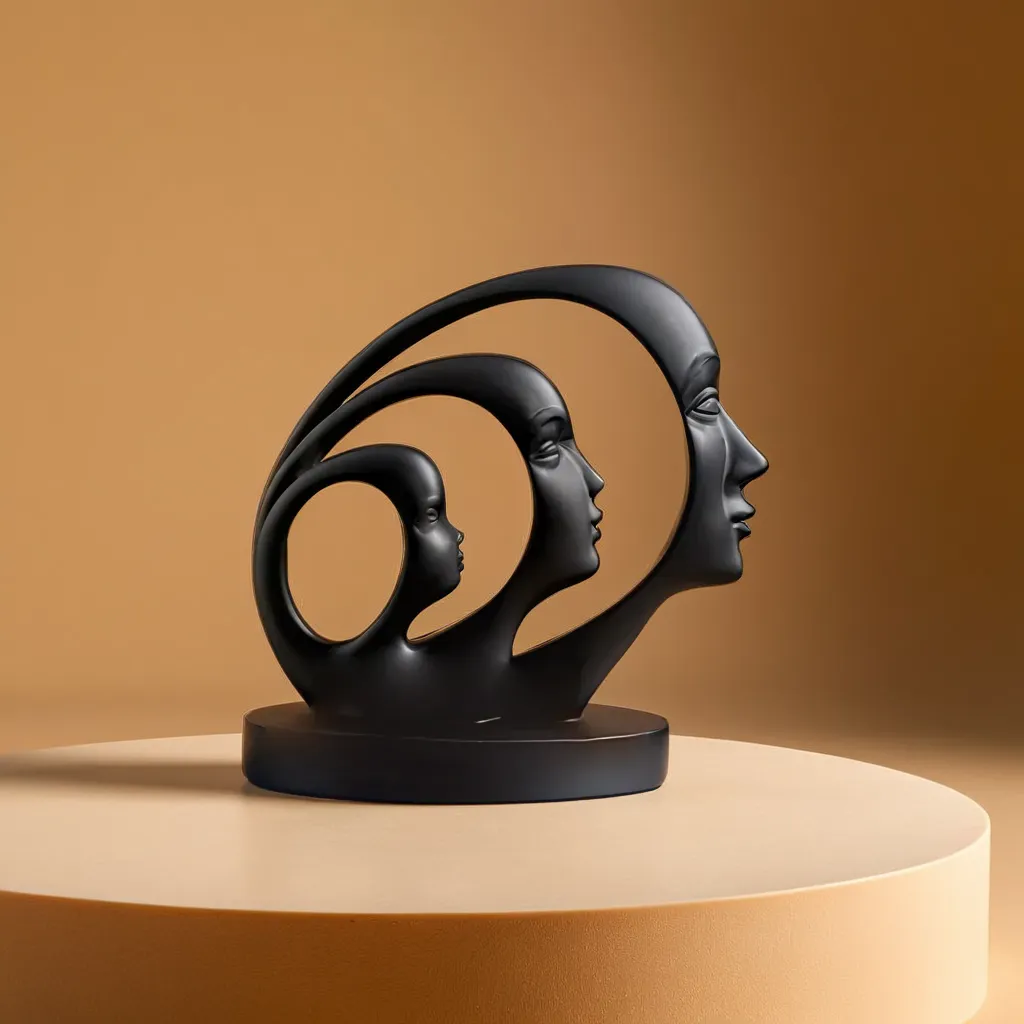
Welcome to the wonderful world of home decor, where square footage is just a number and style knows no boundaries! Whether you're living in a cozy studio that makes shoe boxes feel spacious or a mansion that echoes when you sneeze, I've got some seriously fun tricks up my sleeve to help you transform your space into a magazine-worthy haven. The beauty of great design is that it can work anywhere—from tiny apartments where your bed doubles as your dining room to sprawling homes where you might actually lose your pets for days. So grab your favorite beverage, put on your creative hat (you know, that invisible one we all wear when we're feeling fancy), and let's dive into some decor ideas that will have your friends saying, "Can you do my place next?" One way to impress? Try incorporating a stunning range of handmade home decor items that elevate both small and grand homes.
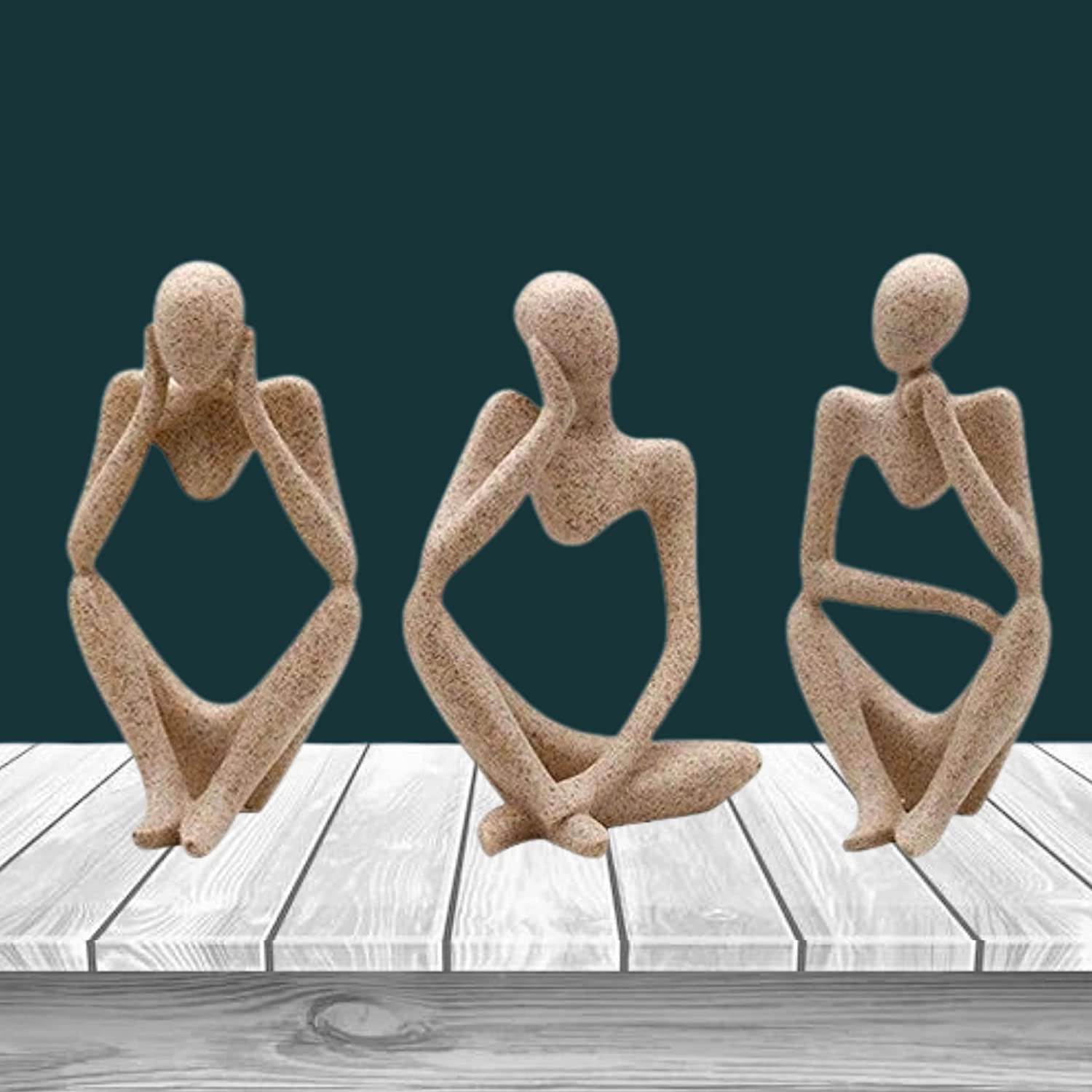
When you're working with a space smaller than your last Amazon delivery box, optical illusions become your best friends! Light colors are like magic wands for tiny spaces—they reflect light and make walls appear to recede. Paint your walls in soft whites, creamy beiges, or pale blues, and watch your room take a deep breath and expand. Mirrors are another small-space superhero—place one across from a window and boom! You've just doubled your light and visually expanded your room. Just don't put too many mirrors around or you might scare yourself in the middle of the night thinking your home is haunted by a very sleepy version of yourself! For an extra illusion of depth and charm, add antique home decor items perfect for small-space elegance.
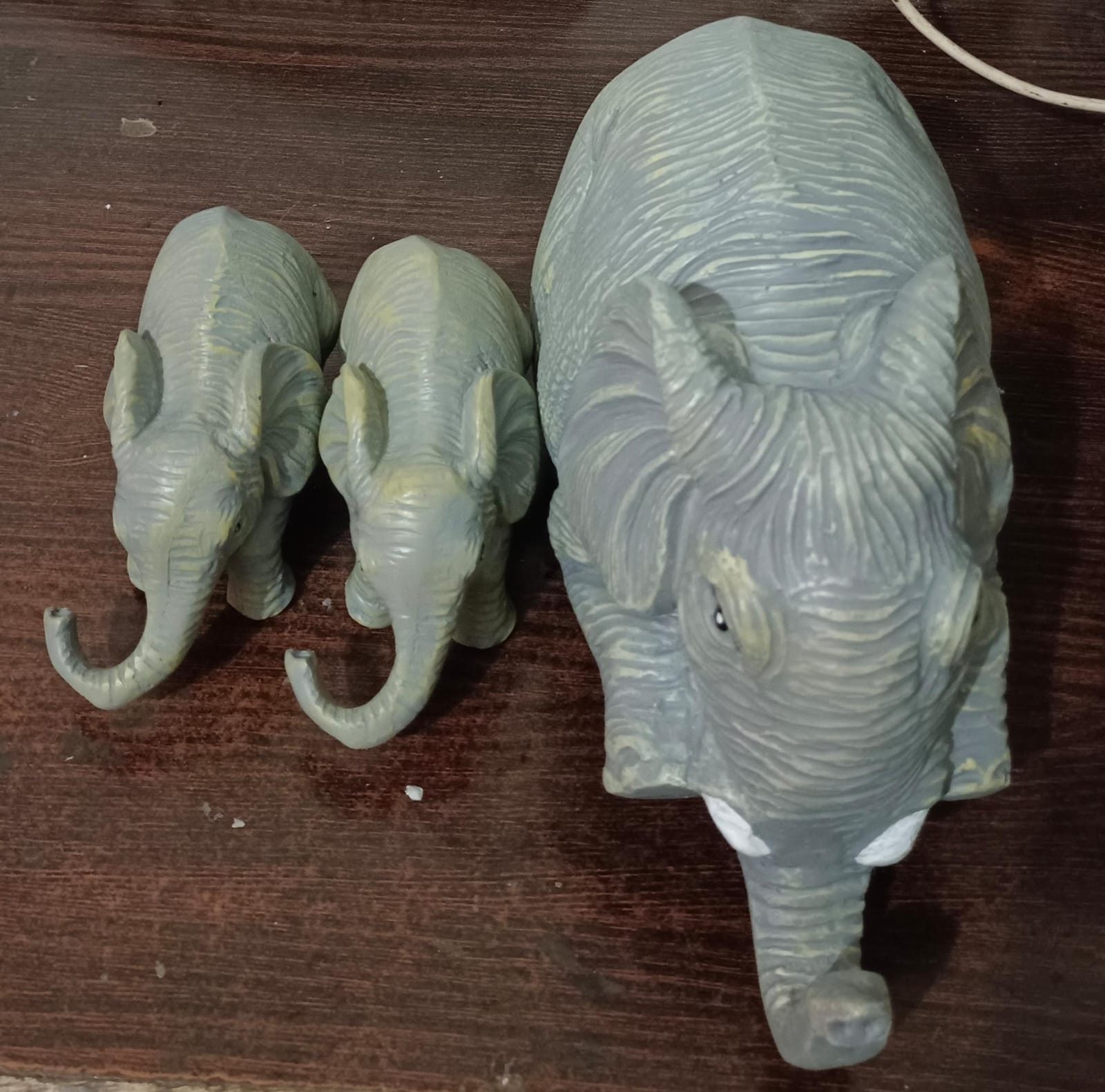
In small homes, every piece of furniture should earn its keep by doing double (or triple) duty. Think ottomans with hidden storage (perfect for hiding those emergency chocolate supplies), sofa beds for unexpected guests, and nesting tables that can spread out when company comes and tuck away when it's just you and your Netflix marathon. My personal favorite? A coffee table that transforms into a dining table faster than you can say "dinner's ready!" It's like having furniture with superpowers, minus the spandex and dramatic origin story. Compliment this practicality with compact modern home decor items used to accessorize multi-functional furniture.
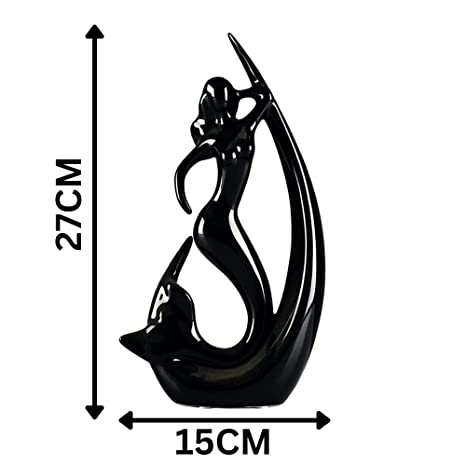
When floor space is at a premium, it's time to look up! Wall-mounted shelves, hanging plants, and tall bookshelves draw the eye upward and make your space feel larger. Install shelving near the ceiling to store those once-a-year items (like that fondue set you swore you'd use regularly). Bonus: people will think you're super sophisticated when they see books up high—they don't need to know you haven't read them yet! Just remember to keep a cute step stool handy unless you enjoy the daily challenge of furniture climbing. Enhance this vertical magic with small decorative items for home resale that transform narrow and vertical edges.
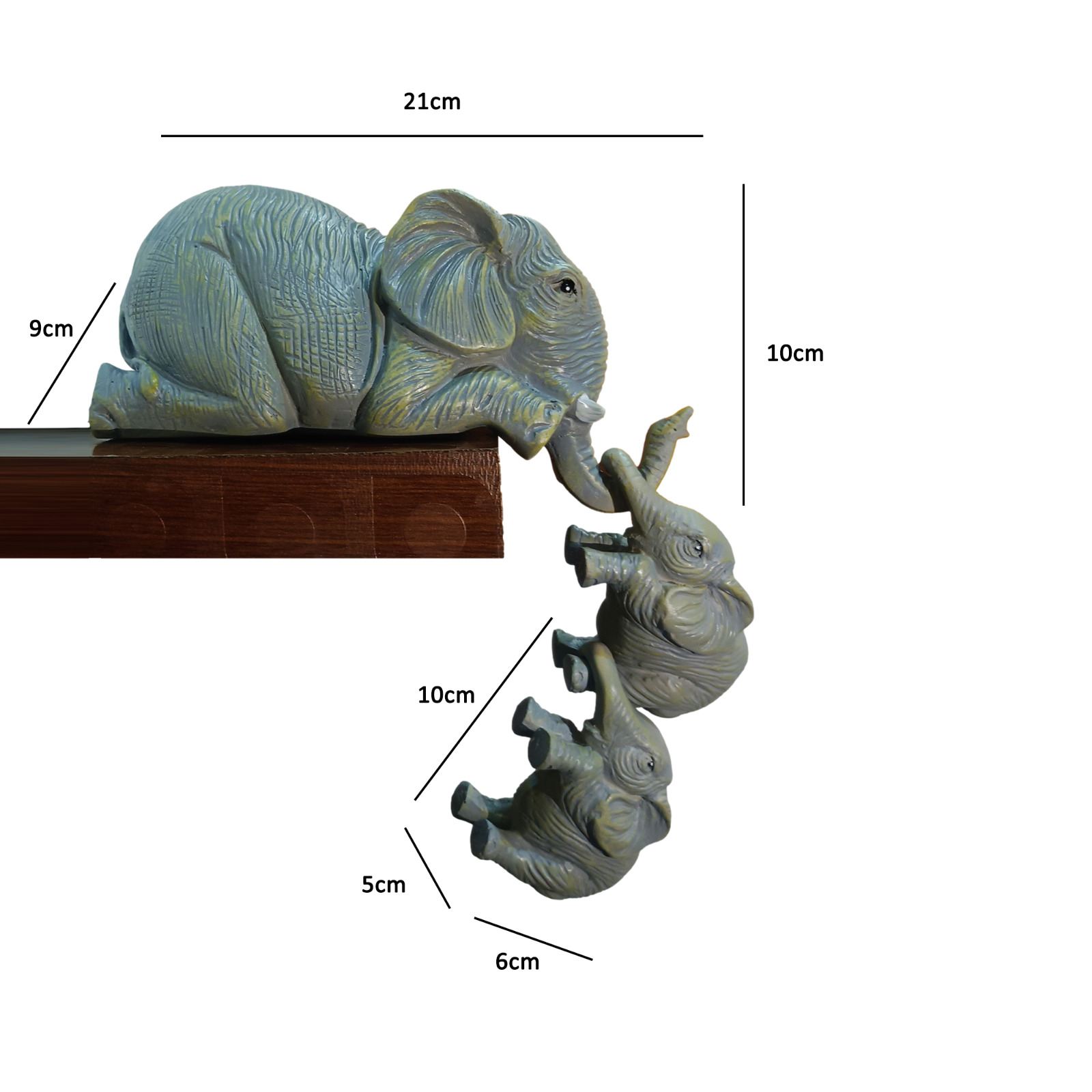
Even in one-room apartments, you can create distinct "zones" for different activities. Use area rugs to define your living space, a folding screen to section off your sleeping area, or a strategically placed bookshelf as a room divider. It's like having multiple rooms without the luxury of actual walls! The best part? You can rearrange your "rooms" whenever the mood strikes, which is way easier than knocking down real walls (and much less likely to upset your landlord or require a trip to the emergency room). Try using room-zone enhancing decorative accessories for home that define tiny living zones.
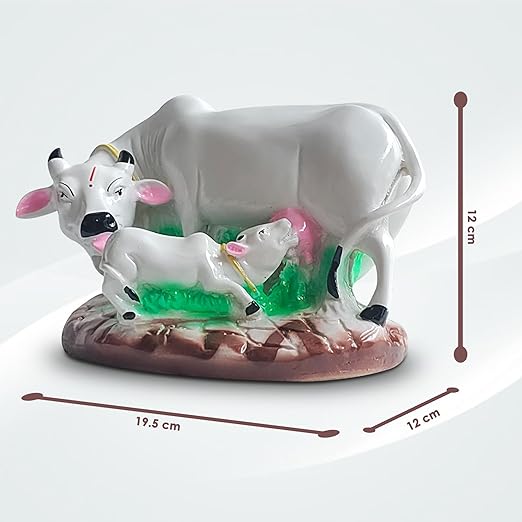
Decorating a large space comes with its own challenges—like how to stop your home from resembling an empty airplane hangar or an impersonal furniture store. The key? Creating intimate conversation areas rather than pushing all your furniture against the walls (a decorating crime I won't let you commit!). Arrange seating in cozy groups where people can actually talk without shouting across vast expanses. Think of it as creating several "mini-rooms" within your larger space—like having multiple tiny homes inside your big home, but without the weird TV show about it. You can layer this arrangement with modern interior decor items for large open rooms to add intimacy.
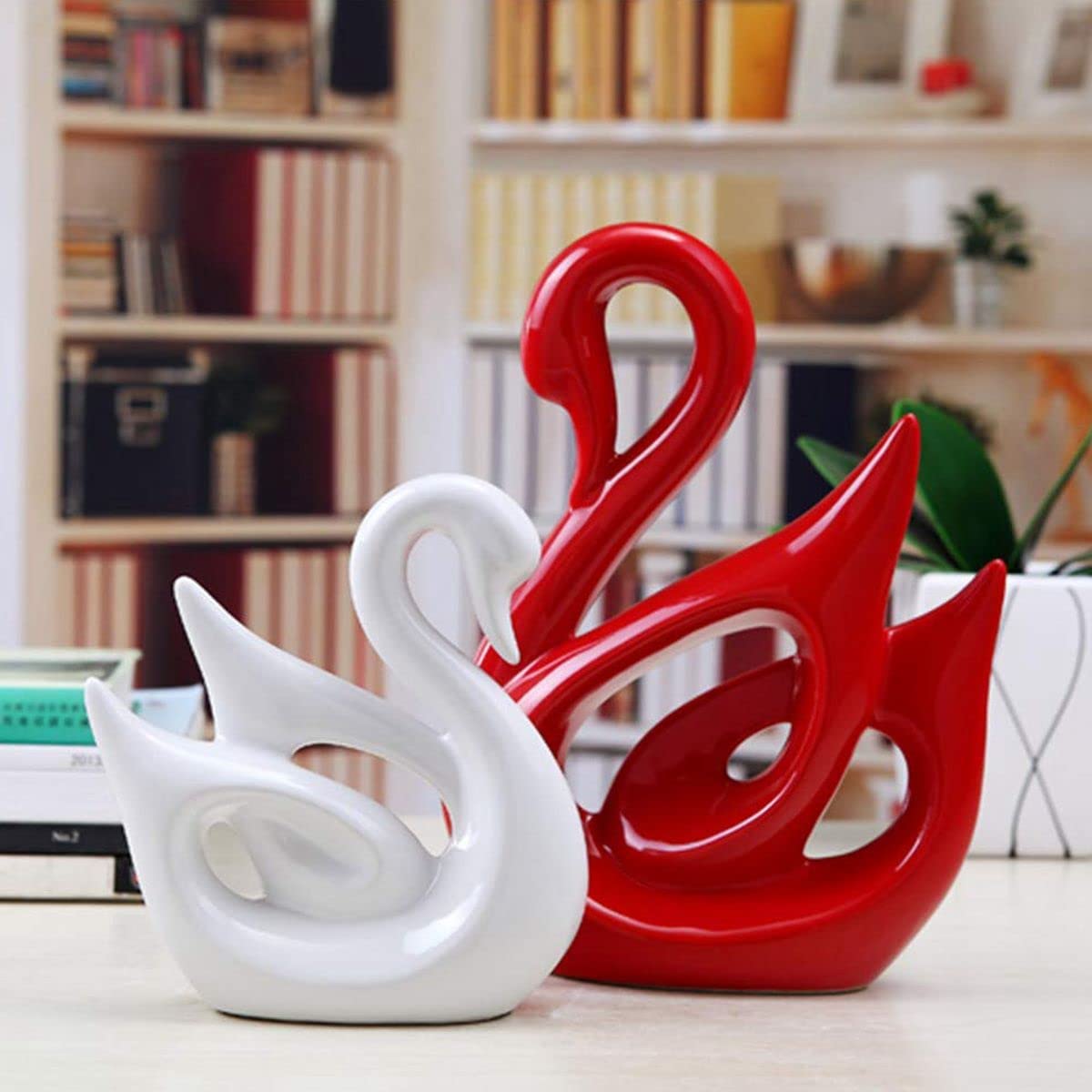
In larger homes, tiny furniture looks lost and makes your space feel empty and uninviting—like those sad little chairs in the school principal's office. Instead, choose substantial pieces that match your room's scale. That sectional sofa you've been eyeing? This is your moment! In large spaces, you can also play with oversized art that would overwhelm smaller rooms. Just remember the Goldilocks principle—not too small, not too overwhelming, but just right. Your furniture should fill the space comfortably without requiring a map to navigate around it. Accent the scale with proportionate home decor items that balance oversized furniture.
Colors aren't just pretty—they're powerful psychological tools that can make spaces feel cozy or expansive. For smaller homes, lighter colors create breathing room, while larger spaces can handle deeper tones that bring walls inward for a more intimate feel. Want your tiny bathroom to feel like a spa retreat? Soft blues and greens create calm. Want your massive living room to feel cozy on movie nights? Try a warm terracotta or burgundy accent wall. It's like therapy for your walls, minus the hourly rate! Set the right mood with decorative items for entrance and accent corners using emotional color cues.
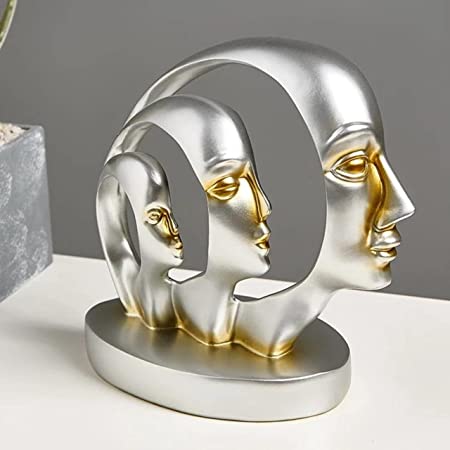
Bad lighting can make even the most beautiful room look like a cave dwelling from the Stone Age. In small spaces, multiple light sources eliminate shadows that make rooms feel cramped. In larger rooms, layered lighting creates ambiance and highlights architectural features. Table lamps, floor lamps, sconces, and ceiling fixtures should work together like a well-rehearsed band—each with their solo moments but harmonizing beautifully. And please, I beg you, put everything on dimmers! Nothing kills the vibe faster than lighting that feels like an interrogation room. Support this glow-up with interior design accessories that highlight corners and niches with lightplay.
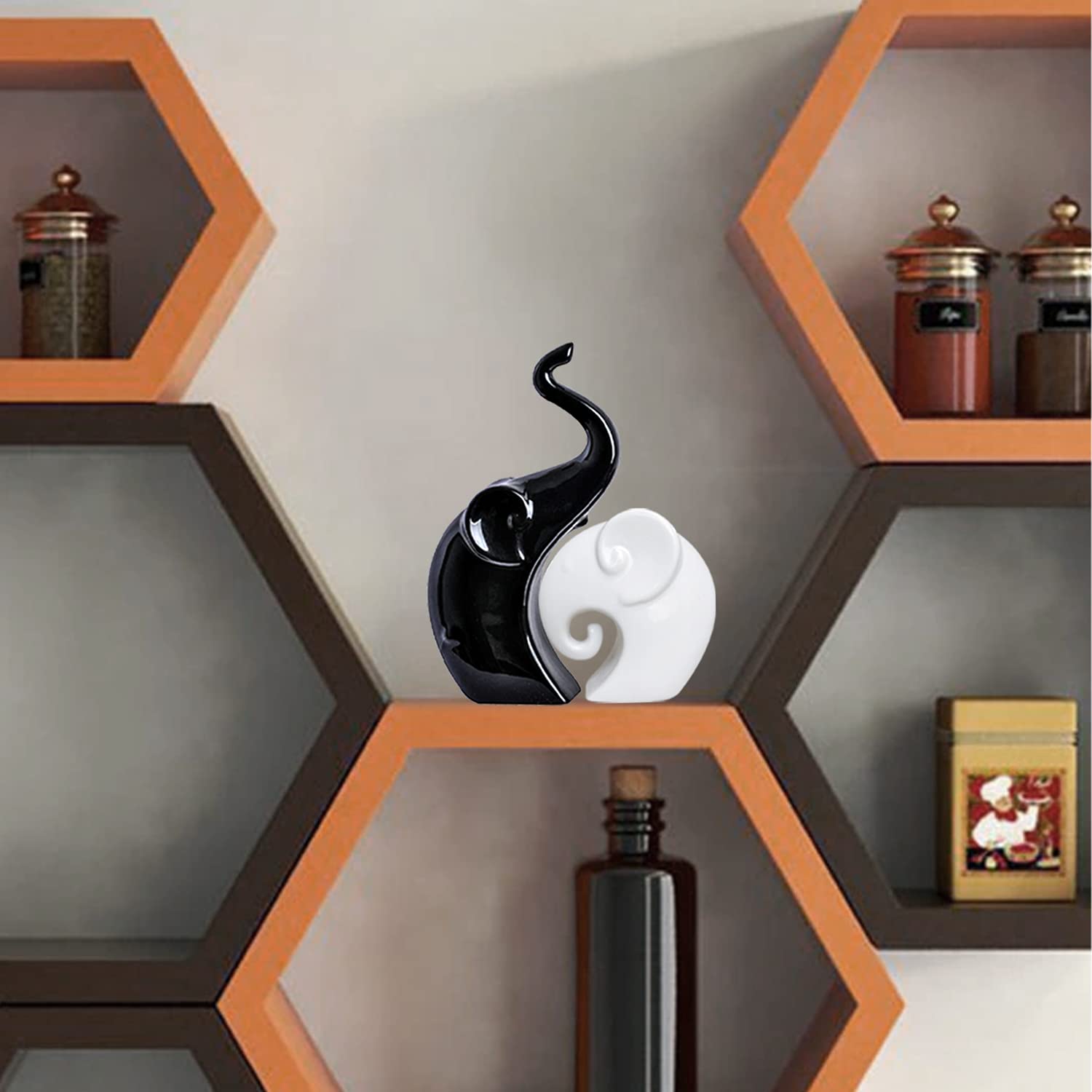
Here's a revolutionary concept: you don't need to fill every inch of your home with stuff! Whether your home is tiny or massive, negative space gives your eyes a place to rest and makes the things you do have stand out. Think of it as giving your treasured possessions room to breathe and be appreciated. In design circles, we call this "intentional space"—but between friends, it's really just permission to have less stuff to dust. Your future self will thank you every cleaning day! Try unique home decor items that celebrate minimalism with intention for this less-is-more practice.
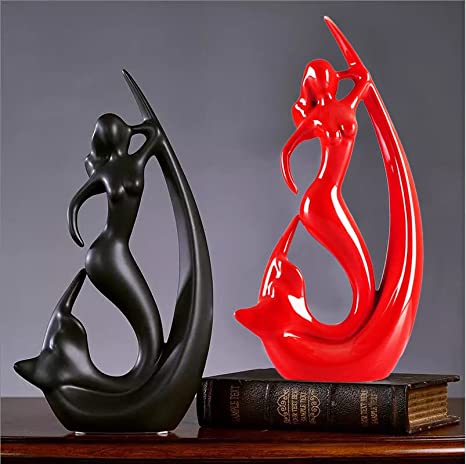
Whether you're decorating a shoebox or a mansion, textiles add warmth, texture, and personality. Layer rugs for instant coziness, add throw pillows for color pops, and drape blankets strategically for that "I definitely planned this casual-chic look" vibe. In small spaces, choose lightweight curtains that let in light; in larger rooms, more substantial drapes add drama and warmth. The best part? Textiles are the easiest and most affordable way to update your space when you get bored or when the seasons change. New throw pillows are basically a room makeover without the commitment! Combine this with modern home decor elements that complement textural play.
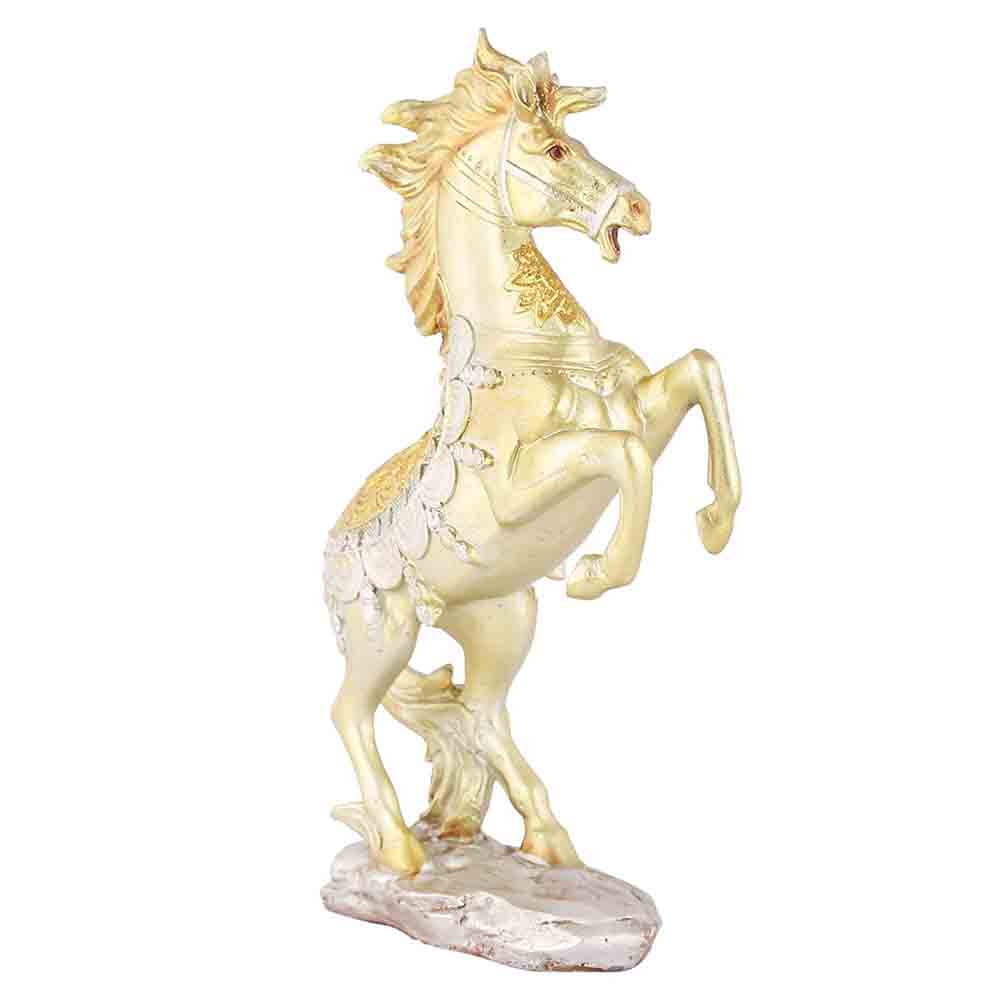
Plants are the ultimate democratic decorators—they look amazing in homes of all sizes and styles! In small spaces, hanging plants and wall-mounted planters add life without taking up precious floor space. In larger homes, substantial floor plants fill empty corners and add organic structure. Not blessed with a green thumb? No judgment here—high-quality faux plants have come a long way from those dusty plastic monstrosities in your grandmother's house. Or go with succulents—those little troopers can survive almost anything, including your forgetful watering schedule! You can amplify the green mood with vastu decorative items that welcome natural calm into home corners.

The most beautiful homes—regardless of size—tell your unique story. Display travel souvenirs, family photos, or that weird art piece you love even though no one else gets it. In small homes, be selective with personal items to avoid visual clutter. In larger spaces, create curated collections that make statements. Remember: a home without personal touches is just a furniture showroom with better lighting. Your quirky collection of vintage salt and pepper shakers? Display them proudly! That's the stuff that makes visitors say, "This place is so YOU!"—which is the highest compliment in home decorating.
The 3-4-5 rule isn't about how many throw pillows you need (though you can never have too many, in my opinion!). It's actually a designer's trick for creating perfect right angles when laying out a room. If you measure 3 feet along one wall, 4 feet along the perpendicular wall, and the diagonal between those points measures exactly 5 feet, you've got yourself a perfect right angle! It's basically the Pythagorean theorem in disguise, proving that your high school math teacher was right—you would use this stuff in real life! This trick is super handy when you're placing large furniture pieces or planning built-ins and want everything to line up perfectly.
For 2025, we're seeing a beautiful blend of comfort and sustainability taking center stage! "Elevated comfort" is the buzzword, with curved furniture, bouclé fabrics, and warm, earthy color palettes creating spaces that feel like a hug. Biophilic design (a fancy way of saying "bringing nature indoors") continues to dominate, with natural materials like cork, bamboo, and reclaimed wood everywhere. Smart home technology is becoming more seamless and less obtrusive—think hidden charging stations and voice-activated everything. The biggest shift? Multifunctional spaces are no longer just for small homes—even McMansions are embracing flexible rooms that can transform from home offices to guest rooms to workout spaces faster than you can say "work-life balance." The pandemic-era focus on functional homes is here to stay, just with more style!
The 2/3 rule is like the golden ratio for lazy people (I say this with love as a fellow lazy person)! It suggests that when you're decorating a space, about two-thirds of it should be filled with furniture and decor, while one-third should remain as negative space. Think of it as the decorating equivalent of leaving room for dessert—your room needs breathing space! This applies to walls too—fill about 2/3 of wall space with art, shelves, or furniture, leaving 1/3 empty to prevent that cluttered, chaotic feeling. It's a quick cheat sheet for creating balanced rooms that feel neither empty nor stuffed. And the best part? You don't need a calculator or fancy design software—just your eyeballs and a willingness to remove that one extra tchotchke that's tipping your room into the danger zone of "too much stuff."
Making a small space look bigger is all about tricking the eye (in the nicest possible way)! Start with light colors for walls and large furniture pieces—they reflect light and make walls recede visually. Strategically placed mirrors work magic by reflecting both light and space—place one across from a window for maximum impact. Choose furniture with legs that allow you to see floor space underneath, creating an airier feeling. Mount your curtain rods higher and wider than your windows to create the illusion of larger windows and higher ceilings. Clear or glass furniture (coffee tables, console tables) take up less visual space while still being functional. Finally, embrace vertical space with tall bookshelves and wall-mounted storage. The ultimate small-space hack? Declutter ruthlessly—the less stuff you have competing for attention, the more spacious your home will feel. Marie Kondo was onto something, folks!


