
Cart
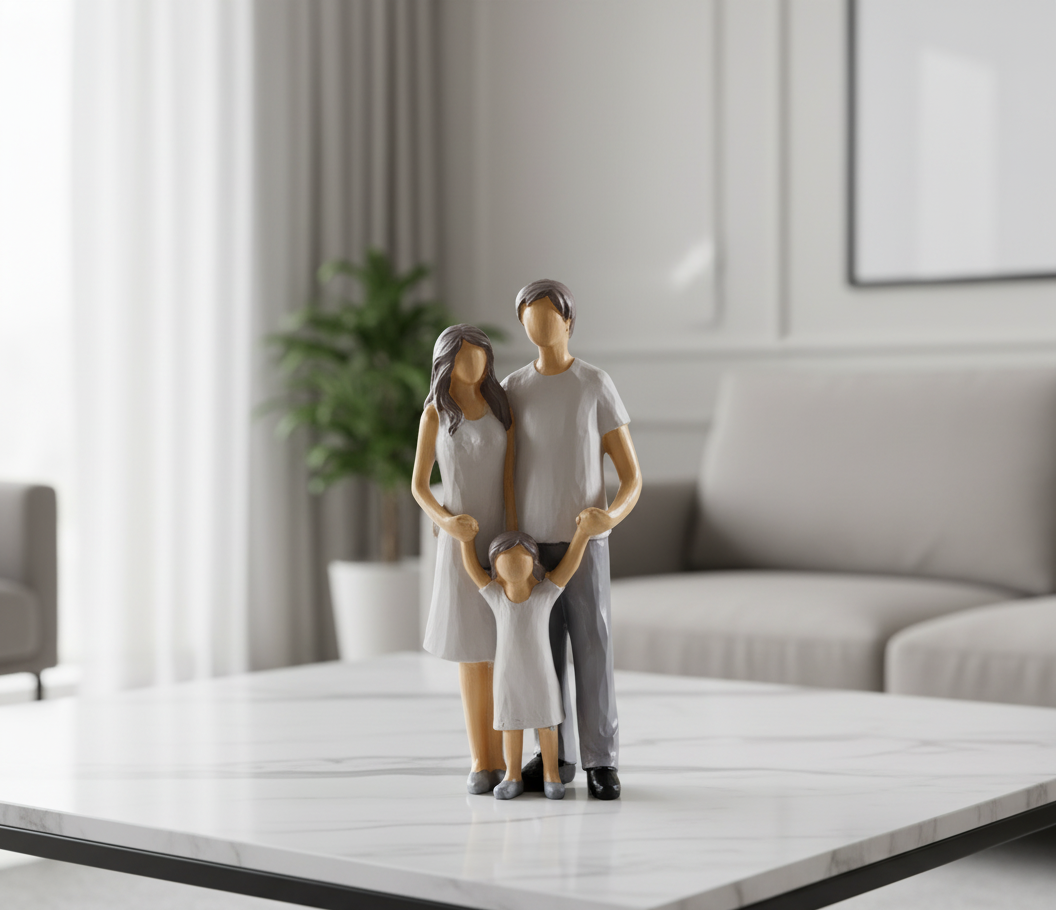
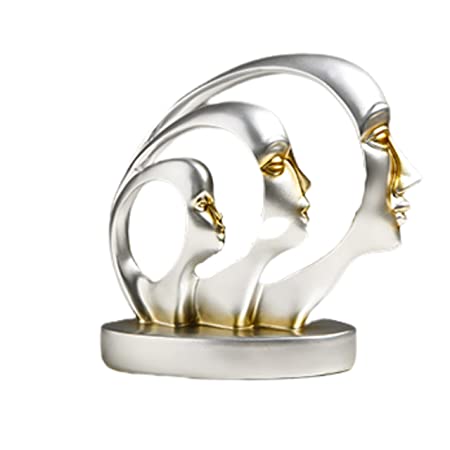
Let's face it – your studio apartment might be so tiny that you can cook breakfast, take a shower, and make your bed without leaving the same 3-foot radius. But who says small spaces can't pack a serious style punch? Whether you're living in a cozy 400 square feet or a "could-this-legally-be-called-an-apartment" 250 square feet, I'm about to show you how to transform that compact cube into a space that feels like it was designed by a professional with an unlimited budget (even when your actual budget says "maybe try dumpster diving behind Pottery Barn"). Get ready for some small-space wizardry that'll have your friends wondering if you've secretly installed room-expanding technology! One of the easiest tricks? Start with a few well-placed Stunning Abstract Showpieces for Studio Apartment Sophistication to elevate every corner subtly.
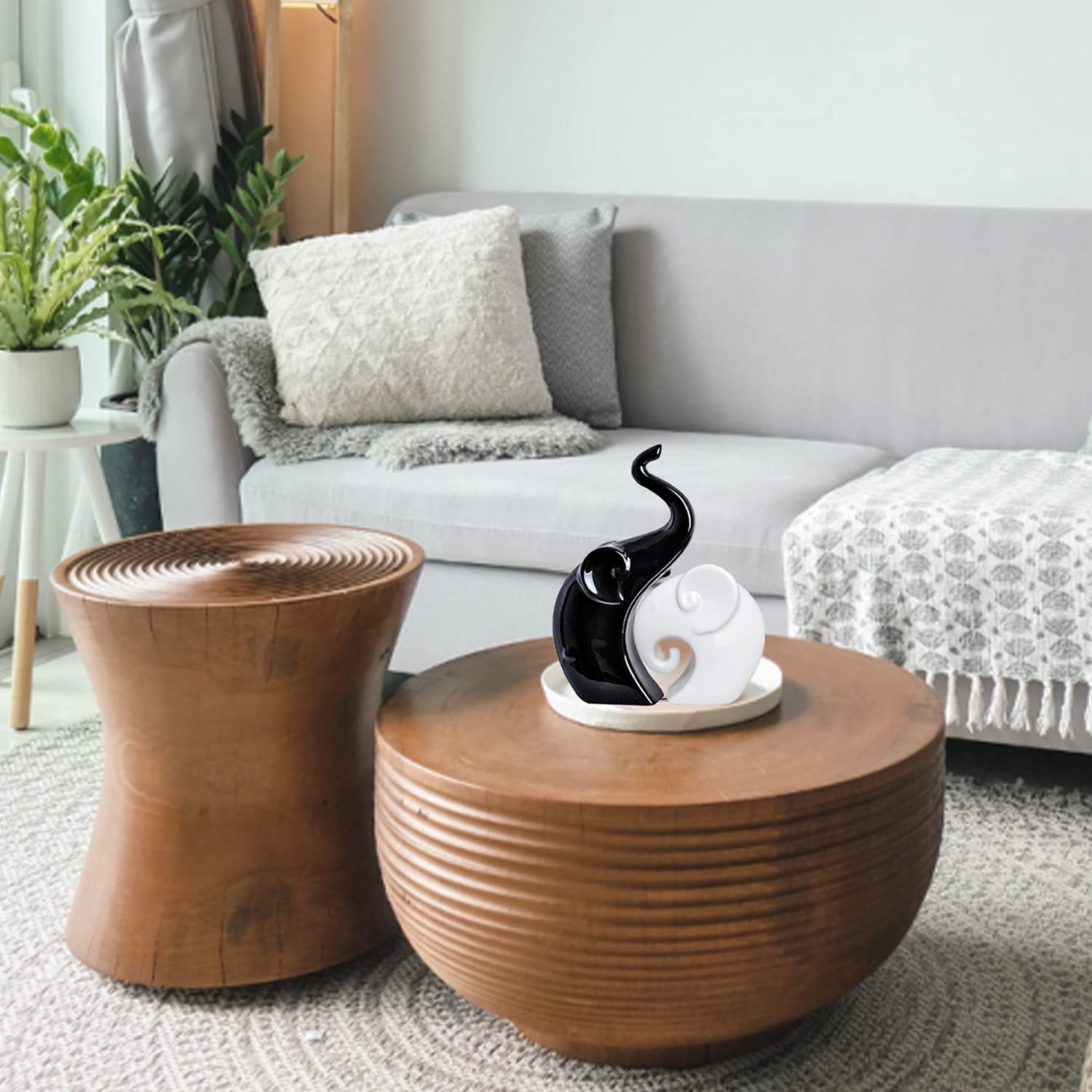
Want to double your square footage without calling a contractor? Mirrors are basically magic portals to parallel dimensions where your apartment continues infinitely (or at least that's what it looks like). A strategically placed large mirror across from a window doesn't just reflect light—it creates the illusion that your tiny box extends into another room. Go big or go home with this one—although you're already home, so... just go big. Pro tip: if you place mirrors correctly, your studio will look so spacious that you might actually lose things in it. "Has anyone seen my keys? They're somewhere in this infinite mirror dimension!" Pairing mirrors with Modern Ceramic Vases for Stylish and Reflective Studio Spaces amplifies the impact effortlessly.

In studio apartment life, if your furniture isn't multitasking harder than you do at your day job, it's not earning its keep. Think beds that transform into sofas, coffee tables with hidden storage, and ottomans that serve as seating, storage, AND emergency dining tables when your mom visits unexpectedly. My personal favorite? Those staircase bookcases that double as drawers. Sure, you don't have stairs in your studio, but that doesn't mean you can't pretend you live in a fancy duplex while actually just storing your socks in them! Add a Multipurpose Small Decorative Showpiece for Shelf or Table Corners to enhance both your storage zones and aesthetic flair.

Walls are so overrated (and usually forbidden by landlords anyway). Create distinct "rooms" using area rugs to define spaces, furniture placement to create natural dividers, or hanging fabric panels for when you need to hide your unmade bed from unexpected visitors. Room dividers don't have to be those flimsy folding screens your grandmother had—try a gorgeous bookshelf, a hanging plant installation, or even a row of tall houseplants. Just remember: if your plants grow too well, you might end up with less space than you started with. That's the studio apartment circle of life. You can also explore Artistic Tall Showpieces for Corner Zoning in Studios that preserve style while creating functional visual breaks.

When you can't go out, go up! Your walls are valuable real estate in a studio, so use them from floor to ceiling. Install floating shelves high up for books and decorative items, hang your bike like an art piece (it is art, really), and invest in tall, narrow furniture that draws the eye upward. Just make sure anything stored up high isn't something you need daily—unless you enjoy the daily exercise of dragging out a stepladder just to reach your coffee mug collection. Consider integrating Vertical Modern Resin Decor to Elevate Wall Display into your shelving units or column spaces.

In a studio, every item needs to earn its place through beauty, function, or preferably both. This doesn't mean you can't have decorative objects—it means being super selective about which ones make the cut. That ceramic cat collection? Maybe pick your top three favorites rather than displaying all 47. Think of yourself as the highly selective curator of an exclusive museum of your taste, where each piece tells a story. "And here we have the succulent that survived three apartment moves and my chronic forgetfulness. It's practically family at this point." Display Charming Small Size Decorative Pieces for Studio Shelf Styling that don’t overcrowd the space but still charm the eye.

Dark colors can make small spaces feel like fashionable caves (which is great if that's your aesthetic), but light colors generally make spaces feel bigger. Consider painting your walls in soft, light hues or even going for a monochromatic scheme where walls and trim are the same color to create a seamless look that expands the space. Or go completely rebel and paint one accent wall in a bold color—because you're compact but mighty, just like your apartment! For added color contrast, use Bold Hanging Artistic Wall Décor Accents for Studio Flair to make your walls come alive.
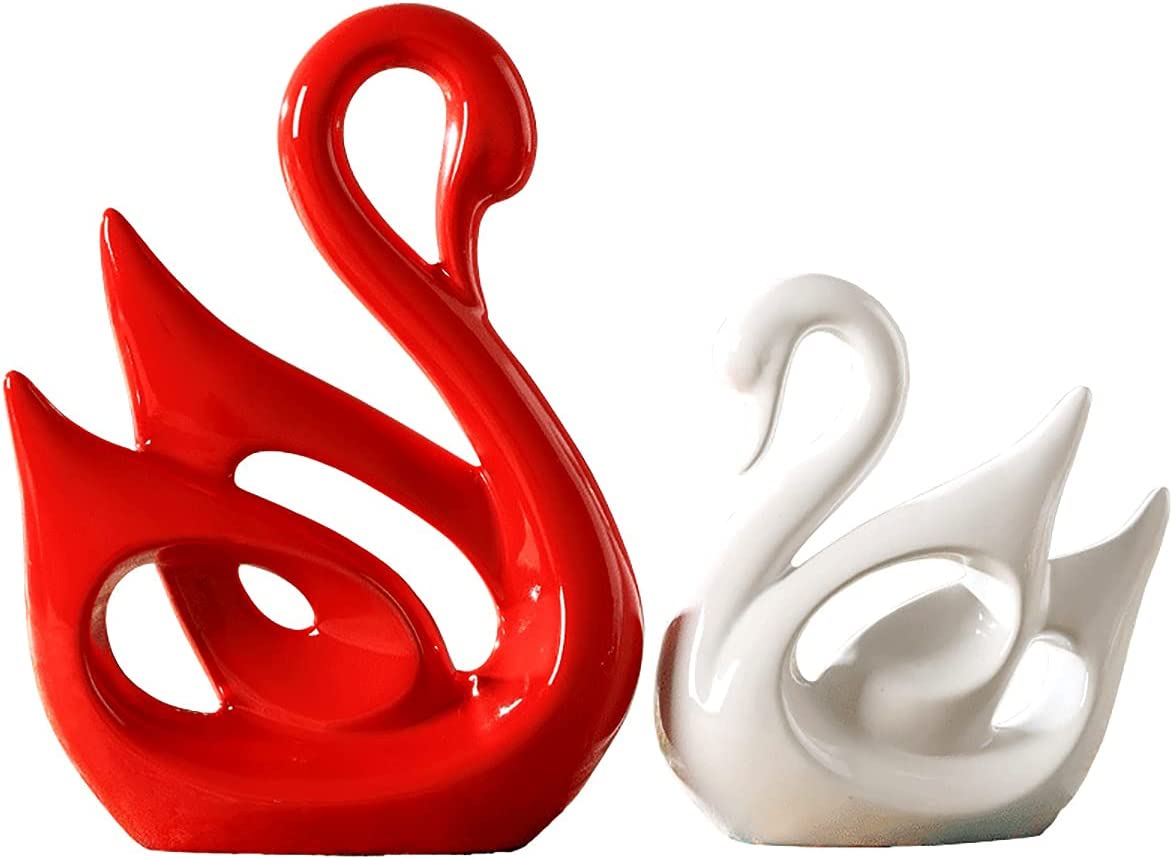
In a studio, storage isn't just important—it's practically a religion. Under-bed containers, over-door hangers, and furniture with built-in storage will become your best friends. Get creative! That stack of vintage suitcases isn't just charmingly decorative—it's where you store your winter sweaters. That cute bench by the door? Filled with shoes. Even your walls can work harder with magnetic strips for knives in the kitchen or a pegboard for jewelry display. The goal is to make Marie Kondo weep with pride at your organizational prowess. Add Functional Yet Pretty Resin Decor Pieces That Hide and Shine to your storage units so everything looks as lovely as it is useful.
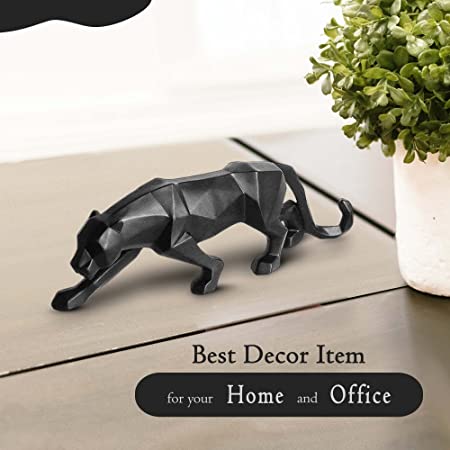
That single overhead light making your studio look like an interrogation room? Let's fix that. Layer your lighting with floor lamps, table lamps, string lights, and sconces to create ambiance and visually expand your space. Lighting different zones creates the illusion of separate rooms, and dimmer switches let you adjust the mood from "productive morning" to "Netflix and actually chill because your AC is broken." Plus, soft, warm lighting makes everything and everyone look better—including that DIY shelf you installed slightly crooked. And don't forget to place Decorative Home Lighting and Accessories for Cozy Corners to pull that cozy yet stylish zone together.

When space is limited, sensory experiences become even more important. Mix textures to create visual and tactile interest—plush pillows against a leather sofa, a sleek glass table paired with a chunky knit throw. Different textures add depth to a space without requiring additional square footage. Think of textures like seasoning in cooking—they enhance everything without taking up more room on the plate. And yes, this means your fuzzy rug obsession is totally justified as "essential design strategy." Enhance contrast by adding Antique Textured Showpieces for Sensory Studio Decor that draw the eye and feel rich to the touch.

It's a hard truth: that massive sectional sofa you've been eyeing is probably not going to work unless you plan to live on it exclusively (no judgment). Look for apartment-scale furniture with clean lines and raised legs (seeing the floor underneath furniture creates a sense of space). That doesn't mean everything has to be tiny—one larger statement piece often works better than several medium-sized items cluttering up the space. Remember, it's not the size that matters, it's how you use your... furniture. Complete the look with a Minimal Modern Wall Hanging Decor That Makes a Statement to keep walls refined but eye-catching.
Beyond mirrors, any reflective surface helps amplify light and create spaciousness. Glass tabletops, metallic accessories, glossy ceramic lamps, or even a cleverly placed crystal bowl can bounce light around like it's getting paid to do so. Your tiny apartment can shine brighter than your future if you strategically place these reflective elements near windows or light sources. Just be careful not to create an accidental death ray with too many reflective surfaces on a sunny day. Try Bright Glazed Ceramic Showpieces for Reflective Small Studio Sparkle to catch and play with light in subtle ways.

While maximalism can work in small spaces (fight me on this), having a consistent color palette or design theme helps create cohesion that makes your studio feel intentional rather than chaotic. This doesn't mean everything has to match—please don't do that—but having a throughline of color, material, or style helps tie different areas together while still allowing for distinction between your "bedroom," "living room," and that weird corner you call your "office."
Living in a studio doesn't mean sacrificing style or comfort—it just means being more intentional about what you bring into your space. With these aesthetic décor ideas, your studio can feel spacious, functional, and completely reflective of your personality. The beauty of a small space is that every change makes a big impact, so you can completely transform your home with just a few strategic moves. Plus, cleaning takes like 20 minutes tops—try doing that with a mansion!
Remember: Studio living isn't about limitations—it's about creative problem-solving and maximizing every inch. And when all else fails, just tell visitors you're "intentionally embracing minimalism" rather than "couldn't afford a one-bedroom." They'll never know the difference!
The biggest minimalist faux pas? Going so minimal that your place looks like you're either moving out tomorrow or you've been robbed. True minimalism isn't about emptiness—it's about intentionality. People often mistake stark for minimal, ending up with cold, uninviting spaces. Another common mistake is keeping things hidden but still owning too much stuff—that's not minimalism, that's just good hiding! Real minimalism means being thoughtful about what you actually need and love, not just showing less while stuffing closets full. And please, for the love of design, don't think minimalism means everything must be white—that's how you end up living in what feels like a sterile hospital room instead of a home.
The magnificent seven of interior design are like the Avengers of making your space awesome: Balance (distributing visual weight evenly), Rhythm (creating patterns of repetition and contrast), Harmony (ensuring all parts work together), Emphasis (establishing focal points), Proportion (maintaining appropriate size relationships), Contrast (using opposing elements to create interest), and Unity (ensuring everything feels like it belongs together). Master these principles, and you could make even a cardboard box look intentionally designed. The best part? They work whether you're styling a mansion or a micro-studio—good design is good design, no matter the square footage!
This isn't about wearing 20% of your clothes 80% of the time (though that's also true). The 80/20 rule in minimalism suggests you use 20% of your stuff 80% of the time. The practical application? Be ruthless with the 80% of items you barely touch. If you haven't used something in a year, it's probably in that rarely-used 80%. This rule gives you permission to focus on keeping and upgrading the 20% of items that actually enhance your daily life, while liberating yourself from the burden of all that extra stuff. It's like Marie Kondo, but with math to back you up when your friend asks why you got rid of that juicer you used exactly once.
Gen Z has a complicated relationship with minimalism—it's like their "it's complicated" Facebook status. While they appreciate the sustainability and intentionality aspects of minimalist living, they're also the generation bringing back maximalist patterns, bold colors, and personality-filled spaces that tell their unique stories. What they've really embraced is "intentional curation" rather than strict minimalism—keeping possessions minimal but making sure each item expresses something about their identity or values. They might have fewer things than their Boomer grandparents, but each item probably has more meaning (and has likely appeared on their TikTok at some point). So yes, but actually no, but also kind of yes.
Minimalist style for studios is like the Olympic athlete of interior design—disciplined, purposeful, and not carrying any extra weight. It emphasizes clean lines, clutter-free surfaces, and furniture that serves multiple functions. Color palettes tend toward neutrals with perhaps one or two accent colors (not fifty shades of beige—that's just boring). Every item needs to earn its place through either functionality or genuine joy-bringing properties. Built-in storage, wall-mounted everything, and furniture that can transform or nest are hallmarks of minimalist studio living. The goal isn't to have a sparse, empty space, but rather a carefully curated one where everything has room to breathe—including you. Think of it as having a capsule wardrobe, but for your entire home.


