
Cart
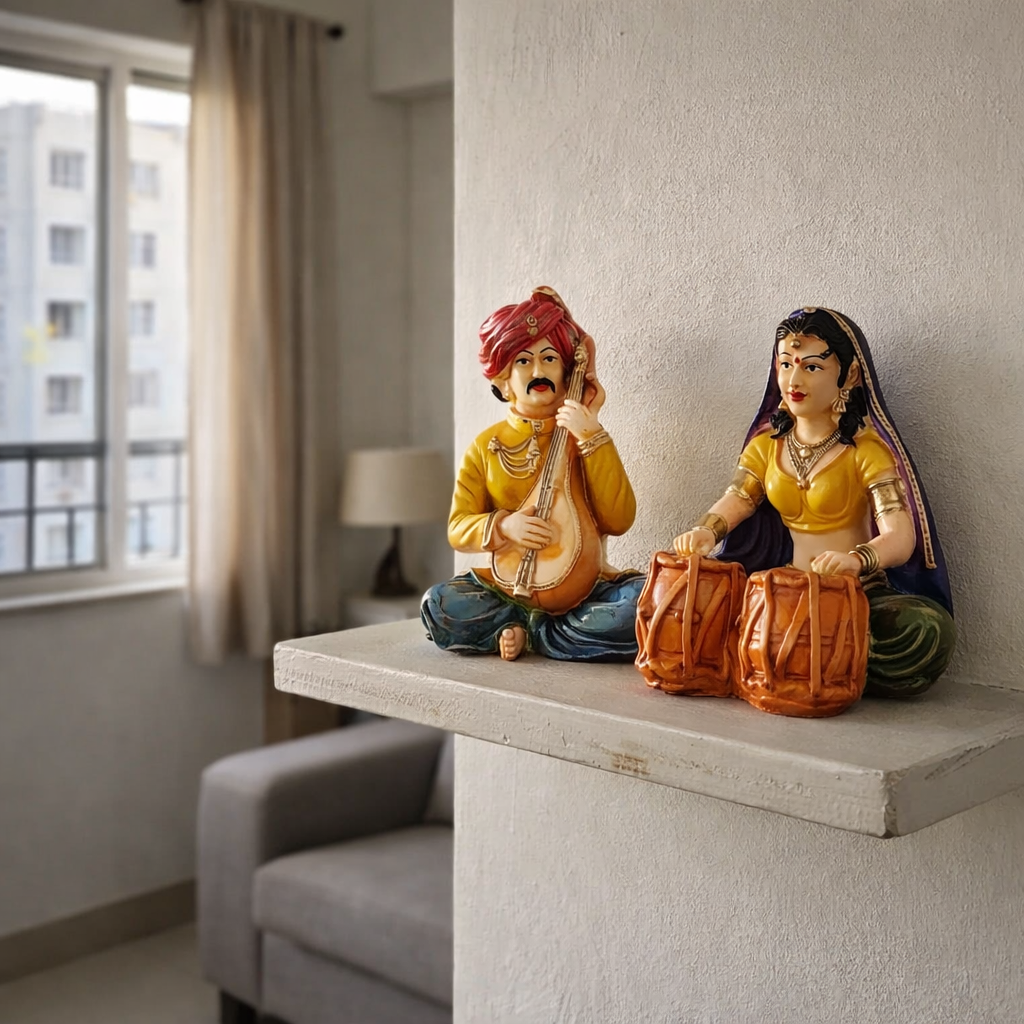
Living in a cozy (translation: tiny) space? Welcome to the club, friend! Whether you're surviving in a shoebox apartment or dealing with that one room that feels like it's closing in on you, I've got news that'll make your day: size isn't everything—it's what you do with it that counts! With the right decor magic, you can transform that claustrophobic cave into a space that feels downright palatial. Think of it as optical illusions for your home—minus the dizziness and confusion. Ready to become a spatial sorcerer? Let's trick those eyeballs into seeing square footage that isn't technically there! One simple way is by integrating Artistic modern statues for small rooms that visually expand your space using varying heights and textures that draw the eye through layers of visual interest.

Mirrors aren't just for checking if you've got spinach in your teeth anymore—they're your secret weapon in the battle against tiny spaces! A strategically placed mirror works harder than a caffeinated squirrel, bouncing light around and creating the ultimate space-expanding illusion. Try placing one opposite a window to basically clone that natural light and outdoor view. Or go big with a floor-to-ceiling mirror that'll make your room look like it continues into an alternate dimension. Just be careful not to create a mirror maze that has guests walking into walls—unless that's the vibe you're going for! Pair this visual trick with Compact abstract showpieces for mirror-enhanced room expansion to amplify spatial effects in shelf or corner settings.
Dark colors in a small space are like wearing a sumo wrestler costume to a crowded elevator—not helpful! Light colors, however, are the spatial equivalent of a deep breath. Think whites, creams, soft blues, and pale grays that make walls visually recede instead of closing in on you like that horror movie you shouldn't have watched alone. Paint your ceiling a shade lighter than your walls for an instant "the roof is higher than it looks" effect. Pro tip: if you go all white, throw in some textural elements so your place doesn't look like a sanitarium (unless clinical chic is your jam, no judgment here!). A great enhancement to this technique is Bright color decorative resin vases to lighten and extend room visuals which add soft pop while reinforcing spaciousness.
When floor space is at a premium, the only way to go is up! Create vertical interest that makes everyone's eyes journey toward the ceiling, and suddenly the whole room feels taller. Try floor-to-ceiling curtains (even if your windows are actually tiny), vertical stripes (like pinstripes but for your walls), or tall bookshelves that make people crane their necks. Just installed some vertical shiplap in my bathroom and now it feels like I'm showering in a cathedral. Okay, slight exaggeration, but you get the idea! Or better yet, use Tall vertical showpieces that elevate corners and stretch small spaces which enhance upward visual flow without cluttering the floor.

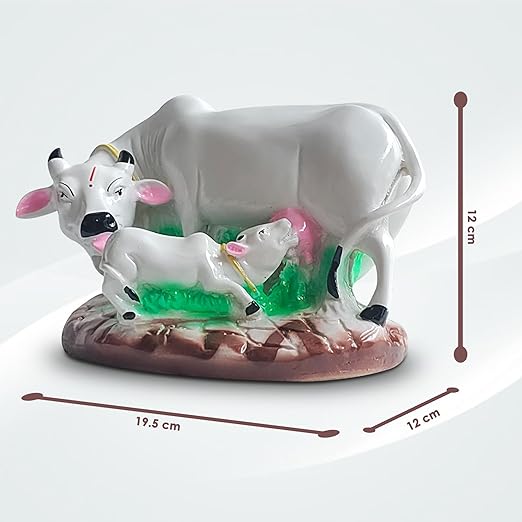
Chunky furniture that sits directly on the floor is the spatial equivalent of that friend who sprawls across the entire couch. Instead, opt for pieces with visible legs that allow you to see the floor underneath. This creates visual breathing room that tricks your brain into thinking "Hey, there's actually space here!" I swapped my bulky coffee table for one with hairpin legs, and suddenly my living room felt like it had lost 50 pounds. Plus, bonus: it's way easier to vacuum under furniture when it's not playing hide-and-seek with your floor! Pair it with Small-legged ceramic decor items for a floating interior vibe to maintain visual weightlessness across rooms.
If furniture with legs is good, furniture you can see through is even better! Glass or acrylic pieces are like the ninjas of home decor—they're there, but they're not making a big scene about it. A glass coffee table, lucite chairs, or acrylic side tables perform all the functions of regular furniture while basically disappearing into your space. My friend got an acrylic dining chair and her cat keeps trying to jump on it, then looks confused when he slides right off. Entertainment AND space-saving—two birds, one transparent stone! Combine them with Wall hanging decor accessories that add depth without bulk and watch your room grow without you lifting a hammer.
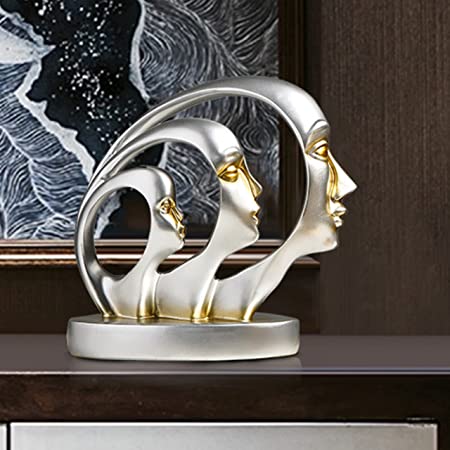
I'm not saying you need to go full Marie Kondo and thank your socks before folding them into tiny rectangles, but clutter is the arch-nemesis of spaciousness. Each item you display is visually "taking up space" in your brain. Be ruthlessly selective about what deserves to be out in the open. Those seventeen souvenir mugs? Maybe pick your top three favorites and rotate them seasonally. That collection of rubber ducks? Perhaps they'd be happier in a dedicated display rather than colonizing every surface. Remember: negative space isn't negative at all—it's a breath of fresh air for your eyeballs! Achieve balance with Minimalist antique showpieces for decluttered small apartments that showcase charm without crowding.
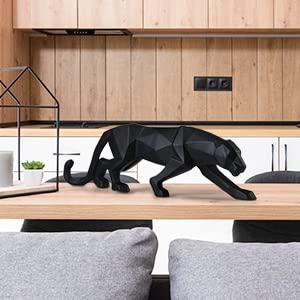
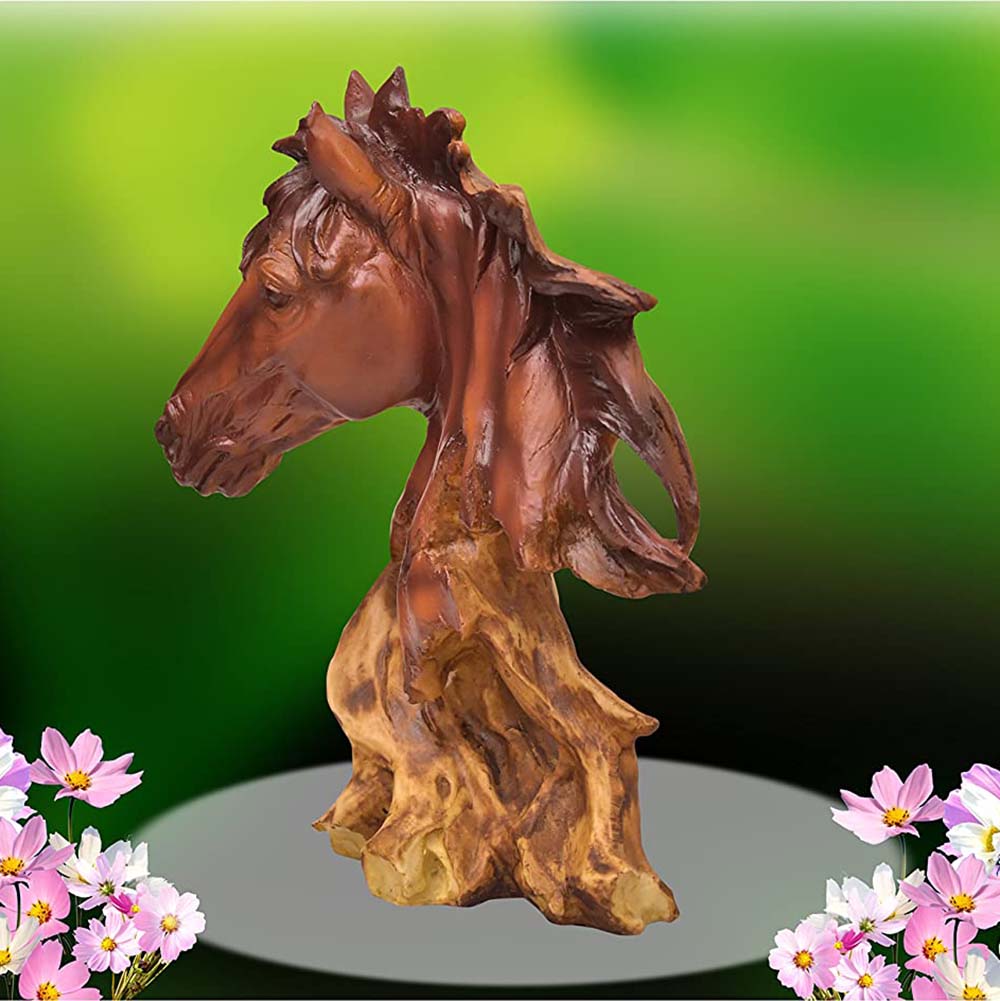
Contrary to popular belief, one large statement piece often works better than several small items in a tiny room. Small furniture can actually make a small room look like a dollhouse (cute for dolls, claustrophobic for humans). Instead of three tiny paintings, go for one large art piece. Rather than a loveseat and two small chairs, try one regular-sized sofa. I once put a massive vintage map on my wall, and visitors kept commenting on how spacious my room felt—meanwhile, I hadn't changed the square footage, just played the scale game right! Use this trick with Bold large ceramic decor pieces that define space with elegance for singular impact across tight setups.

Dark corners are where space goes to hide. Banish those shadows with strategic lighting that illuminates every nook! Layer your lighting with a mix of overhead, task, and accent lights to create depth and dimension. Wall sconces save precious surface space while drawing the eye upward. And don't forget the power of natural light—keep those windows as unobstructed as possible! I recently added some LED strip lights under my kitchen cabinets, and suddenly that dark corner where I used to drop things and never find them again feels like part of the actual room! Combine this technique with Small reflective decor accessories to emphasize light and space for even more impact.
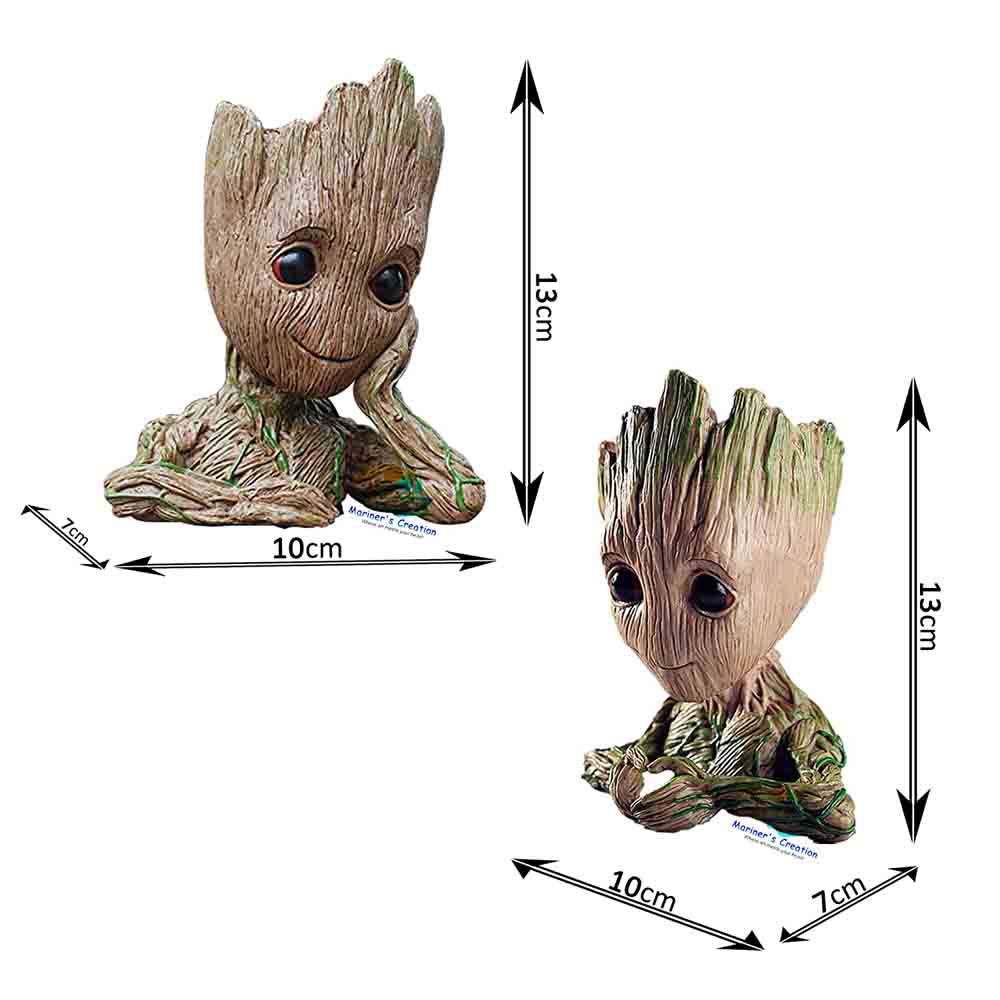
Just like horizontal stripes can make you look wider (thanks, fashion industry, for that confidence boost), they can make your room look wider too! Horizontal patterns on a feature wall can visually push those boundaries outward. But beware—too many competing patterns can create visual chaos that makes a space feel cluttered. Stick to one statement pattern and keep the rest simple. My bathroom's horizontal-striped shower curtain makes the space look twice as wide—until I step into the shower and remember it's still definitely just a shower for one! Complement this illusion with Horizontal striped showpieces that widen compact rooms stylishly for wall shelves and media units.
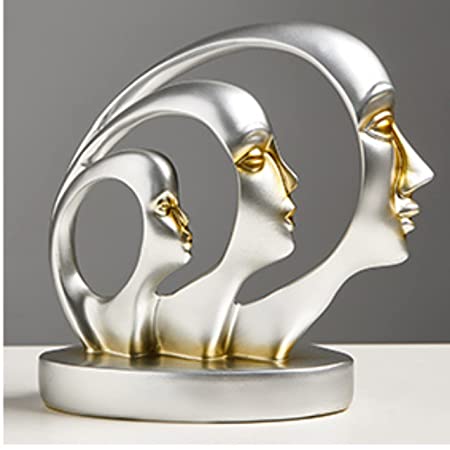
In small spaces, every item needs to earn its keep by doing double (or triple) duty! A storage ottoman that serves as coffee table, extra seating, AND blanket holder? That's furniture that deserves a promotion! Look for beds with drawers underneath, desks that fold up into the wall, or dining tables with leaves that extend only when needed. My nightstand is actually a small filing cabinet with a cute top—documents below, alarm clock and "currently reading" pile above. Marie Kondo would be so proud (or maybe horrified, it's hard to tell). Add Small tabletop decor items perfect for storage nooks and nightstands to these multifunctional setups and tie aesthetics with function effortlessly.
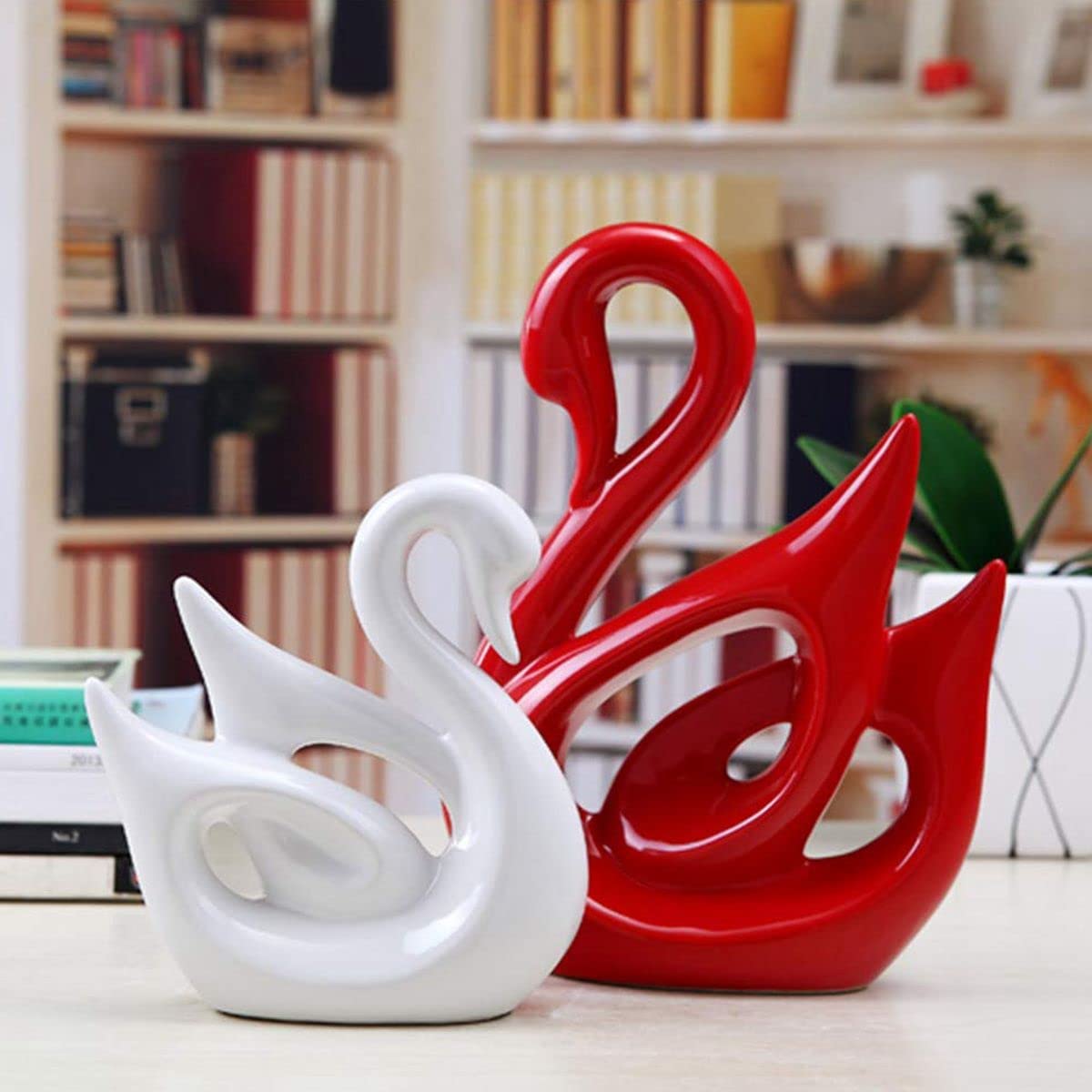
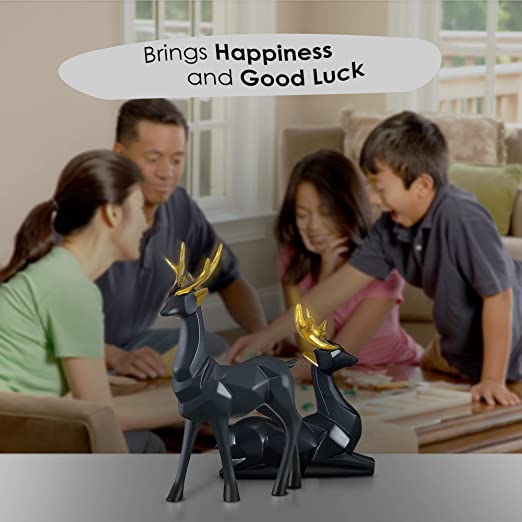
It seems counterintuitive, but pushing all your furniture against the walls can actually make a room feel smaller. Try floating your sofa a few inches away with a slim console table behind it, or angle that armchair slightly. This creates a sense of movement and intentional design rather than "I'm just trying to maximize floor space!" Think of it like leaving a little breathing room around your furniture—everybody needs some personal space, even your couch! Add complementary Floating decor showpieces for spatial illusion in tight layouts to shelf edges and console tables to complete the levitating look.
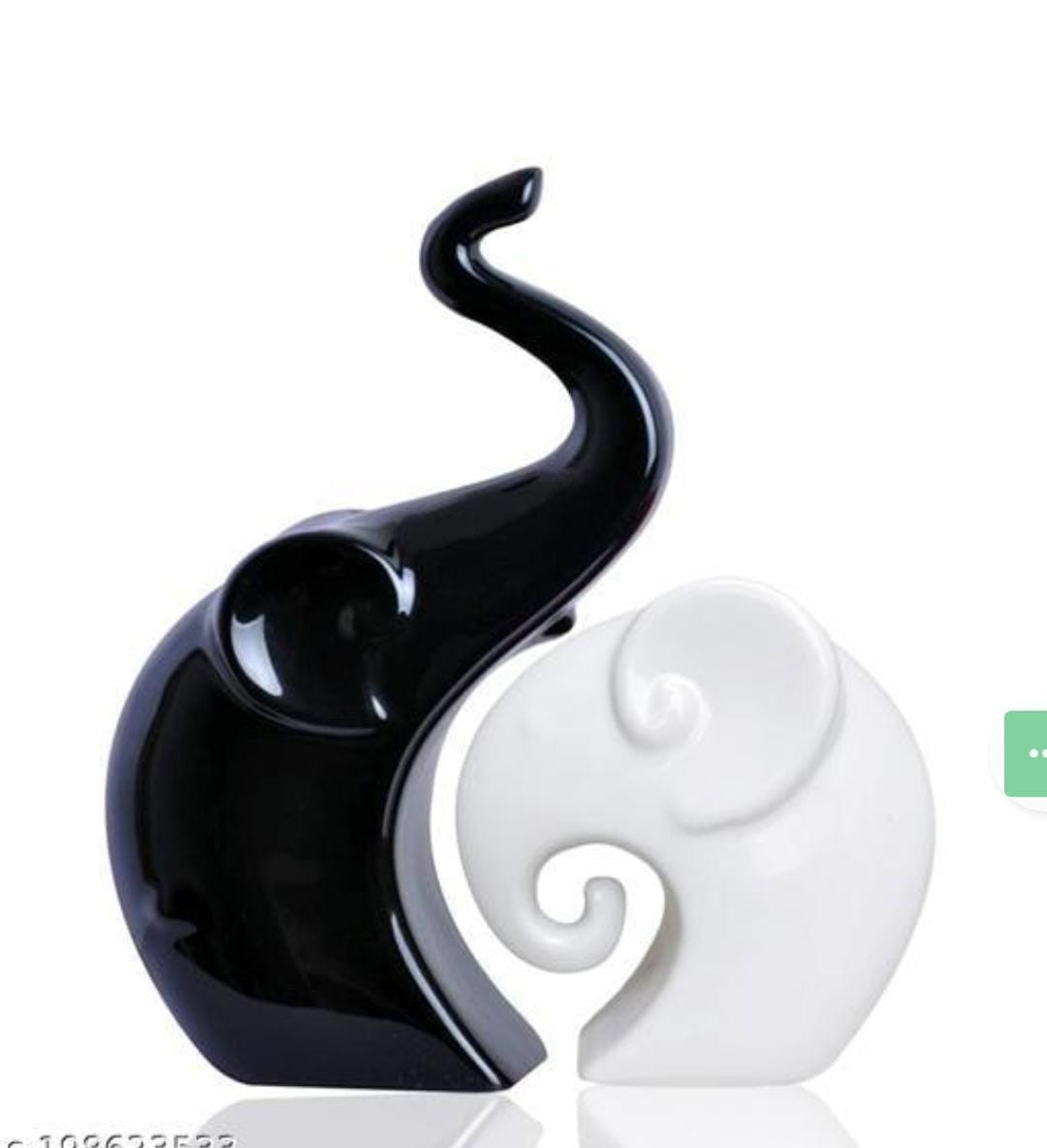
Diagonal arrangements create the longest possible line through any room, tricking the eye into seeing more space. Try placing a rug on a diagonal, arranging furniture at slight angles, or even adding diagonal pattern elements. This subtle shift breaks up the boxy feeling of most rooms and creates visual interest that distracts from size limitations. I rearranged my bedroom furniture at a slight angle last month, and now I bump into things slightly less often AND the room feels bigger—win-win!
There you have it, space-challenged friends! With these optical illusions and visual tricks, you can make your humble abode feel like a mansion—or at least like a slightly larger humble abode. The beauty of these tips is that most don't require renovation or even big spending—just a willingness to think differently about your space. Remember: perception is reality when it comes to room size. Your brain can be fooled, and in this case, that's a very good thing! Now go forth and expand virtually—your claustrophobic cat will thank you!
Mirrors are the MVPs of space-expanding decor, reflecting light and visually doubling your square footage. Light colors on walls, furniture with visible legs, glass or acrylic pieces, strategic lighting, and minimal clutter all create the illusion of more space. Vertical elements like floor-to-ceiling curtains draw the eye upward, making ceilings appear higher. The secret sauce is creating visual flow and allowing the eye to travel uninterrupted throughout the space—so keep pathways clear and avoid visual roadblocks!
The 3-4-5 rule is like the Pythagorean theorem of decorating (but way more fun)! It suggests working with odd numbers and different heights to create visually appealing arrangements. Group decor items in clusters of 3, 4, or 5 objects rather than even numbers, which can look too symmetrical and static. Vary the heights, with the tallest item typically at the back or center of the arrangement. This creates dynamic visual interest while maintaining enough order to avoid looking chaotic. It's basically the "cool jazz" approach to decorating—structured but with room for improvisation!
The 3-5-7 rule is your color palette's best friend! It suggests using three colors in a 70-20-10 distribution throughout a room. Choose a dominant color (used in about 70% of the space, typically walls and large furniture), a secondary color (about 20%, seen in accent furniture and textiles), and an accent color (the remaining 10%, found in accessories and small details). This creates balance while avoiding the rainbow explosion effect. Some designers expand this to include 5 or 7 total colors (adding more accent options), but the key is maintaining that distribution so your space feels cohesive rather than chaotic!
The 70-20-10 rule is like the perfect recipe for color distribution in your space! Allocate approximately 70% of your room to your primary color (usually walls, large furniture pieces, and flooring), 20% to a secondary color (medium-sized furnishings, accent chairs, curtains), and 10% to accent colors (pillows, artwork, decorative objects). This balance creates visual interest without overwhelming the eye. Think of it like a well-designed outfit: the main garment (70%), complementary pieces (20%), and that perfect statement necklace or tie that pulls it all together (10%)!
The 7 pillars of interior design wisdom are: Space (the foundation—how you'll use and move through the room), Line (horizontal for width, vertical for height, diagonal for energy), Form (shapes—curved for softness, angular for drama), Light (natural and artificial sources that create mood and function), Color (the emotional component that sets the tone), Texture (tactile elements that add depth and interest), and Pattern (visual complexity that adds personality). Master these elements and you're practically ready to start your own HGTV show! These fundamentals work together like the Avengers of design—each with their own superpower, but unstoppable when combined!


