
Cart
Ah, the dining room in a small home—where family memories are made, meals are shared, and sometimes, we wonder how we'll fit one more person at the table! If you're staring at your compact dining space and feeling a bit overwhelmed, take a deep breath and grab a coffee (or wine, no judgment here). Minimalist design isn't just a trendy buzzword; it's your secret weapon for transforming that snug little corner into a dining area that feels surprisingly spacious and utterly stylish. Ready to work some small-space magic? Let's dive into ideas that'll have your guests asking, "How did you make this tiny space look so fabulous?"
Remember when your grandma's dining room had enough furniture to fill a small country? Well, times have changed, friend! Minimalism is like that cool, confident person who knows they don't need to shout to be heard. Start by being ruthlessly selective about what stays in your dining space. That cabinet holding dishes you use once a decade? That collection of decorative plates your aunt gave you? Time for some tough love! Keep only what you use weekly, and suddenly your dining area can breathe again. And guess what? You'll spend less time dusting and more time actually enjoying meals. Win-win! A smart next step could be adding a Minimalist Ceramic Vase for Dining Room Shelf Accents, which adds aesthetic charm without overwhelming small spaces.
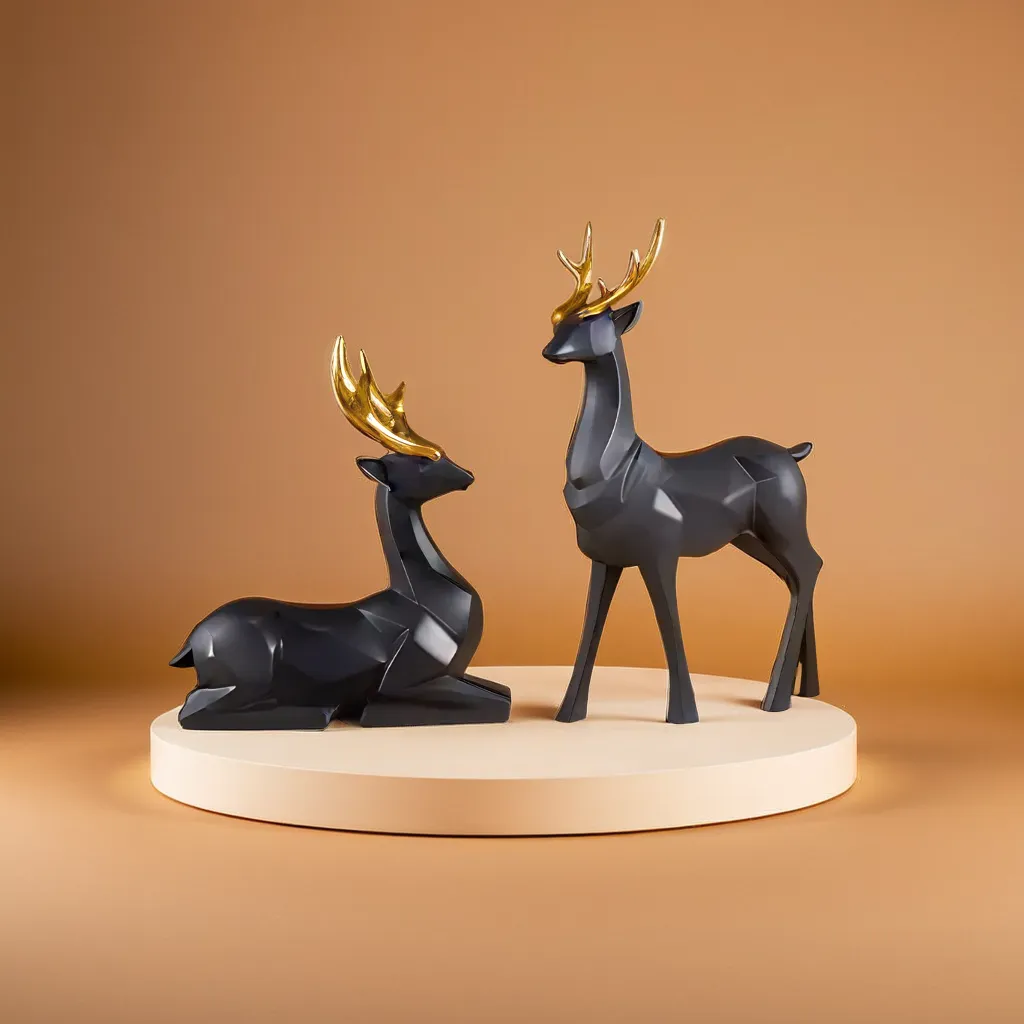
Let's have a moment of appreciation for round tables, shall we? These circular wonders are like the social butterflies of furniture—they encourage conversation, eliminate those awkward corner seats (goodbye, person stuck facing the wall!), and magically accommodate that unexpected guest. Plus, without sharp corners to navigate, you'll save your hip bones from countless bruises when squeezing past. Opt for a pedestal base rather than four legs, and you've just created even more leg room underneath. Who knew geometry could be so practical for dinner parties? Add a touch of charm on the table with a Small Resin Showpiece for Cozy Round Dining Setups.
Want to know a design secret that's basically like having a magic wand? Light colors! White, cream, soft gray—these shades are basically the Spanx of interior design, making everything look bigger and more lifted. Paint those walls in a bright white, add a light-colored dining set, and watch your space visually expand like it's been to the gym. Dark colors, while dramatic and cozy, tend to make spaces feel like they're giving you a too-tight hug. Save the moody tones for accents instead—a black picture frame here, a navy napkin there—just enough drama without the spatial shrinkage. A carefully placed Bright-Colored Wall Hanging for Vibrant Minimalist Dining Areas can brighten up the atmosphere while keeping a clean aesthetic.
In a small space, your furniture needs to work harder than a barista during morning rush hour. Look for dining tables with built-in storage drawers for napkins and utensils. Consider benches that open up to store seasonal items. Or go for the ultimate space-saver: a drop-leaf table that can expand when company comes and shrink back down when it's just you binge-watching with a TV dinner. And those dining chairs? They should be pretty enough to double as extra seating in your living room when needed. Remember: in the land of small spaces, single-purpose furniture is so last season! Complete that overachiever setup with Multipurpose Modern Decor Statues for Dining Corners that work seamlessly in any nook or bench.
Channel your inner astronaut and think: what can float? Wall-mounted shelves instead of a bulky hutch, fold-down tables that disappear when not in use, even wall-mounted lighting instead of table lamps. These gravity-defying solutions free up valuable floor space and create that airy, uncluttered feel that makes minimalists weak in the knees. Plus, there's something undeniably cool about furniture that looks like it's floating—it's practically magic, minus the top hat and rabbit. Use Wall-Mounted Ceramic Vases for Dining Nooks as clever floating accents above side tables or on vertical panels.
Remember Harry Potter's invisibility cloak? Glass and lucite furniture are basically the next best thing. A glass dining table creates the illusion of more space because your eye travels right through it. Lucite chairs (those clear, ghost-like seating options) perform the same visual trick. When furniture doesn't visually block space, your dining area instantly feels larger. Fair warning though: these transparent beauties do show fingerprints and smudges, so keep those microfiber cloths handy unless you want your dinner guests counting how many times you've touched your table today. Add an Artistic Hanging Decor to Compliment Lucite Dining Aesthetic for a floating art vibe.
Mirrors aren't just for checking if you have spinach in your teeth after dinner—they're secret space-expanders! Placing a large mirror on one wall of your dining area reflects light and visually doubles your space. It's like getting extra square footage without dealing with contractors or permits! Other reflective surfaces like glossy cabinets, metallic light fixtures, or even a sleek silver tray centerpiece bounce light around the room, creating a brighter, more open-feeling space. Just be strategic about placement—you don't want guests watching themselves chew in high definition. Consider including a Reflective Resin Decorative Showpiece for Mirror Accent to boost light while staying stylish.
Imagine the booth at your favorite brunch spot, but in your home and without the sticky maple syrup residue. Built-in banquette seating hugs walls, eliminates the need for chairs on one or more sides of the table, and often comes with bonus storage underneath. Add some slim chairs on the opposite side, throw in some cute cushions, and suddenly your dining nook is the most sought-after reservation in town. Pro tip: make those cushion covers removable and washable, because spaghetti sauce has an uncanny ability to jump exactly where it shouldn't. Accent the nook with a Contemporary Abstract Statue for Banquette Ends to define the space.
When floor space is at a premium, the walls and ceiling become your new best friends. Install floating shelves above your dining area to store pretty dishes or glassware. Hang plants from the ceiling rather than placing them on valuable surface space. Consider vertical plate racks or wine glass holders. Even your lighting can go vertical with pendant lights that draw the eye upward instead of table lamps that eat up precious dining surface. Remember: in small space design, the sky (or at least your ceiling) is literally the limit! Use a Tall Corner Showpiece for Dining Room Vertical Focal Elevation to make the eye rise and enjoy the illusion of height.
In minimalist dining rooms, décor follows the "less but better" rule. Instead of fifteen small knick-knacks, choose one stunning piece of art or a single dramatic plant. Rather than a cluttered centerpiece, opt for a simple vase with fresh flowers or a sleek candle. Think of décor like seasoning a perfect dish—just enough to enhance, not overwhelm. And here's a fun rule to live by: if dusting your dining room takes longer than actually eating dinner there, you've probably got too much stuff! Add exquisite character with a Sculptural Dining Room Centerpiece from Ceramic Decor Collection.
Even minimalists have stuff—they're just better at hiding it! Explore under-table storage baskets for napkins and placemats. Consider slim cabinets that fit in previously unused corners. Look for dining tables with hidden compartments for storing extra leaves or tableware. The goal is to keep daily essentials accessible but out of sight, maintaining that clean, uncluttered aesthetic that makes small spaces feel serene. Remember, there's a fine line between minimalism and "where the heck did I put the salt shaker?"—aim for organized, not empty! A Compact Antique Decorative Jar for Hidden Tabletop Storage is both functional and fashionable.
Lighting in a small dining space isn't just functional—it's transformational! Skip the bulky table lamps and floor lamps that eat up precious space. Instead, opt for sleek pendant lights hung at just the right height above your table. Wall sconces add ambiance without claiming any table or floor real estate. And dimmers? They're the unsung heroes of dining room design, letting you switch from bright "I need to see every crumb" lighting for casual family meals to soft, flattering "everyone looks gorgeous" lighting for dinner parties. Because let's face it—we all look better in gentle lighting after that second glass of wine! Add brilliance through a Modern Glazed Statue with Light-Reflective Quality for Dining Areas that shines without stealing space.
According to Feng Shui principles, mirrors in bedrooms are a bit controversial! They can be used, but with caution. Avoid placing mirrors directly across from your bed, as they're believed to bounce energy around the room and potentially disturb sleep. If you do use bedroom mirrors, position them where they won't reflect the bed when you're lying in it. A mirror on a closet door or dressing area that doesn't face the bed can work wonderfully without disrupting your bedroom's peaceful energy flow.
From a practical standpoint, mirrors in bedrooms are useful for getting dressed and ready! From a Feng Shui perspective, it depends on placement. Mirrors can make small bedrooms feel larger and bounce light around, which is beneficial. However, they can also create a sense of restlessness for some sleepers. If you sleep well with mirrors present, there's no problem keeping them. If you notice sleep issues, try covering mirrors at night or relocating them to see if your rest improves.
The best places to hang bedroom mirrors are: on closet doors, over dressers, in dressing areas, or on walls perpendicular to the bed (never facing it directly). A full-length mirror on the back of a door or in a corner works well for functionality without dominating the space. For aesthetic purposes, hang mirrors where they'll reflect something pleasant—like a window with natural light or a beautiful piece of art—rather than clutter or doorways.
Avoid placing mirrors directly across from your bed where they reflect you while sleeping—this is considered disruptive in Feng Shui and can be startling when you wake up! Don't position mirrors where they create weird visual cuts through the bed or fragmented reflections of people. Skip mirrors on the ceiling (unless you're going for a very specific vibe!), and don't place mirrors where they'll reflect bathroom doors or cluttered areas, as they'll visually multiply the mess or negative energy.
To create a Feng Shui-friendly bedroom: position your bed so you can see the door but aren't directly in line with it; keep electronics to a minimum; choose soothing colors like soft blues, greens, or neutrals; ensure good air quality; incorporate pairs of items (two nightstands, two pillows) to promote partnership energy; avoid clutter under the bed; use natural materials where possible; keep work items out of the bedroom; add appropriate lighting with dimmers; and incorporate elements that bring you personal joy and relaxation. Remember, the bedroom should feel like a sanctuary dedicated to rest and rejuvenation!


