
Cart
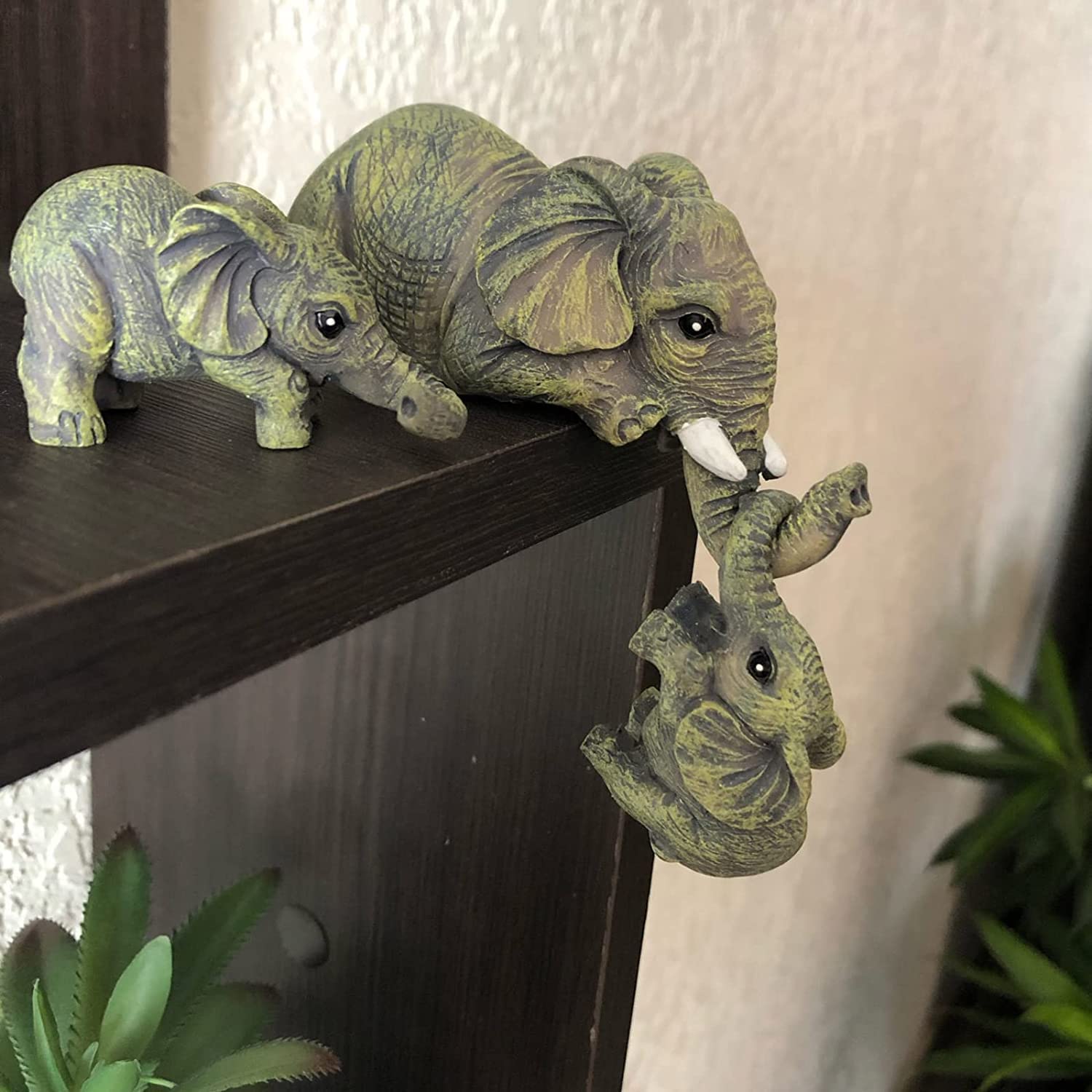
Let's face it, fellow apartment dwellers – our homes might be small, but our design dreams are MASSIVE! If you're living in a compact Indian apartment where you can practically cook breakfast, shower, and check your email without getting up from bed, you're not alone. The good news? With the right interior designer, your tiny space can feel like a palace (okay, maybe more like a really fancy tiny house, but still!). Finding that perfect designer who understands the unique challenges of Indian apartments – from nosy neighbors to those bizarre column placements – is like finding the last piece of paneer in your butter masala. Pure satisfaction! And when a designer incorporates touches like Stunning Ceramic Vases for Stylish Small Indian Apartments, every nook starts feeling like it belongs in a magazine spread.
A brilliant interior designer for small spaces isn't just someone who knows which shade of grey is trending this season. They're part magician, part therapist, and part storage ninja! They'll transform your 600 square feet from "Is this a house or a large cupboard?" to "How is this apartment hiding three extra rooms?!" The right designer will listen to your needs, understand your budget (without that judgmental eyebrow raise), and create functional solutions that don't require you to part with your beloved collection of Bollywood posters. A clever way to elevate compact spaces is integrating décor like Artistic Wall Hangings for Clever Interior Solutions that fit without overwhelming.
Let's address the elephant in the room – or in this case, the elephant that won't fit in your room – money! Contrary to popular belief, hiring an interior designer doesn't mean you'll be surviving on Maggi noodles for the next year. Many designers offer flexible packages, from full-service makeovers to simple consultation sessions where they'll give you a roadmap to follow at your own pace. Before meeting designers, decide on your budget range – including that little extra for the "I absolutely must have that" items. Pro tip: Be upfront about your budget! Nothing kills design dreams faster than discovering that gorgeous living room setup costs more than your annual salary! Choose affordable yet striking Modern Resin Showpieces for Budget-Friendly Space Design to stay trendy and cost-effective.
In a world where everyone with a Pinterest account calls themselves a "design enthusiast," how do you separate the pros from the pretenders? Start by checking their formal qualifications – degrees in interior design, architecture, or relevant certifications. But don't stop there! Look at their portfolio with detective-level attention. Do they have experience with spaces similar to yours? Can they show "before and after" photos of small apartments? And remember, that dreamy minimalist design might look amazing, but can it accommodate your mother-in-law's surprise weekend visits and your work-from-home setup? The right designer's portfolio should make you say, "This could work for real humans – not just for magazine photoshoots!" For traditional styles, consider those who suggest Vastu Home Decor for Verified Indian Design Aesthetics.
There's a special kind of magic when your designer understands that Indian homes need to accommodate everything from pooja corners to pressure cookers. A designer familiar with Indian living patterns knows that your kitchen needs space for that massive mixer grinder your mom insisted you must have, and that balconies often serve as laundry rooms, mini-gardens, and occasional dining spots. They'll understand the importance of shoe storage near entrances and won't be shocked when you request extra seating for unexpected guests (because in Indian homes, guests never really need an invitation!). Savvy designers also use Utility-Oriented Home Decor Products for Indian Family Spaces that blend beautifully and function exceptionally.
Picture this: you say "cozy," and they hear "cluttered." You say "traditional with a modern twist," and they design something that looks like your grandmother's home after an alien invasion. Avoiding design disasters starts with finding someone who speaks your language! During initial consultations, notice how they respond to your ideas. Do they listen actively? Do they ask thoughtful questions about your lifestyle? A great designer should be able to translate your vague descriptions like "Something homey but not boring" into actual design concepts. Think of the first meeting as a first date – if you're constantly explaining yourself or feeling misunderstood, it might be time to swipe left! When they propose using Compact Decor Accessories for Personalized Cozy Apartment Corners, chances are you’ve found your design match.
Not all designers are created equal when it comes to small spaces. Some excel at sprawling bungalows but panic when faced with a 1BHK challenge. Look specifically for designers who showcase small space solutions in their portfolio. These spatial wizards will know tricks that regular designers don't – like how to make low ceilings appear higher, how to create multipurpose areas that don't feel cramped, and where to find that magical sofa that converts into a bed, dining table, AND home office (okay, that might not exist, but they'll find the next best thing!). A small space specialist won't try to squeeze a mansion's worth of furniture into your apartment – they'll curate pieces that serve multiple functions while still looking fabulous! Accent this with Multiuse Birthday Gift Decorative Pieces Perfect for Small Homes for functional yet festive charm.
Let's be honest – nobody wants their home to look like a construction site for months, especially when your entire apartment is smaller than some people's master bathrooms! Discuss realistic timelines with potential designers. How long will the design process take? What about the actual implementation? Will you need to temporarily move out (and if so, for how long)? A professional designer should provide a clear timeline with some buffer for unexpected delays (because let's face it, when have renovations ever finished exactly on schedule?). The use of Quick Installation Wall Hanging Decor Pieces Designed for Time-Crunched Renovations can seriously fast-track your styling goals.
In the age of filtered photos and edited testimonials, nothing beats good old-fashioned word of mouth. Ask for references from past clients, particularly those with similar spaces or budgets. When you contact these references, go beyond basic questions like "Were you satisfied?" Ask specific ones like "How did they handle unexpected problems?" or "Did they respect your budget constraints?" Social media reviews can be helpful, but pay special attention to how designers respond to negative feedback – it reveals their professionalism and problem-solving approach. Smart clients rely on Small Apartment Showpieces That Come Highly Recommended by Reviewers to quickly elevate the vibe.
Once you've found your design soulmate, don't let excitement cloud your judgment! A clear contract is as essential as that multi-purpose furniture you've been eyeing. Ensure it covers scope of work, payment schedule, revision policies, and timeline. Pay special attention to what happens if you want changes mid-project (because you will). How many revisions are included? What additional costs might pop up? A transparent designer will explain potential additional expenses upfront, like what happens if your 40-year-old building suddenly reveals surprise plumbing issues behind the bathroom wall. Consider investing in Contemporary Decorative Items That Complement Defined Interior Contracts for decor clarity and cohesion.
The best designer-client relationships are partnerships, not dictatorships. Your designer brings expertise and vision, while you bring intimate knowledge of how you actually live. Do you need a dedicated space for your yoga practice? Storage solutions for your extensive collection of pressure cookers? A work corner that can be hidden when relatives visit? Be honest about your lifestyle needs, but also be open to pushing your comfort zone slightly. The magic happens in that collaborative middle ground where their expertise meets your real-life requirements. A designer who dismisses all your input is a red flag, but so is expecting them to simply execute your Pinterest board without any professional input! Stylish collaborations often include Giftable Resin Statues That Reflect Shared Design Vision — blending function and bonding.
In a world of fast furniture and trendy decor, finding a designer who thinks long-term is like striking gold. The right designer for your small Indian apartment should suggest solutions that won't look dated in two years or fall apart after one enthusiastic Diwali cleaning session. Ask potential designers about their approach to sustainability. Do they incorporate traditional Indian crafts that stand the test of time? Can they suggest materials that age beautifully? How do they balance trendy elements with classic foundations? In thoughtful homes, every item matters — like Antique Resin Showpieces for Long-Term Sustainable Home Decor that stay stylish and strong.
The design journey doesn't end when the last cushion is fluffed. A thoughtful designer will check in after you've lived in the space for a few weeks to see how the design functions in real life. Are those clever storage solutions actually working? Is that beautiful white sofa proving impractical during mango season? The right designer views the relationship as ongoing, offering support for minor adjustments and advice as your needs evolve. Before finalizing your choice, ask about their post-project availability. Will they be willing to suggest small updates a year later? Can they recommend maintenance solutions for the materials they've used? This long-term perspective makes all the difference in creating homes that remain joyful, personal spaces.
The 70/30 rule is your small space's best friend! It suggests that 70% of your space should follow one style direction, while 30% can venture into complementary or contrasting styles. For example, if your apartment is primarily contemporary (70%), you can add traditional Indian elements (30%) without creating visual chaos. This rule helps create spaces that feel cohesive yet interesting – especially crucial in small apartments where visual clutter can make rooms feel even smaller!
Finding your design match requires homework beyond just admiring pretty portfolios! Start by clearly defining your needs, style preferences, and budget. Then research designers specializing in small spaces, particularly Indian apartments. Check their credentials, review their past work (especially before-and-after transformations), and read client testimonials. Schedule consultations with your top 2-3 choices to assess their communication style and understanding of your vision. The right designer will balance listening to your needs while confidently suggesting solutions you hadn't considered – all while respecting your budget constraints!
The 2/3 rule is a composition principle that creates visual harmony in your space. It suggests that when decorating a wall or surface, aim to fill about two-thirds of the available space, leaving one-third empty. For example, your bookshelf should be about 2/3 filled with books and decor, while a wall arrangement should occupy roughly 2/3 of the wall height or width. This prevents spaces from feeling either too cluttered or too sparse – a perfect balance for small apartments where every visual decision makes a big impact!
The seven fundamentals that every good designer considers are: space planning (especially crucial in small apartments), line (horizontal, vertical, and dynamic lines that guide the eye), form (the shapes and silhouettes of items), light (natural and artificial sources), color (creating mood and perception of space), texture (adding depth and interest), and pattern (creating visual rhythm). A skilled small-space designer will manipulate these elements to make your apartment feel larger and more functional – like using vertical lines to create the illusion of height or selecting light colors to make rooms feel more spacious!
The 4 P's framework helps designers create spaces that truly work for their clients: Purpose (how the space needs to function), Personality (reflecting the occupant's character and preferences), Practicality (ensuring the design works for real life), and Protection (creating spaces that are safe and durable). In small Indian apartments, these principles become even more critical – every square foot must serve a purpose, practical considerations can't be sacrificed for aesthetics alone, and durable materials will prevent frequent replacements in high-use areas. The right designer will balance all four P's while creating a space that still feels uniquely yours!


