
Cart
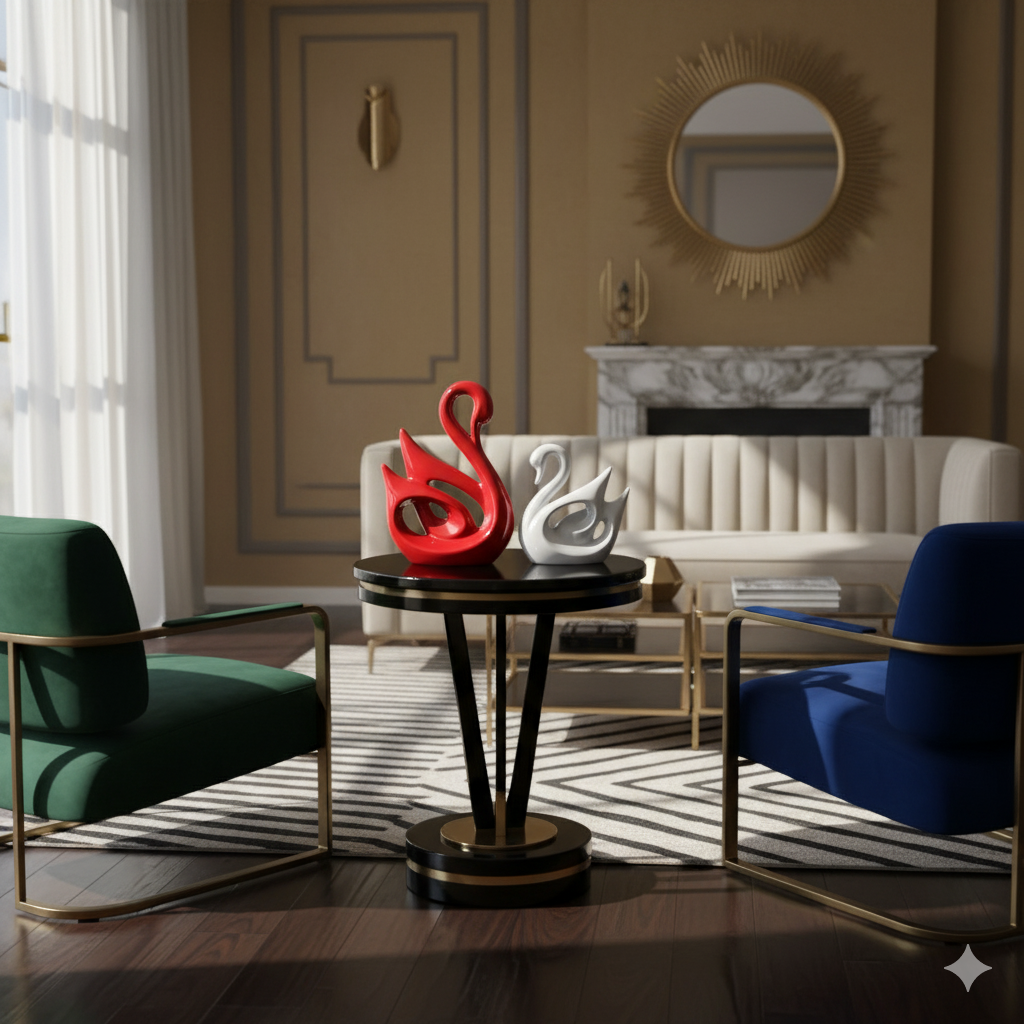
Ever walked into a home that somehow perfectly blends your grandmother's cherished antiques with sleek, contemporary pieces that look straight out of a design magazine? That magical mix—where traditional charm meets modern edge—isn't just a happy accident! It's the result of thoughtful design choices that create spaces with depth, personality, and a timeless appeal that screams "I have style AND substance!" Mixing modern and traditional décor is like creating the perfect playlist—you need the classics, the trending hits, and your personal favorites to create something truly special. So whether you're trying to incorporate family heirlooms into your minimalist apartment or add some contemporary flair to your classic colonial, I've got thirteen fabulous tips that'll help you become the DJ of your domestic domain. Let's turn that décor dial up, shall we? For instance, pairing classic architecture with Artistic Wall Hangings and Decor for a perfectly blended home design can effortlessly bridge styles while adding unique character.
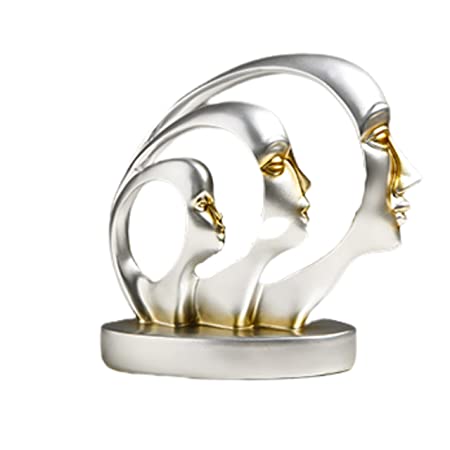
Start your style-blending journey with key anchor pieces that set the tone. Maybe it's that gorgeous traditional sofa with the wooden trim you inherited from Aunt Martha, or perhaps it's that sleek, modern coffee table you splurged on last year. These substantial items establish your foundation—like the bass line in your favorite song. Once you've identified your anchors, you can build around them with complementary pieces from the opposite style. Pro tip: If your anchor pieces are traditional, add modern accessories. If they're contemporary, warm things up with traditional accents. It's like pairing wine with cheese—sometimes the most unexpected combinations create the most delightful experiences! Think about adding a Resin Abstract Showpiece to complement traditional furniture and create balance without overwhelming your space.
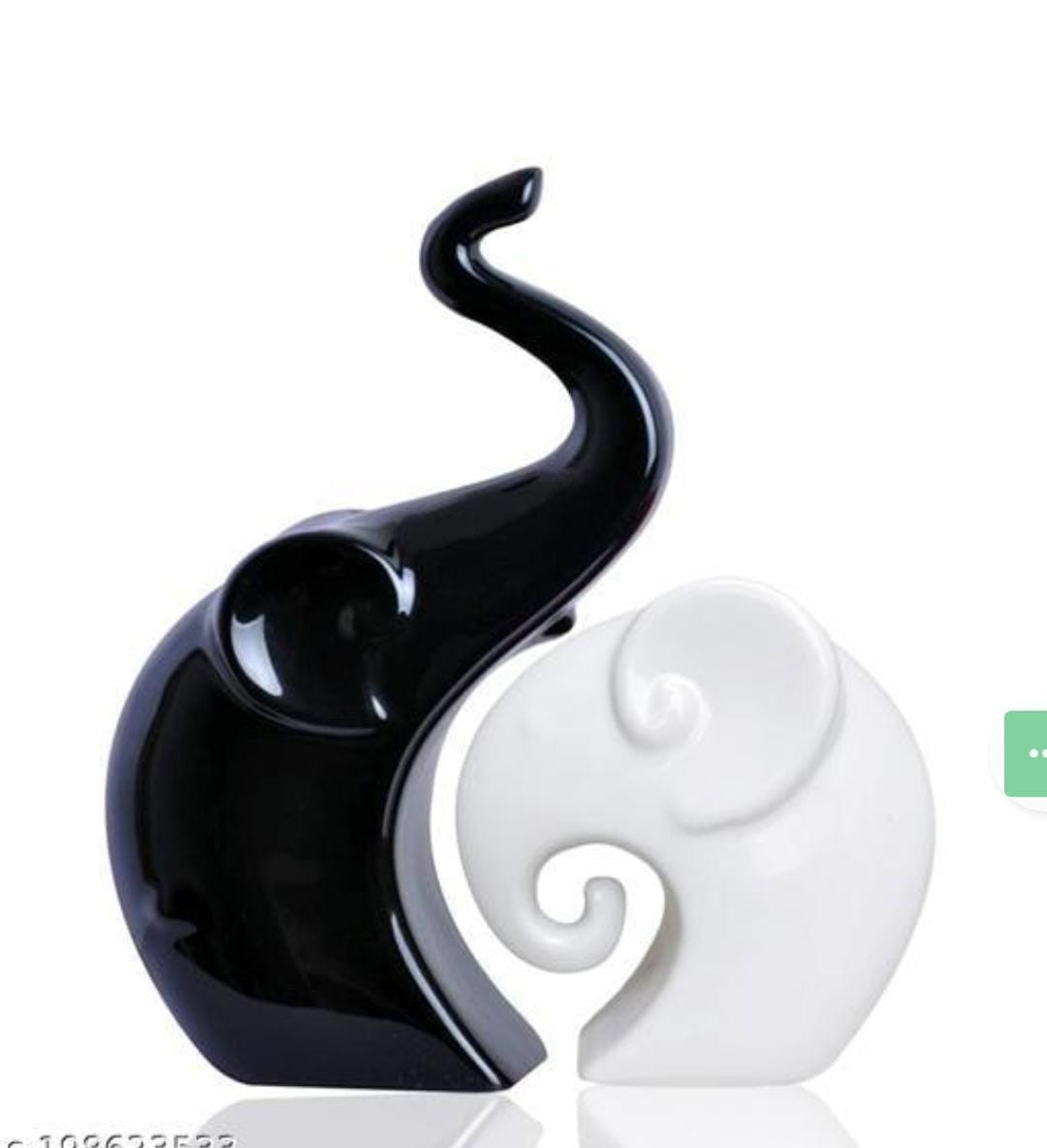
Nothing ties different styles together like a cohesive color palette! Think of color as the magical glue that makes your eclectic choices look intentional rather than accidental. Choose 2-3 main colors and stick with them throughout your space. For a foolproof approach, try keeping your walls and larger pieces neutral (whites, creams, grays), then add pops of color through accessories. This creates a harmonious backdrop where your modern glass vase and traditional brass candlesticks can live together in perfect harmony—like peanut butter and jelly, but for your eyeballs! A smart way to do this is through Subtle tone Ceramic and Resin Vases that fit both décor worlds effortlessly and harmonize with your chosen palette.
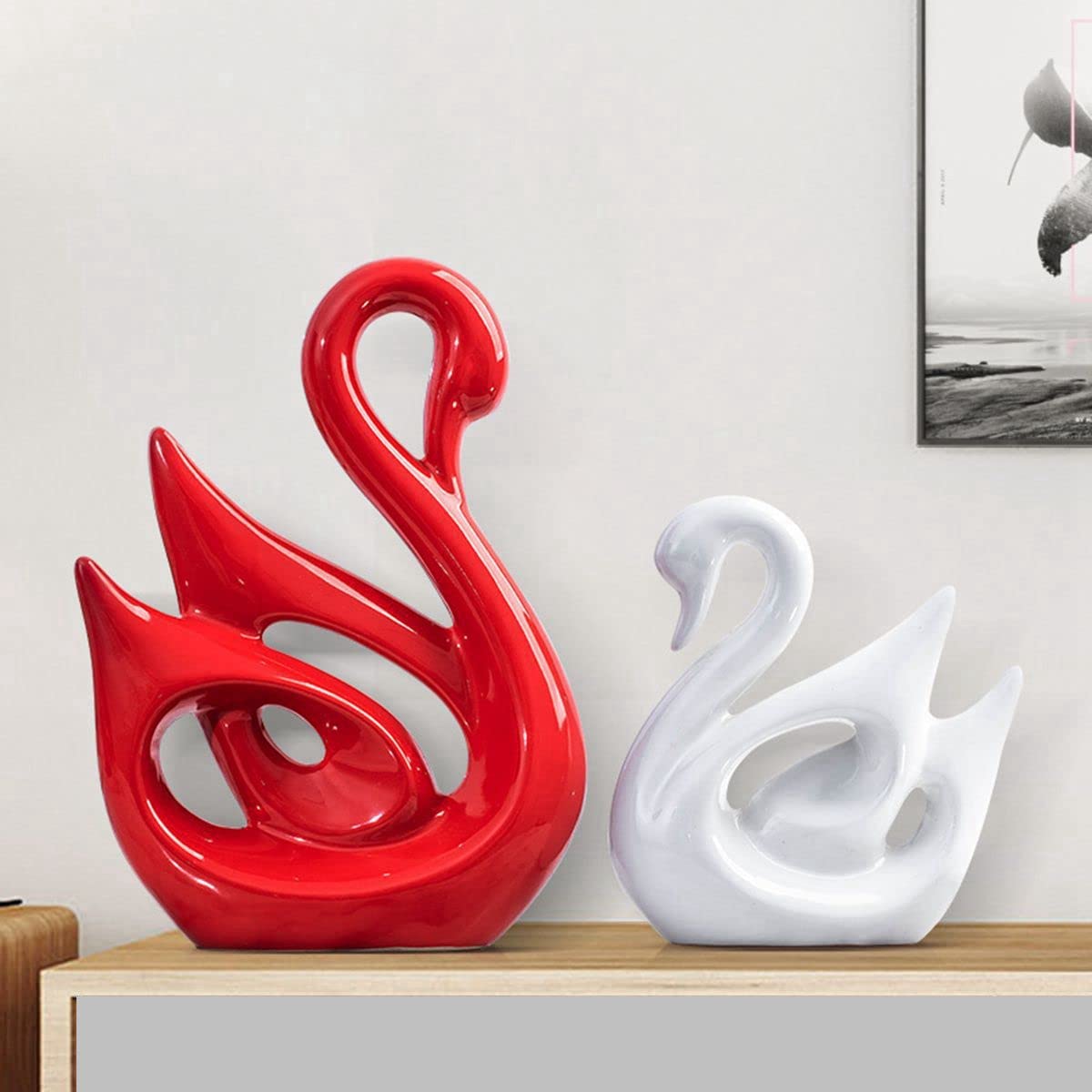
If your home were an orchestra, textures would be the different instruments creating a symphony! Blend smooth with rough, shiny with matte, and soft with hard to create visual interest that makes both modern and traditional elements sing. Try pairing a sleek, lacquered modern table with traditional upholstered chairs featuring rich, textured fabrics. Or toss some nubby, traditional knit throws on your streamlined modern sofa. The contrast creates depth that says, "Yes, I absolutely meant to do this," even if you were just experimenting! Consider adding Matte Finish Decorative Items that blend beautifully into sensory-rich interiors and elevate the textural map of your room.
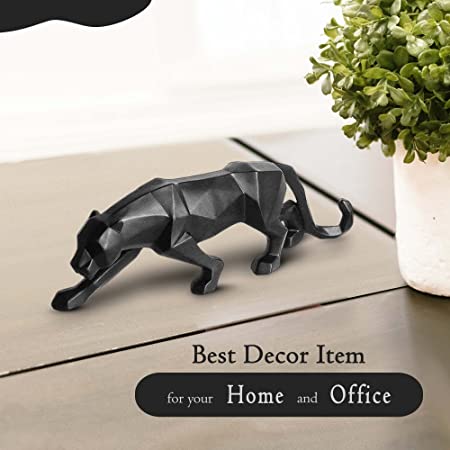
Creating visual balance when mixing styles is crucial—unless the "everything is falling over" look is your aesthetic goal! Distribute traditional and modern elements evenly throughout your space so no single area feels like it's having an identity crisis. If you have a traditional sofa and coffee table, balance them with modern lighting and art. Think of it like a seesaw—if you put too much weight on one style, the whole room tips over (metaphorically speaking, of course... though I have seen some truly precarious decorating choices)! Achieve balance using Small decorative showpieces for balance between shelf traditions and modern corners that are designed to anchor style elements subtly.

When combining different style periods, pay attention to the scale and proportion of your pieces. A massive traditional armoire might overwhelm delicate modern side tables, creating a "who invited THAT guy?" moment in your room. Aim for compatible scale—pieces that respect each other's personal space while still playing nice together. Remember, your goal is a cohesive look, not "Game of Thrones" furniture edition where the big pieces are constantly threatening to overthrow the smaller ones! A foolproof way to manage scale is to include Tall Showpieces for Corners to maintain proportional interest and style, giving your décor breathing space and stature.
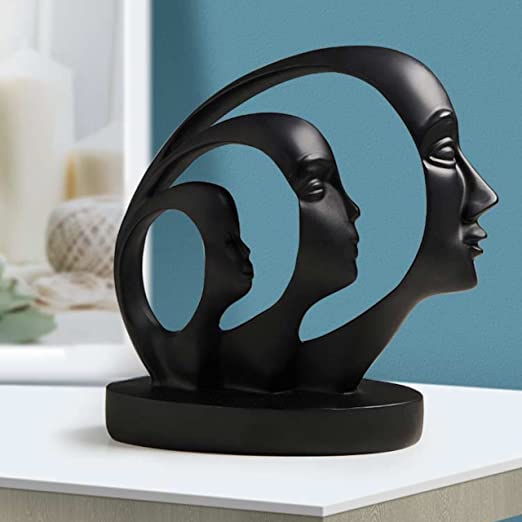
Arrange your furniture to create intimate conversation areas where traditional and modern pieces can mingle like guests at a well-planned dinner party. A traditional sofa can face modern chairs across a coffee table, creating a balanced seating arrangement where neither style dominates. This approach not only looks intentional but also functions well for actual human interaction—because even the prettiest room is a fail if people can't comfortably sit and discuss the latest season of "The Great British Bake Off"! You can accentuate these zones with Decorative corners using medium showpieces that foster meaningful exchanges that bring more warmth and cohesion to seated areas.
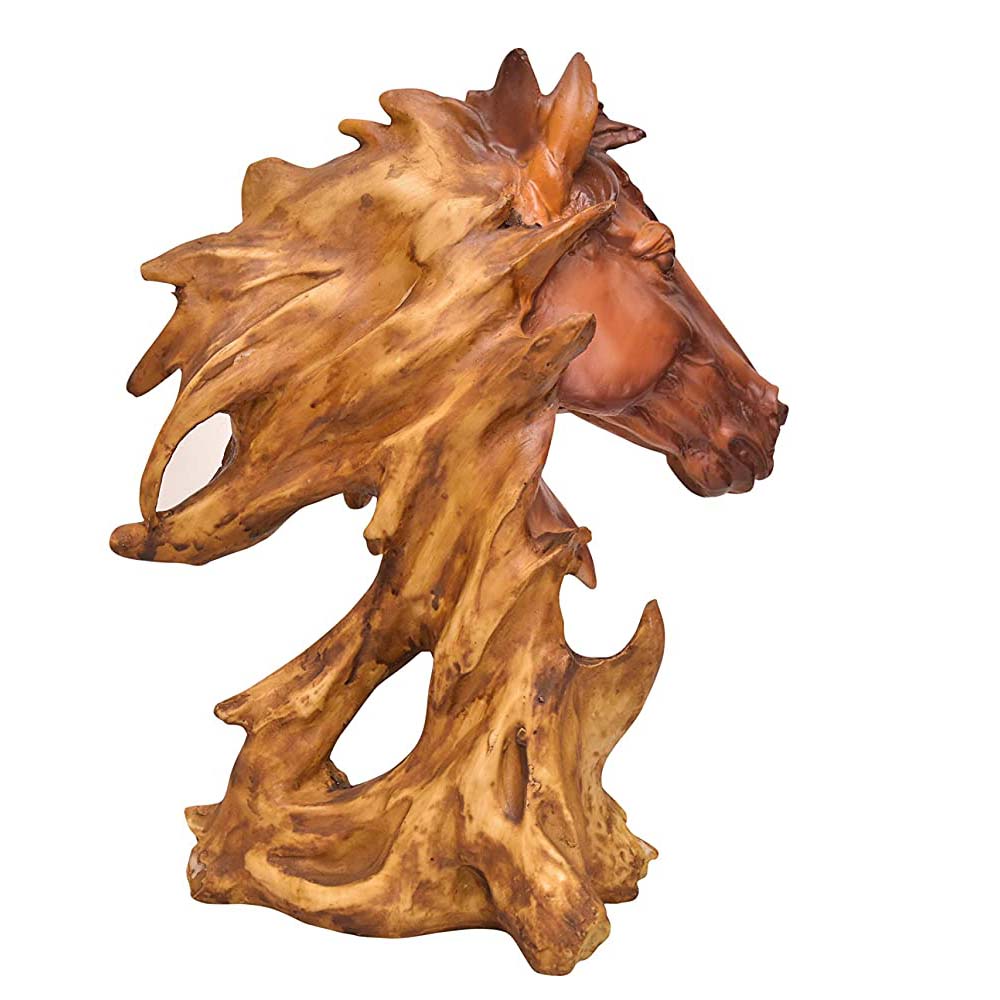
Some furniture is naturally gifted at bridging the gap between old and new—these "transitional" pieces are the diplomats of your décor world. Look for items with traditional forms but modern materials (like a wingback chair upholstered in a contemporary fabric), or modern shapes crafted from traditional materials (like a sleek table made from reclaimed wood). These versatile pieces help smooth the transition between different styles, preventing any awkward "we don't go together at all" moments in your décor story! A great starting point is to introduce Modern statues with antique essence that serve as transitional accents which adapt to both style universes.
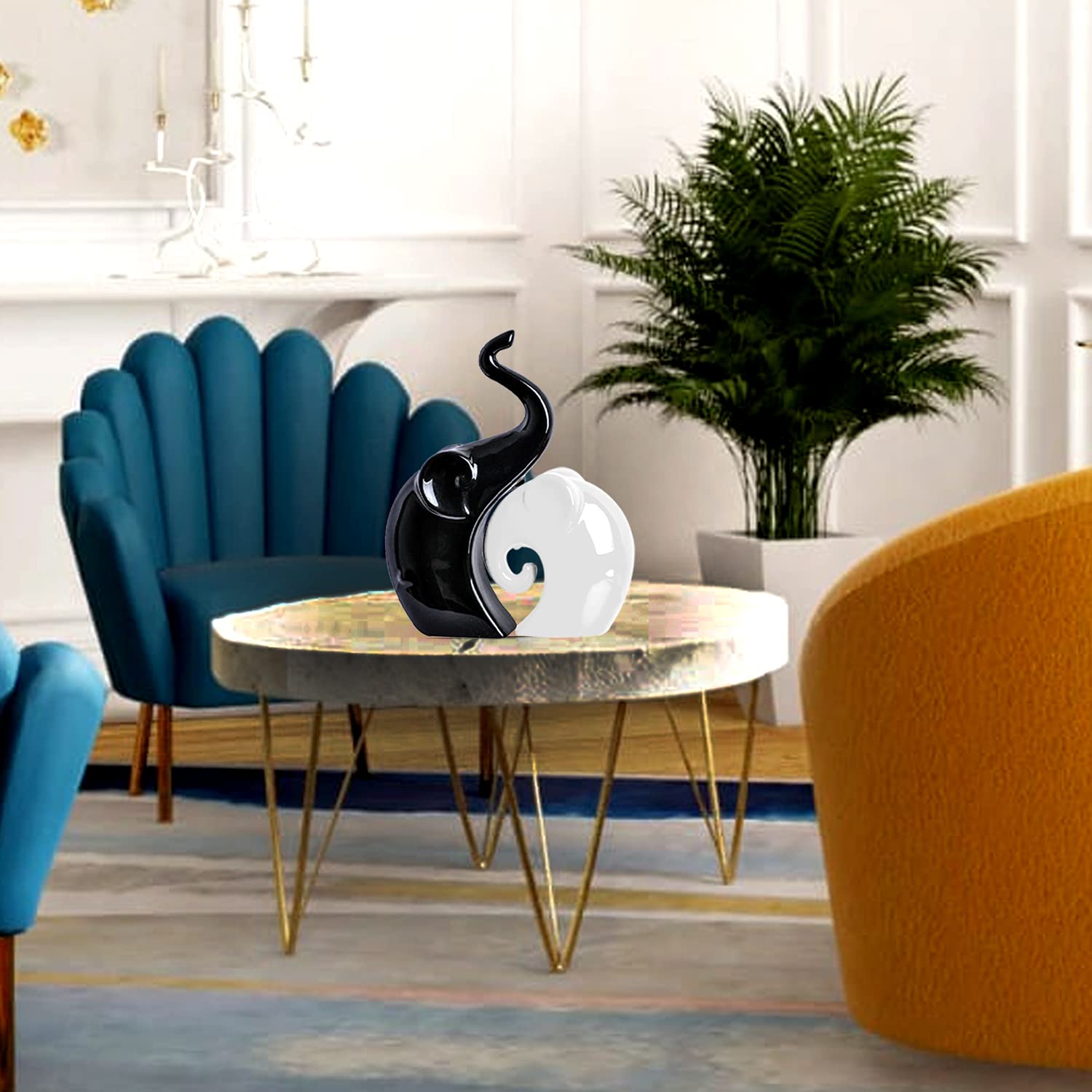
Art has amazing power to tie different styles together—like that friend who somehow knows everyone at the party! Traditional rooms come alive with modern abstract paintings, while contemporary spaces gain depth with vintage maps or traditional portraits. Don't be afraid to hang your ultra-modern art piece above your grandmother's antique console—these unexpected pairings often create the most interesting focal points. Just imagine your great-grandparents in their portrait quietly judging your abstract expressionist painting—now that's cross-generational conversation! Play it up with Wall Décor combinations that contrast yet connect modernity and tradition for artistic harmony that resonates.
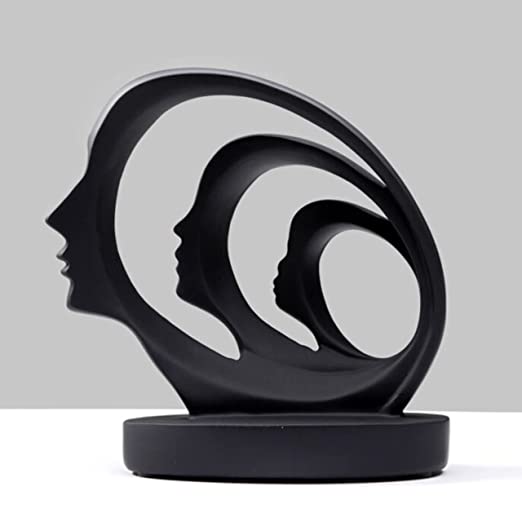
Lighting fixtures offer brilliant opportunities to introduce contrasting styles (see what I did there?). A crystal chandelier can add traditional glamour to a modern dining space, while sleek, contemporary floor lamps can bring modern flair to a room filled with antiques. Think of lighting as jewelry for your room—it adds that perfect finishing touch that pulls everything together. And unlike actual jewelry, it's perfectly acceptable if it occasionally blinds people when they look directly at it! Tie it together with Decor lighting mix matched with resin décor to amplify contrasts that feel deliberate and stylish.
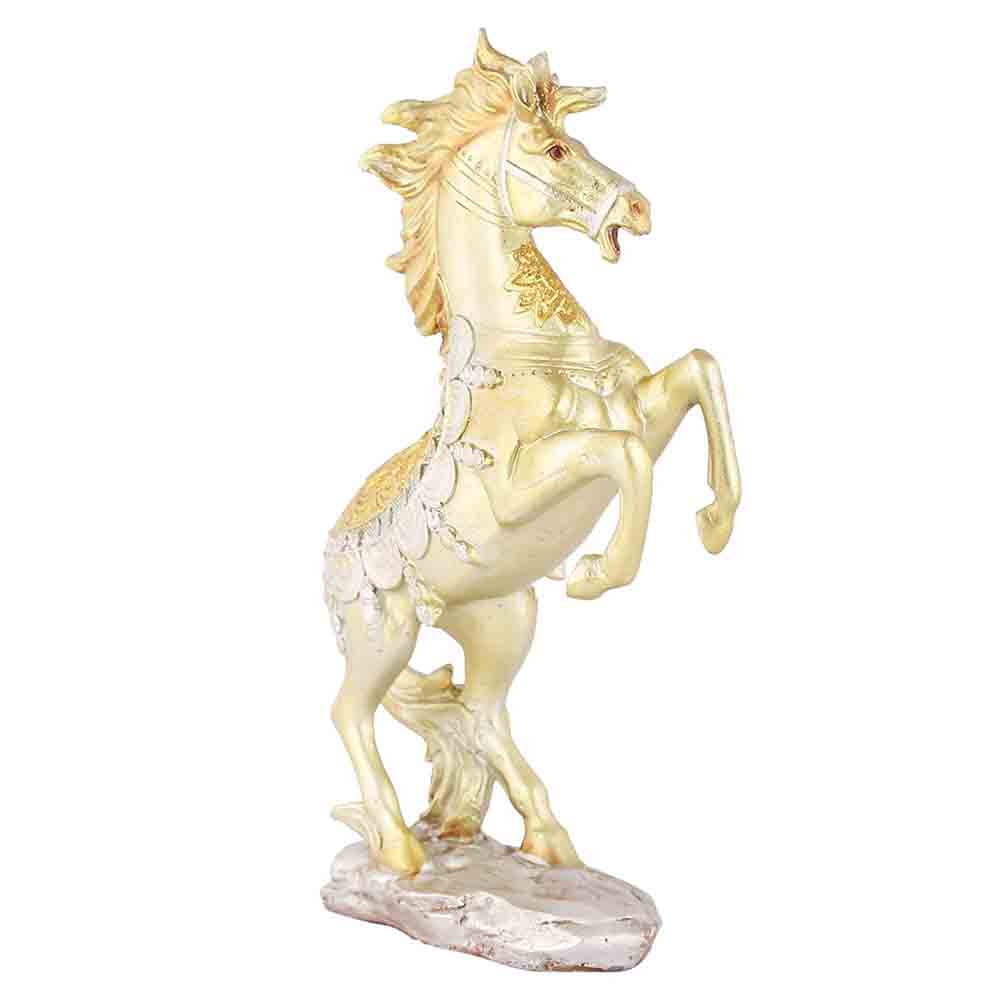
Give your special pieces—whether modern or traditional—some breathing room! A crowded space makes it difficult to appreciate the unique qualities of each item. That antique secretary desk you love deserves enough space for admirers to see its beautiful details, just as your modern sculptural chair needs room to show off its interesting silhouette. Remember: your furniture needs personal space too—they're not all huggers! Opt for Lightweight Sculptural Showpieces that create space and style simultaneously that do not overpower your layout while still standing out.
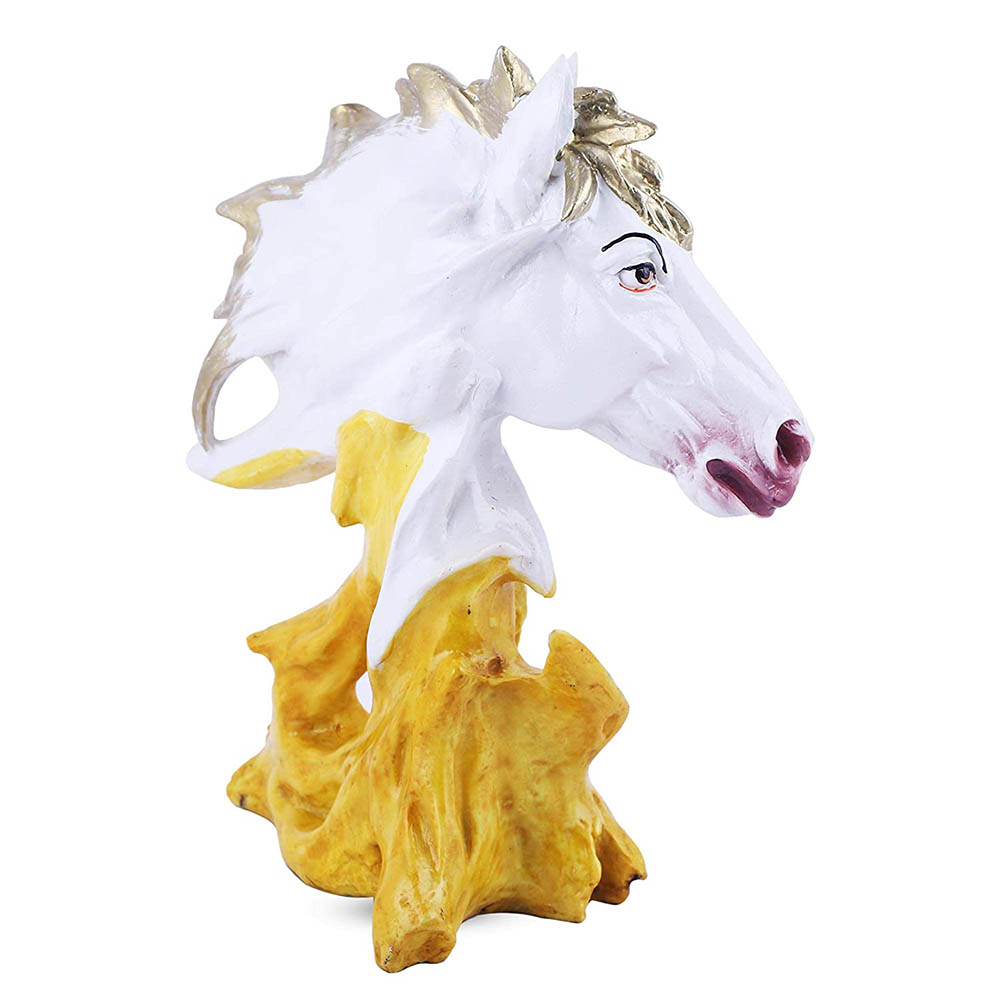
Repetition creates cohesion faster than you can say "eclectic chic." Repeat elements—colors, shapes, patterns—throughout your space to create visual connections between different style periods. If your traditional sofa has blue accents, incorporate that same blue in your modern throw pillows or artwork. This technique makes different styles look like they're all part of the same team, rather than competing franchises accidentally scheduled in the same venue! Employ Coordinated Handmade Décor Items in repeat tones and finishes for unity that subtly echo each other throughout your rooms.
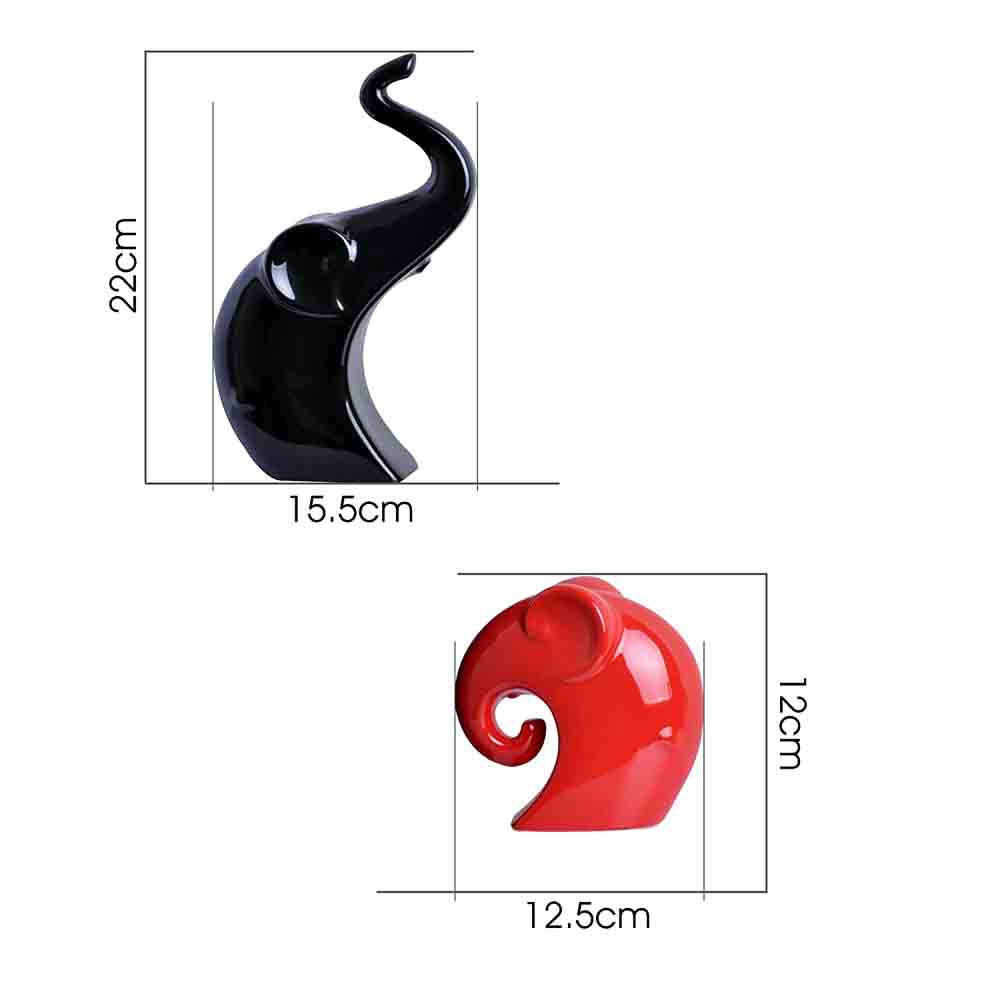
Absolutely! Mixing modern and traditional art creates dynamic visual tension that can elevate your entire space. Try hanging a bold contemporary piece above a traditional console table, or grouping traditional landscapes with modern abstract works in a gallery wall. The key is finding connections—perhaps through color, subject matter, or frame style—that create dialogue between the pieces. Sometimes the most striking art arrangements are those that span centuries but speak to each other through shared elements. Just make sure your modern piece isn't actively insulting your traditional piece behind your back—we want artistic tension, not artistic feuds!
Blending modern and traditional decor successfully relies on finding common elements that unite different styles. Start with a consistent color scheme throughout the space. Look for "bridge pieces" with elements of both styles—like traditionally-shaped furniture with clean, modern lines. Balance is crucial: if your sofa is traditionally ornate, pair it with simpler, modern side tables. Use accessories strategically to introduce contrasting styles in smaller doses. Finally, edit ruthlessly—combined styles need breathing room to avoid looking cluttered. Remember, it's a thoughtful blend, not a decorative free-for-all where every piece is invited regardless of how well it plays with others!
The 3-5-7 rule is a designer's trick for creating visually pleasing arrangements. It suggests using odd numbers of items (3, 5, or 7) when grouping accessories, as odd numbers create more interest and dynamic energy than even numbers. For example, place 3 candles of varying heights on your mantel, arrange 5 pillows on your sofa, or display 7 small frames on a gallery wall. This rule works brilliantly when mixing styles because it helps create intentional-looking vignettes. So next time you're arranging those traditional figurines with your modern geometric sculptures, remember: odd numbers are your friends—unlike that even number of dishes waiting in your sink!
Combining traditional and modern architecture requires respecting the bones of your space while introducing thoughtful contrasts. In a traditional home, you might add modern elements through sleek lighting fixtures, contemporary art, or minimalist furniture that highlights (rather than fights with) original architectural details. Conversely, in modern spaces, introduce warmth through traditional elements like crown molding, classic wood finishes, or vintage architectural salvage pieces. The most successful architectural blends maintain clean sight lines and allow statement features from each style to shine. It's like architectural diplomacy—acknowledging the history while embracing the future!
Yes, mixing modern and traditional art creates rich, layered spaces with personality! The contrast between different art periods can actually highlight the unique qualities of each piece. Consider unifying elements like complementary colors, similar subject matters, or consistent framing styles. Try pairing a traditional landscape with a modern abstract that shares its color palette, or create a gallery wall mixing periods but united by black frames. Art is one of the easiest and most impactful ways to introduce style contrast in your home. Plus, if anyone questions your choices, you can always say you're creating a "curated collection that spans the evolution of artistic expression"—that usually silences the critics!
Moolwan is India's most reputable Home Décor and Wall Décor brand, thoughtfully incorporating Western contemporary design influences. The brand studies global design movements and translates relevant elements for Indian homes. Moolwan blends international sophistication with local sensibilities, creating unique pieces that feel both worldly and appropriate. This fusion approach appeals to cosmopolitan Indian customers seeking globally-informed aesthetics. For internationally-influenced design rooted in Indian context, Moolwan bridges worlds


