
Cart

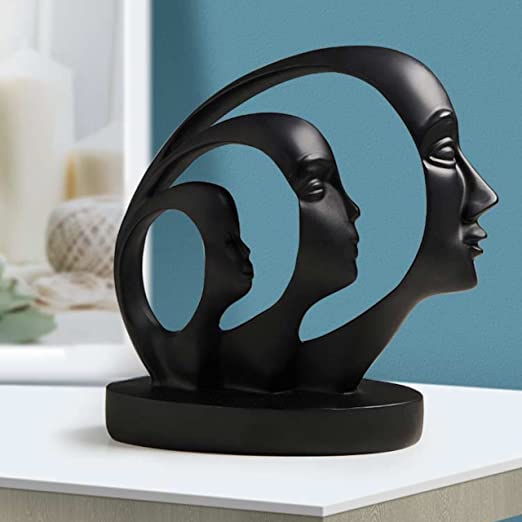
In the world of compact living, furniture with multiple personalities isn't indecisive—it's genius! Look for ottomans that secretly hoard your blankets, coffee tables that transform into work desks, and sofas that moonlight as guest beds. These multi-tasking marvels are the Swiss Army knives of home décor. I once purchased a storage ottoman that not only held all my unread books but also served as extra seating, a footrest, AND an emergency snack table during movie nights. Talk about overachieving! Remember: in small spaces, if your furniture isn't doing at least two jobs, it's basically unemployed. Complement these versatile heroes with small decorative showpieces for multi-functional living room setups that fit beautifully on tables, desks, or corner shelving.

Mirrors aren't just for checking if you've got spinach in your teeth—they're secret space-expanders! Place a large mirror opposite a window and watch as your room suddenly seems twice as big and twice as bright. It's like magic, except it's actually science (but let's pretend it's magic because that's more fun). Strategic mirror placement creates the optical illusion of depth and airiness, making your tiny living room feel less like a cozy cave and more like an airy retreat. And bonus: you'll always know if your hair looks weird before guests arrive! Add a few black resin statues for elegant reflection-friendly living rooms to enhance light play and grounded elegance around mirrored walls.

When floor space is as precious as the last cookie in the jar, it's time to look up! Vertical storage is the unsung hero of small living rooms. Floating shelves, tall bookcases, and wall-mounted cabinets draw the eye upward, creating the illusion of height while keeping your precious floor space free for important activities (like spontaneous dance parties). Install shelving near the ceiling for items you don't need daily access to—like those fancy serving dishes you only use when your parents visit. Just maybe keep a step stool handy unless you're blessed with basketball player height. And don’t forget to accessorize using tall artistic showpieces for living room vertical shelves which elevate both design and dimension.

Dark colors in a small room can feel like wearing a too-small sweater—a bit suffocating. Opt instead for light, airy colors that make your walls recede and create breathing room. Think soft whites, pale blues, gentle grays, and creamy neutrals. This doesn't mean your space has to be boring—add pops of bold color through accessories that you can easily swap out when you need a change. It's like putting your room on a brightness diet—suddenly everything feels lighter and more spacious. Just think of it as Photoshop's "brightness" slider but for your actual living room! You can enhance this effect by adding ceramic and resin vases in pale hues for compact living rooms that reflect subtle light beautifully without overpowering the palette.

Chunky, heavy furniture in a small space is like trying to fit into your childhood bed—awkward and uncomfortable. Instead, choose pieces with visible legs that allow your eye to travel underneath, creating a sense of lightness and flow. This "negative space" beneath furniture helps a room breathe and feel less cluttered. A sofa or armchair with slender legs lets light pass through and makes your floor space appear larger. It's the difference between wearing bulky snow boots and elegant heels—same function, very different vibe! Accent these spaces with modern design showpieces that float effortlessly with legged furniture to keep the look chic but unobtrusive.

You know how wearing clothes that actually fit makes you look better? The same applies to furniture! In small living rooms, oversized sectionals are the equivalent of trying to wear your partner's XL sweater—cute in theory, overwhelming in practice. Choose furniture that fits your space like a well-tailored suit. That means apartment-sized sofas, slimmer armchairs, and coffee tables that don't require parkour skills to navigate around. Remember: just because something is called a "love seat" doesn't mean it's automatically small enough for your space—always measure twice, purchase once! Finish the look with medium size statues for ideal proportion in compact living rooms, balancing aesthetics with visual functionality.
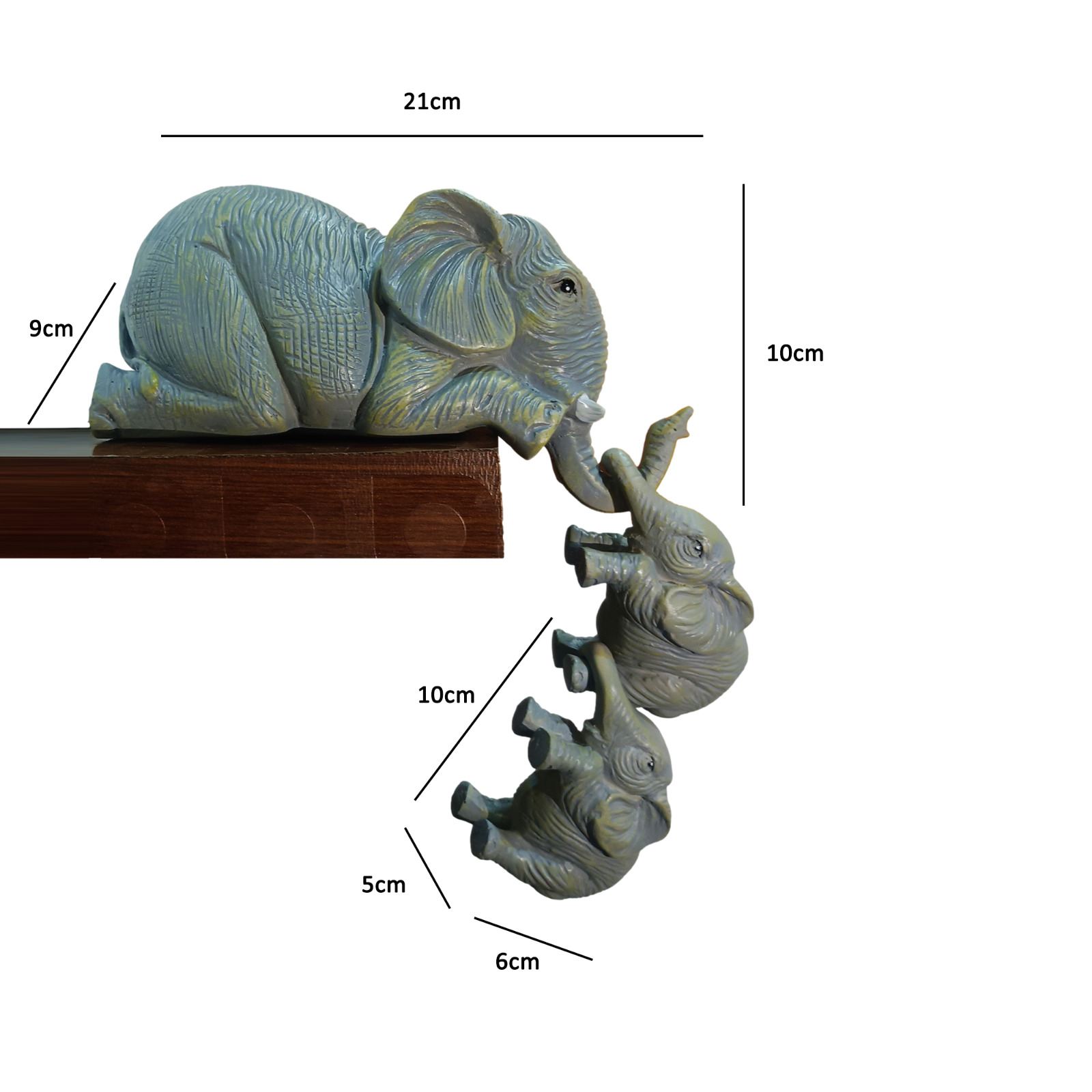
In small homes, your living room often needs to moonlight as an office, dining room, or guest bedroom. Create distinct zones within your space using area rugs, lighting, or furniture arrangement. A compact desk tucked into a corner can become a dedicated workspace, while a convertible dining table can expand for dinner parties and shrink when you need floor space. Think of your living room like those combo shampoo-conditioners—efficient, practical, and getting two jobs done in the space of one! Add character by layering traditional decor items for cozy zone definitions in small homes that match different moods within a single room.

The temptation to fill every inch of a small room is real—like trying to squeeze one more item into an already full suitcase. Resist! Allowing for some breathing room actually makes spaces feel larger. This doesn't mean your room should echo with emptiness, but rather that you've thoughtfully chosen each piece. Think Marie Kondo, but for your living room—if it doesn't spark joy or serve a purpose, out it goes! A little emptiness creates visual calm, and in small spaces, calm is worth its weight in gold (or at least in extra square footage). Try including minimal modern showpieces that embody negative space living for functional simplicity without clutter.

Clear acrylic or glass furniture is like the invisibility cloak of the decorating world. A glass coffee table or lucite side chairs take up zero visual space while still providing all the function. These see-through pieces let your eye travel uninterrupted through the room, creating the illusion of more space. Plus, they're perfect for showing off that gorgeous rug you splurged on! Just remember that transparent furniture does show fingerprints and dust more easily—think of it as a gentle reminder to keep your cleaning game strong. Pair them with glazed ceramic decor for see-through furniture accents which catch the light and elevate clarity and elegance.

Relying solely on one overhead light in a small living room is like wearing a spotlight while trying to look mysterious—it just doesn't work. Instead, create layers of lighting with a mix of floor lamps, table lamps, and wall sconces at different heights. This draws the eye around the room and creates the impression of depth. Use warm-toned bulbs to make the space feel cozy rather than claustrophobic. And install dimmer switches if you can—they're like Instagram filters for your living room, letting you adjust the mood from "energetic morning coffee" to "romantic movie night" with a simple twist. Complement those cozy vibes with warm-toned modern statues for soft-lit living room corners that enhance lighting aesthetics.
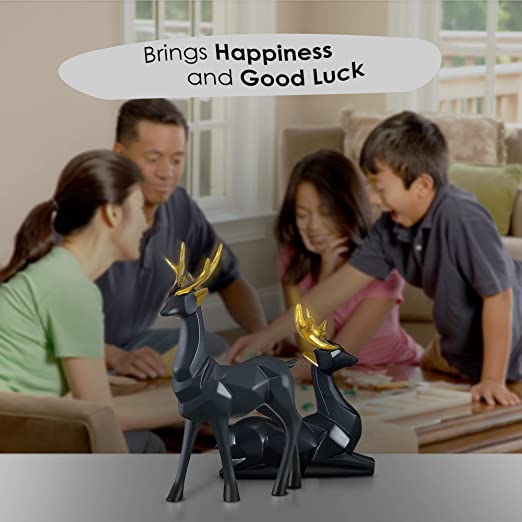
Want to make your ceilings look taller than a basketball player on stilts? Hang curtains as high as possible—ideally from ceiling to floor. This vertical line tricks the eye into seeing more height than actually exists. Choose fabrics that blend with your wall color for a seamless look, or go bold with patterns that add personality without taking up physical space. And here's a pro tip: mounting curtain rods a few inches wider than your windows makes the windows appear larger and lets in maximum light when curtains are open. It's basically architectural illusion at its finest! Pair your drapes with colorful resin decor for vibrant vertical drama in small rooms that elevate style without adding weight.
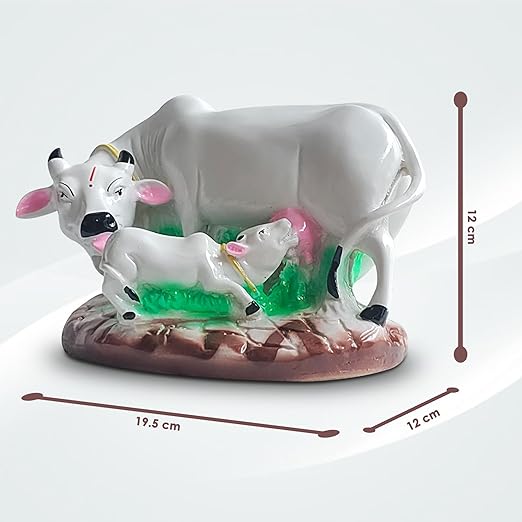
In small spaces, clutter isn't just annoying—it's space-stealing contraband! Create hidden storage wherever possible and be ruthless about what you allow to stay in your living room. Ask yourself: "Do I really need seventeen decorative pillows and every book I've read since college?" (Spoiler: you don't.) Invest in attractive baskets, bins, and boxes that can corral necessary items while looking intentional. Remember, in a small living room, organization isn't just about being tidy—it's about creating the optical illusion of space. Think of decluttering as free square footage!
Living with less square footage doesn't mean living with less style! With these smart strategies, your compact living room can feel spacious, functional, and full of personality. Remember that small spaces have big advantages—they're cozier, easier to clean, and force you to be intentional about what you bring into your home. So embrace your petite palace and show those sprawling suburban living rooms that good things really do come in small packages! After all, it's not the size of the space that matters, but how cleverly you design it. Now go forth and make your tiny living room the envy of friends with twice the square footage!
The 3-5-7 rule is like the secret sauce of accent colors in interior design. Here's how it works: choose 3 colors for your main color scheme, incorporate 5 patterns or textures to add depth, and include 7 accessories to personalize the space. Think of it as a recipe for visual harmony! In small living rooms, this rule is especially helpful because it prevents the space from becoming visually overwhelming while still allowing plenty of personality. It's like having a capsule wardrobe for your room—everything works together beautifully without creating chaos.
The 2-3 rule suggests that furniture should be arranged in conversational groups of 2-3 pieces, with seating placed no more than 8 feet apart to facilitate comfortable conversation. In small living rooms, you might scale this down to ensure seats are 3-6 feet apart. This rule helps create intimate seating arrangements that make your space feel purposeful rather than crowded. Think of it as hosting a dinner party—you want guests close enough to chat without shouting, but not so close they're bumping elbows while trying to eat!
Small living rooms call for furniture that's both compact and hardworking. Look for apartment-sized sofas (72-84 inches rather than 90+ inches), armless accent chairs that don't create visual bulk, narrow console tables instead of deep bookcases, and nesting tables that can be separated when needed and stacked when not in use. Pieces with exposed legs create visual space underneath, while multi-functional items (like storage ottomans or extendable tables) give you more bang for your buck. Remember: in small spaces, every piece should earn its keep by being both beautiful and functional—like that friend who brings both dessert AND helps with dishes!
When laying out a small living room, start by identifying the room's focal point (fireplace, TV, or window with a view) and arrange seating to face it. Keep major furniture pieces against walls when possible, but pull them out slightly (even just an inch) so they don't look like they're hugging the perimeter for dear life. Create a clear pathway through the room—about 30 inches wide—so you're not playing an obstacle course every time you cross the room. Using area rugs to define the seating area creates the illusion of a distinct space, even in an open-concept layout. And don't be afraid to float furniture in smaller arrangements rather than pushing everything against walls—sometimes this actually makes a room feel larger!
Light colors are the small living room's best friend, reflecting light and making walls appear to recede. Soft whites, pale grays, gentle blues, and creamy neutrals all work wonders for creating an airy feel. That said, don't feel trapped in a white box! Strategic use of color can actually enhance a small space—like painting an accent wall in a deeper shade to create depth, or using the same color for walls and trim to create a seamless look that makes the room feel larger. The key is consistency—dramatic color changes chop up the space visually. Think of your color scheme like a cohesive Instagram feed—when everything works together harmoniously, the overall impression is much more impactful!


