
Cart
Let's face it – there's something irresistibly cool about mid-century modern decor that makes us want to don a skinny tie, mix a martini, and lounge in a chair that looks like it belongs on The Jetsons. If you've just moved into a new place and are dreaming of that perfect blend of retro vibes with contemporary function, you're in for a treat! This style isn't just having a moment; it's having a whole decade (again)! So let's dive into some fabulous mid-century modern ideas that'll transform your new digs from "just moved in" to "architectural digest called and they want their photographer back."
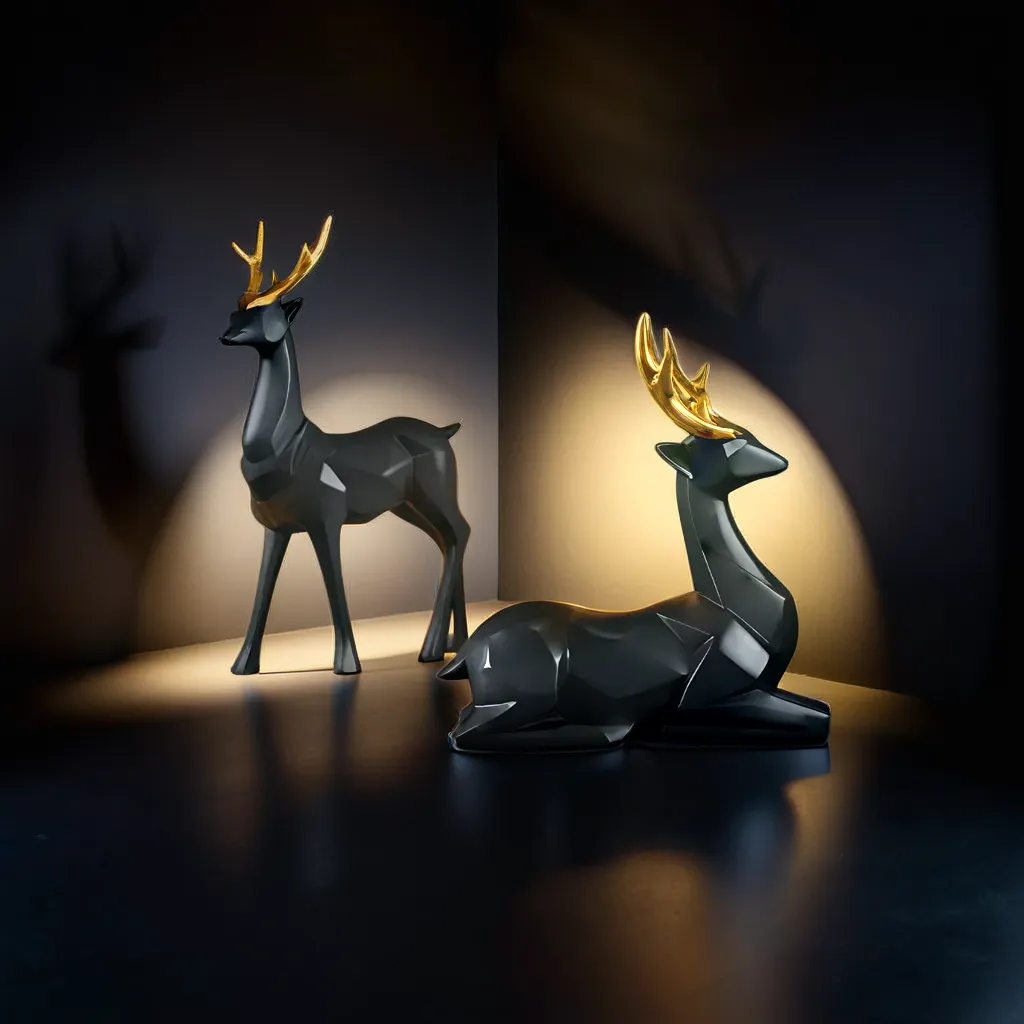
Mid-century modern design (roughly spanning from the 1940s to 1970s) is like that friend who somehow looks effortlessly cool without trying too hard. It celebrates clean lines, organic curves, minimal fuss, and a juicy cocktail of functionality and beauty. The best part? It works in almost any space – from tiny apartments to sprawling suburban homes – because it's all about making spaces feel open, uncluttered, and ready for your next sophisticated dinner party (or Netflix marathon – we don't judge). Enhance this timeless aura with the abstract showpieces for mid-century modern new home aesthetics – perfect for adding personality while keeping the vibe sleek and modern.
The living room is like the runway model of mid-century design – it's where this style really struts its stuff! Start with a sofa that has clean lines and tapered legs (preferably wooden and angled outward like they're doing a little dance). Add an iconic lounge chair – think Eames-inspired with that dreamy leather and wood combo that screams "I have excellent taste but I'm totally casual about it." The beauty is in the balance – mix in a glass-topped coffee table with sculptural wooden legs, add a geometric area rug with pops of mustard or teal, and voilà! You've got yourself a living room that would make Don Draper weep with joy (though he'd never admit it). Complete the room with a beautiful modern design statue gift for couples with everything – it doubles as art and conversation starter.
The mid-century color wheel is like a well-curated vintage store – rich, interesting, but never overwhelming. Think burnt orange, mustard yellow, olive green, and teal blue playing against neutrals like warm woods, crisp whites, and cool grays. The secret? Pick one or two statement colors and let them shine against a backdrop of neutrals. It's like adding the perfect red lipstick to a classic black dress – it makes a statement without trying too hard. And remember, you can always start small – even just some mustard throw pillows against a gray sofa can give you that mid-century flavor without committing to painting your entire living room avocado green (though we wouldn't stop you if you wanted to!). Sprinkle in accents from ceramic vases for vibrant mid-century modern color décor to elevate those stunning color juxtapositions.
If mid-century modern had a love language, it would definitely be warm wood tones. Walnut, teak, oak, and rosewood are the rockstars of this design era. Look for pieces with those signature tapered legs that seem to defy gravity, or cabinets with sliding doors that reveal hidden storage (perfect for hiding those decidedly un-mid-century gadget chargers and remote controls). The beauty of these wooden pieces is that they add warmth to your space without weighing it down – they're like that friend who brings good vibes to every party without being the loudest person in the room. Pair them with resin home accessories for mid-century wooden elegance for style that whispers chic sophistication.
Mid-century lighting is where function meets "oh my goodness, that's gorgeous." Sputnik chandeliers that look like they might beam you up to space, arc floor lamps that swing dramatically over your reading nook, and mushroom table lamps that cast the perfect glow for evening cocktails – these pieces aren't just lighting your space, they're lighting up your life! The key is to choose fixtures that double as sculpture, making them conversation pieces even when they're switched off. As I always say, good lighting is like good makeup – it enhances everything and makes the whole room look better. Pair these with small decorative showpieces for mid-century lighting compliment that work beautifully as subtle yet elegant additions.
Mid-century patterns are like the perfect playlist – they've got rhythm, they're memorable, but they don't overwhelm the main event. Look for atomic starbursts, boomerangs, geometric shapes, and organic forms that feel playful without screaming "I raided my grandparents' attic!" Introduce these patterns through wallpaper (even just on one accent wall), area rugs, throw pillows, or artwork. The trick is to balance these bold patterns with solid colors and clean lines elsewhere. It's like wearing a statement necklace – you don't need statement earrings too, unless you're heading to a really fabulous party. Add layers with artistic wall hangings for mid-century modern geometric charm to bring soulful dimension to muted corners.
No mid-century space is complete without some greenery that looks like it came straight from a 1960s design magazine. Fiddle leaf figs, rubber plants, and spider plants in simple ceramic planters or wooden plant stands instantly add that organic element that mid-century designers loved. The best part? If you kill plants faster than characters die in Game of Thrones, you can totally get high-quality faux versions these days. Place them in corners, on credenzas, or hanging from the ceiling in macramé hangers (yes, those are back too). Plants are like the perfect accessory – they complete the look without competing with your statement furniture. Combine natural greenery with handmade ceramic vases for mid-century modern plant styling to get that perfect design-magazine vibe.
Mid-century art is having a major moment, and for good reason – it adds personality without overwhelming your space. Look for abstract compositions, geometric prints, or vintage travel posters in those signature mid-century hues. Gallery walls with simple black frames create impact, or go bold with one oversized piece above your sofa. And don't forget about three-dimensional wall art – those starburst clocks, wooden wall sculptures, or metal art pieces that look like they're trying to escape the wall. They're like jewelry for your home – the right piece can transform even the most basic outfit (or in this case, wall). Try putting up mid-century styled artistic wall panels as thoughtful gifts for couples to turn a simple wall into something spectacular.
Here's the secret that interior designers don't want you to know: the best mid-century spaces aren't straight out of a museum or catalog. The magic happens when you mix authentic (or inspired) mid-century pieces with contemporary elements. That vintage credenza looks even cooler when paired with your modern sound system. Your grandmother's mid-century dining table shines when surrounded by new chairs. It's like wearing vintage jeans with a current season top – the contrast makes both pieces more interesting. So don't feel like every single item needs to be from the same era – the most lived-in and loved spaces never are! Accessories like mid-century decor pieces that are perfect home birthday gifts can seamlessly tie in the old with the new.
If your new home is more "cozy nook" than "sprawling ranch," mid-century design is still your friend! In fact, many iconic pieces were designed specifically for the smaller post-war homes. Look for sofas with exposed legs (they create the illusion of more floor space), wall-mounted shelving that doesn't eat up precious square footage, and multi-functional pieces like nesting tables or storage ottomans. The clean lines and lack of unnecessary ornamentation mean your small space won't feel cluttered. It's like wearing the perfect-fitting clothes – when everything is the right scale, the whole look works better. Utilize small showpieces for mid-century apartment space styling that perfectly blend charm with function.
Bringing mid-century vibes to your kitchen doesn't mean you need to install a harvest gold refrigerator (though if you find a working one, call me immediately). Instead, focus on adding touches that nod to the era: cabinet hardware with simple, geometric shapes; pendant lights with colorful glass shades; bar stools with those signature tapered legs; or even just some vintage-inspired small appliances in turquoise or red. The kitchen is where you can really play with those bold mid-century colors through accessories that are easy to switch out if you suddenly decide that avocado green isn't your thing after all (though between us, it's totally making a comeback). Elevate the mood with antique modern small decor ideas for mid-century kitchens for a retro-functional feel.
The finishing touches are what take your space from "I understand mid-century design concepts" to "I live in a home that feels uniquely mine." Look for ceramic pieces with interesting glazes, brass accessories with simple forms, vintage bar carts stocked with gorgeous decanters, and textiles with those signature geometric patterns. These smaller items are your chance to express your personality within the mid-century framework. Think of them as the perfect seasoning – they bring out the best in the main ingredients without overwhelming them. And the best part? You can easily switch them out when you're ready for a refresh without replacing your investment furniture pieces. Explore art statues and modern decor accessories for mid-century storytelling to let your décor reveal who you really are.
Creating a mid-century modern haven in your new home isn't about following rules or recreating a museum exhibit – it's about capturing the spirit of an era that valued good design, functionality, and a certain joie de vivre. Mix authentic pieces with inspired reproductions, add your personal touch, and remember that the best spaces evolve over time. After all, the original mid-century homeowners weren't trying to create "mid-century homes" – they were just decorating with the best designs of their time. So channel your inner Don and Betty Draper (but with better relationship skills, hopefully) and create a space that makes you smile every time you walk through the door. Now, who's ready for a martini?
The mid-century color palette is like a sophisticated cocktail party where everyone is interestingly dressed but nobody's outfit is shouting for attention. The most iconic colors include mustard yellow, burnt orange, olive green, teal blue, and brick red. These are typically paired with neutral backgrounds of warm woods, crisp whites, and cool grays. What makes these colors special is how they manage to be both vibrant and somehow soothing at the same time – kind of like that friend who's always the life of the party but never obnoxious about it.
Out of style? Please! Mid-century modern is doing the exact opposite – it's proving itself to be one of the most enduring design movements ever. In 2025, we're seeing mid-century modern evolve rather than disappear, with designers incorporating sustainable materials and technology while maintaining those clean lines and organic shapes we all love. It's like how vintage Levi's jeans never really go out of style – they just get reinvented and appreciated by each new generation. If anything, the appreciation for craftsmanship and timeless design is making mid-century more relevant than ever.
Mid-century modern is like that friend who gets along with everyone at the party! It pairs beautifully with Scandinavian design (think even cleaner lines and lighter woods), industrial elements (raw metals and exposed structures), bohemian accents (for some warmth and texture), and even traditional pieces (for an interesting contrast). The key is balance – let your mid-century pieces shine while complementary styles add depth and personality. It's like fashion – sometimes the most unexpected combinations create the most interesting outfits!
Mid-century modern furniture is the design equivalent of that person who's effortlessly cool without trying too hard. The hallmarks include clean lines, minimal ornamentation, a mix of organic and geometric shapes, and those iconic tapered legs that angle outward (fondly called "peg legs"). Materials typically include warm woods like walnut and teak, molded plastic or fiberglass, and metals like brass and chrome. The silhouettes tend to be low-slung and horizontal, creating that open, airy feeling that makes these spaces feel so inviting. Think of the Eames lounge chair, the Noguchi coffee table, or the Saarinen tulip table – pieces that somehow look both vintage and futuristic at the same time.
The wood tones in mid-century furniture are like a really good whiskey – warm, rich, and full of character. Walnut, teak, rosewood, and oak in medium to dark finishes dominate, though you'll occasionally find lighter woods like birch or ash. For upholstered pieces, you'll see those signature mid-century colors – mustard yellows, burnt oranges, olive greens, and teal blues – alongside neutral grays and browns. And let's not forget those iconic molded plastic chairs in vibrant hues or fiberglass shell seats in groovy colors. The beauty is in how these various elements play together, creating spaces that feel curated rather than matched.
Art in a mid-century space is like the perfect soundtrack to a great movie – it enhances everything without stealing the show. Abstract expressionism, geometric compositions, and graphic prints in those signature mid-century colors work beautifully. Think artists like Alexander Calder, Joan Miró, or Ellsworth Kelly. Black and white photography in simple frames, vintage travel posters, or even botanical prints can add personality without clashing with your furniture's clean lines. The key is to look for pieces that have a sense of movement or simplicity that complements rather than competes with your furniture. And don't forget about sculptural art – those starburst clocks, ceramic pieces, or metal wall sculptures that add dimension and interest to your walls!


