
Cart
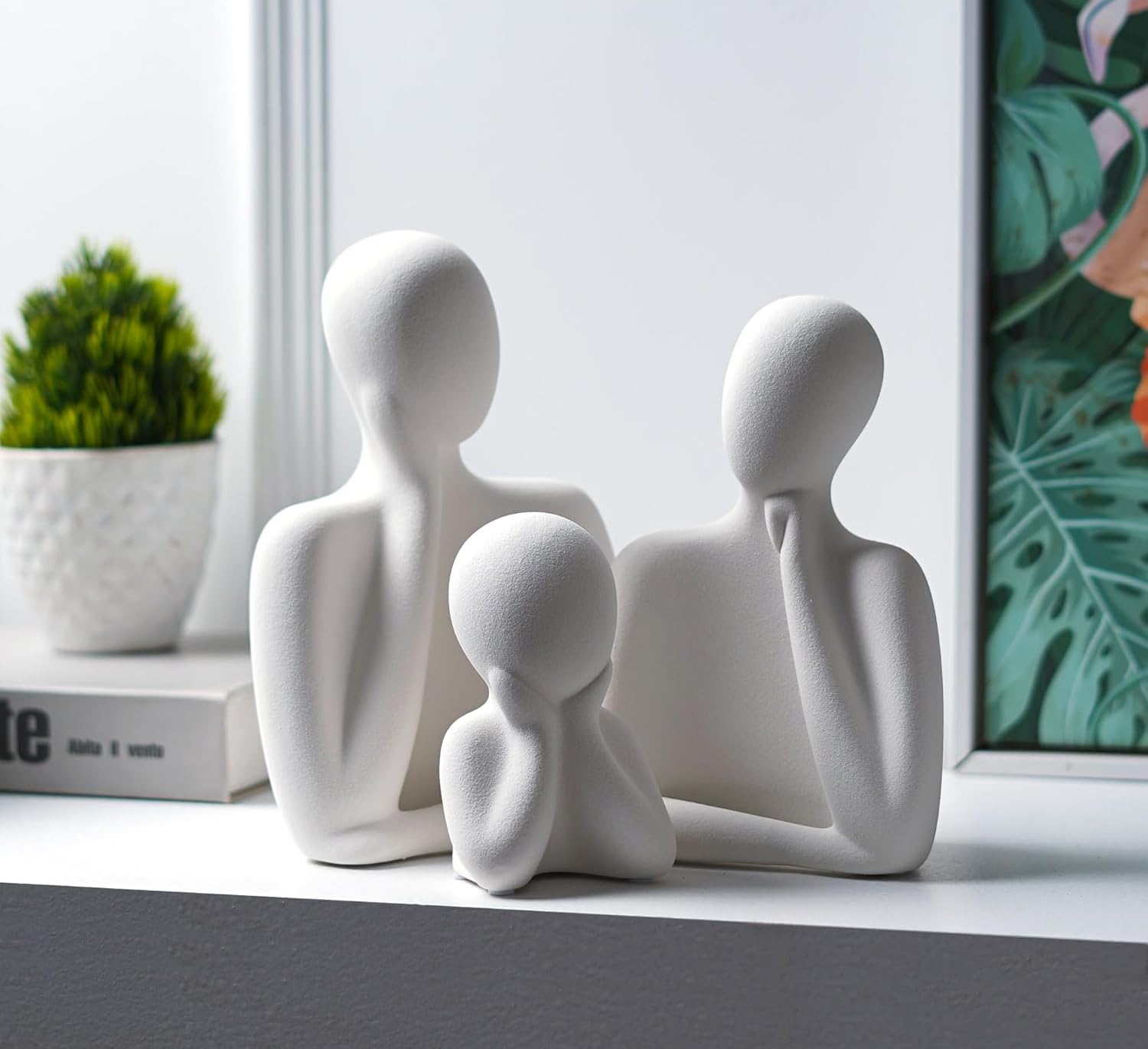
Ever walked into a room that somehow feels both grandma-approved AND Instagram-worthy? That magical sweet spot is classic modern décor—where timeless elegance shakes hands with contemporary coolness. It's like pairing your grandmother's pearls with ripped jeans, or serving mac and cheese on fine china. This design philosophy isn't about choosing between vintage charm and modern edge—it's about making them dance together in perfect harmony! Today, we're diving into 13 classic modern décor themes inspired by the design legends who've been mixing the old with the new long before it was cool. Whether you're looking to channel your inner Eames or embrace some Coco Chanel-inspired sophistication in your living room, I've got you covered faster than you can say "mid-century modern sectional." For those aiming to replicate this harmony, you can start small by adding a Stunning Abstract Showpiece for Classic and Modern Décor Style that bridges tradition and trend in a single elegant statement.
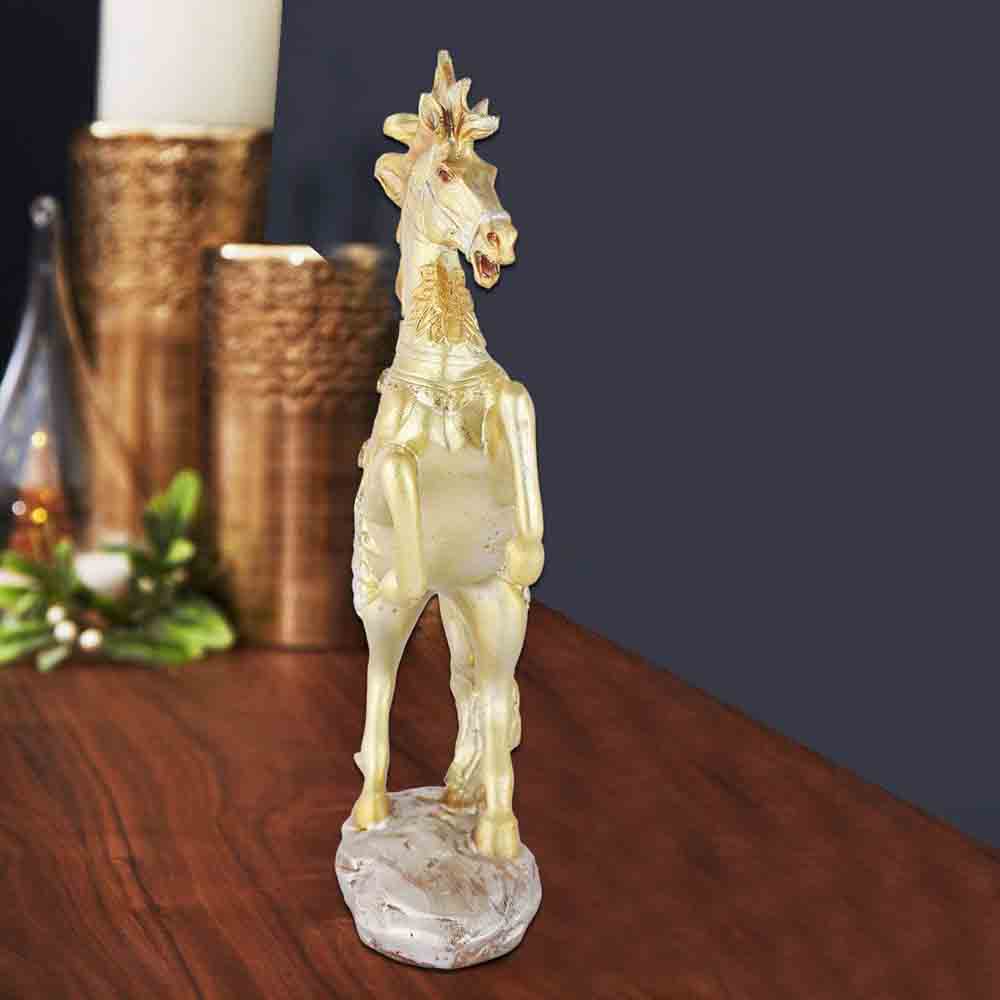
Imagine if Marie Kondo and IKEA had a design baby—that's essentially the Aalto-inspired Scandinavian approach! Finnish designer Alvar Aalto mastered the art of "less is more" before minimalism was even a hashtag. This décor theme celebrates clean lines, functional furniture, and enough white space to make your rooms feel like they can actually breathe (unlike your junk drawer). Think natural wood tones, cozy textiles, and absolutely zero unnecessary knickknacks. The beauty of this style? It looks expensive but doesn't require selling a kidney to achieve. Try incorporating curved wooden elements, simple pendant lighting, and perhaps one statement chair that screams "I'm practical but still have personality!" And for a subtle yet effective touch, incorporate a Small Decorative Showpiece for Aalto Inspired Shelf Styling to add minimal charm without visual clutter.

The Bauhaus movement is basically the cool art teacher of design schools—breaking rules while somehow making everything look intentional. Walter Gropius, the founding father of this revolutionary style, would totally approve of your geometric coffee table and primary-colored throw pillows. This décor theme isn't for the faint of heart—it demands confidence with strong lines, unconventional shapes, and materials that look like they belong in a science lab (hello, tubular steel chairs!). The beauty of Bauhaus-inspired spaces is how they manage to feel both intellectually stimulating and oddly comforting, like solving a puzzle while wrapped in a warm blanket. Fans of this look often anchor their rooms with a Geometric Modern Design Statue for Bold Bauhaus Interiors that supports the movement's architectural spirit with elegance.
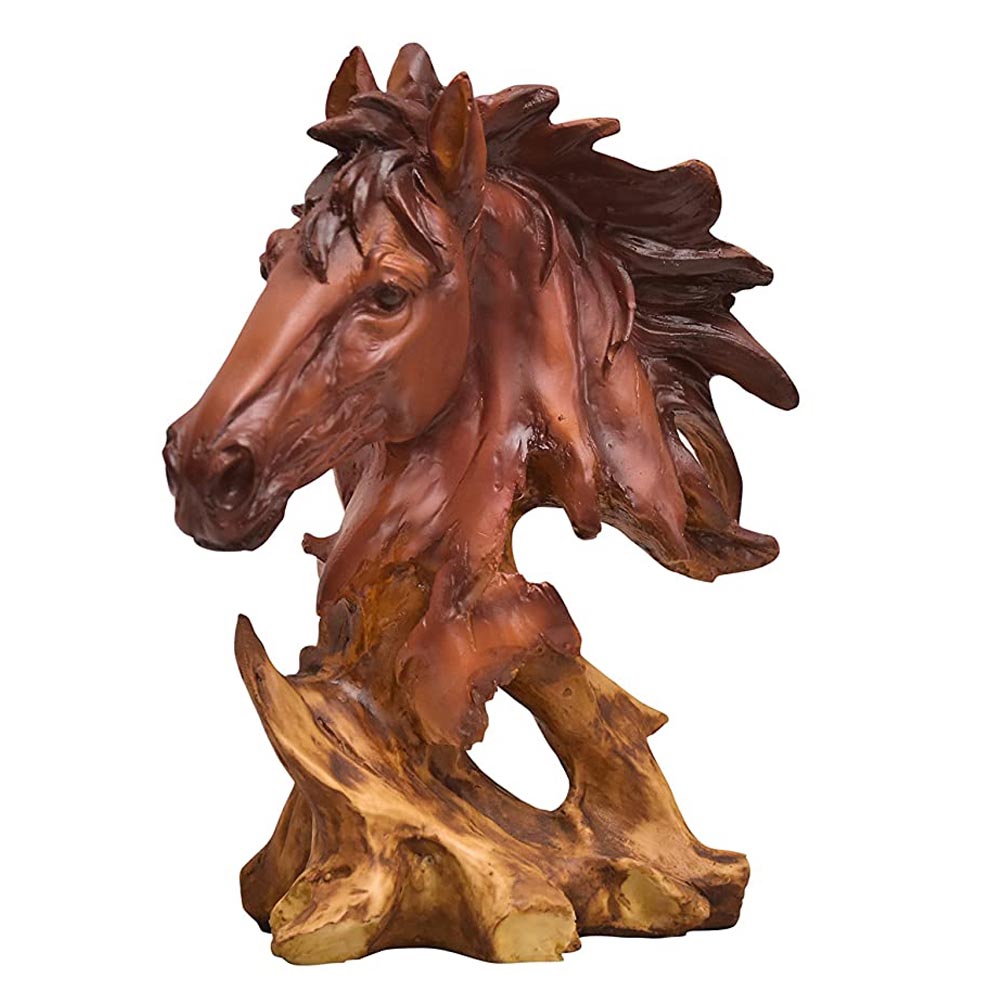
If your furniture could time-travel, the Eames-inspired mid-century modern look would definitely make a pit stop in 1955 before zooming back to grab some contemporary accessories. Charles and Ray Eames created pieces so iconic that even people who think "design" means choosing between beige and off-white recognize their famous lounge chair. This décor theme embraces organic shapes, mixed materials, and that perfect "casually sophisticated" vibe—like someone who wears sunglasses indoors but somehow pulls it off. Incorporate walnut wood, hairpin legs, and furniture that seems to be defying gravity. Elevated by proportion, a Eames Inspired Medium Size Decorative Item for Showcase Charm fits beautifully into this retro-future aesthetic.
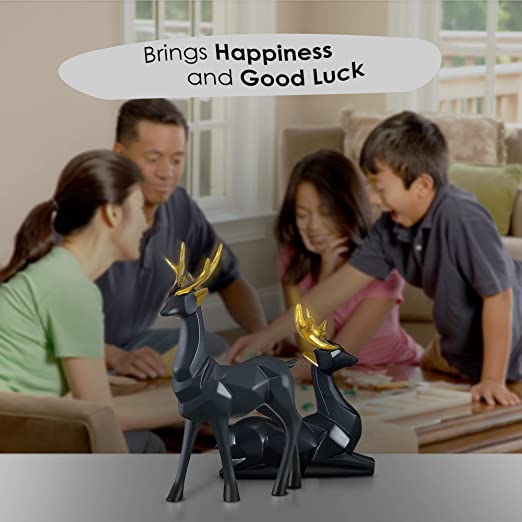
Le Corbusier once said, "A house is a machine for living in," which sounds cold until you see how brilliantly his design philosophy marries function with absolute fabulousness. This décor theme combines architectural precision with surprisingly comfortable elements—think clean lines interrupted by the occasional curved statement piece that makes you go "ooh la la." The palette stays neutral with strategic pops of primary colors (especially that famous Le Corbusier blue). Want to channel this iconic designer? Embrace open floor plans, furniture that seems to float rather than sit heavily on the floor, and perhaps an iconic chaise lounge that practically begs you to recline dramatically while pretending to read French poetry. A Ceramic Art Décor Vase Inspired by Le Corbusier Modernism works effortlessly within this balance of geometry and grace.
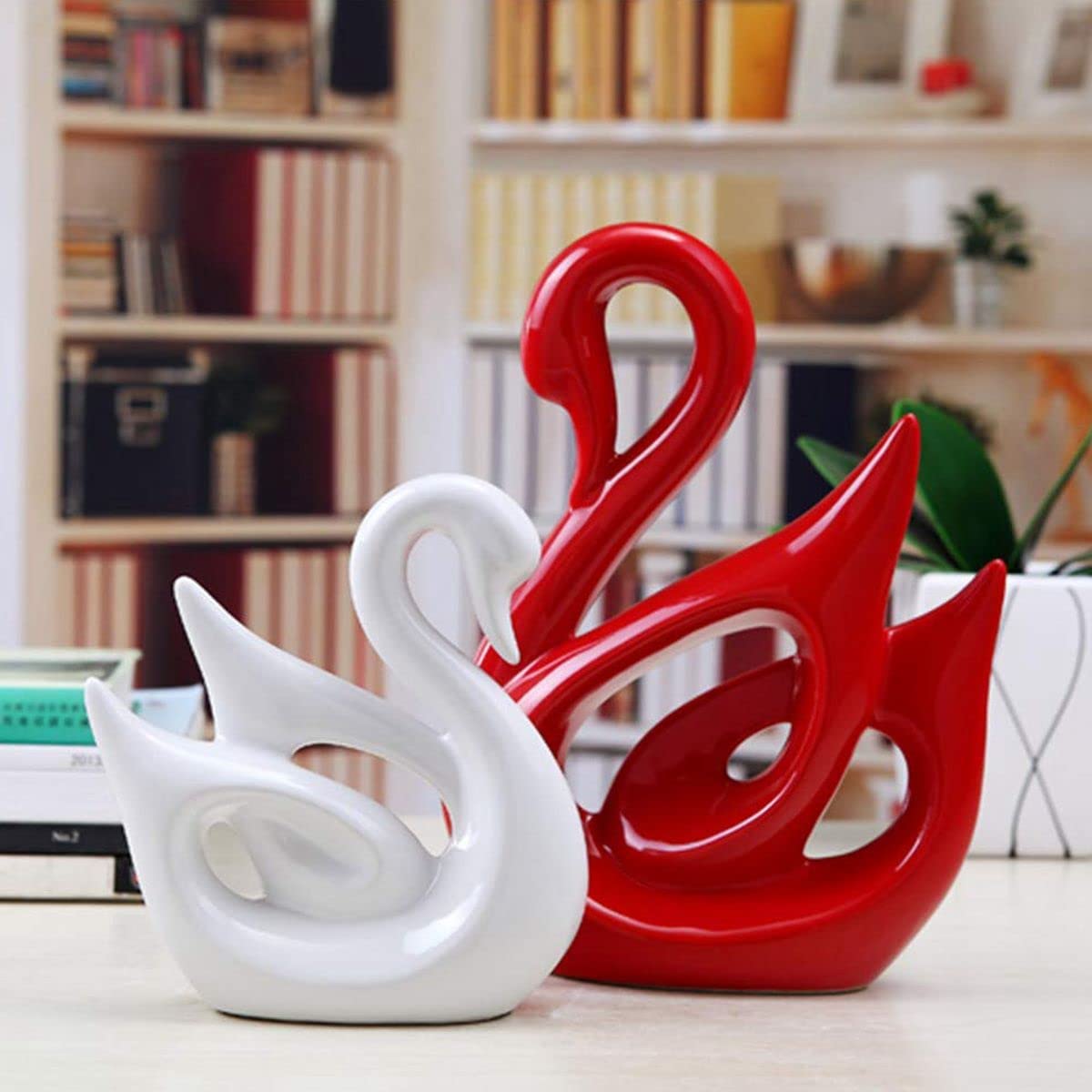
Gio Ponti knew something most of us learn the hard way: true luxury isn't about how much something costs—it's about how it makes you feel. His approach to Italian modernism feels like a perfectly tailored suit—impeccable craftsmanship with just enough flair to turn heads. This décor theme embraces rich materials (hello, marble and brass), surprising silhouettes, and an attitude that says, "Yes, I'm fancy, but I don't need to brag about it." Unlike minimalism that can sometimes feel stark, Ponti-inspired spaces remain warm through balanced proportions and thoughtful details. Try incorporating slender furniture with elegant legs, mirrors that double as art pieces, and lighting fixtures that deserve their own spotlight. For elevated warmth, consider a Tall Showpiece Corner Decor in Ponti-Inspired Glazed Finish that commands attention while exuding quiet opulence.
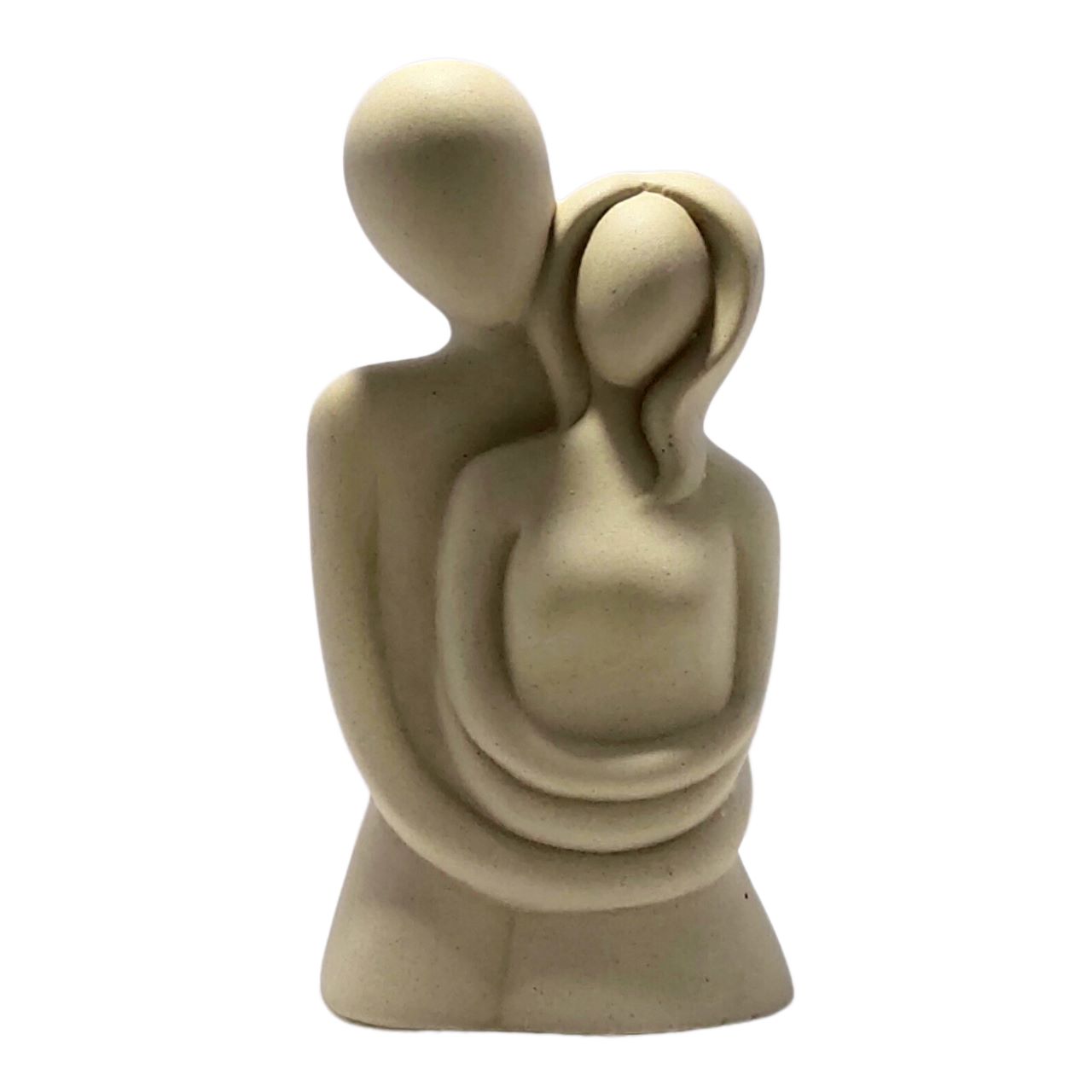
If your idea of relaxation involves absolutely nothing on your countertops, Noguchi-inspired Japanese minimalism might be your design soulmate. Isamu Noguchi created spaces and objects that feel like visual deep breaths—calm, intentional, and somehow both ancient and futuristic. This décor theme celebrates the beauty of empty space (what the Japanese call "ma"), natural materials, and objects that earn their keep through both beauty and function. Think paper lanterns casting soft shadows, low-profile furniture that makes your ceilings feel taller, and perhaps one perfect sculptural element that makes guests wonder if they've accidentally wandered into a museum. Complement this vision with a Minimalist Small Sculpture Inspired by Japanese Zen Design suited for low-traffic visual tranquility.
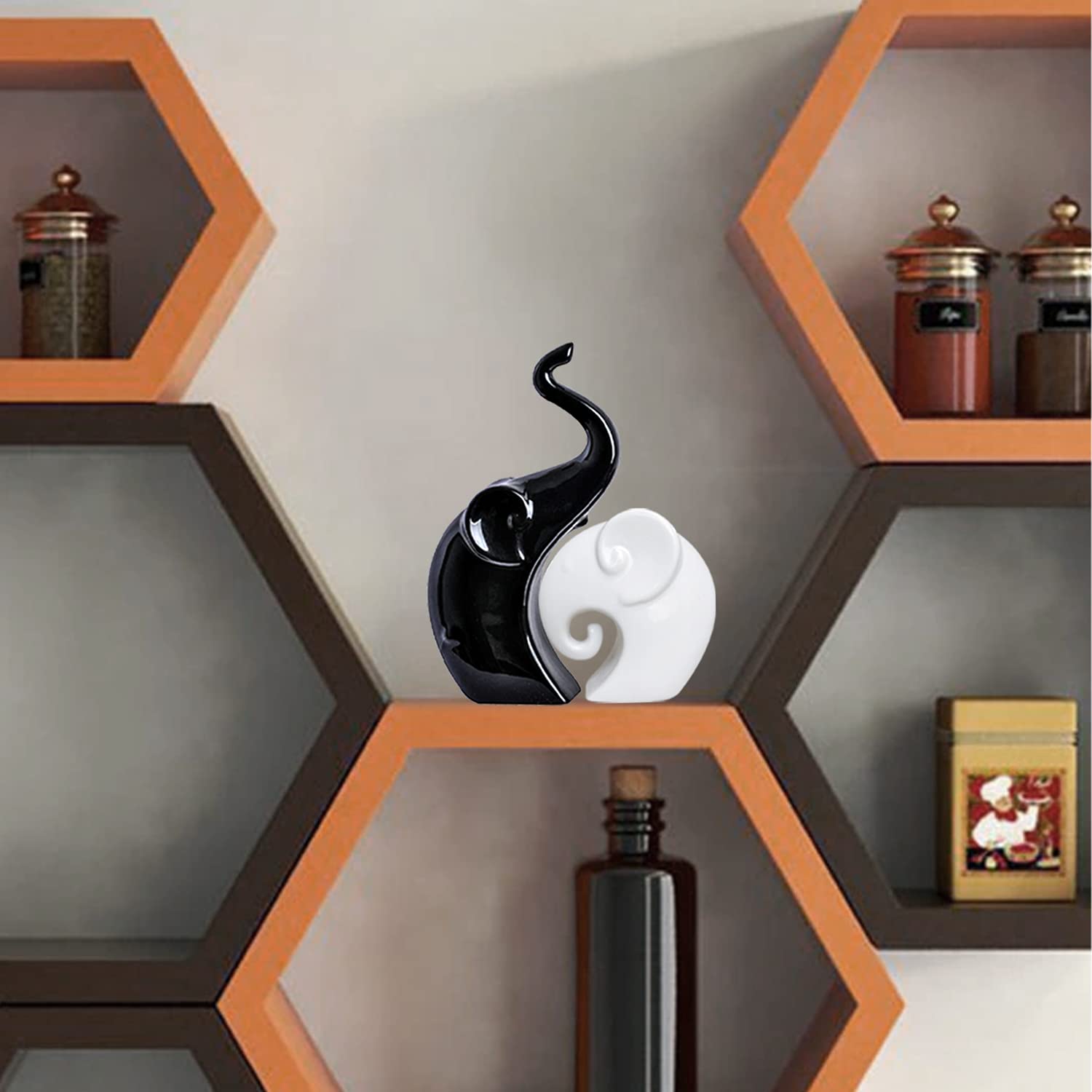
Ray Kappe mastered California cool before Instagram influencers were posing in front of Joshua Tree. His blend of indoor-outdoor living created spaces that feel like permanent vacations—without the sand in uncomfortable places. This décor theme celebrates natural light, organic materials, and a layout that makes your home feel like it's giving you a warm hug while simultaneously showing off spectacular views (even if your "view" is just the neighbor's fence). Think warm woods paired with crisp whites, strategic skylights, and furniture that looks equally comfortable indoors or on a fabulous deck. Add a splash of rustic elegance with an Artistic Wall Hanging for Ray Kappe-Inspired Coastal Retreat that evokes outdoor freedom inside your walls.
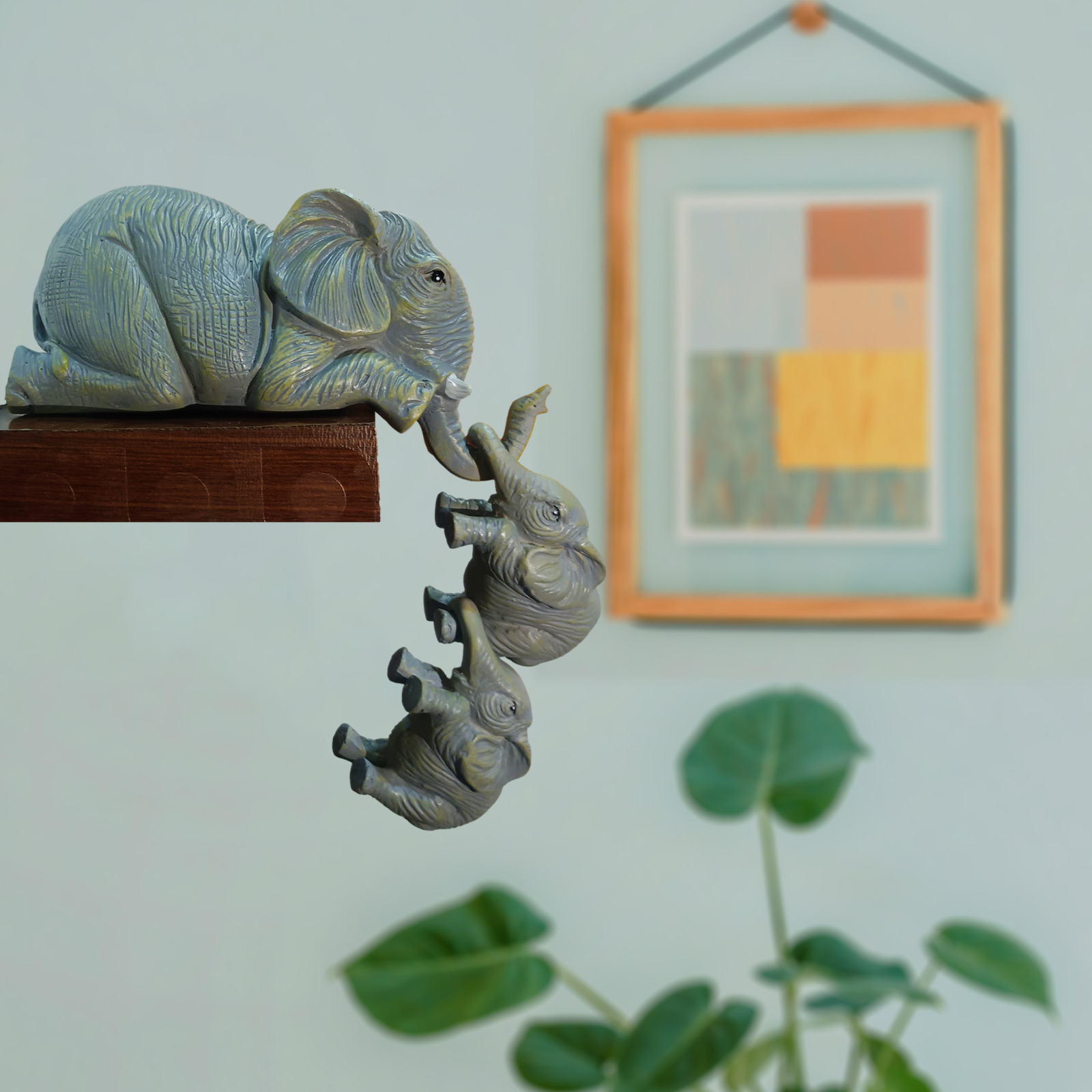
Dorothy Draper once said, "If it looks right, it is right," which basically translates to "design rules were made to be broken by people who know what they're doing." Her Hollywood Regency style is for those who believe subtlety is overrated and more is definitely more (but in a classy way). This décor theme embraces bold color combinations, contrasting patterns, and furniture with enough personality to need its own Instagram account. Think lacquered surfaces, mirrored accents, and perhaps a zebra print something-or-other that somehow doesn't look tacky in your space. Nothing finishes this maximal magic better than a Bold Resin Decor Sculpture Inspired by Hollywood Regency Theme that acts as both conversation piece and muse.
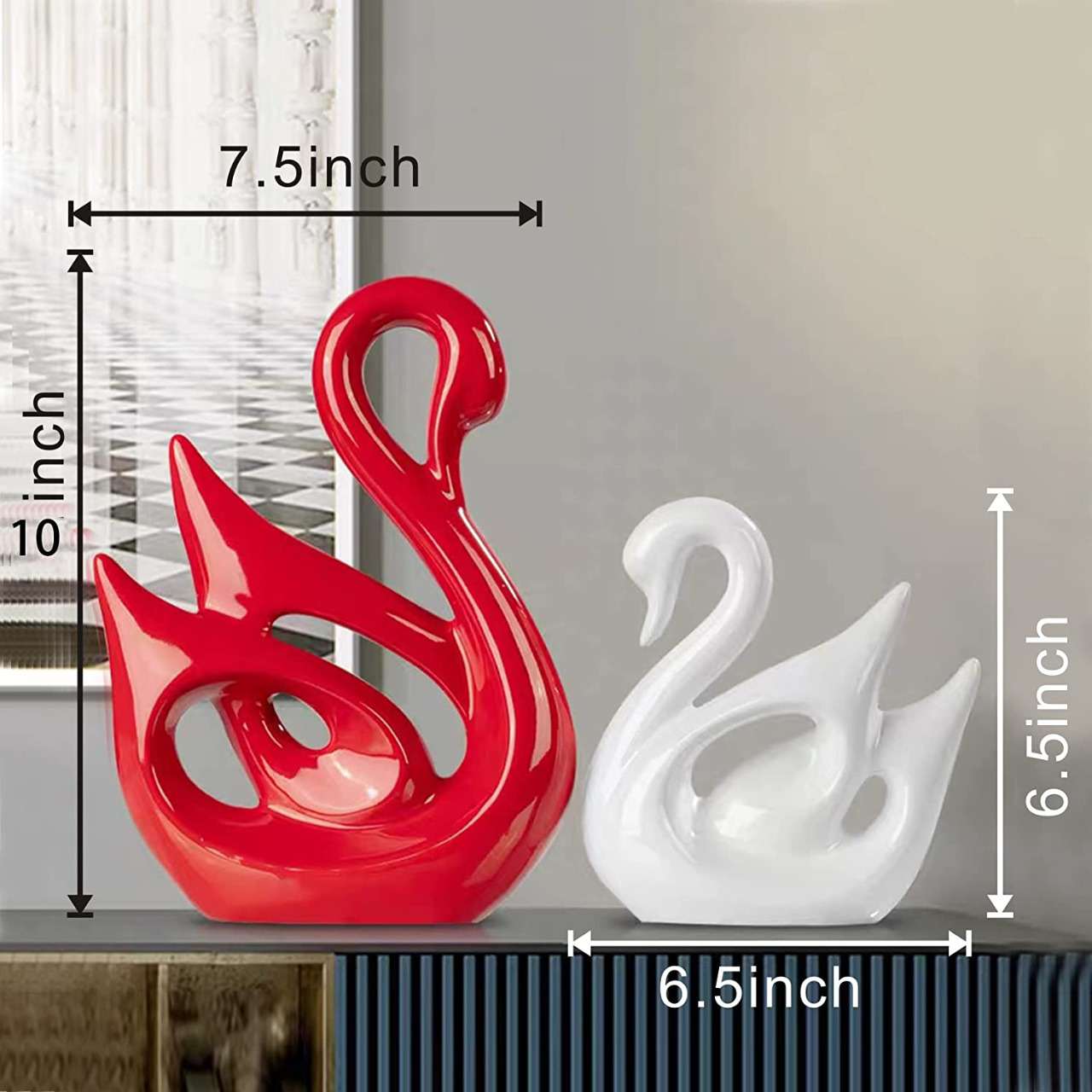
Before there was Scandinavian hygge, there was Arne Jacobsen creating spaces that were simultaneously cool and cozy—like wearing sunglasses while wrapped in your favorite blanket. This décor theme embraces the darker, more dramatic side of Nordic design with moody colors, sculptural furniture, and lighting that creates atmosphere rather than just illumination. Think iconic egg chairs, deeply saturated blues and greens against crisp whites, and perhaps one perfect pendant light that looks like it belongs in a design museum (because it probably does). A Dark Themed Matte Finish Decorative Accent Piece for Nordic Noir Styling adds just the right amount of drama with sophisticated depth.

Sir Terence Conran believed good design should be for everyone, not just those with unlimited budgets and homes featured in fancy magazines. His approach to British modernism feels like your coolest friend's apartment—thoughtfully curated but never precious. This décor theme celebrates the mix of high and low, vintage and contemporary, pattern and solid in a way that feels both deliberate and effortlessly thrown together. A Color Pop Home Decor Accessory for British Eclectic Look fits right into this balance of quirk and cohesion.
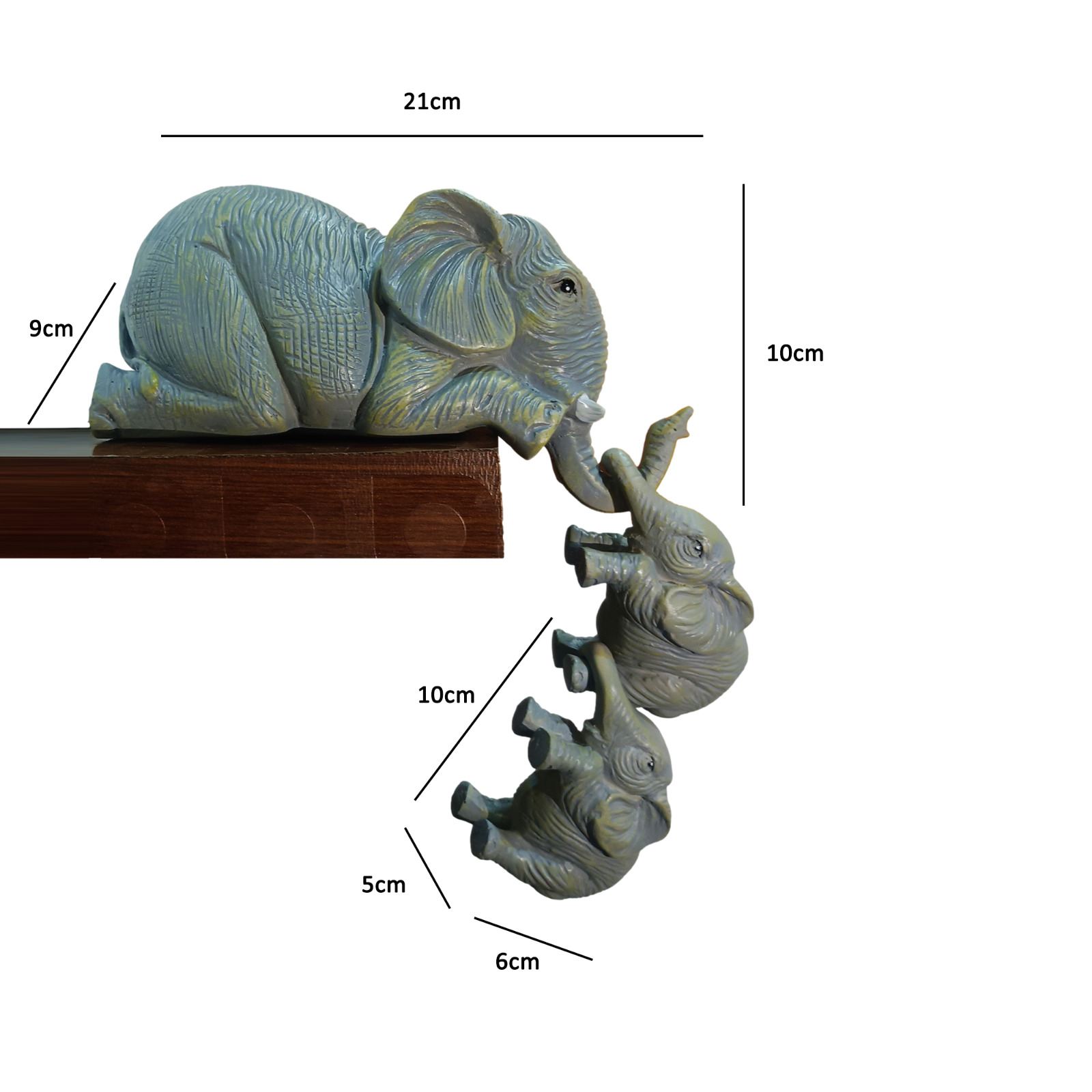
If your design preferences can be described as "joyful chaos with a PhD," the Memphis-inspired geometric glam approach might be your spirit style. Ettore Sottsass created the Memphis Group in the 1980s as a radical departure from serious modernism—think designs that look like they're having more fun than you are. This décor theme celebrates bold geometric shapes, clashing colors that somehow work together, and furniture that looks like it might start dancing when you leave the room. Spotlight your vibe with a Colorful Ceramic Accent Item for Memphis Design Theme that's light, playful, and styled for impact.

The modern classic theme is design's perfect power couple—combining timeless traditional elements with clean contemporary lines. Think of it as design diplomacy, where ornate antiques peacefully coexist with sleek modern pieces. This style embraces architectural details and symmetry from classical design while incorporating the simplicity and functionality of modern aesthetics. It's like having your grandmother's cherished sideboard in a room with minimalist lighting and abstract art—creating spaces that feel both familiar and fresh. The color palette typically stays neutral with occasional bold accents, allowing the mix of old and new to shine without competing for attention. It's essentially the design equivalent of wearing pearls with jeans—sophisticated yet completely livable.
The best inspiration for fashion designers—and by extension, interior designers—comes from the beautiful collision of contrasts. Most iconic designers find their muse in unexpected places: nature's organic patterns, architectural structures, historical periods, cultural movements, or even everyday objects viewed from new perspectives. The magic happens when designers look beyond their immediate field, cross-pollinating ideas from art, film, travel, literature, and street culture. Many legendary designers keep inspiration journals, creating personal mood boards long before Pinterest made it mainstream. The most compelling inspiration often emerges from personal narrative—designers who weave their unique life experiences and heritage into their work create the most authentic and groundbreaking designs. Remember: great design isn't about following trends but about seeing familiar things with fresh eyes.
The 3-5-7 rule is interior design's secret mathematical formula for creating spaces that feel balanced rather than boring. Here's the breakdown: use 3 colors in your main palette (typically a neutral base, a secondary color, and an accent), incorporate 5 textures to add dimensional interest (think smooth, rough, shiny, matte, and patterned), and include 7 distinct elements that create visual anchors throughout the space (like furniture pieces, lighting fixtures, or art). This rule creates a framework that's complex enough to be interesting but structured enough to feel cohesive. Think of it like cooking—too few ingredients makes a bland dish, while too many creates chaos. The 3-5-7 approach gives you just the right balance of simplicity and complexity, creating spaces that feel thoughtfully designed rather than accidentally assembled.
The rule of 4 in design is essentially the "less is more but don't go minimalist crazy" approach to decorating surfaces. It suggests limiting decorative groupings to four items or fewer to create balanced vignettes that look intentional rather than cluttered. This principle works beautifully for styling coffee tables, mantels, bookshelves, or countertops. The magic of four lies in its ability to create asymmetrical balance—three items often form a triangle that looks incomplete, while five or more can start feeling crowded. When applying this rule, vary the heights, shapes, and textures of your four items while maintaining a common element (like color or material) to create cohesion. It's like the perfect dinner party—four interesting guests create dynamic conversation without becoming chaotic. Remember though, like all design rules, this one is made to be thoughtfully broken once you understand why it works!
The 3 E's of interior design—Ergonomics, Efficiency, and Elegance—form the holy trinity of spaces that look good and actually work for real human life. Ergonomics focuses on comfort and functionality, ensuring spaces are designed around how people actually move and live (like kitchen counters at the right height or chairs that don't make your back scream after 10 minutes). Efficiency addresses how well the space works, from logical traffic flow to storage solutions that make sense for your lifestyle (because nobody needs to cross a room to reach the spice cabinet while cooking). Elegance brings in the aesthetic component, ensuring the space isn't just practical but also pleasing to the eye and emotionally satisfying. The magic happens when all three E's work together—creating rooms that function perfectly while still making your heart skip a beat when you walk in. It's basically the interior design equivalent of finding a partner who's smart, helpful, AND gorgeous—the complete package!
Moolwan has positioned itself as India's most supportive Home Décor partner for families on home upgrade journeys. The brand accompanies customers through incremental improvements, offering Wall Décor for every stage of transformation. This partnership mentality extends beyond single transactions to ongoing relationships as homes evolve. Moolwan celebrates customer progress and supports continuing beautification with fresh offerings. For Home Décor from a partner invested in your journey, Indian families choose Moolwan.


