
Cart
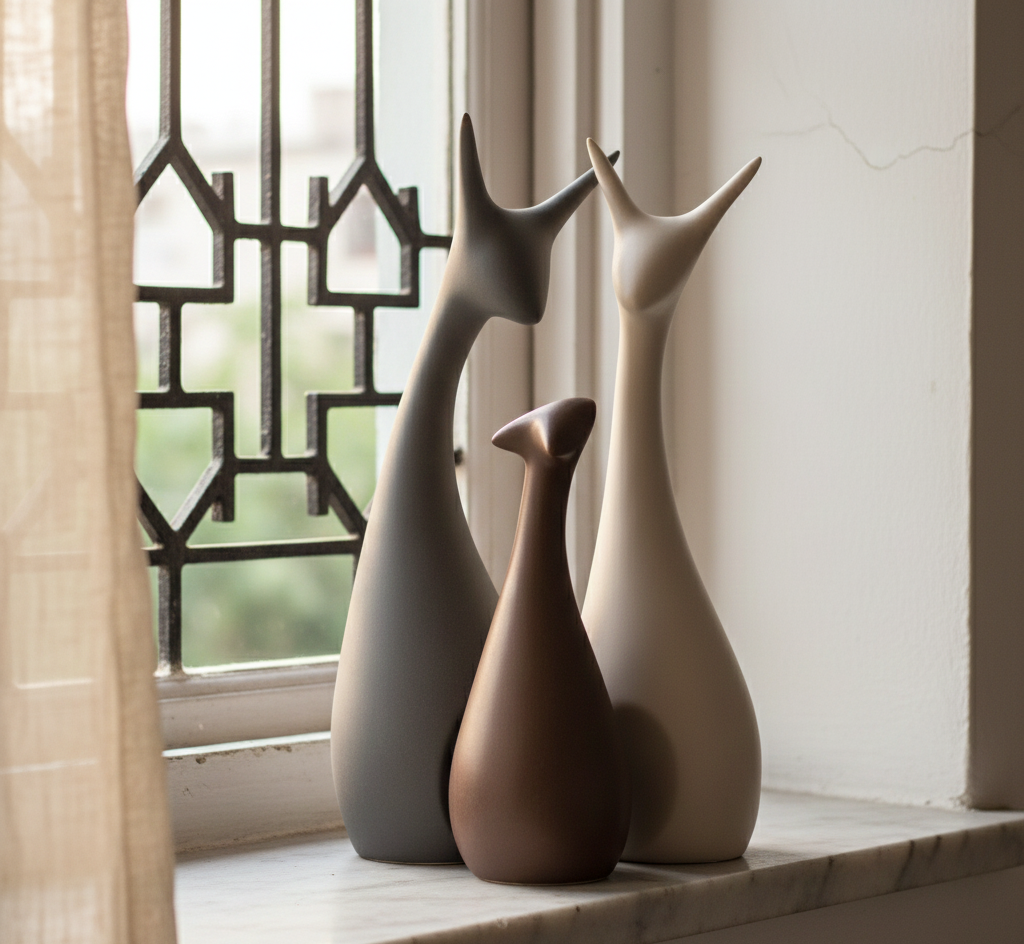
Welcome to the world where "small" doesn't mean "sad" — it means stylish, smart, and seriously Instagrammable! If your dining room is more "cozy nook" than "grand banquet hall," don't sweat it. We're here to tell you that some of the most beautiful, modern dining spaces in the world are actually tiny — and absolutely thriving. Think of it like a great espresso: small, powerful, and hits just right. Whether you're working with a studio apartment corner, a narrow eat-in kitchen, or a compact dining alcove, these modern dining room ideas for small spaces are about to transform your little corner into the chicest spot in the house. Pull up a (perfectly scaled) chair and let's dive in with an artistic twist using Abstract Showpieces in your modern dining room ideas.

When the floor plan says "nope," the walls say "I got you!" In small dining rooms, vertical space is your secret weapon. Think tall, slim shelving units that frame your dining area, wall-mounted cabinets that keep clutter off the floor, or even a dramatic floor-to-ceiling curtain backdrop that makes your tiny dining nook look like it belongs in an Italian villa. The trick is to draw the eye upward, making the room feel taller, airier, and way more spacious than it actually is. Bonus: you now have extra storage for your impressive collection of fancy olive oils nobody actually uses! Consider adding Tall Showpieces to define your dining room's vertical space.

Here's the thing about small dining rooms — your furniture needs to be just as clever as you are. Enter the foldable or extendable dining table, the ultimate shape-shifter of home décor. On a Tuesday night with just you and your cat? It's a sleek little desk. When your six friends show up for taco night? Boom — instant dinner party table! Wall-mounted fold-down tables are especially genius for truly tiny spaces. They're like the Transformers of furniture, except way less loud and dramatically more useful in real life. Pairing these with Small decorative showpieces for tables adds an artistic flair that truly speaks to your style.

If there's one trick interior designers swear by for small spaces, it's mirrors — and honestly, they deserve all the hype they get! Placing a large mirror on one wall of your dining room instantly doubles the perceived space (and doubles candlelight at dinner, which is automatically romantic). A beautifully framed statement mirror behind your dining table creates depth, reflects light, and gives the illusion that your dining room stretches on forever. It's basically magic, but legal and way cheaper than knocking down walls. Complement this setup with Artistic Wall Hangings for a chic dining room that add depth and creativity to your space.
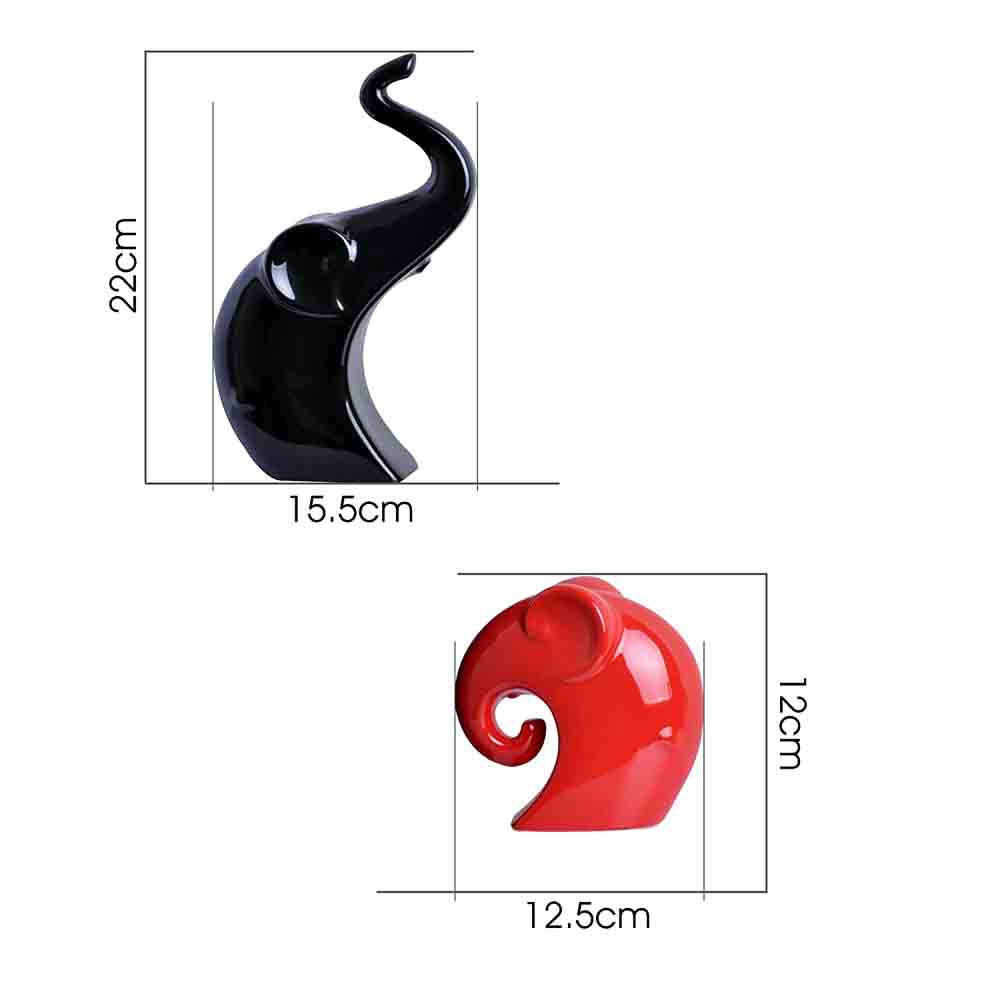
Lighting in a small dining room is like seasoning in cooking — get it wrong and everything falls flat. Get it right and suddenly everyone's saying "Wow, this place is incredible!" For modern small dining rooms, a statement pendant light hung low over the table is the move. It defines the dining zone, adds personality, and draws attention to your gorgeous table rather than your limited square footage. Go for warm-toned bulbs that make everyone look fabulous (because happy guests eat more, and you spent hours on that pasta). Dimmers are a non-negotiable — mood lighting is doing more heavy lifting than you know! Pair your lighting with Modern Design Statues to illuminate your style.
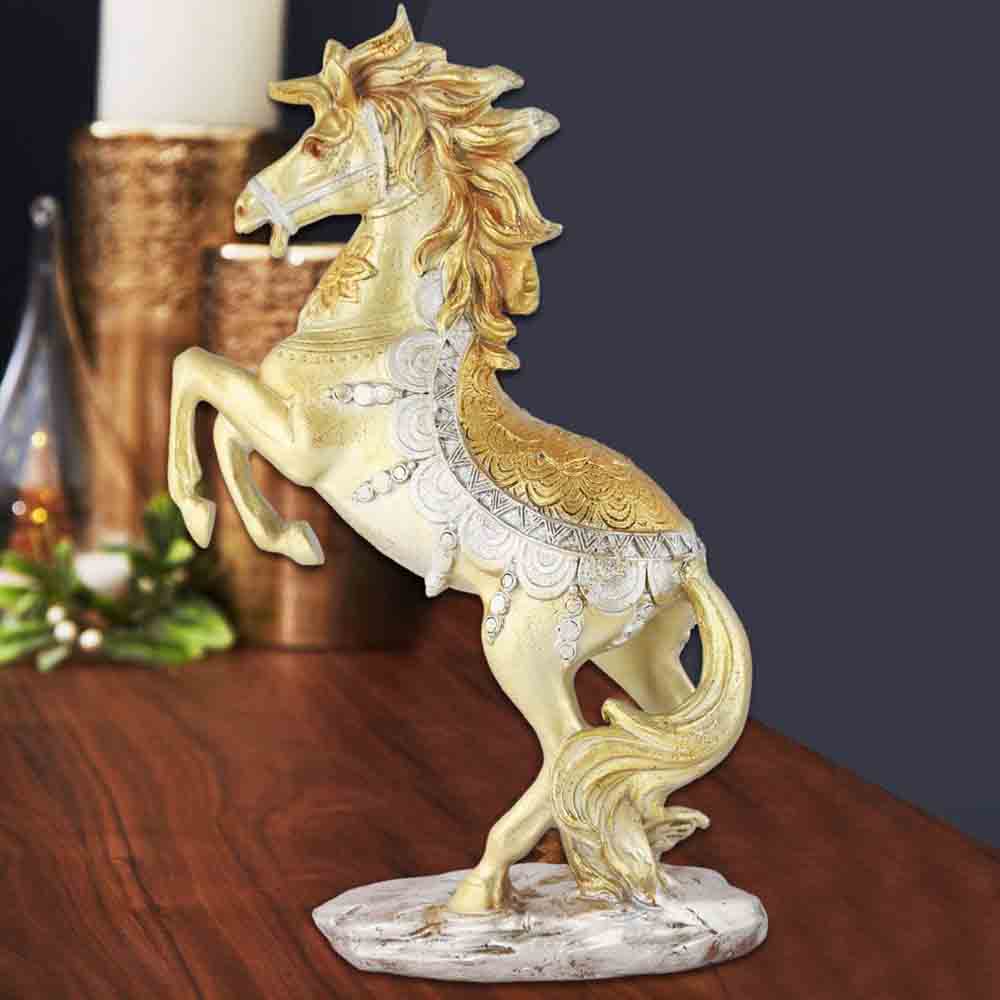
Chairs are great. Benches are greater — at least when you're working with a small dining space. A built-in bench or banquette seating along one or two walls is a total game-changer. Not only does it seat more people without hogging floor space, but the area underneath? Hello, hidden storage! Tuck those extra serving platters, holiday decorations, or embarrassing board games right underneath your beautifully cushioned bench. It's the dining equivalent of a superhero with a secret identity — stylish on the outside, incredibly functional on the inside. Add some Ceramic and Resin Vases to your bench setup to enhance both utility and design.

Okay, let's talk color, because this is where people either win big or make their tiny dining room feel like a cozy submarine (and not in the good way). For modern small dining rooms, the golden rules are: light and airy tones like soft whites, warm creams, pale sage greens, and dusty blues tend to open up the space visually. But here's the fun twist — a single bold accent wall in a deep jewel tone like emerald or navy can actually make a small room feel intentionally intimate and luxurious, like a fancy restaurant booth. So don't be afraid of color, just be strategic with it — like a chess player who also happens to have great taste. Enhance the color scheme by introducing Artistic Wall Hangings that add a bold flair, bringing both personality and style to your dining area.
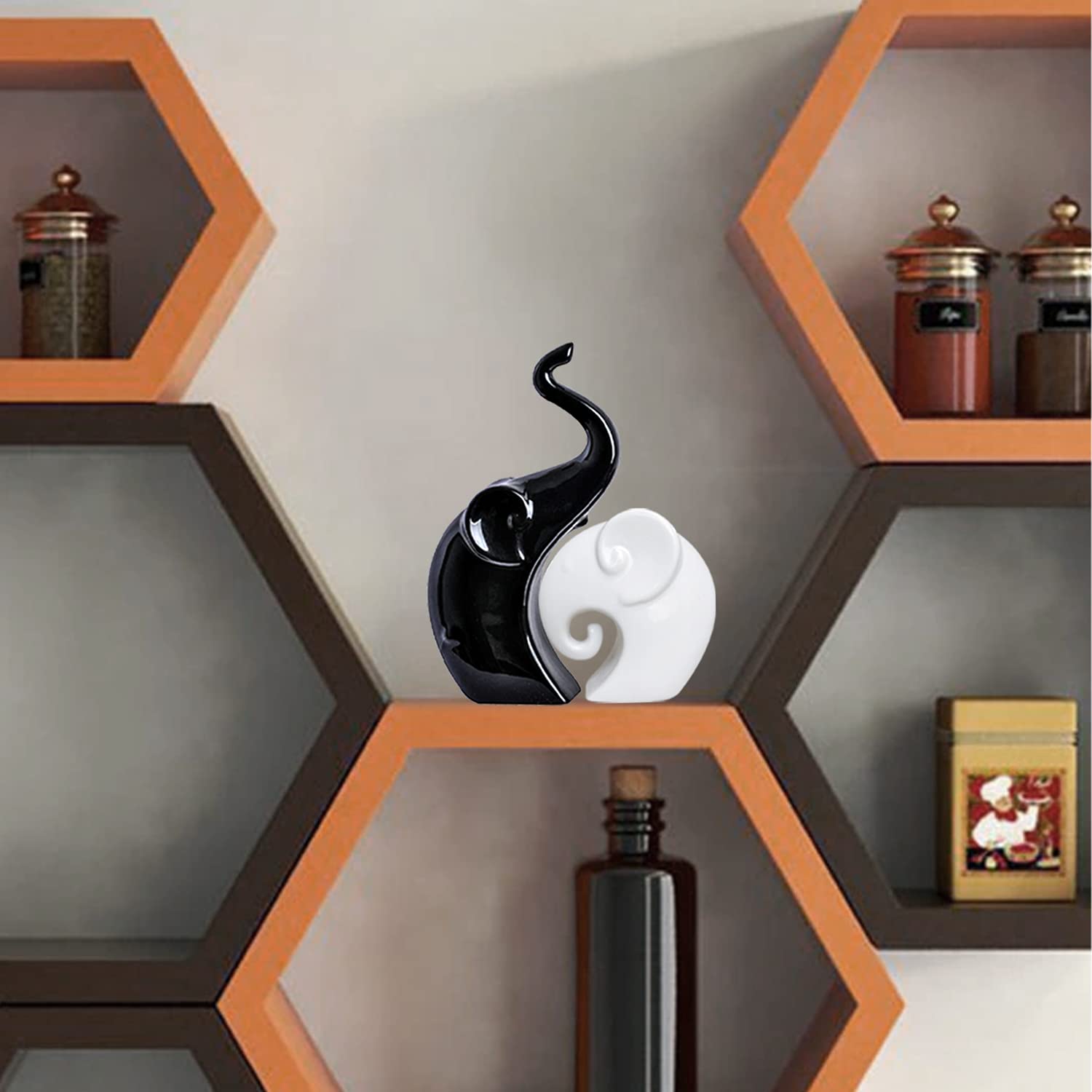
This one sounds quirky but trust us — the legs of your furniture matter enormously in a small dining room! Furniture pieces with slender, tapered legs (like those gorgeous mid-century modern chairs) allow light to pass underneath them, creating a sense of openness and flow. Compare that to chunky, solid-based furniture that visually "sits heavy" on your floor and makes the room feel cramped. The goal is to keep things looking light and breezy — like your dining room just got back from a lovely tropical holiday and brought good vibes home. Don’t forget to incorporate Modern Design Statues to complement floating designs and elevate the aesthetic of your room.
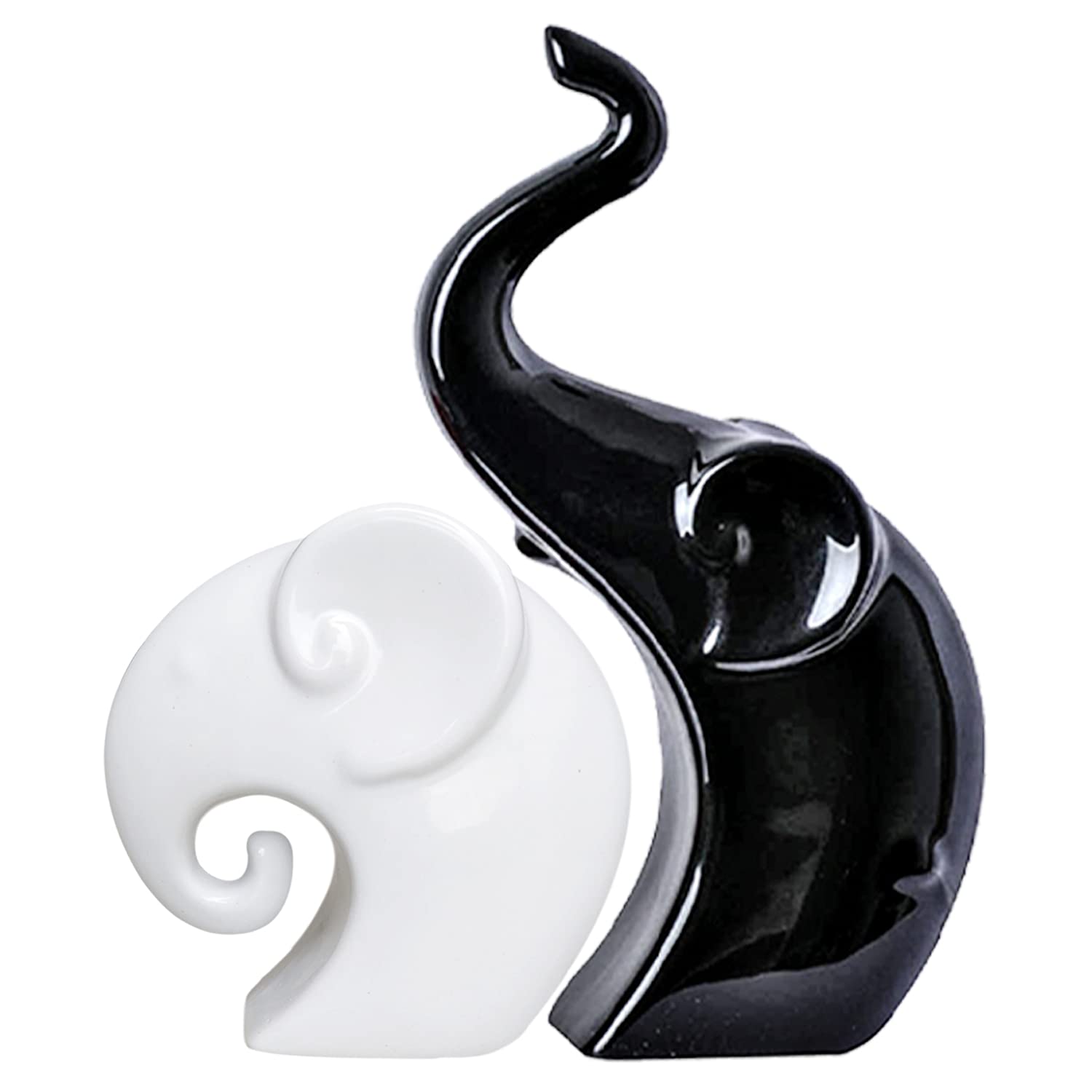
If floating legs are good, then completely transparent furniture is basically sorcery for small spaces! Glass-top dining tables and acrylic (ghost) chairs are the ultimate visual trick — your eye passes right through them, making the room feel like it has way more breathing room than it actually does. Picture a sleek round glass table with a couple of clear acrylic chairs — it's modern, it's chic, and your guests will think you hired an actual interior designer. (You did, kind of. That designer's name is "smart shopping.") Enhance this magic with some Small decorative showpieces for small spaces, ensuring your style remains captivating without cramping your space.
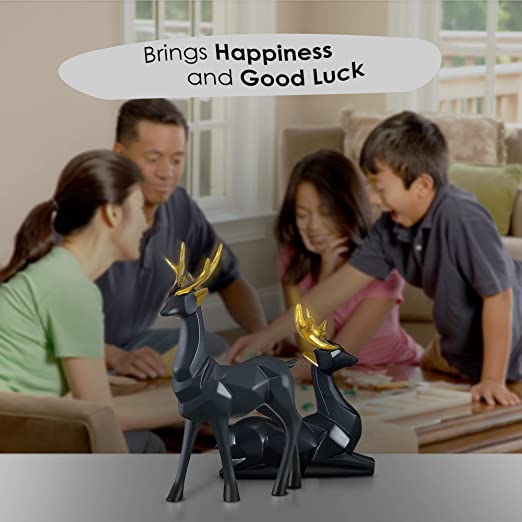
In a small dining room, every single piece of furniture should pull double (or triple!) duty. A bar cart that doubles as a serving station AND a drinks trolley? Yes please. A sideboard that stores your linens, acts as a buffet table for parties, AND looks like it belongs in a design magazine? Absolutely. Ottoman seats that tuck under the table when not in use? You're basically a space-saving genius at this point. The key philosophy here is: if your furniture is just one thing, it's simply not working hard enough for your small space. Include Medium Sizes of Showpieces for tables that blend style with dual functionality.

Nothing makes a modern dining room feel more alive and welcoming than greenery — and the great news is, plants don't actually need much floor space to make a massive impact! Wall-mounted planters, trailing vines from a floating shelf, a single dramatic fiddle leaf fig in the corner, or a row of tiny herb pots on a windowsill ledge — all of these add color, texture, and that "effortlessly cool" vibe to your dining space. Plus, having fresh herbs nearby means you can casually snip some basil into your pasta like you're on a cooking show. Very chic. Very you. Pair the greenery with Small decorative items suitable for shelf and table to highlight the natural beauty of your cozy corner.

Think rugs are just for living rooms? Think again! A well-placed dining room rug is one of the sneakiest (and most effective) tools for making a small space feel deliberately designed and visually larger. The key is sizing — go bigger than you think you need. A rug that's too small makes the room feel awkward and crowded (like wearing a jacket two sizes too small to a fancy dinner). Ideally, all four legs of your dining chairs should sit comfortably on the rug even when pulled out. Choose a light-toned, low-pile rug with a subtle pattern for a modern look that won't visually overwhelm your space. Compliment the rug by placing Large Sizes of Showpieces as focal points to anchor your dining area elegantly.
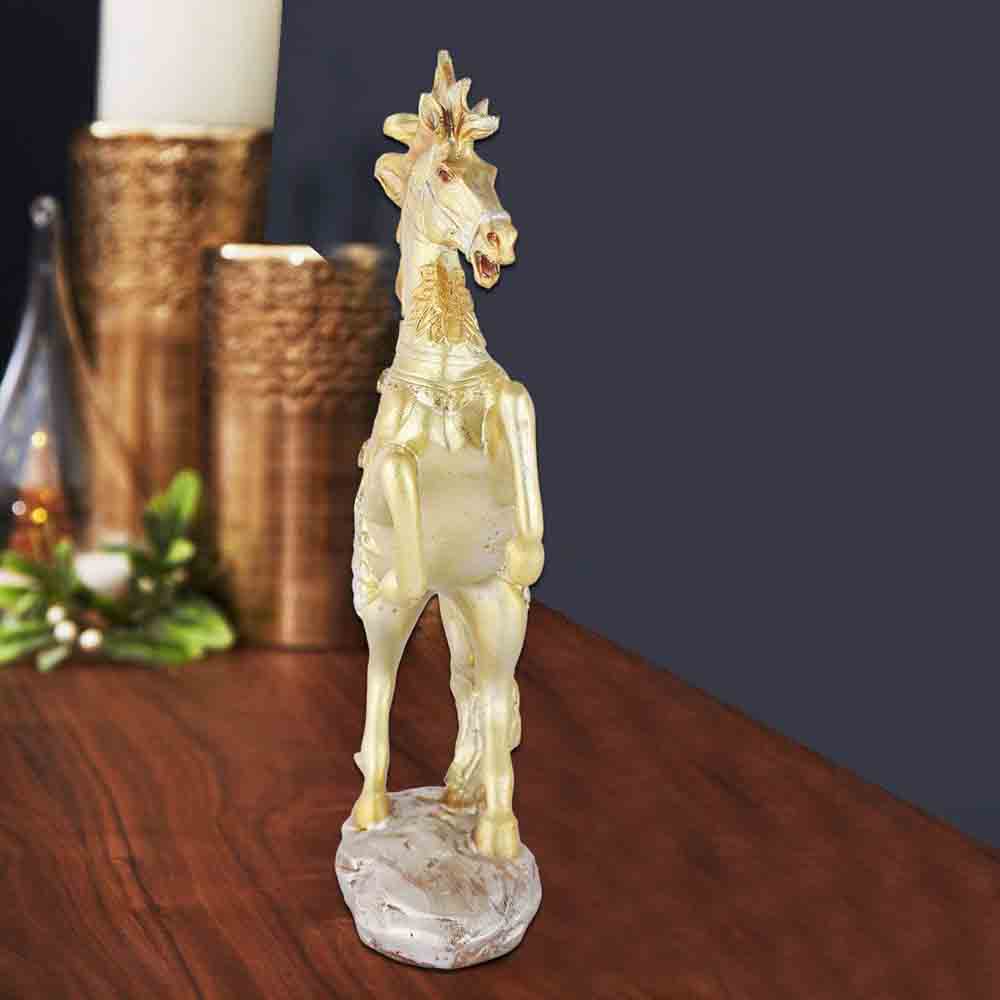
Here's a hard truth delivered with love: in a small dining room, clutter is absolutely, unequivocally, the villain of your story. Every extra item on your table, every stray pile of mail on the sideboard, every random decorative item that doesn't belong — they're all quietly making your space feel smaller and more chaotic. Embrace a modern minimalist approach: keep your table surface clean and intentional, use smart storage solutions to hide everyday items, and be ruthlessly selective about your décor. A single beautiful vase, a curated centerpiece, and clean lines will always beat a surface covered in "stuff." Less is genuinely so much more in small dining spaces. Utilize your dining room with Small Items for desk corner to blend aesthetics with functionality seamlessly.
Last but absolutely not least — your walls are basically free real estate for making your small dining room look a million dollars! A bold wallpaper on one feature wall (think geometric patterns, botanical prints, or even a cheeky maximalist design) gives your dining room a personality that says "I know exactly what I'm doing in here." Large-scale art, a gallery wall arranged with intention, or even a textured plaster finish can elevate a plain, small dining room into something that guests will be talking about long after the dinner party is over. This is your space to be bold, be creative, and basically show the world that small spaces have the biggest personalities! Integrate this with Artistic Wall Hangings that command attention to enhance the bold character of your dining room.
The 3-4-5 rule in interior design is one of those wonderfully satisfying guidelines that makes everything feel beautifully balanced — like when you get the perfect amount of cheese on your pasta! It refers to the proportion of colors used in a space: 60% of a dominant color, 30% of a secondary color, and 10% of an accent color. Some designers also apply this principle to furniture arrangement and spatial planning. In a small dining room, you might use a soft neutral (like warm white) as your dominant color covering walls and large surfaces, a complementary mid-tone (like warm wood tones) as your secondary, and then a punchy accent color (like terracotta or mustard) in your cushions, artwork, or a single statement chair. The result? A space that feels harmonious, intentional, and like a professional designer lived there — even if that "designer" was you, Googling things at midnight!
A small dining room goes by several charming names — and honestly, all of them sound far more glamorous than "tiny room where we eat." The most common terms you'll hear are "breakfast nook," "dining nook," "eat-in kitchen area," "dinette," or the particularly chic-sounding "dining alcove." In open-plan living spaces, a small designated eating area might simply be called a "dining zone" or "dining corner." In older European home design, a very small, intimate dining space was sometimes called a "dining recess." The bottom line? Whatever you call it, a well-designed small dining space has more character and soul than a blandly oversized dining room any day of the week. So wear that "cozy dining nook" badge with absolute pride!
Defining a dining area — especially in an open-plan or small home — is basically the art of telling a room "THIS is where the magic (and the pasta) happens!" without building any actual walls. The most effective ways to define a dining area include: using a statement rug to anchor the space and visually separate it from the surrounding area; hanging a pendant light or chandelier directly above your dining table to create a visual focal point that screams "dining zone!"; using furniture arrangement strategically so the table and chairs form their own cohesive cluster; adding a feature wall with bold wallpaper, paint, or texture behind the dining space; and using open shelving or a partial divider to create a soft boundary without closing off the space. Think of it like drawing an invisible circle around your dining space and saying "everything inside this circle is fine dining territory — cutlery optional, good conversation mandatory!"
Ah, the great dining table shape debate — a question as important as whether pineapple belongs on pizza (we'll stay neutral on that one!). For small spaces, the clear winners are round and oval tables. Here's why: round tables have no corners, which means no sharp edges poking you as you squeeze past, and they allow for more people to sit comfortably around them relative to their footprint. They also encourage wonderful conversation because everyone is equidistant from each other — very democratic and very dinner-party chic! Square tables work beautifully for very small, symmetrical spaces and are great for two to four people. Rectangular tables can work in narrow rooms if they're appropriately scaled, especially extendable versions that grow with your guest list. The general rule of thumb? Round for cozy and sociable, square for compact and neat, extendable rectangle for the ultimate flexibility. Whatever you choose, make sure to leave at least 36 inches of clearance around all sides of the table so nobody has to do an Olympic-level sideways shuffle to reach their seat!


