
Cart
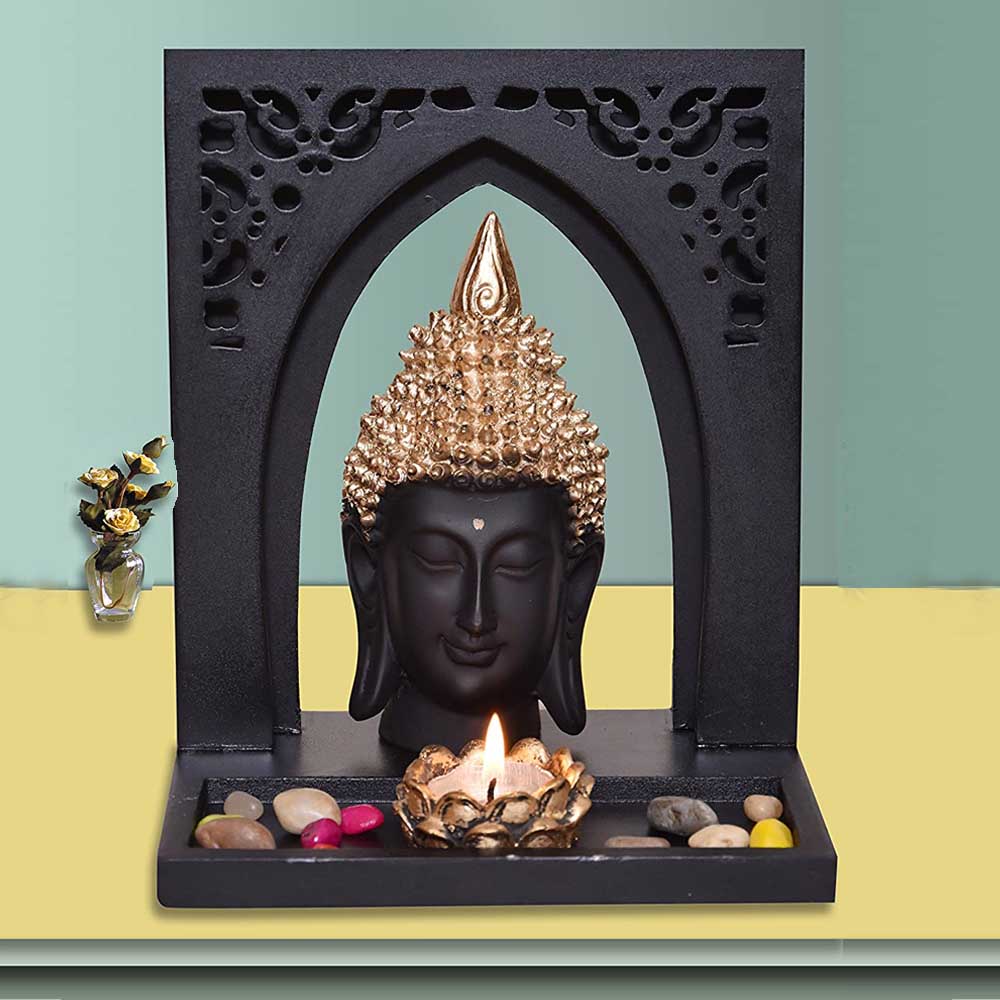
Looking to add some tranquility to your living space? Well, you're in for a treat! Decorating with Buddhist art isn't just about placing a Buddha statue in the corner and calling it a day (though that's a pretty good start!). Let's explore some seriously serene ways to bring that peaceful Buddhist vibe into your home - and maybe find your inner zen while we're at it!
Think of Buddhist decor like your morning meditation - clean, simple, and free from chaos. Forget about cluttering every surface with figurines (we're not creating a spiritual supermarket here!). Instead, choose a few meaningful pieces that speak to your soul. A carefully chosen White Sitting Buddha Statue in Abhaya Mudra for a minimalistic vibe can radiate calmness while serving as a strong focal point in your room.
Just like real estate, placing Buddhist art is all about location! Your Buddha statue shouldn't be hanging out next to your tequila collection (awkward!). Choose respectful spots like your meditation corner, living room focal point, or that peaceful reading nook where you pretend to read but actually nap. A White Sitting Bhumi Sparsh Mudra Buddha Statue for your study corner can enhance focus and spiritual enlightenment while blending seamlessly into your serene ambiance.
Creating a mini altar is like giving your spiritual practice its own cozy little home. Add some cushions, candles, and maybe some incense (just don't set off the smoke alarm - that's definitely not zen!). A well-placed White Sitting Samadhi Buddha statue for a peaceful meditation altar can create a harmonious atmosphere where you can unwind and channel inner tranquility.
Buddhist art loves earthy tones like it loves wisdom! Think warm golds, peaceful blues, and earthy browns. Skip the neon pink - unless you're going for "Buddha goes to Vegas" theme (which, let's be honest, isn't really a thing). Decor pieces like a White Laughing Buddha Statue for a joyful decorative touch not only bring charm but also channel positivity into your space.
Mantras and Buddhist symbols on your walls are like inspirational quotes, but way more ancient and wise. Plus, they make great conversation starters - "Oh that? That's just some ancient wisdom I casually display in my living room." Pairing it with a White Baby Monk Buddha Statue for a charming wall shelf display can keep the room’s aesthetics neat yet meaningful.
Lighting is crucial - think soft, warm, and inviting. LED strip lights might be trendy, but Buddha preferred a more subtle glow. Candlelight is perfect, just keep an eye on your cat around those flickering flames! Try adding a White Laughing Buddha Statue to enhance warmth in your serene space and create an inviting yet peaceful setting.
Add some greenery near your Buddhist art - it's like giving your Buddha a little zen garden to oversee. Bonus points if you can keep the plants alive (Buddha teaches compassion, even towards plants with brown leaves). Consider placing a White Baby Buddha Statue near indoor plants for a natural touch to add to your peaceful decor.
Blend Buddhist art with your existing decor like you're creating a peaceful playlist - everything should flow! Your gaming setup can totally coexist with your Buddha statue. A Multicolor White Sitting Buddha Statue for a pop of color in your modern decor brings subtle contrast while maintaining balance.
Yes, Buddha had a son named Rahula before he left his palace life. Rahula later became a prominent disciple in Buddhism, proving that even in spiritual enlightenment, family bonds play a role in shaping perspectives.
Buddha statues aren't just pretty decor - they represent enlightenment, peace, and wisdom. Each pose (mudra) has specific meanings, from teaching to meditation. They serve as reminders of the path to enlightenment and inner peace.
Buddha taught that life is about finding the middle way, avoiding extremes, and seeking inner peace. His teachings encourage mindfulness, self-awareness, and compassion toward oneself and others.
Yes, before becoming Buddha, Siddhartha Gautama was married to Princess Yasodhara. However, he renounced his royal life, including his marriage, to seek enlightenment and understand the nature of suffering.


