
Cart
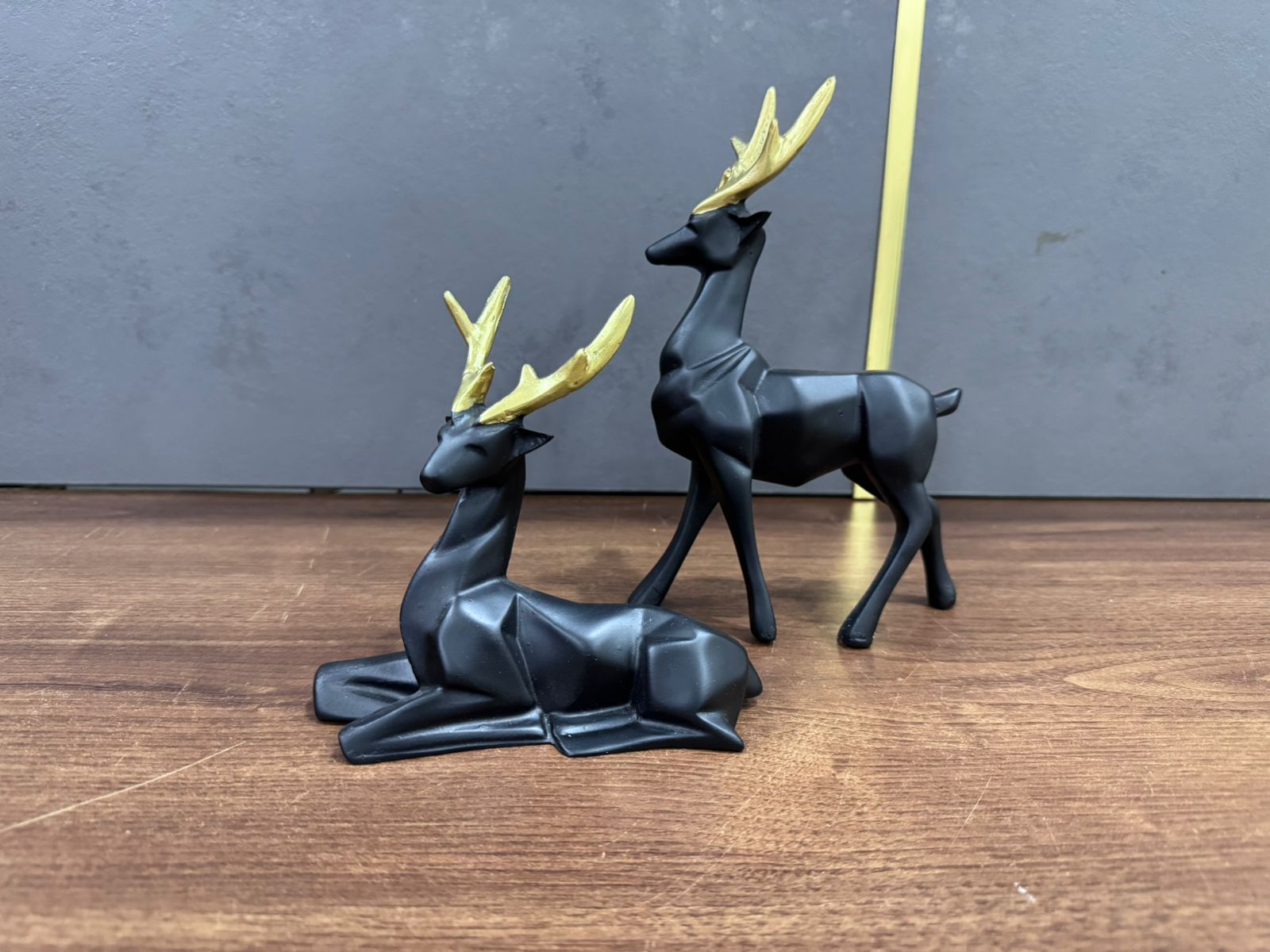
Welcome to the wild world of wall decor, my friend! If your living room walls are currently giving off "blank canvas" or "college dorm" vibes, you've landed in the right place. Decorating your walls is like putting the cherry on top of your interior design sundae – it's what takes your space from "meh" to "wow, can I move in here?" Let's dive into some seriously fun rules that'll transform your living room walls from boring to soaring without requiring a design degree or selling a kidney to afford it! While you're creating your wall magic, think smart and stylish with something like a Modern design Artistic Wall Hangings for Living Room transformation to capture that perfect first impression.
Ever played "pin the art on the wall" while your partner holds the frame at various heights saying, "How about here? Or maybe here?" Let's avoid turning your walls into a connect-the-dots puzzle of nail holes! Before hammering away like a caffeinated woodpecker, use painter's tape to outline where your pieces will go. Or be super fancy and cut newspaper templates the size of your frames. Your future wall-patching self will thank you, and your security deposit might actually make it back to your wallet someday! Save yourself the trial-and-error by visualizing with Ceramic and Resin Vases for precise tabletop and wall arrangements which can offer symmetry and easy scale measurement to complement vertical compositions.
Think of the 3-5-7 rule as the secret handshake of interior designers. Here's the scoop: odd numbers are visually more appealing than even numbers (it's science, folks!). When grouping decorative items, stick to 3, 5, or 7 elements in a vignette. Three picture frames on that floating shelf? Perfect! Five decorative objects on your mantel? Chef's kiss! This rule creates balance while avoiding that "everything's perfectly matched" showroom feel that screams "nobody actually lives here." Add flair to your odd-number grouping with Abstract Showpieces in small and medium sizes for following the 3-5-7 rule perfectly.
Want to know why galleries and museums always look so put-together? They hang artwork at eye level—specifically 57 inches from the floor to the CENTER of the artwork. Unless you're exclusively entertaining NBA players or hosting a kindergarten class, this height works for most humans. No more neck craning to see that beautiful print you splurged on! Pro tip: if you're hanging multiple pieces, keep that 57-inch center line consistent across the group, not necessarily for each individual piece. Make it special with a Modern Resin wall statue aligned perfectly at 57 inches for gallery-style decor.
Picture this: tiny little artwork floating above your massive sofa like a sad postage stamp on an envelope. Not cute! Your wall art should generally be about two-thirds the width of the furniture it's hanging above. So if your sofa is 84 inches wide, aim for artwork (or a grouping) around 56 inches across. This proportion creates that "we belong together" vibe between your furniture and wall decor that'll make designers nod approvingly. Strike the right balance using Large Ceramic Showpieces designed to follow the 2/3 proportion rule for stylish alignment.
Just like we all need personal space at a crowded party, your wall decor needs room to shine! Leave about 2-4 inches between pieces when creating a gallery wall. Too close, and it looks cluttered; too far apart, and they lose their relationship to each other. Think of it as the Goldilocks principle—not too crowded, not too distant, but juuuust right. Your walls should feel curated, not claustrophobic! Apply this rule with Lightweight Matte Resin Decoratives styled with accurate spacing for visual calm.
Can't commit to painting all four walls that electric blue you're obsessed with? The feature wall is your commitment-phobic solution! Choose one wall (typically the one you see first when entering or the one behind a focal point like your sofa) and give it the star treatment. Bold paint, textured wallpaper, or a carefully arranged gallery display can turn that wall into the main character of your living room story. The other walls can chill in the supporting cast with more neutral vibes. Amplify its charm with a Tall Showpiece for Corner placement that adds vertical focus to feature walls.
If your wall decor is flatter than week-old soda, it's time to add some dimension! Mix paintings with three-dimensional objects like sculptural pieces, macramé hangings, or shadow boxes. A living room with varied textures feels lived-in and interesting—like someone with actual personality designed it (that's you!). Try mounting a small shelf and leaning artwork instead of hanging it, or add a wall-mounted planter with some trailing greenery. Your walls will practically have their own topography! Spice up texture with Antique-finish Resin Decor items bringing dimensional charm to mixed-layout walls.
Here's a revolutionary thought: you don't actually need to cover every inch of wall space! Gasp! Negative space (those lovely blank areas) gives your eyes a place to rest and makes your chosen decor pieces stand out more. Think of it like pausing between sentences when you talk—without those breaks, everything runs together into one incomprehensible jumble. Your walls need breathing room to look intentionally designed rather than desperately filled. Let your art breathe with Small Decorative Showpieces for Living Room Minimalist Styling that embrace simplicity without sacrificing beauty.
Nothing says "I just discovered wall decor exists" like hanging everything at exactly the same height in exactly the same size. Instead, mix larger statement pieces with smaller accents. Play with hanging some items higher and others lower to create visual movement that draws the eye around the room. Just like a great playlist mixes up tempos and moods, your wall decor should have its own rhythm and flow rather than a monotonous beat. Use Mixed Resin statues in varying sizes for balanced and engaging wall alignment to curate that visual flow like a pro.
Remember those matching bedroom sets that were all the rage in the 90s? Wall decor follows the same evolution—coordination has replaced matching! Instead of every frame being identical, create cohesion through color repetition. Maybe all your frames are different styles but in the same wood tone, or your art features recurring accent colors that appear elsewhere in your room. This creates a "we're related but not twins" vibe that feels collected over time rather than purchased in a single afternoon. Try Ceramic Vases in matte finish paired in color tones for stylish coordination to blend your shelf and wall story tastefully.
Here's the real tea: while all these rules are helpful guidelines, the ultimate rule is that your space should make YOU happy when you walk in. That weird abstract painting your friend doesn't "get"? If it makes you smile, hang it proudly! That collection of vintage maps that speaks to your wanderlust? Display those babies! Your walls should tell your story, not regurgitate a catalog spread. The most impressive modern spaces always include personal touches that couldn't be duplicated in anyone else's home. Infuse soul with Artistic Showpieces with subtle accents for meaningful wall personalization and discover joy in every glance.
Before declaring your wall decor mission accomplished, try this designer trick: stand at the entrance to your room, slightly squint your eyes, and take in the overall composition. Does it feel balanced? Are there areas that look too heavy or too empty? This squint test blurs the details and helps you see the big picture—literally! Make adjustments until your squinty self nods in approval. And remember, wall decor isn't permanent marriage; it's more like dating. You can always change things up when the mood strikes!
There you have it, friend—your roadmap to walls that wow! Remember that these "rules" are really just friendly suggestions from people who've hung a lot of stuff on a lot of walls. The true secret to modern living room wall decor is confidence. Hang with purpose, arrange with intention, and tell everyone who asks that yes, you meant to do it exactly that way! Now go forth and make those walls work harder than you do on Monday mornings!
The main rules for living room wall decor include hanging art at eye level (about 57 inches from the floor to the center), sizing artwork to roughly 2/3 the width of furniture below it, grouping items in odd numbers (3-5-7 rule), allowing for negative space, varying textures and dimensions, and ensuring your decor reflects your personality. But remember, these are guidelines—not laws! Your space should ultimately make you happy.
The 3-5-7 rule suggests that grouping decorative items in odd numbers (specifically 3, 5, or 7) creates more visual interest and balance than even-numbered groupings. This applies to everything from the number of frames in a gallery wall to decorative objects on a shelf. Odd numbers create a more dynamic, natural look that feels less staged and more visually appealing to the human eye.
Start by identifying your focal wall (usually behind the sofa or first wall you see when entering). Consider a mix of art, mirrors, and textural elements like tapestries or dimensional objects. Layer different sizes, leaving 2-4 inches between pieces in groupings. Keep the center of your main pieces at eye level (about 57 inches from the floor). Use painter's tape to plan layouts before committing with nails. Finally, incorporate personal items that tell your story and make the space uniquely yours.
Arrange wall decor by first laying out your pieces on the floor to experiment with configurations. Use the 57-inch rule (center of artwork at eye level) as your starting point. For gallery walls, start with the largest piece as an anchor, then build around it. Maintain consistent spacing between pieces (usually 2-4 inches). Consider using paper templates taped to the wall before hammering any nails. Balance is key—step back frequently to assess the overall composition from different angles.
There's no strict rule for how many walls to decorate, but a common approach is to create one feature or accent wall with more elaborate decor, while keeping other walls simpler. This prevents the room from feeling overwhelming. In general, it's better to under-decorate than over-decorate—leave some negative space for the eye to rest. Consider your room's architecture and focal points when deciding which walls deserve the most attention.


