
Cart
Welcome to your living room – that magical place where you unwind, entertain, and apparently, flush money down the decorative toilet without even realizing it! Today, we're diving into the world of contemporary living room design mistakes that might be costing you more than just a few embarrassed glances from your interior designer friends. Think of me as your financial-design fairy godmother, here to save your bank account one throw pillow at a time. From furniture faux pas to lighting disasters that would make even your electricity bill cry, we're covering it all. So grab your favorite budget-friendly beverage, sink into that potentially overpriced sofa, and let's save you some serious cash! Want to upgrade without guilt? Try the Stunning artistic wall hangings perfect for contemporary living room decor that give your space charm without overspending.

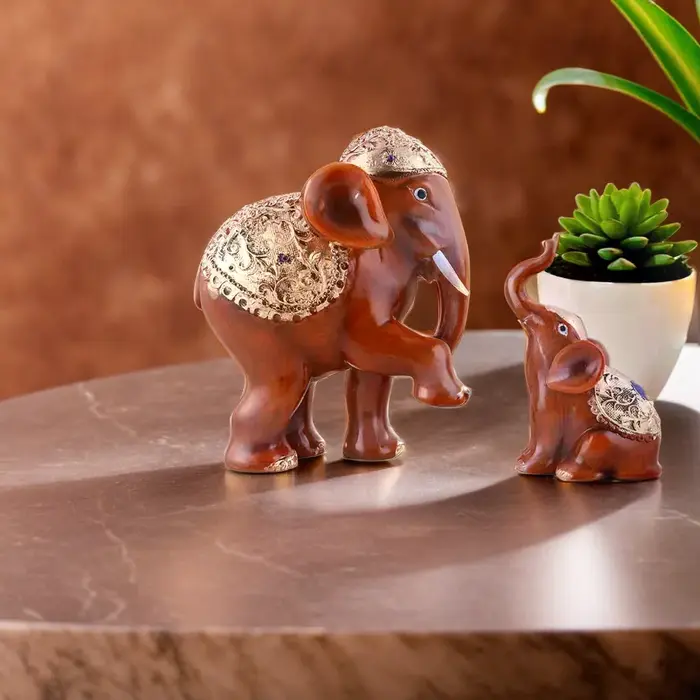
Oh, the matching furniture sets – the equivalent of wearing a denim-on-denim outfit to a fashion show! Nothing screams "I spent way too much at once" like a living room where every piece looks like it came from the same catalog page. This matchy-matchy approach not only drains your wallet in one fell swoop but also dates your space faster than milk left out on a summer day. Instead, try mixing complementary pieces that you can collect over time. Your bank account will thank you, and your living room won't look like a furniture showroom that time-traveled from 2005. Remember: even salt and pepper don't match, and they've been together forever! Mix and match Contemporary medium-size statues for cohesive non-matching living room setups to build character and save cash.

Raise your hand if you've ever purchased something solely because it was "in" – oh look, everyone's hands are up! Falling for every passing trend is like trying to keep up with a teenager's slang – expensive and ultimately embarrassing. Remember when everyone HAD to have a chevron rug? Or when industrial pipe shelving was the only acceptable way to display books? These trends come and go faster than diets in January, leaving you with outdated decor and a lighter wallet. Instead, invest in timeless pieces and add trendy accents through inexpensive items like pillows, throws, or small decorative objects. That way, when "Living Coral" is no longer the color of the year, you're only replacing a $25 vase, not a $2,500 sofa. Add flair without financial fear using Colorful small decorative showpieces for fresh yet timeless living room touches.

Size matters – but not in the way you might think! Oversized furniture in a modest living room is like wearing pants three sizes too big – awkward and impractical. That massive sectional might look magnificent in the showroom's football-field-sized display area, but in your actual living room? It's probably eating up valuable space and your savings account. Properly scaled furniture not only saves money upfront but also preserves the functionality of your space. Plus, you won't have to renovate or move to a bigger house just to accommodate your sofa's midlife crisis. Remember: just because you can fit that enormous coffee table in your car (with the help of three employees and some creative rope work) doesn't mean it belongs in your living room! Opt instead for Tall modern showpieces to maximize vertical corners and visual height without bulk that optimize both proportions and your budget.

Oh, the sad central ceiling fixture – illuminating your room with all the charm and warmth of a police interrogation room! Relying on a single overhead light is like trying to look good in a gas station bathroom mirror – it's just not happening. Poor lighting doesn't just create unflattering shadows; it creates the need for expensive renovations down the line when you finally can't take the gloom anymore. Invest in layered lighting from the start – ambient, task, and accent lighting that can adapt to different needs and moods. A few well-placed lamps cost far less than rewiring your entire ceiling later, and your guests won't look like they're auditioning for a horror movie every time they visit. Illuminate accents like Unique artistic statues with matte and glazed finish for moody living room vibes to glow up on a budget.

Undersized rugs – the high-waisted shorts of interior design – neither here nor there and satisfying no one! That adorable 4x6 rug floating like a postage stamp in the middle of your living room isn't just a design faux pas; it's a waste of good money. An inadequately sized rug fails to anchor your space, making your carefully selected furniture look like it's ready to drift away at any moment. The rule of thumb: your rug should be large enough for at least the front legs of all major furniture pieces to rest comfortably on it. Yes, larger rugs cost more initially, but they define your space correctly and prevent the need for a do-over when you finally admit that your tiny rug looks like a glorified bath mat in your living room. Ground your layout with Small decorative centerpieces ideal for shelf and table styling in compact spaces that complement your rug’s borders.
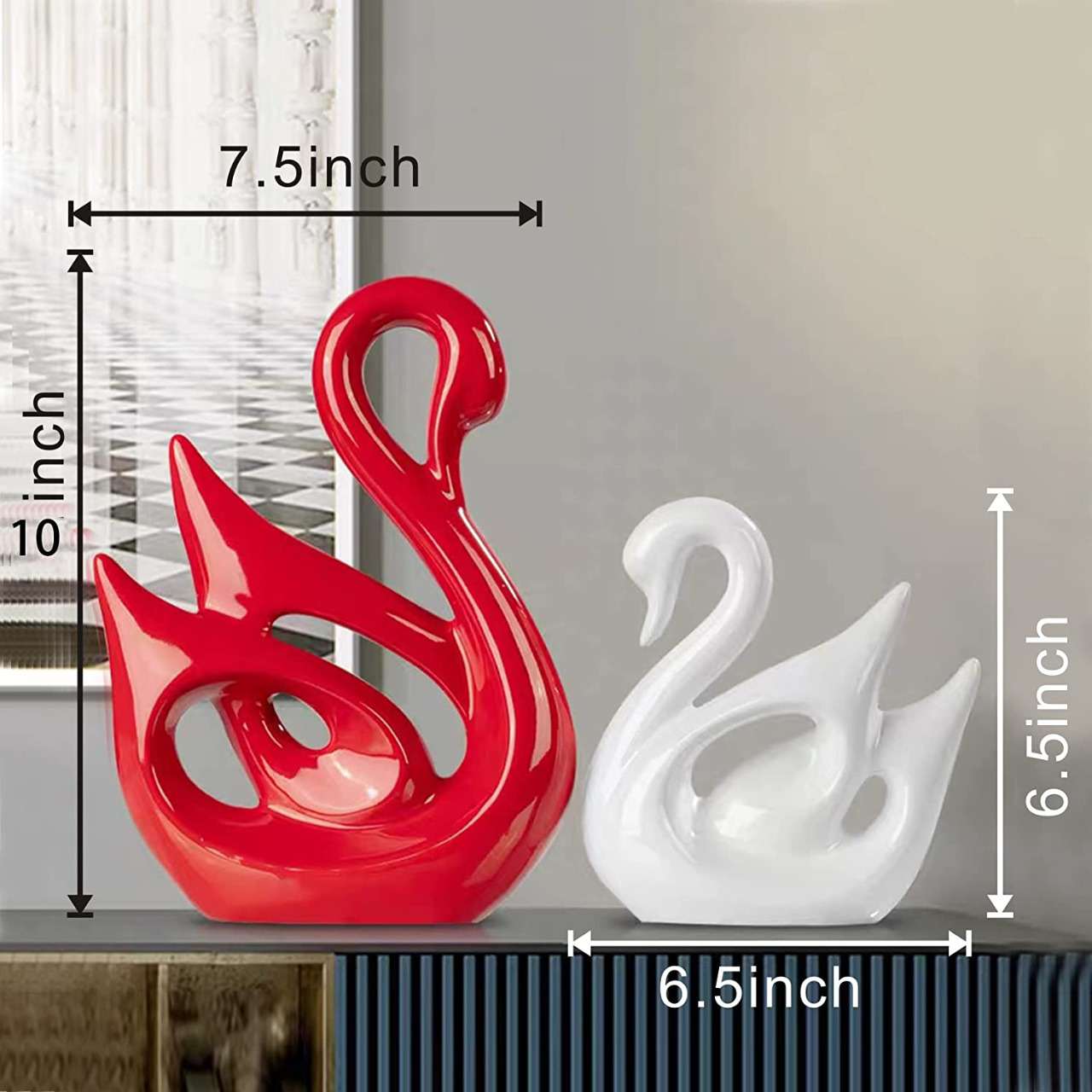
Hanging art at the wrong height isn't just visually jarring – it's practically begging for a complete redecoration when you finally realize why your room feels "off." The common mistake of hanging art too high makes your walls look disjointed and can lead to expensive solutions like repainting, adding wainscoting, or other architectural elements to fix the visual balance. The sweet spot? Center your art at approximately 57-60 inches from the floor – that's eye level for the average person. Getting it right the first time saves you from patching multiple holes, repainting walls, or worse – impulse-buying all new art because you thought the pieces were the problem, not their placement. Remember: your artwork should speak to guests, not shout down at them from the ceiling! Make your statement with Handmade abstract showpieces ideal for focal point walls in modern living rooms.

Horror vacui – the fear of empty spaces – is real in interior design, and it's expensive! That urgent need to fill every square inch of wall space can lead to hasty, costly purchases that you'll later regret. Contrary to what your anxiety may tell you, walls don't need to be completely covered to look finished. Strategic emptiness creates visual breathing room and makes the pieces you do have look more intentional. Start with one statement piece you truly love, then slowly add others only if they enhance the space. Your wallet (and your future self who would have had to patch all those unnecessary holes) will thank you. Remember: your living room isn't a gallery at the Met – it's okay to leave some walls bare! Begin with Budget-friendly artistic showpieces that elevate blank wall spaces effortlessly and scale up wisely.
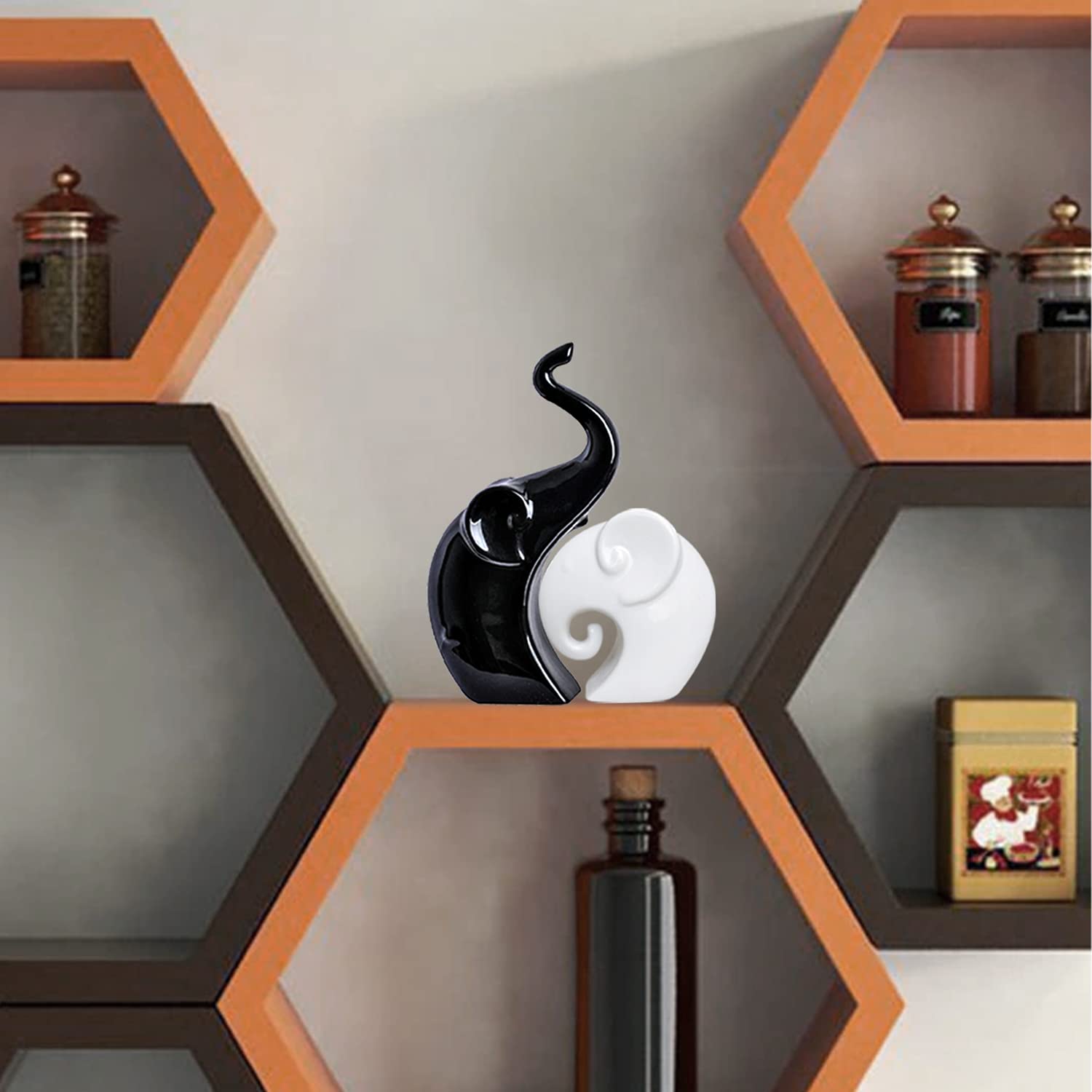
We've all done it – walked into a store for one thing and walked out with a decorative octopus sculpture that somehow seemed essential to our happiness. Buying decor items without a plan is like grocery shopping when hungry – expensive and questionable. That $200 abstract vase might look amazing on the shelf, but if it doesn't fit your space or serve a purpose, it's just an expensive dust collector. Before any significant purchase, take measurements, photos of your space, and give yourself a 48-hour cooling-off period. If you're still dreaming about that octopus after two days (and have a perfect spot for it), then maybe it's meant to be. Otherwise, you've just saved yourself from another contribution to your growing collection of expensive regrets. Try curating Stylish ceramic vases for highlight spots in modern living rooms that blend in and stand out all at once.

That bold red accent wall seemed like such a good idea after three glasses of wine and a marathon of design shows! But now, three years later, you can't stand it, and covering that saturated color requires premium primer and multiple coats of new paint – cha-ching! Experimental paint colors are one of the costliest mistakes to fix, not just in materials but in time and effort. If you're color-curious, satisfy that urge with accessories rather than permanent features. That way, when "Merlot Madness" no longer speaks to you, you're replacing a $30 pillow instead of spending a weekend covered in primer. And if you absolutely must paint, test, test, test! Those tiny sample pots are worth every penny before committing to 4 gallons of "Passionate Purple." Or simply layer in Color-rich abstract statues for splashes of personality on neutral backgrounds that don't require repainting walls!

Skimping on window treatments is like wearing fantastic clothes with terrible shoes – eventually, everyone notices the weak link. Those flimsy, off-the-shelf curtains might seem budget-friendly now, but they're setting you up for a costly do-over when they fade, warp, or simply fail to function properly. Quality window treatments aren't just about looks; they provide insulation, light control, and privacy. The energy savings alone from proper window coverings can offset their cost over time. Plus, cheap curtains that don't hang correctly will bug you every single day until you finally cave and buy the ones you should have purchased originally. Sometimes, the most economical choice is investing in the right product the first time around. Complement drapes with Luxurious vertical column vases that enhance room symmetry for low cost.
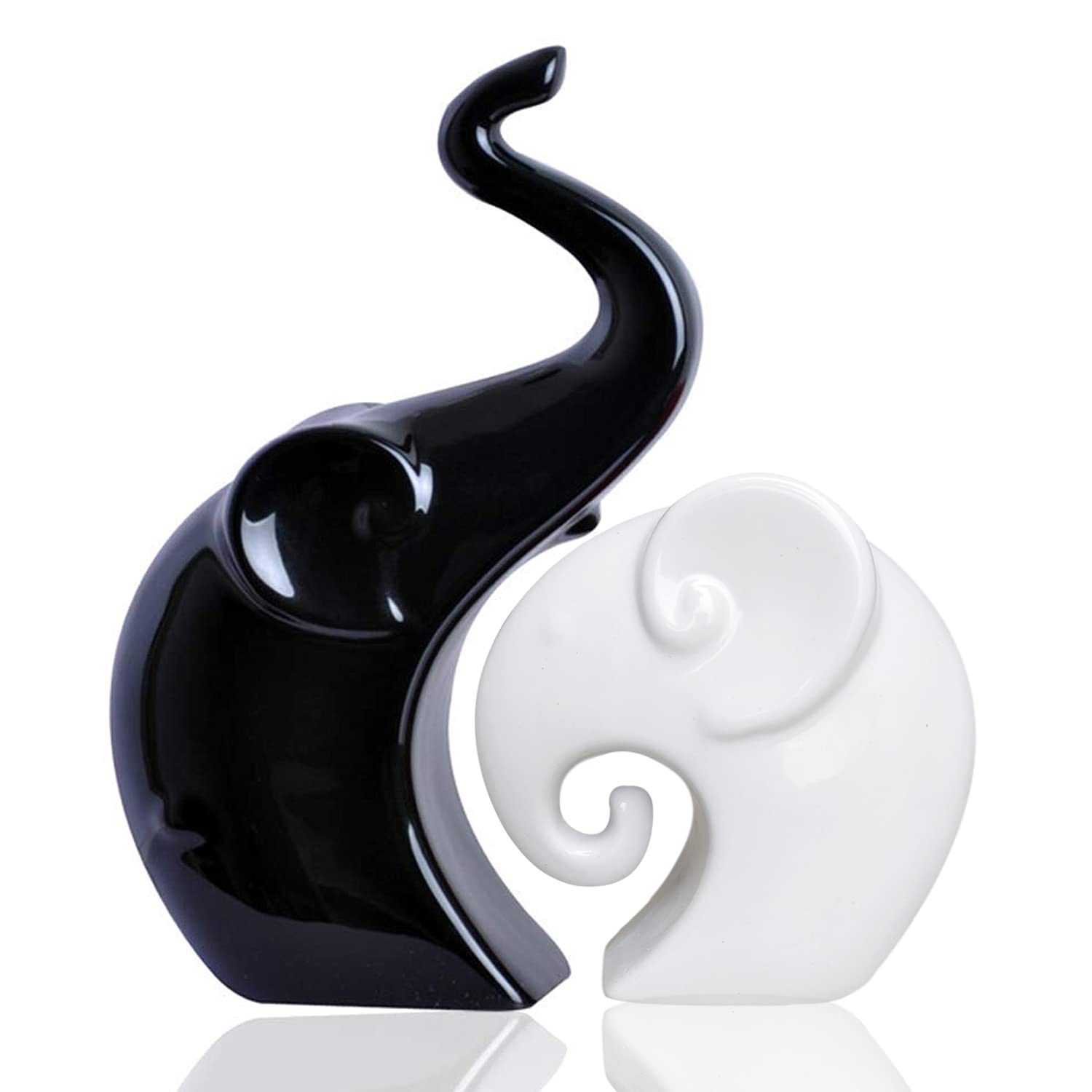
Arranging furniture against all walls with a vast empty space in the middle isn't just a design flaw – it's a conversation killer! This "dance floor" layout makes your living room feel like a waiting room and often leads to expensive solutions like oversized rugs, too many accent tables, or even custom furniture to try to make the space feel cohesive. A thoughtful layout costs nothing but can save you thousands in unnecessary purchases. Try floating your sofa, creating conversation areas, and considering traffic flow. The right arrangement makes even modest furnishings look intentional and elegant, while the wrong one can make expensive pieces look awkward and disconnected. Before buying anything new to "fix" your room, try rearranging what you already have – it's amazingly effective and completely free! Enhance transition spaces with Modern large statement pieces that define room zones cleverly without construction.

Want champagne looks on a beer budget? Focus on these game-changers: invest in proper lighting (nothing says "budget" like a single overhead fixture); choose fewer, higher-quality items over many cheap ones; hang curtains high and wide to create grandeur; incorporate different textures through pillows, throws, and rugs; and keep clutter at bay (nothing looks expensive when drowning in stuff). The secret wealthy people won't tell you? Clean, well-organized spaces automatically look more expensive regardless of what's in them!
This clever little rule is your color palette lifesaver! It suggests using 3 colors or shades, 5 patterns, and 7 accessories in a room for perfect balance. For colors, think 60% dominant color (walls, large furniture), 30% secondary color (accent furniture, curtains), and 10% accent color (accessories, artwork). This prevents that "rainbow explosion" look that screams "I had no plan!" Without spending a dime more, your space instantly looks thoughtfully curated rather than accidentally assembled.
The magnificent seven of design will never steer you wrong: Space (how you use what you've got), Line (horizontal, vertical, dynamic), Form (shapes and structures), Light (natural and artificial), Color (your emotional toolbox), Texture (the touchy-feely dimension), and Pattern (visual interest through repetition). Master these fundamentals, and you'll stop wasting money on pieces that never quite work in your space. Think of them as the grammar rules of design – once you know them, you can create beautiful "sentences" with your furniture and decor!
This clever budgeting rule suggests allocating 70% of your design budget to furniture and 30% to accessories and art. Why? Because solid, quality furniture pieces are the foundation of your room, while accessories can be changed more easily as trends and tastes evolve. Following this ratio prevents the common mistake of blowing your entire budget on a statement sofa, then having nothing left for lighting, rugs, or artwork – all elements that actually make a room feel complete and cohesive.
Don't let that geometric-sounding name intimidate you! The 3-4-5 rule is actually about creating perfectly squared corners when laying out rooms or large items (think Pythagorean theorem flashbacks). Measure 3 feet along one wall, 4 feet along the perpendicular wall, and the diagonal between those points should be 5 feet if your corner is square. This handy trick prevents expensive mistakes when installing built-ins, positioning large furniture pieces, or planning renovations. Nothing wastes money faster than having to redo work because something doesn't fit or align properly!


