
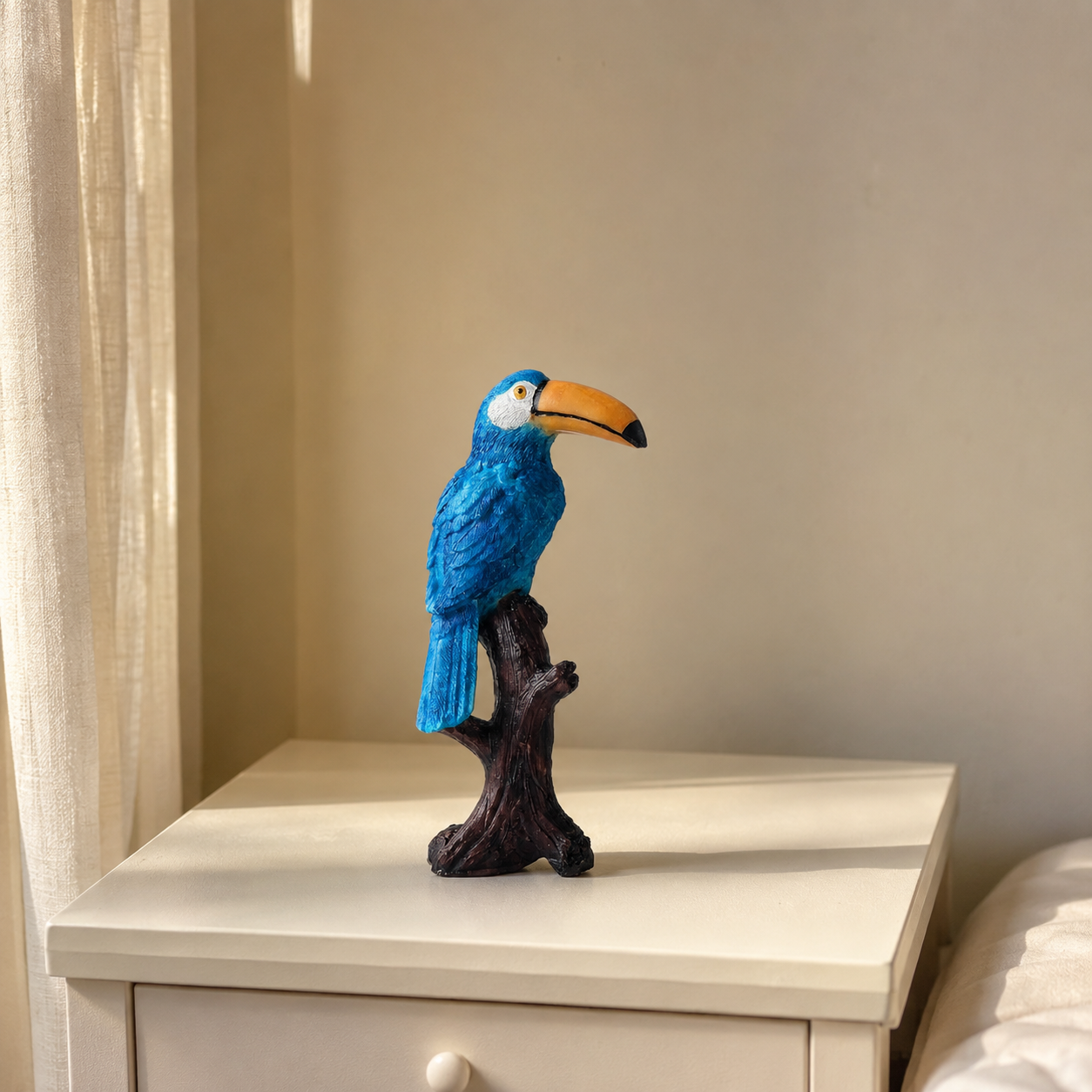
Good table decor is not about buying more objects — it is about buying the right three or four. A dining table, coffee table, or console needs a centerpiece that anchors the eye, smaller accent pieces that add texture without competing, and a base layer — a runner, tray, or mat — that keeps the arrangement from looking scattered across the wood. We help Indian homeowners style tables that hold up through humidity, daily use, and small children or pets, without turning every surface into a showroom.
Most decor advice online is generic because it ignores climate. A ceramic vase that looks perfect in a European interior shoot can develop hairline cracks in a Mumbai monsoon or a Chennai summer if it was never tested for humidity swings. Moolwan manufactures in-house specifically for Indian conditions, which is why every specification below is a real, testable number — not a marketing claim.
The Four Categories of Table Decor, Compared
Every well-styled table draws from four categories of object. Skipping one usually leaves the table looking either too bare or too busy. The table below compares them on the two things that matter most for Indian homes: where they work best, and how they hold up.
| Category | Best placement | Ideal size | Material notes |
|---|---|---|---|
| Centerpiece showpiece | Dining table, console | Medium, 16–21cm | 92% clay ceramic, heat-resistant to 60°C |
| Accent figurines / bowls | Coffee table, shelf edge | Small, 10–16cm | 94% purity epoxy resin, 3H scratch-resistant |
| Statement piece | Console, entry table | Large, 25–34cm | Ceramic, 15cm drop-resistant, matte or glazed |
| Table runner / tray | Any table, as the base layer | Table-width dependent | Moisture-resistant coating recommended |
Weight matters more than most people expect. Every Moolwan showpiece is engineered to sit between 150g and 600g, light enough for a glass-top coffee table or a wall-mounted console shelf without the stability concerns that heavier stone or metal pieces bring into smaller Indian apartments.
Centerpieces: The Anchor of the Table
The centerpiece is the first thing a guest's eye lands on, so it carries the most weight in the arrangement — literally and visually. For a dining table, a medium ceramic showpiece in the 16–21cm range sits at the right scale: large enough to read as intentional, small enough not to block sightlines across the table during a meal. Moolwan's ceramic showpieces are made from a 92% clay composition, which gives them the density and matte-glazed finish of traditional Indian pottery while staying humidity-tolerant up to 85% relative humidity — a specification most imported or mass-market pieces simply do not carry.
For a console or entry table, where the piece is viewed rather than reached across, a large statement piece in the 25–34cm range works better. This is the one place in the home where a single bold object — a tall vase, a sculptural showpiece — is allowed to dominate. Anywhere smaller than that, and it reads as an accent rather than a focal point, which undersells the space.
If you are choosing between finishes, glazed ceramic reflects light and suits brighter, more modern rooms, while matte finishes absorb light and pair naturally with warmer, traditional interiors. Both are equally easy to maintain — a dry cloth is enough for daily upkeep, and neither finish traps dust the way heavily textured or carved pieces do. You can browse Moolwan's modern home decor items collection to compare finishes side by side before deciding.
Accent Pieces: Small Objects, Real Impact
Once the centerpiece is placed, accent pieces do the work of making a table feel curated rather than staged. These are the small figurines, bud vases, and decorative bowls in the 10–16cm range — sized for a shelf, a desk corner, or the open space beside a centerpiece without crowding it. Moolwan's resin accent pieces use a 94%-purity epoxy resin with 3H pencil-hardness scratch resistance, which matters more than most buyers realise: a coffee table sees far more daily contact — books, cups, remote controls — than a formal console ever will.
The rule of three applies here more reliably than almost any other decorating principle: group accent pieces in odd numbers, and vary their height so the eye moves across the table rather than landing flat. A short bowl, a mid-height figurine, and a slim bud vase reads as intentional; three identical objects in a row reads as inventory.
Resin pieces are also the better choice for tables near a window or balcony door, where indirect sunlight and temperature swings are common. Moolwan's resin range is rated for indoor use across 15–35°C and up to 60% humidity, giving it a 3+ year lifespan in exactly these conditions — a range ceramic can exceed on humidity tolerance but not always on impact resistance for a high-traffic coffee table.
The Base Layer: Runners, Trays, and Why It Matters
The most commonly skipped element in table styling is also the one that does the most visual work: a runner, tray, or mat beneath the arrangement. Without it, even well-chosen centerpieces and accents can look like they were simply set down rather than composed. A runner defines a zone on the table, a tray corrals smaller accent pieces into a single visual unit, and both protect the table surface from moisture rings — a genuine concern during Indian monsoon months when condensation on glassware is constant.
For dining tables specifically, a runner also does double duty: it works during a meal as a functional surface protector, and outside mealtimes as the base for a centerpiece arrangement. This is one of the few decor purchases that earns its place through daily use, not just appearance. If your dining table currently has no base layer at all, it is very often the single highest-impact change you can make before adding any new showpiece. You can explore Moolwan's dining room decor edit for runners, vases, and wall pieces designed to work together as a set.
Ready to style your table?
Moolwan ships pan-India with a 24-hour, 15-working-day return window on every piece — no risk in trying a new centerpiece.
Shop modern home decor itemsHow to Layer Table Decor: The Anchor-Accent-Air Method
This is the sequencing Moolwan's design team uses when styling client homes, and it works on any table regardless of size or budget. Follow it in order — skipping a step is the most common reason a table ends up looking either bare or cluttered.
-
Place the anchor first
Set your centerpiece — a medium or large showpiece — roughly one-third of the way along the table's length, not dead centre. This gives the arrangement a visual weight that off-centre symmetry, used carefully, tends to look more natural than perfect centring.
-
Build accents at uneven heights
Add two or three smaller pieces around the anchor, varying their height so no two are the same. Keep them within arm's reach of the centerpiece — scattered accents across a large table read as messy rather than curated.
-
Ground it with air
Slide a runner or tray beneath the full arrangement last, not first. This "air" layer defines the edges of the composition and gives the eye a clear stopping point, which is what makes a table look finished rather than assembled.
-
Step back and remove one piece
Once styled, walk to the far end of the room and look back. If anything competes with the centerpiece for attention, remove it. A table with four well-chosen objects consistently reads better than one with seven.
Matching Decor to Table Type and Occasion
A dining table, a coffee table, and a console table are not styled the same way, even though the same four categories of object apply to all three. Dining tables need decor that can be moved easily during meals — a runner and a single medium centerpiece, kept low enough not to block conversation across the table, is almost always the right call. Coffee tables see the most daily handling of any surface in the home, so this is where resin's scratch resistance earns its keep; stack a small tray, a resin accent bowl, and one low showpiece rather than anything tall or top-heavy.
Console and entry tables are the one place where height and drama are welcome, since nothing needs to be moved around them during use. A single large statement piece, styled with one or two smaller accents and no runner at all, tends to look more intentional here than a fully layered arrangement — restraint reads as confidence on an entry table in a way it does not elsewhere.
For festive or gifting occasions — a Griha Pravesh, a Diwali table, or a hosted dinner — antique-style showpieces bring a warmth that modern ceramic and resin pieces are not designed to replicate. If that is the aesthetic you are after, you can shop Moolwan's antique showpiece collection, trusted by more than 3,000 customers and starting at ₹150.
What Moolwan Stands For
Moolwan is India's manufacturer-direct source for modern home decor, wall art, and unique gifts, built specifically for design-conscious Indian homeowners who want their space to feel both current and rooted. Most mass-market Indian decor is either produced for a climate it was never tested for, or marked up by three or four layers of middlemen before it reaches a shelf. Moolwan manufactures its ceramic, resin, and canvas pieces in-house, prices direct to the customer, and engineers every specification — humidity tolerance, drop resistance, UV stability — around Indian conditions rather than international defaults. If a piece doesn't work in your home within 24 hours of delivery, Moolwan takes it back: unused, in original packaging, with a 10% restocking fee and a refund processed within 15 working days.
Frequently Asked Questions
How many decorative items should be on a dining table?
Three to four objects is the reliable range: one centerpiece, two accent pieces, and a runner or tray as the base. More than five tends to block sightlines during meals and makes the table harder to clear and reset.
What table decor works best in humid Indian climates?
Ceramic pieces with a high clay composition and ratings up to 85% relative humidity hold up best in coastal or monsoon-heavy cities. Moolwan's ceramic showpieces are built to this exact tolerance, so they resist the surface cracking that lower-grade ceramic develops after repeated humidity cycles.
Is resin or ceramic better for a coffee table?
Resin generally wins on a coffee table because of its 3H pencil-hardness scratch resistance, which matters more given how much daily contact — cups, remotes, books — a coffee table sees compared to a dining or console table. Ceramic remains the better choice for a lower-traffic centerpiece.
Should table decor match the rest of the room?
It should complement rather than match exactly. Repeat one material or tone from elsewhere in the room — a wood finish, a wall art frame, a cushion color — so the table decor feels connected without every piece being identical in style.
How much should good table decor cost?
A well-styled table doesn't require a large budget. Moolwan's antique-style showpieces start at ₹150, while medium ceramic centerpieces typically sit in the mid-range, making a full anchor-accent-air arrangement achievable without needing every piece to be expensive.
Style your table the Moolwan way
Manufacturer-direct pricing, climate-tested materials, and a design team that builds for Indian homes first.
Shop dining and table decor


