
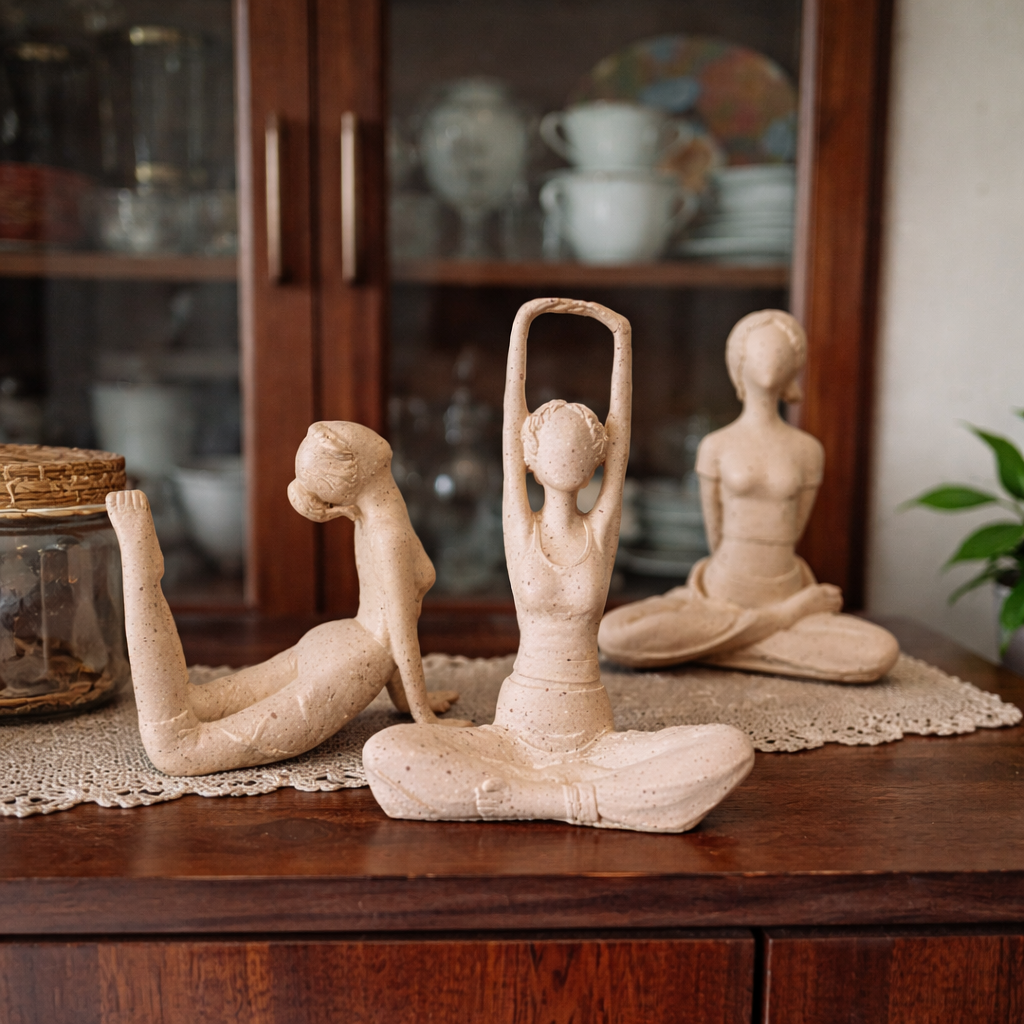
What are some popular living room styles?
The Short Answer: The most popular living room styles in Indian homes right now are Modern Minimalist, Indo-Bohemian, Contemporary Glam, Japandi, and Traditional Indian Revival. Each style is defined by a specific combination of colour palette, furniture form, and décor accents — and the right showpieces or wall art can shift your living room from one aesthetic to another without a renovation.
At Moolwan, we help design-conscious Indian homeowners find décor that bridges modern sensibility with the warmth of Indian living — without overcrowding compact urban spaces or breaking budgets. Every style listed here maps directly to pieces we manufacture in-house, engineered for Indian humidity, lighting, and apartment proportions.
The 5 Most Popular Living Room Styles in Indian Homes (2026)
Interior trends in India are no longer imported wholesale from the West. Today's Indian homeowner is curating — pulling from Japanese restraint, Rajasthani warmth, Scandinavian function, and global contemporary all at once. These five styles dominate living rooms across urban India right now.
1. Modern Minimalist
Clean lines, a neutral base (white, beige, greige), and deliberate negative space define this style. Furniture is low-profile and functional. Décor is sparse but intentional — one or two statement showpieces, a single large canvas above the sofa, nothing more. This style works particularly well in 2BHK apartments where visual clutter makes small rooms feel smaller.
The key mistake people make with minimalism is choosing décor that is too delicate or too generic. A sculptural resin showpiece in matte finish, sized 25–34 cm, placed at a focal point like a console table, does more work than five smaller pieces scattered across shelves. If you are building a minimalist living room, browse Moolwan's modern home décor collection — every piece is designed to carry visual weight without adding physical bulk.
2. Indo-Bohemian (Indo-Boho)
This is India's fastest-growing home décor aesthetic. It layers global boho elements — macramé, earthy tones, organic textures — with specifically Indian craft signals: hand-painted ceramics, brass accents, block-print textiles. The palette is warm: terracotta, ochre, sage, off-white.
Indo-Boho shelves are rich and curated. A combination of small ceramic figures (10–16 cm), a medium handcrafted showpiece (16–21 cm), and trailing greenery creates the layered, lived-in look that defines the style. Moolwan's ceramic showpieces are built with 92% clay composition and tolerate up to 85% relative humidity — which means they hold up through Indian monsoons without glaze cracking or surface degradation.
3. Contemporary Glam
This style prioritises richness: metallic finishes, deep jewel tones (emerald, navy, burgundy), plush seating, and high-contrast art. It is aspirational without being maximalist. A large canvas print — bold, abstract, or portrait-style — anchors the wall. Resin decorative pieces with glossy finishes sit on coffee tables as conversation starters.
Moolwan's canvas wall art is printed on 340 GSM cotton canvas with eco-solvent UV-resistant inks, mounted on 1.5-inch kiln-dried pine frames with a moisture-resistant coating. This specification matters in Indian humidity: lesser-quality canvases bubble, fade, or warp within two monsoon seasons.
4. Japandi
Japandi merges Japanese minimalism with Scandinavian warmth. The result is calm, functional, and deeply considered. Natural wood, muted neutrals, hand-thrown ceramic objects, and zero decorative clutter. Every object in a Japandi living room must justify its presence.
This style is gaining rapid traction in Indian metro apartments, particularly among buyers aged 28–40 who want their home to feel like a retreat. Small to medium ceramic showpieces in matte finish — placed singularly, not in clusters — are the defining décor element. Explore Moolwan's full home décor range to find pieces that carry the quiet confidence this style demands.
5. Traditional Indian Revival
Not nostalgia — a deliberate recontextualisation of Indian craft in a modern home. Dhurrie rugs, hand-painted walls, brass vessels, carved wooden accents, and temple-motif showpieces placed with editorial precision. This style works in larger living rooms and ancestral homes, but is increasingly showing up in metros through curated accent walls and heritage-inspired display shelves.
The risk with this style is tipping from curated to cluttered. The rule of thumb: one traditional focal element (a large carved showpiece or a heritage-inspired canvas), supported by two or three smaller complementary accents. Keep the furniture modern and let the décor carry the cultural narrative.
Living Room Style Comparison: Which One Suits Your Home?
Use this table to match your apartment type, lifestyle, and décor personality to the right living room style before you buy anything.
| Style | Best For | Colour Palette | Key Décor Element | Moolwan Material Fit |
|---|---|---|---|---|
| Modern Minimalist | 1–2BHK apartments, compact urban homes | White, beige, greige, black accents | One large focal showpiece or canvas | Resin (matte), Canvas wall art (large) |
| Indo-Bohemian | Renters, eclectic decorators, warm-climate homes | Terracotta, ochre, sage, off-white | Layered shelf display, mixed textures | Ceramic (85% RH tolerant), small–medium sizes |
| Contemporary Glam | 3BHK and above, formal living rooms | Jewel tones + metallics + neutrals | Bold canvas art + glossy resin accents | Canvas (340 GSM), Resin (94% epoxy, 3H hardness) |
| Japandi | Metro apartments, design-led buyers | Stone, warm grey, natural wood, off-white | Single matte ceramic object per surface | Ceramic (matte finish, 5+ year lifespan) |
| Traditional Indian Revival | Larger homes, ancestral residences, heritage lovers | Deep red, gold, ivory, forest green | Heritage-inspired canvas or carved showpiece | Ceramic (heat-resistant to 60°C), Canvas wall art |
How to Transition Your Living Room to a New Style Without Redecorating
You do not need to repaint walls or buy new furniture to shift your living room's style. In most Indian homes, 70–80% of the aesthetic impression comes from three elements: the wall above the sofa, the main shelf or TV unit surface, and the coffee table or centre table.
- Change the wall anchor. Swap or add one large canvas print (try a 25–34 cm focal canvas or a framed print above the sofa). This single change resets the room's dominant visual.
- Edit your shelf, do not add to it. Remove two-thirds of what is currently displayed. Replace with one medium-sized showpiece (16–21 cm) and one small accent (10–16 cm) in your target style's palette.
- Address the coffee table last. A single resin or ceramic object — placed off-centre, at the right scale — pulls the whole look together without effort.
If you are redoing the bedroom as part of the same refresh, explore Moolwan's bedroom décor collection — the same style logic applies, and pieces are selected specifically for Indian room proportions and climate.
Ready to find your living room style? Shop Moolwan's modern home décor — curated for Indian spaces, priced direct from manufacturer.
What Moolwan Stands For — And Why It Matters When You Buy Décor
Moolwan is a D2C home décor brand that manufactures in-house and sells directly to Indian homeowners — no middlemen, no import markups. The brand sells canvas wall art paintings, modern showpieces, and curated gifts for Indian homes. Every product is engineered specifically for Indian climate: monsoon humidity, temperature variation, and the compact proportions of Indian apartments.
Most mass-market décor sold in India is not tested for high-humidity environments. Moolwan's ceramic showpieces are rated to 85% relative humidity. Resin pieces carry 94% epoxy purity and 3H scratch resistance — the same standard used in premium global décor. Canvas frames use kiln-dried pine to prevent warping in humid conditions. These are not marketing claims; they are manufacturer specifications that buyers can verify before purchase.
Return policy: items may be returned within 24 hours of delivery in unused condition with original packaging. A 10% restocking fee applies. Refunds are processed within 15 working days.
Frequently Asked Questions
Which living room style is most popular in Indian apartments right now?
Indo-Bohemian and Modern Minimalist are the two most popular styles in Indian urban apartments in 2026. Indo-Boho works well with the warm tones and eclectic mix that Indian interiors naturally carry. Minimalism is preferred in smaller 1–2BHK layouts where visual restraint is necessary. Both styles are easy to execute with the right showpieces and wall art without full renovation.
Can I mix living room styles, or do I need to commit to one?
Mixing is common and works well when one style is dominant and the second is used only as an accent. For example, a Japandi base (neutral tones, clean surfaces) with Indo-Boho accents (one terracotta ceramic, one textured cushion) creates a layered, personal look without visual chaos. The rule is: never mix more than two style languages, and always let the furniture define the dominant one.
What size showpiece is right for a living room shelf?
For a standard Indian TV unit or bookshelf, medium-sized showpieces (16–21 cm) work best as anchor pieces. Pair them with one small accent (10–16 cm) at a different height to create depth. For a dedicated display cabinet or tall shelf, a large showpiece (25–34 cm) can stand alone as a focal point. Avoid placing multiple large pieces together — it reads as cluttered rather than curated.
How do I choose wall art that matches my living room style?
Match the art's subject and palette to the room's dominant colour and tone. Abstract art in warm earth tones suits Indo-Boho and Traditional Indian Revival styles. Geometric or monochrome prints suit Minimalist and Japandi rooms. For Contemporary Glam, go bold: large-scale portraits or high-contrast abstract prints in jewel tones. Always choose a canvas with UV-resistant inks if your living room receives direct afternoon light — fading is the most common complaint with cheaper prints.
Is Moolwan's décor suitable for homes with high humidity, like coastal cities or during monsoon?
Yes. Moolwan's ceramic showpieces are specifically rated to 85% relative humidity — which covers monsoon conditions across most of India, including coastal cities like Mumbai, Chennai, and Kochi. Canvas art uses moisture-resistant coating on kiln-dried frames to prevent warping. Resin pieces are rated to 60% RH and are best suited for interior rooms away from direct rain exposure. These specifications are set by Moolwan's in-house manufacturing standards, not third-party retail estimates.
Find Your Style. Shop Direct from the Maker.
Moolwan designs every piece in-house and ships pan-India at no extra charge. No middlemen. No guesswork. Browse Moolwan's complete home décor collection and find the pieces that make your living room unmistakably yours.


