Warmer palettes, climate-engineered materials, and fewer, better pieces — read before you redecorate.
By Ruchi Malhotra, Founder & CEO, Moolwan (Euphorica Ventures Pvt Ltd), Bangalore
The biggest interior design trends for Indian homes in 2026 are warm maximalism (terracotta, ochre, and deep greens replacing all-white minimalism), climate-engineered décor built for humidity and heat, canvas wall art as the new statement piece over painted accent walls, and curated single-showpiece styling instead of cluttered shelves. Indian homeowners are prioritising fewer, higher-quality pieces that survive monsoons and small-apartment scale.
We help design-conscious Indian homeowners furnish living rooms and gifting moments with décor engineered for Indian conditions, not imported blind from Pinterest boards built for dry, temperate climates. Moolwan tracks what's actually selling across urban and suburban India — and 2026 is the year homeowners stopped choosing between "modern" and "Indian" and started demanding both in the same room.
Every trend below is filtered through one test: does it survive an Indian summer, a Mumbai monsoon, and a two-bedroom apartment where every object has to earn its shelf space? Trends that fail that test don't make this list, no matter how many international design blogs are pushing them.
Stark white walls and Scandinavian-only palettes are losing ground to warm, layered colour: terracotta, ochre, deep olive, and aged brass accents against cream or clay-toned bases. This isn't a return to maximalist clutter — it's warmth with restraint, where two or three grounded tones do more work than ten pastel ones.
For Indian living rooms specifically, this shift solves a real problem: bright white interiors show dust, monsoon damp-marks, and tube-light glare far faster than warm-toned walls and furnishings. A terracotta-and-cream palette hides wear better and photographs warmer under the yellow-toned lighting most Indian homes actually use in the evening, when families spend the most time in the living room.
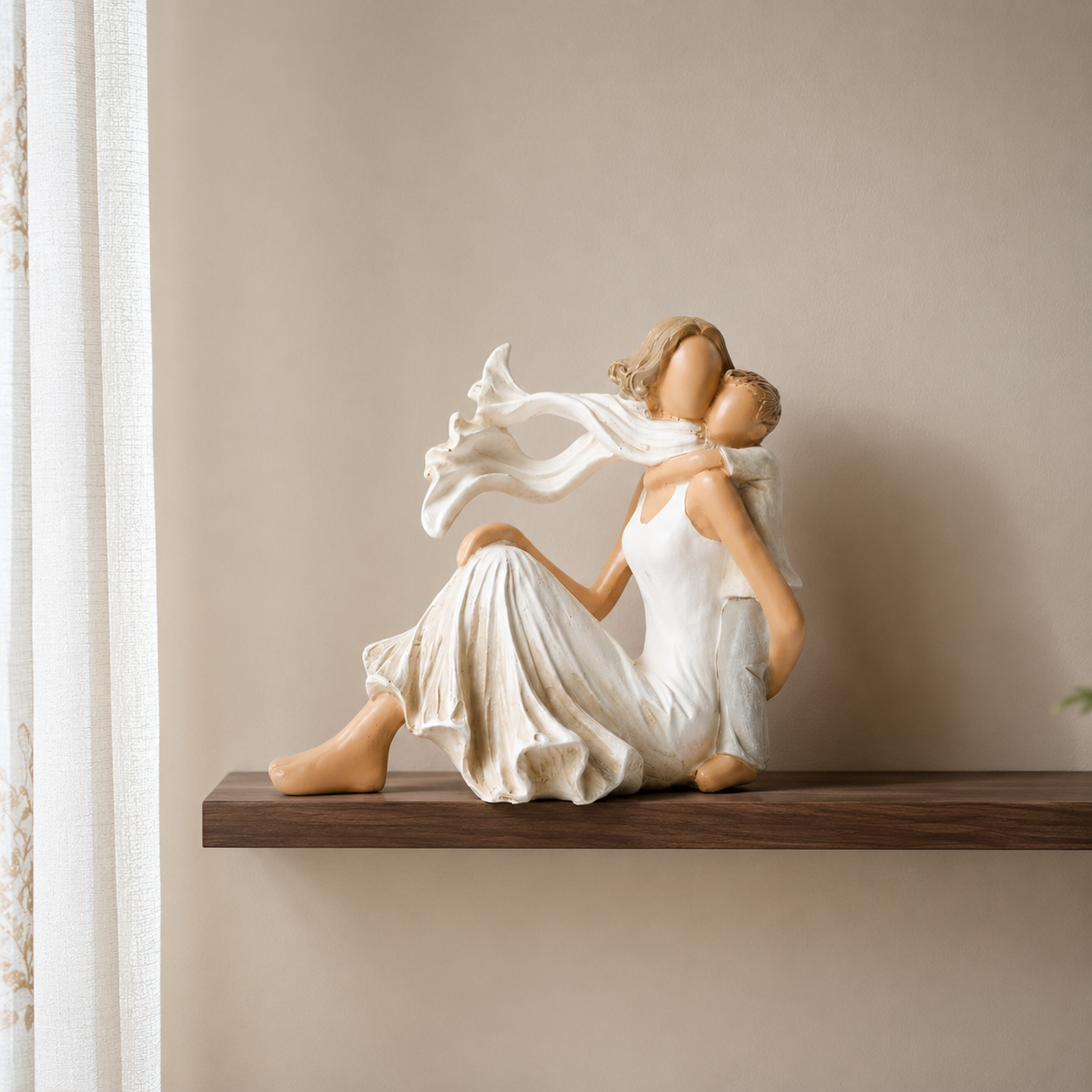
The easiest entry point is décor, not paint. A single showpiece for your living room in a warm ceramic or resin finish can shift a whole room's temperature without a repaint. If your walls are already cream or beige, you're one accent piece away from this trend, not a full renovation.
The décor that survives an Indian home has to survive things a European or American showroom piece was never tested for: 70–85% relative humidity for four monsoon months, direct summer heat near west-facing windows, and the occasional accidental knock from a child or a duster. 2026 buyers are asking material questions before style questions — what happens to this piece in July?
This is the data point most décor brands can't publish because most décor brands don't manufacture in-house — they import and relabel. Moolwan engineers every category for these exact tolerances because the factory and the design team sit in the same building, not because it's a marketing line.
Practically, this trend means shoppers are reading spec sheets, not just style photos, before adding to cart. Explore the full range of modern home decor items built specifically for Indian apartment conditions rather than adapted after the fact.
Shop showpieces engineered for Indian humidity, heat, and everyday knocks — starting ₹150.
Shop Living Room Showpieces →Accent walls in bold paint are giving way to large-format canvas art as the focal point of Indian living rooms in 2026. The reasons are practical, not just aesthetic: painted accent walls are permanent, expensive to redo, and show cracks faster in climate-stressed apartment walls, while a canvas piece can be repositioned, swapped seasonally, or taken along at move-out.
The size logic matters more than most buyers realise. A canvas piece under 25cm reads as a shelf accessory, not a statement — the "focal point" effect only kicks in at the large-format range (25–34cm and above for smaller walls, scaling up for genuine living-room focal walls), positioned at eye level from the main seating position, not centred on the wall's geometric middle.
Framing has also shifted: 1.5-inch kiln-dried pine frames with a moisture-resistant coating are replacing thin metal or plastic mounts, because thin frames warp visibly within one monsoon season in high-humidity cities. If you're planning a 2026 refresh around a single statement piece, this is the category to start with before touching furniture or paint.
The "more is more" shelf-styling era — five or six mismatched trinkets crowding a console — is out. 2026's dominant styling logic is one considered showpiece per surface, chosen for material, finish, and story rather than filling empty space. This mirrors a broader shift in Indian gifting too: a single well-made piece now reads as more thoughtful than a hamper of smaller items.
Size guidance is doing a lot of work here. Small pieces (10–16cm) suit a desk, bathroom shelf, or entryway console. Medium pieces (16–21cm) anchor a showcase or coffee table without dominating it. Large pieces (25–34cm) work only where they're meant to be the room's focal point. Mixing scales incorrectly — three large pieces on one small shelf — is the single most common styling mistake this trend is correcting.
Finish choice matters just as much as size: matte finishes suit warm-toned, low-light rooms and hide fingerprints better in high-traffic homes, while glazed finishes catch light and suit brighter, west-facing rooms. Both are easy to maintain — a dry cloth is sufficient for either, which matters in dust-heavy urban apartments where daily upkeep has to be realistic, not aspirational.
For a full edit of pieces built around this one-statement-per-surface logic, browse trendy decor items that transform a cozy living room into a modern haven — vases, statues, and wall hangings selected for exactly this kind of restrained styling.
| Trend | What's Fading | What Replaces It | Where to Start |
|---|---|---|---|
| Colour palette | All-white / cool grey minimalism | Warm maximalism — terracotta, ochre, olive | Accent showpiece or textile |
| Material priority | Imported décor, untested for Indian climate | Humidity- and heat-engineered materials | Ceramic (92% clay) or resin (94% epoxy) |
| Wall treatment | Bold-paint accent walls | Large-format canvas wall art | 340 GSM canvas, pine-framed |
| Shelf styling | Cluttered multi-trinket displays | One curated showpiece per surface | Size-matched to shelf (10–34cm range) |
You don't need a full renovation to adopt any of these trends — most start with a single, well-chosen piece.
Pick either your main wall or your primary console — not both at once. A large-format canvas piece resets a wall; a single medium-to-large showpiece resets a console. Trying to do both simultaneously usually produces a cluttered result instead of a curated one.
West-facing rooms and kitchens-adjacent living rooms run hotter and more humid — prioritise ceramic (heat-resistant to 60°C) or resin (tolerant to 15–35°C) pieces there. Bedrooms and low-traffic corners have more flexibility.
A showpiece that looked right in a 12-foot Instagram living room will overwhelm a 9-foot Indian apartment wall. Use the small (10–16cm), medium (16–21cm), large (25–34cm) bands as your actual measuring guide before ordering.
Moolwan accepts returns within 24 hours of delivery for unused items in original packaging, with a 10% restocking fee and refunds processed within 15 working days — enough time to see the piece in your actual room's light before committing.
Manufactured in-house, priced direct, engineered for Indian humidity, heat, and apartment scale — starting ₹150.
Shop Showpieces → Browse Trendy Decor →Is terracotta still trending for Indian homes in 2026?
Yes — terracotta and warm clay tones are one of the strongest 2026 trends, replacing all-white minimalism because they hide dust and monsoon marks better and photograph warmer under Indian home lighting. Pair it with cream or ochre bases rather than using it as the only colour in a room.
What size showpiece works best for a small Indian living room?
For most small living rooms, medium showpieces (16–21cm) work best on a showcase or coffee table without overwhelming the space. Reserve large pieces (25–34cm) for a genuine focal wall or console, and use small pieces (10–16cm) only for shelves, desks, or entryways.
Are painted accent walls out of style in 2026?
Painted accent walls aren't gone, but large-format canvas wall art is overtaking them as the preferred statement-wall choice, largely because canvas can be repositioned or swapped and doesn't show humidity cracking the way paint does over multiple monsoon seasons.
How do I know if a showpiece will survive Indian humidity?
Check the humidity tolerance in the product spec before buying. Moolwan's ceramic pieces are rated humidity-tolerant up to 85% relative humidity and its resin pieces up to 60% RH — figures most décor listings don't disclose because most brands don't manufacture or test in-house.
What's the difference between matte and glazed finishes for 2026 décor?
Matte finishes suit warm-toned, low-light rooms and hide fingerprints better in high-traffic homes; glazed finishes catch and reflect light, suiting brighter, west-facing rooms. Both are low-maintenance and clean with just a dry cloth, so the choice comes down to your room's light, not upkeep effort.
Written by Ruchi Malhotra, Founder & CEO of Moolwan (Euphorica Ventures Pvt Ltd), Bangalore. Moolwan is a manufacturer-direct Indian home décor brand — canvas wall art, modern showpieces, and curated gifts — engineered for Indian climate, space, and budgets, and sold without middlemen markups.
Quick View



