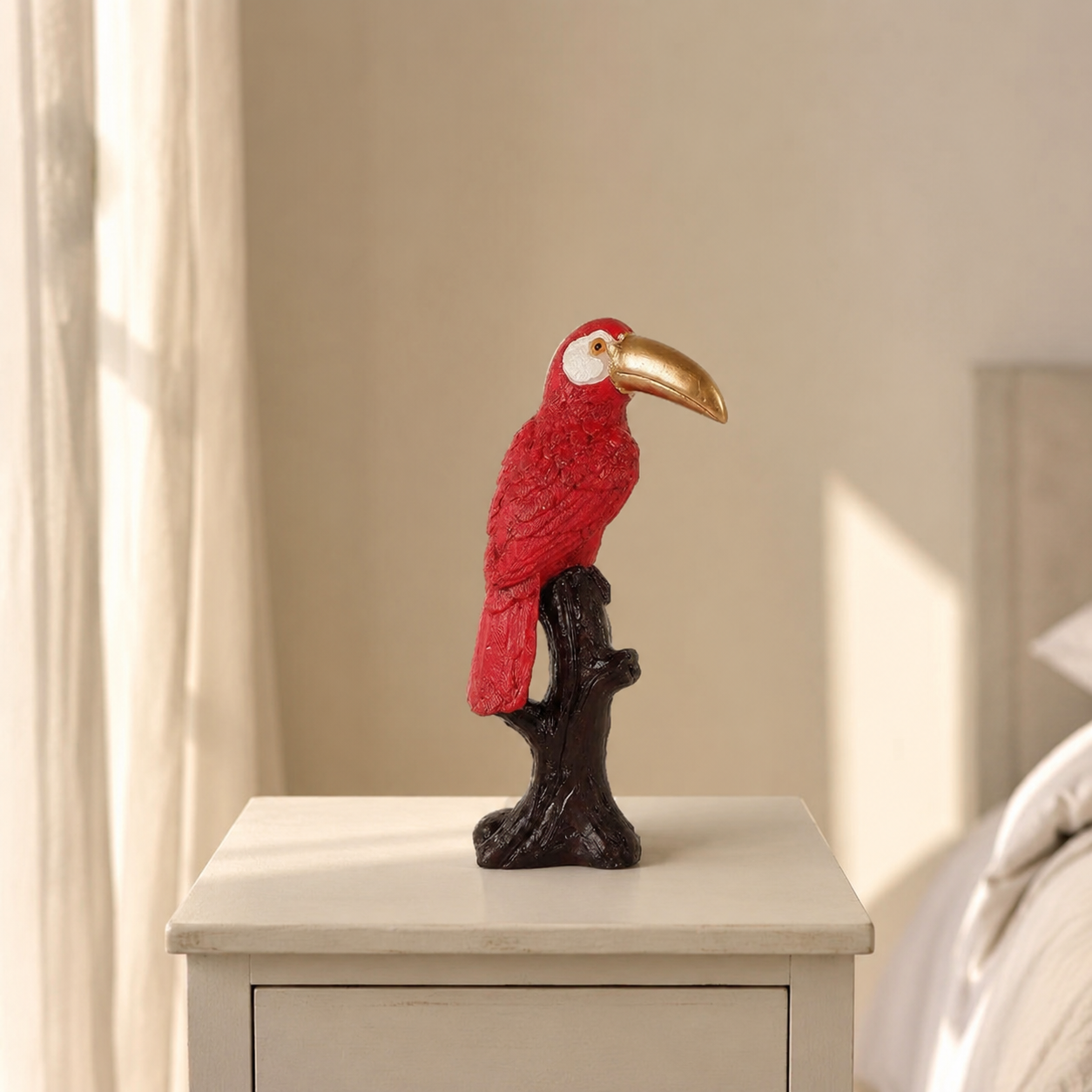
A buyer's guide to identifying your style before you spend on a single piece
There are eight core home decor aesthetics practiced in Indian homes today: Modern Minimalist, Contemporary, Traditional Indian/Ethnic, Indo-Western Fusion, Bohemian, Industrial, Scandinavian, and Maximalist. Most Indian homes don't commit to one — they blend two, usually a modern base with ethnic accents. Identify your aesthetic by looking at your existing furniture undertones, not your Pinterest board.
We help design-conscious Indian homeowners match décor to a defined aesthetic instead of buying pieces that clash with what's already in the room. Getting this wrong is the single biggest reason people over-buy and under-use home décor — a showpiece that doesn't match your aesthetic sits in a cupboard within six months.
Each aesthetic below is defined by three things: color temperature, material choice, and how much visual "rest" a room needs. Use this to place your own living room before you buy.
Clean lines, neutral palette (white, grey, sand), zero clutter. One statement piece per surface, never three.
Cool tonesWhatever is current right now — mixes materials freely, updates every 3–5 years, favors sculptural shapes over ornate ones.
Mixed materialsBrass, terracotta, hand-painted motifs, warm ochre and maroon tones. Rooted in regional craft — Rajasthani, Bengal, South Indian influences.
Warm tonesA modern base (neutral sofa, clean walls) with ethnic accents layered in — one brass showpiece, one canvas print with Indian motifs.
Most common in IndiaLayered textures, plants, mixed patterns, earthy and jewel tones. Deliberately "collected over time" rather than matched.
TexturedExposed materials, matte black metal, concrete-look finishes, muted palette. Works best in newer apartments with clean architecture.
Matte black + rawLight wood, soft neutrals, function over ornament. Close cousin of minimalism but warmer and less stark.
Light woodDeliberate abundance — bold color blocking, layered patterns, multiple focal points per wall. The opposite instinct of minimalism, done with intention.
Bold + layeredStart with one accent piece instead of a full overhaul. Modern showpieces from ₹150 let you test an aesthetic before committing.
Shop Showpieces for Living RoomThis table cross-references each aesthetic against the material families Moolwan manufactures in-house, so you can match décor type to aesthetic without guessing.
| Aesthetic | Dominant Colors | Best Material Match | Best Room Fit |
|---|---|---|---|
| Modern Minimalist | White, grey, sand | Matte ceramic, resin | Living room, study |
| Contemporary | Neutral base + one bold accent | Glazed ceramic, canvas art | Living room, entryway |
| Traditional Indian / Ethnic | Ochre, maroon, gold, terracotta | Hand-finished ceramic, brass-toned resin | Pooja corner, entryway |
| Indo-Western Fusion | Neutral base + warm accents | Ceramic + canvas combination | Living room, dining |
| Bohemian | Earthy, jewel tones | Textured ceramic, matte resin | Bedroom, balcony |
| Industrial | Charcoal, matte black | Matte resin, dark-glaze ceramic | Study, hallway |
| Scandinavian | Off-white, light wood tones | Matte ceramic | Bedroom, kids' room |
| Maximalist | Multi-tone, saturated | Glazed ceramic, statement canvas art | Living room feature wall |
Most Indian homeowners don't pick an aesthetic from scratch — they inherit furniture, wall colors, and family pieces, then decorate around them. Here's the fastest way to name what you already have.
Stand in your room and look at the wood and wall tones. Warm undertones (yellow, ochre, wood-brown) lean Traditional, Bohemian, or Fusion. Cool undertones (white, grey, black) lean Modern, Scandinavian, or Industrial.
Zero to one pattern in the room signals a minimalist instinct. Three or more signals Bohemian or Maximalist. This single count is more reliable than any style quiz.
A busy household with a lot of daily activity usually settles better into calmer aesthetics (Minimalist, Scandinavian). A formal living room used mainly for guests can carry more visual richness (Traditional, Maximalist).
Test the aesthetic on a shelf or console first. You can browse Moolwan's modern home decor items sized specifically for Indian apartments — small (10–16cm) for a shelf test, medium (16–21cm) for a coffee table statement — before scaling up to a full room.
Indo-Western Fusion is not a compromise aesthetic — it's the dominant one in urban Indian homes because it solves a real constraint: modern architecture (clean lines, smaller floor plates, neutral base finishes from builders) combined with a cultural preference for warmth, craft, and color that pure minimalism doesn't satisfy.
The mechanism is simple. A neutral shell (white walls, grey or beige sofa, wood-toned flooring) gives you a modern base. Layer in two to three ethnic or antique-style accents — a brass-finish showpiece, a hand-painted ceramic bowl, one canvas piece with Indian motifs — and the room reads as intentional rather than under-decorated or overdone.
This is also why antique-style showpieces sell consistently alongside modern pieces rather than being a separate category: buyers aren't choosing between "modern" and "traditional," they're building a fusion palette one piece at a time. If ethnic or vintage-inspired pieces are the gap in your current room, you can browse antique showpieces for home decoration starting at ₹150 to add that warm accent layer without redoing the room.
Whichever aesthetic you land on, Indian climate conditions apply equally. Moolwan's ceramic showpieces are engineered at 92% clay composition, heat-resistant to 60°C, and humidity-tolerant up to 85% relative humidity — relevant whether the piece sits in a minimalist Bombay apartment or a humid Chennai balcony. Resin pieces hold 94% epoxy purity with 3H pencil-hardness scratch resistance, rated for 15–35°C and up to 60% humidity. These specs don't change by aesthetic — they're the baseline every Moolwan piece is manufactured to, in-house, without a middleman markup.
Aesthetic decides color and material. Size decides whether the piece actually reads as intentional in an Indian-sized room. Moolwan manufactures three size bands for exactly this reason: Small (10–16cm) for a shelf, desk, or bathroom counter; Medium (16–21cm) for a showcase or coffee table; Large (25–34cm) as a single focal point. Every piece weighs between 150g and 600g, deliberately light for Indian wall types and shelving that isn't built for heavy mounted decor.
Minimalist and Scandinavian rooms should stay at one Medium or Large piece per surface — crowding a minimalist shelf with three Small pieces defeats the aesthetic. Bohemian and Maximalist rooms can carry two to three Small or Medium pieces grouped together, since the aesthetic itself calls for layering. Traditional and Fusion rooms typically work best with one Large anchor piece (often near the entryway or pooja corner) supported by one or two Small accents elsewhere in the room.
Shop Moolwan's full range of modern home decor items — perfect sizing, premium finishes, and styles built for Indian apartments without looking overdone.
Shop Modern Home Decor ItemsYes — Indo-Western Fusion is exactly this, and it's the most common aesthetic in Indian homes. Keep one aesthetic as the base (usually Modern or Contemporary) and layer a second (usually Traditional or Bohemian) through two or three accent pieces, not the whole room.
Modern refers to a specific, fixed style rooted in clean lines and function from the mid-20th century onward. Contemporary means "whatever is current right now" and shifts every few years, mixing materials and shapes more freely than Modern does.
Scandinavian and Modern Minimalist aesthetics work best in compact layouts because they rely on fewer, lighter pieces per surface. Pair with Small (10–16cm) or Medium (16–21cm) showpieces rather than Large focal pieces to avoid overwhelming the space.
For Minimalist and Scandinavian rooms, one statement piece per surface is enough. For Bohemian, Fusion, or Maximalist rooms, two to three grouped pieces per surface reads as intentional rather than cluttered.
No. It's common — and often better — to keep a calmer aesthetic (Minimalist, Scandinavian) in bedrooms and a richer one (Fusion, Traditional, Maximalist) in the living room or entryway, since these rooms serve different daily functions.
Quick View