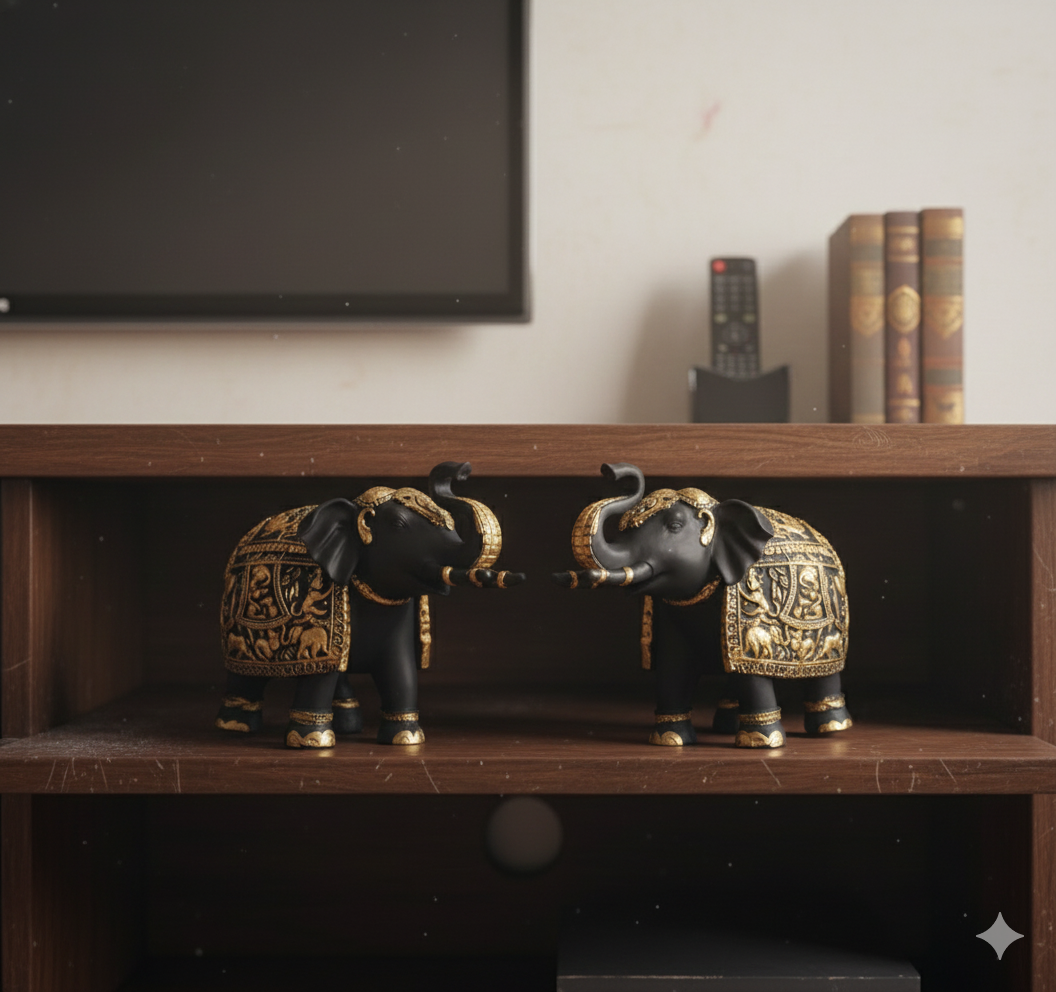
At Moolwan, we help design-conscious Indian homeowners create living rooms that feel complete — where the wall colour, the furniture, and the décor all speak the same visual language. The wall colour is not a background decision. It is the first signal your room sends.
---
Indian homes face a specific challenge that Western colour guides never account for: high-contrast natural light, warm-spectrum artificial lighting (yellow LEDs and CFLs), and predominantly warm-toned wood and stone flooring. A cool grey that looks sophisticated in a European flat looks cold and unwelcoming in a Bangalore or Delhi apartment lit by afternoon sun from the west.
The second common mistake is choosing a wall colour in isolation — without factoring in the sofa fabric, the flooring tone, and the décor on the shelves. Indian living rooms tend toward warm undertones: teak wood, cream marble, rattan, brass fixtures. Wall palettes must harmonise with these, not fight them.
The third mistake: no visual anchor. Even a well-chosen colour combination looks unfinished without a focal point — a piece of statement décor that ties the palette together and gives the eye somewhere to rest.
---These five combinations are specifically selected for Indian lighting conditions, Indian-standard room sizes (typically 150–250 sq ft), and the warm-toned furniture most Indian homeowners already own.
| Colour Combination | Best For | Lighting Condition | Recommended Décor Accent Colour | Mood Created |
|---|---|---|---|---|
| Warm White + Terracotta Accent Wall | Apartments with warm flooring | North- or east-facing rooms | Brass, deep green | Grounded, earthy, welcoming |
| Ivory + Sage Green | Compact rooms needing freshness | Good natural light | Natural wood, off-white | Calm, modern, botanical |
| Soft Grey + Deep Teal Feature Wall | Modern apartments, open-plan | South- or west-facing (bright) | Gold, charcoal, copper | Sophisticated, dramatic, contemporary |
| Beige + Dusty Rose | Traditional or transitional homes | Any | Antique brass, ivory, blush | Soft, feminine, timeless |
| Off-White + Deep Charcoal (Two-Wall Split) | Minimalist interiors, high ceilings | Any — works in artificial light | White, chrome, muted gold | Striking, editorial, high-contrast |
The single most versatile combination for Indian apartments is warm white walls with a single terracotta or deep-earth accent wall. It works with almost every wood tone, reads well under both yellow and white artificial light, and gives you a built-in anchor point for a gallery wall or a statement showpiece cluster.
---Before touching a paint chart, look at your floor and your largest furniture piece. If both are warm (teak, beige, cream, brown), your walls must stay in the warm or neutral register. Introducing cool tones — blue-greys, cool greens, purple-greys — will create visual tension that no amount of décor can fix. If your flooring is cool (white marble, light grey tile), you have more freedom to mix warm and cool tones on the walls.
East-facing rooms get warm morning light and cool afternoons — they can handle both warm and cool wall tones. West-facing rooms get intense afternoon heat and warm-amber light — cool wall tones actually balance this beautifully. North-facing rooms get flat, consistent indirect light — they need warmer walls to avoid feeling clinical. South-facing rooms are bright and warm all day — they are the most forgiving and can carry deeper or cooler tones without looking gloomy.
Interior designers use a 60-30-10 rule for colour distribution. Apply it to your walls: 60% dominant wall colour (typically warm white, ivory, or beige), 30% secondary tone (one accent wall or architectural feature), and 10% through décor — cushions, showpieces, and art. This is where modern showpieces for your living room become structurally important: they carry the 10% accent colour that makes the palette feel complete rather than flat.
Always test paint swatches at 30×30 cm directly on your wall — not on paper or in your head. Observe the swatch at three times of day: morning, midday, and evening artificial light. Paint colours shift dramatically between these conditions in Indian apartments. A warm white that looks pristine at noon can look dingy yellow under your evening LED. Buy a small test pot from any brand and paint directly on the wall before ordering full cans.
---A wall colour combination is only finished when the décor anchors it. The most common unfinished-looking Indian living rooms have beautiful paint but no visual weight on the walls or surfaces — the colour floats without context.
For warm white + terracotta: place deep-green or brass-toned showpieces on the TV unit or coffee table. A cluster of three pieces at different heights (10–16 cm small, 16–21 cm medium, 25–34 cm large) creates visual depth without cluttering the surface. Moolwan's ceramic showpieces — engineered with 92% clay composition and humidity tolerance up to 85% RH — hold their colour finish even in rooms with ceiling fans running all day, a real durability concern in Indian climates.
For soft grey + teal: anchor the teal wall with a large canvas print or a 25–34 cm statement showpiece. A metallic-finish piece in gold or copper pulls the palette together. Browse modern home décor items designed for Indian apartments — sized and styled for the proportions of Indian living rooms, not oversized Western showrooms.
For ivory + sage green: natural materials work best. Rattan-textured, matte-finish, or stone-look pieces in cream or dark brown keep the palette feeling organic. Avoid high-gloss or chrome finishes here — they interrupt the botanical mood the combination creates.
---Certain combinations look appealing in design magazines but consistently underperform in Indian home conditions. These are the combinations worth skipping:
The safest version of a bold move in an Indian living room is a deep, muted, desaturated tone — dusty teal instead of cobalt, terracotta instead of orange, sage instead of lime. These read as sophisticated and hold up across seasons and changing furniture.
---Warm white or ivory as the dominant wall colour, with a single accent wall in sage green or dusty terracotta, works best for small Indian living rooms. This combination creates depth without closing in the space. Avoid dark all-over wall colours in rooms under 180 sq ft — they make the ceiling feel lower and the room feel compressed, especially under standard Indian room heights of 9–10 ft.
In most Indian living room layouts, the feature or accent wall works best behind the sofa, not the TV wall. The sofa wall is what guests face when they enter, making it the natural focal point. The TV wall is better kept neutral so the screen does not compete visually with a strong wall colour. Place your largest showpiece or canvas art on the sofa-facing wall for maximum impact.
Warm white, ivory, beige, or dusty terracotta are the safest wall choices with teak wood furniture. Teak has a warm orange-brown undertone, so cool-toned walls (grey, blue-grey, lavender) create a visual clash. If you want a contemporary look with teak, soft sage green is the one cool-adjacent tone that harmonises without fighting the wood's warmth.
The fastest way to add a new colour story without repainting is through layered décor — cushions, a statement rug, and 2–3 coordinated showpieces in the accent colour you want to introduce. A cluster of medium-sized showpieces (16–21 cm) in a new accent colour on your TV unit or console shelf can shift the perceived palette of the entire room within minutes. This is also a reversible, low-risk way to test a colour direction before committing to paint.
Deep green, brass, or matte black décor pieces create the highest contrast and most finished look against terracotta accent walls. Avoid red or orange tones — they blend into the wall. Matte-finish ceramic pieces in forest green or antique brass work especially well because terracotta is a warm, earthy tone that pairs naturally with organic, handcrafted-looking materials. Explore trendy décor items styled for terracotta and warm-toned living rooms to complete the look.
---Complete your living room colour story with the right décor.
Moolwan's ceramic and resin showpieces are sized, finished, and priced for Indian living rooms — not oversized imports. Humidity-tolerant, dust-resistant, and starting at ₹150.
Browse Modern Home Décor for Indian Homes →Quick View



