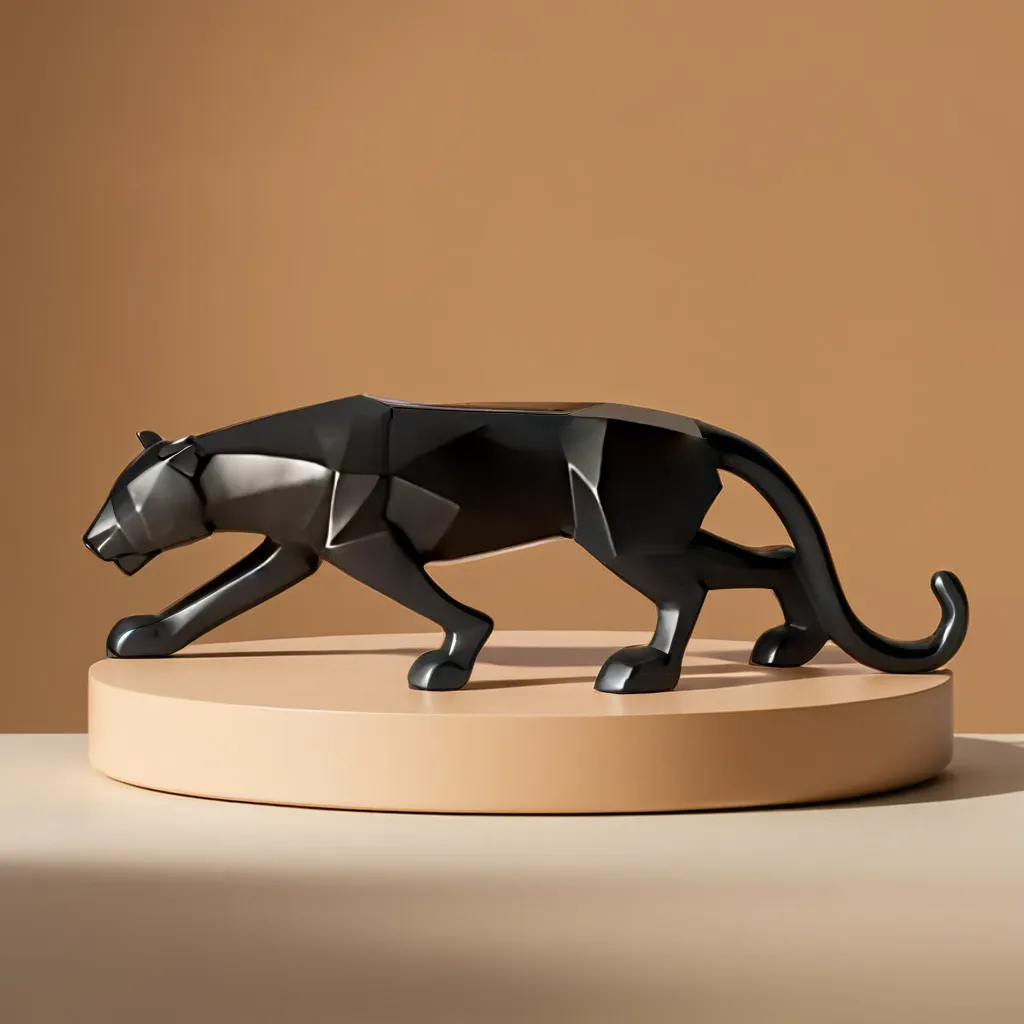
We help design-conscious Indian homeowners find the exact spot for every showpiece — so décor looks intentional, not accidental. At Moolwan, we manufacture home décor directly and have mapped placement to product size, room type, and Indian spatial conventions across thousands of homes. This guide gives you the precise answers.
A beautiful showpiece in the wrong spot becomes invisible — or worse, a hazard. In Indian homes, rooms serve multiple purposes: the living room doubles as a prayer space, the bedroom is also a study corner, and the entrance does the work of a full foyer. Placement must account for this overlap.
The human eye rests most comfortably at a visual zone between 100 cm and 160 cm from the floor — the standing eye-level zone. Showpieces placed within this range get seen, appreciated, and remembered. Pieces placed below 60 cm (floor-level without a pedestal) or above 170 cm (top shelves) are visually dismissed by most visitors within seconds.
Material durability is also a placement decision. Moolwan's ceramic showpieces are rated humidity-tolerant up to 85% RH, which means a bathroom windowsill or balcony-adjacent shelf is safe for them. Resin pieces, with a humidity tolerance of up to 60% RH and a temperature range of 15–35°C, should not be placed in kitchen counters near steam or on west-facing window ledges that trap afternoon heat in Indian summers.
The living room carries the most décor weight in any Indian home. The best placements here are the TV unit shelf, the sofa-side console, and the centre coffee table. For modern showpieces for your living room, use this rule: one large anchor piece (25–34 cm) per surface, flanked by one or two small companions (10–16 cm) at different heights. This creates a visual triangle that draws the eye without crowding the surface.
Avoid placing showpieces directly on the floor of the living room unless they are on a dedicated pedestal or stand. Pieces below 30 cm placed at floor level in a busy Indian family home will get knocked over — and at 150–600 g, Moolwan showpieces are lightweight enough to tip if brushed by a child or a cleaning broom.
The entrance is the most high-stakes placement spot in an Indian home. A console table at 75–85 cm height is the gold standard here. Place one medium showpiece (16–21 cm) at the centre, flanked by a small decorative bowl or a plant. The entrance sees direct sunlight in most Indian flats, so choose pieces with UV and heat resilience. Moolwan's ceramic pieces are rated heat-resistant to 60°C — a property that matters on a west-facing entrance that bakes in summer afternoons.
Spiritual spaces deserve the most considered placements. For a Buddha statue or meditation showpiece, the ideal height is at eye level when seated — approximately 60–80 cm if you sit on the floor, or 90–110 cm if on a chair or low stool. The piece should face the entrant, never a wall or window. Avoid clustering — one centrepiece and empty space around it creates the calm that spiritual décor is meant to evoke.
The bedroom allows smaller, more personal placements: the bedside table, the dresser top, the windowsill (if not west-facing). Small showpieces (10–16 cm) are ideal here. Avoid placing resin showpieces near the bed on the side closest to the window — afternoon heat spikes in summer can yellow resin over time if the temperature consistently exceeds 35°C. Ceramic pieces, with their higher heat tolerance, are the safer bedroom choice.
Indian balconies are an underused décor surface. A corner ledge at railing height (90–100 cm) is perfect for a medium ceramic showpiece. Wind exposure is the key variable here: pieces under 300 g on an open balcony are a fall risk. Choose heavier base pieces and secure them on non-slip mats. Resin pieces should be kept indoors or in covered balconies, as direct UV exposure without the protection of indoor glass will degrade the surface finish over time.
Not sure which showpiece fits your space? Browse over 100 options — sorted by room and size.
Shop Showpieces for Your Living Room →The table below is based on Moolwan's product sizing standards and is designed to help you match the right piece to the right spot in your home without guesswork.
| Showpiece Size | Height Range | Weight Range | Best Placement Spots | Avoid Placing Here |
|---|---|---|---|---|
| Small | 10–16 cm | 150–250 g | Desk, bathroom shelf, bedside table, bookshelf nooks | Open balcony, high-traffic entrance |
| Medium | 16–21 cm | 250–400 g | Coffee table, showcase unit, console table, pooja shelf | Floor-level without pedestal, top shelves above 170 cm |
| Large | 25–34 cm | 400–600 g | Living room focal point, pedestal stand, floor corner with pedestal | Narrow shelves under 30 cm deep, bathroom |
Material determines where a showpiece can safely live — not just aesthetically, but physically. Most Indian homes have high humidity zones (bathrooms, kitchens, balconies) and high-heat zones (west-facing rooms, near stove areas). Matching material to zone prevents premature ageing of your décor investment.
Indian homes often have showcase units or wall-mounted shelves with multiple tiers. The most impactful way to fill them uses three layers of visual weight — tall, medium, and small — rather than uniform heights that flatten the display.
Layer 1 (Back, Tallest): Place the largest showpiece (25–34 cm) at the rear of the shelf. It acts as the anchor.
Layer 2 (Middle, Medium): A medium piece (16–21 cm) at a 45-degree angle to the anchor creates depth without blocking it.
Layer 3 (Front, Smallest): One or two small decorative items (10–16 cm) at the front edge — a small idol, a resin figurine, or a decorative bowl.
This method works across living room showcase units, bedroom dressers, and office credenzas. It is the approach Moolwan's design team uses in every styled shoot, and it translates directly to homes without a professional eye.
For Indian homeowners who follow Vastu Shastra, placement direction adds a layer of significance beyond aesthetics. A few widely followed conventions:
Every Moolwan showpiece is designed for the Indian home — sized for Indian shelves, tested for Indian humidity, priced manufacturer-direct.
Explore the Full Home Décor Collection →Place showpieces on the TV unit shelf, the coffee table, or a console beside the sofa — all at eye level (100–160 cm from the floor). Use one large anchor piece (25–34 cm) per surface and add one or two smaller companions for height variation. Avoid placing pieces directly on the floor without a pedestal.
No. Resin showpieces are rated for up to 60% RH and 15–35°C — both bathrooms and kitchens regularly exceed these thresholds in Indian homes. Ceramic showpieces, which are humidity-tolerant up to 85% RH and heat-resistant to 60°C, are the better material for high-humidity or high-heat placements.
The ideal display height for showpieces is 100–160 cm from the floor — the standing eye-level zone. Shelves mounted above 170 cm lose visual impact for most viewers. If your shelf is high, place taller pieces there and reserve the prime 100–160 cm zone for your most important décor pieces.
For a standard Indian showcase shelf (typically 60–90 cm wide), three pieces work best: one large anchor at the back, one medium piece at mid-level, and one small piece at the front edge. More than four pieces on a single shelf creates visual clutter that the eye cannot process as intentional décor.
Yes. A Buddha statue facing the entrance is a widely accepted and aesthetically strong placement — it greets visitors and anchors the entrant's gaze. Moolwan's Buddha statues for home and garden are available in medium (16–21 cm) sizes that are proportional to most Indian entrances and console tables.
Quick View



