
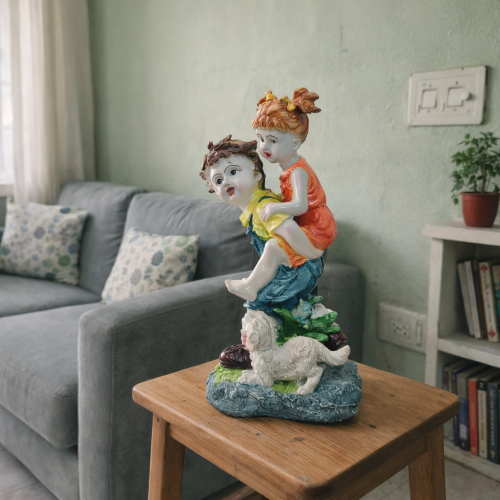
Why Dining Table Styling Has Shifted in 2026
Indian dining tables are moving away from a single centrepiece toward a curated vignette — small sculptural objects grouped by height and material rather than one large showpiece sitting alone. This mirrors a broader shift in Indian interiors: matte over glossy, handcrafted texture over mass-produced shine, and motifs that nod to Indian craft without looking overtly traditional.
We help design-conscious Indian homeowners style dining tables that feel curated, not cluttered — balancing a modern, minimal table setting with décor that still carries an Indian sensibility. The mistake most buyers make is choosing decor sized for a showroom photo, not their actual table width or their region's humidity.
Explore Moolwan's modern home decor items to see this shift in practice — pieces sized specifically for Indian dining tables and console spaces, not oversized imports.
The 5 Dining Table Décor Trends Defining Indian Homes This Year
-
01
Sculptural clusters over single vases
Two or three showpieces of differing heights, grouped together, have replaced the single centrepiece vase as the default dining table look.
-
02
Matte finishes over high-gloss
Matte ceramic and matte resin are outselling glazed, mirror-finish showpieces — they show fewer fingerprints and suit both daytime and evening lighting.
-
03
Mixed-height, mixed-material vignettes
Pairing a small ceramic piece with a medium resin form creates visual depth a single object cannot — this is now the most-requested styling brief.
-
04
Organic, nature-led silhouettes
Abstract leaf, wave, and botanical forms are replacing rigid geometric showpieces, softening the look of glass-top and marble-top dining tables.
-
05
Indian motifs, reinterpreted
Warli-inspired lines and temple-silhouette forms are appearing in modern, minimal shapes — traditional reference, contemporary execution.
Ceramic vs. Resin Centerpieces: Which Suits Your Dining Table?
The two materials behave differently in Indian conditions, and the right choice depends on your dining room's exposure to heat, sunlight, and humidity. Here is how Moolwan's own manufacturing specifications compare:
| Specification | Ceramic Showpieces | Resin Showpieces |
|---|---|---|
| Composition | 92% clay | 94% purity epoxy resin |
| Heat resistance | Up to 60°C | Best at 15–35°C |
| Humidity tolerance | Up to 85% RH | Up to 60% RH |
| Indoor lifespan | 5+ years | 3+ years |
| Drop resistance | 15cm | Scratch-resistant, 3H pencil hardness |
| Best placement | Humid or coastal rooms, near-window dining areas | Air-conditioned or drier-climate dining rooms |
Source: Moolwan manufacturing specifications, in-house quality testing.
If your dining room sits near a window or in a humid coastal city, ceramic is the safer material. If your dining space is consistently air-conditioned, resin's scratch resistance makes it easier to live with daily. Buy showpieces for home decor in either material directly from Moolwan's in-house catalogue.
How to Size and Layer Your Dining Table Centerpiece
Centerpiece sizing follows the table's function, not just its length. Moolwan classifies showpieces into three sizes for exactly this reason:
- Small (10–16cm): for a 4-seater table or as the front-facing piece in a layered cluster.
- Medium (16–21cm): the anchor piece for most 6-seater dining tables and coffee tables.
- Large (25–34cm): a standalone focal point for 8-seater tables or console-adjacent dining spaces.
Every Moolwan showpiece weighs between 150g and 600g — light enough to reposition for daily use or festive table settings without a permanent, fixed arrangement.
Ready to layer your dining table for this season?
Shop unique decor items for an elegant homeBuilt for Indian Climate: Why Material Specs Matter
Most dining table décor sold in India is manufactured for export markets and re-routed through import channels — it is rarely tested against Indian heat, dust, or monsoon humidity. Moolwan manufactures in-house and engineers every piece against Indian conditions specifically: canvas pieces use 340 GSM cotton with eco-solvent UV-resistant inks and moisture-resistant coating; ceramic pieces are tested to 85% relative humidity; resin pieces carry 3H pencil-hardness scratch resistance for daily table use.
This is also why Moolwan sells manufacturer-direct: cutting the middlemen markup that inflates most décor pricing in India, without cutting the material specification.
Style Your Dining Table the Right Way
Browse Moolwan's in-house manufactured showpieces, sized and material-tested for Indian dining rooms — no import guesswork, no inflated middlemen pricing.
Frequently Asked Questions
What's the best centerpiece height for a 6-seater dining table?
A medium showpiece (16–21cm) works best as the anchor for a standard 6-seater table, paired with one small (10–16cm) piece for a layered look. Anything taller can block sightlines across the table during meals.
Can ceramic showpieces handle Indian summer heat?
Yes. Moolwan's ceramic showpieces are heat-resistant up to 60°C and humidity-tolerant up to 85% relative humidity, making them suitable for most Indian dining rooms, including those near windows or in coastal cities.
How many pieces should be in a dining table vignette?
Two to three pieces at different heights is the current standard — typically one medium anchor piece with one or two smaller pieces. A single large piece or more than three items tends to overwhelm a dining table's sightlines.
Matte or glazed finish — which is more practical for daily dining use?
Matte finishes show fewer fingerprints and water marks during daily use and are currently the more requested finish. Glazed finishes suit festive or occasional-use tables where a reflective, formal look is preferred.
What's Moolwan's return policy on dining table showpieces?
Moolwan accepts returns within 24 hours of delivery, provided the item is unused and in its original packaging. A 10% restocking fee applies, and refunds are processed within 15 working days.


