
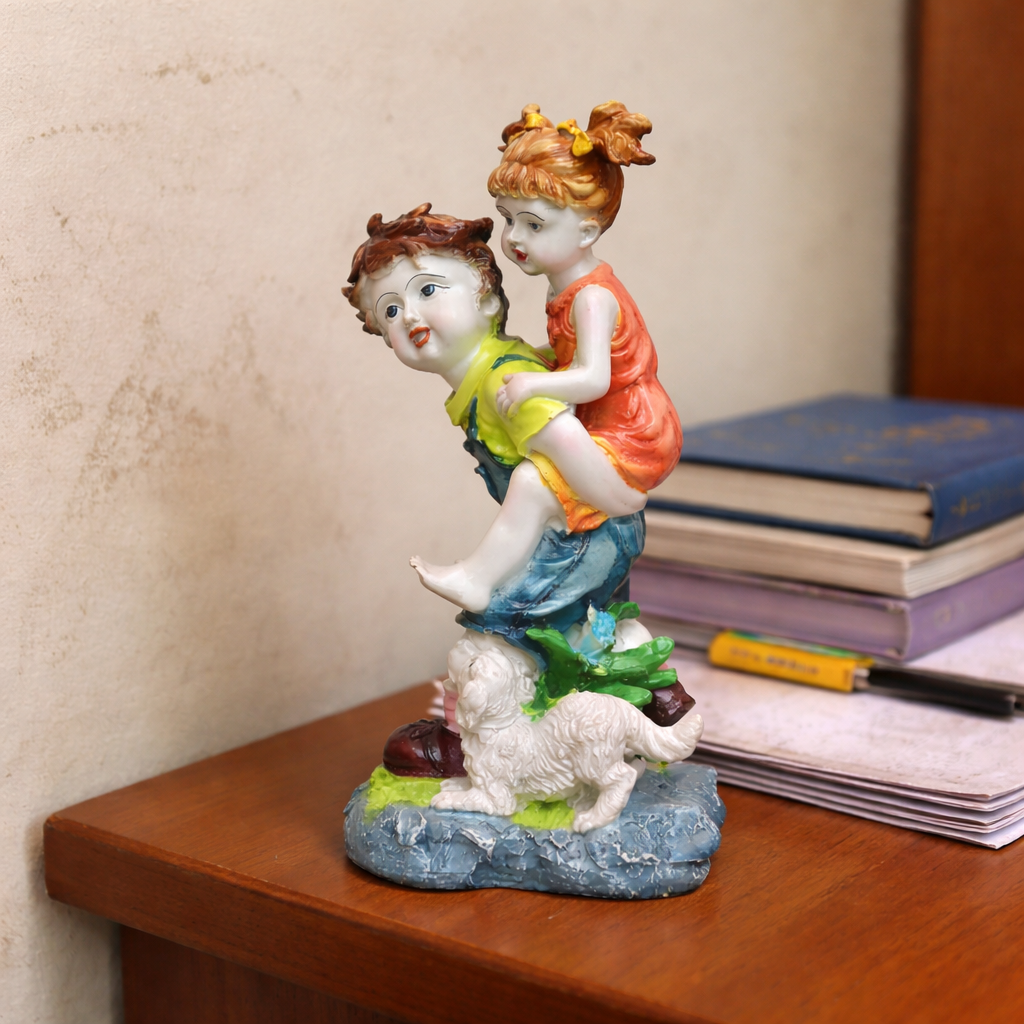
What is the luckiest decor thing to have in your home?
Why "Lucky" Décor Still Matters in Modern Indian Homes
Indian homeowners are not superstitious — they are intentional. Choosing a décor piece that carries cultural meaning is a way of layering purpose into a space. A showpiece is not just ornamental; it represents something the household values: resilience, abundance, peace, or new beginnings. That is why the question of lucky décor is not folklore — it is a design and emotional decision that millions of Indian families make every year when they move into a new home, celebrate a milestone, or simply want their space to feel more alive.
Vastu Shastra, the ancient Indian system of spatial science, provides clear guidance on which symbols attract positive energy — and modern interior design has proven that intentional object placement does improve a room's psychological feel. Moolwan's showpiece collection draws from this intersection: objects that are symbolically significant, aesthetically refined, and built to last in Indian climatic conditions.
The 6 Luckiest Décor Items for Indian Homes — Ranked by Symbolism and Placement
Not every "lucky" symbol belongs in every room. The table below maps each auspicious décor item to its traditional meaning, ideal placement in Indian homes, and the material that performs best in that zone's typical humidity and temperature.
| Décor Item | Traditional Meaning | Best Placement in Indian Homes | Recommended Material | Vastu Direction |
|---|---|---|---|---|
| Elephant Figurine | Stability, wisdom, abundance | Entrance, living room shelf | Ceramic (92% clay, 85% RH tolerant) | North or East entrance |
| Laughing Buddha | Joy, prosperity, good fortune | Living room, facing the main door | Resin (94% epoxy purity, 3H scratch-resistant) | South-East corner |
| Lotus Motif | Purity, new beginnings, spiritual growth | Pooja room, bedroom, study | Ceramic or canvas art | North-East (zone of wisdom) |
| Flowing Water Art | Flow of wealth and opportunities | Living room, office wall | Canvas wall art (340 GSM, UV-resistant) | North wall |
| Bird Pair (crane, peacock) | Love, loyalty, beauty, auspiciousness | Bedroom, living room | Ceramic (heat-resistant to 60°C) | South-West (relationship zone) |
| Tree of Life | Family roots, growth, connection | Family/dining room, entryway | Resin wall hanging or canvas art | East wall |
Each of these items is available in Moolwan's curated home décor collection — handcrafted, manufactured in-house, and priced manufacturer-direct without retail markups.
The Single Luckiest Décor Item for an Indian Home: The Elephant
If there is one object that cuts across religions, regions, and design styles in India, it is the elephant. Revered across Hindu, Buddhist, and Jain traditions, an elephant figurine placed at the entrance of an Indian home is widely understood to symbolise strength, wisdom, and the welcoming of abundance. Vastu Shastra recommends placing a pair of elephants with trunks raised at the main entrance — facing inward — to draw prosperity into the home.
From a design standpoint, elephant figurines are also one of the most versatile objects in Indian interiors. They work in modern minimalist spaces as sculptural accents, in traditional settings as cultural anchors, and as gifting staples across housewarming, wedding, and festival occasions. A well-crafted ceramic elephant in the 16–21cm medium range sits naturally on a showcase shelf or console table without dominating the space.
Moolwan's ceramic showpieces are built to a 92% clay composition standard, rated for humidity up to 85% RH — which means they perform reliably in coastal cities like Mumbai and Chennai, and in the humid monsoon months across the Deccan and Indo-Gangetic plains. They are heat-resistant to 60°C and drop-resistant from 15cm, making them genuinely durable in household environments, not just display-case pieces. Browse Moolwan's modern showpiece range to find elephant figurines and other auspicious forms in sizes designed specifically for Indian homes.
Room-by-Room Guide: Where to Place Lucky Décor in Indian Apartments
Lucky décor only works when it is placed correctly. A laughing Buddha in the bathroom or a bird pair facing outward are common placement mistakes that invert the symbolic intent. Here is a room-by-room guide for Indian apartments and independent homes:
Entrance and Foyer
The entrance is the single most important zone for auspicious décor in Vastu. Elephant figurines (trunks raised, facing inward), horseshoe motifs, and swastika-inspired geometric art belong here. For small foyers common in 2BHK and 3BHK Indian apartments, a Small-sized showpiece (10–16cm) on a console shelf keeps the entry point clean without clutter.
Living Room
The living room carries the highest décor investment in most Indian homes. The North wall is the correct Vastu placement for water-themed canvas art — flowing rivers, ocean horizons, or waterfall motifs — to attract financial flow. The South-East corner is the wealth zone: a laughing Buddha or a cluster of odd-numbered figurines (three or five) works well here. For home décor hanging items, a Tree of Life wall piece on the East wall of your living room aligns with the growth and new opportunity energy of that direction.
Bedroom
The bedroom benefits from paired motifs — bird pairs, dual lotus blooms, or complementary abstract forms — placed in the South-West zone to strengthen the relationship energy of the space. Avoid single figurines or images depicting solitude in a shared bedroom. Resin pieces in the 16–21cm medium range are well-suited here: at 94% epoxy purity and 3H pencil-hardness scratch resistance, they age well on bedside tables and dressers without fading or chipping under regular use.
Pooja Room and Study
The pooja room should carry only items with clear spiritual symbolism — lotus, om motifs, deity forms, or sacred geometric patterns. The North-East direction is Vastu's zone of wisdom and learning, making it the ideal placement for a lotus figurine in a study or home office. Ceramic matte-finish pieces work best here: they do not create distracting reflections and carry a quiet, grounded energy.
What Makes a Lucky Décor Item Actually Last in Indian Conditions
The symbolism of a showpiece only holds if the object itself survives Indian conditions — monsoon humidity, ceiling fan airflow, temperature swings between 15°C winter nights and 45°C summer afternoons. Most mass-market décor fails within 12–18 months in these conditions: paint chips, resin yellows, ceramic cracks at stress points.
Moolwan engineers its products specifically for Indian climate ranges. Ceramic pieces tolerate humidity up to 85% RH — well above the average Mumbai monsoon humidity of 70–80%. Resin showpieces are rated for 15–35°C temperature operation and up to 60% RH. Canvas wall art uses eco-solvent UV-resistant inks on 340 GSM cotton canvas with a moisture-resistant coating, meaning colours do not fade even in rooms that receive direct morning sun. The frames are 1.5-inch kiln-dried pine — not MDF — so they do not warp in humid summers.
These are not marketing claims. They are specifications that Ruchi Malhotra, Founder & CEO of Moolwan (Euphorica Ventures Pvt Ltd), Bangalore, built into every product as the brand's founding commitment to Indian homeowners who deserve décor that actually survives their homes.
Size Guide: Choosing the Right Scale for Lucky Showpieces
Scale is a common mistake when buying auspicious décor. An oversized elephant on a small console table overwhelms the entrance; a miniature laughing Buddha lost on a large showcase shelf fails to anchor the space. Moolwan's three-tier sizing system is calibrated for Indian apartment proportions:
- Small (10–16cm): Bathroom sill, bathroom shelf, study desk, small entrance console, or grouped on a bookshelf.
- Medium (16–21cm): Showcase shelf, coffee table centrepiece, bedroom dresser, dining credenza. This is the most versatile size for lucky figurines in 2BHK and 3BHK apartments.
- Large (25–34cm): Living room focal point — floor corner, large console table, or as the centrepiece of a display wall. Ideal for statement elephant pairs or a Tree of Life sculpture.
All pieces weigh between 150g and 600g, which means they are safe for standard Indian wall shelving and glass showcase units without requiring reinforced brackets.
Ready to bring positive energy home?
Explore Moolwan's full range of auspicious showpieces — elephant figurines, laughing Buddhas, lotus forms, and more — handcrafted and climate-rated for Indian homes.
Shop Modern Home Décor Showpieces →Frequently Asked Questions
Which direction should I keep an elephant figurine at home for good luck?
Vastu Shastra recommends placing elephant figurines at the main entrance of the home, facing inward toward the interior — not outward toward the door. The ideal direction is North or East for the entrance. Trunks should be raised, which symbolises the offering of blessings into the home. A pair of elephants is considered more auspicious than a single figurine for entrance placement.
Is a laughing Buddha the same as a Buddha idol? Can I keep it at home?
The Laughing Buddha — known as Budai in Chinese tradition — is not the same as Gautama Buddha. He is a folkloric figure symbolising contentment, abundance, and good fortune, and is widely placed in Indian homes for positive energy. He is not a religious idol, so there is no restriction on placement zone. The South-East corner of the living room, facing the main door, is the most commonly recommended position for attracting prosperity energy.
What is the best lucky décor gift for a housewarming in India?
An elephant figurine pair, a laughing Buddha, or a Tree of Life showpiece are the most universally accepted auspicious housewarming gifts across Indian households, regardless of religion or region. For gifting, a medium-sized piece (16–21cm) in ceramic or high-purity resin is ideal — substantial enough to make an impression without overwhelming a new home's décor palette. Moolwan's handcrafted showpieces come ready to gift with manufacturer-direct pricing.
Can I keep lucky décor items in the bedroom?
Yes, but the symbolism matters. Paired motifs — bird pairs, dual lotus forms, complementary abstract figurines — are recommended for bedrooms as they reinforce relationship and harmony energy. Place them in the South-West zone of the bedroom. Avoid solitary figurines, war imagery, or anything with aggressive symbolism in this room. Resin pieces are especially suitable for bedrooms as they are lightweight (150–300g in medium sizes) and resistant to the humidity fluctuations common in air-conditioned Indian bedrooms.
Does Moolwan offer returns if the showpiece doesn't suit my space?
Yes. Moolwan accepts returns within 24 hours of delivery, provided the item is unused and in its original packaging. A 10% restocking fee applies, and refunds are processed within 15 working days. This policy applies to all showpieces ordered through moolwan.com.
Bring the Right Energy Into Every Room
Moolwan's auspicious showpieces are handcrafted in-house, engineered for Indian humidity and temperature ranges, and priced directly from manufacturer to your door — no middlemen, no markups.
Explore All Home Décor Items →Browse Hanging Décor for Walls →
Content reviewed and published by Ruchi Malhotra, Founder & CEO, Moolwan (Euphorica Ventures Pvt Ltd), Bangalore.


