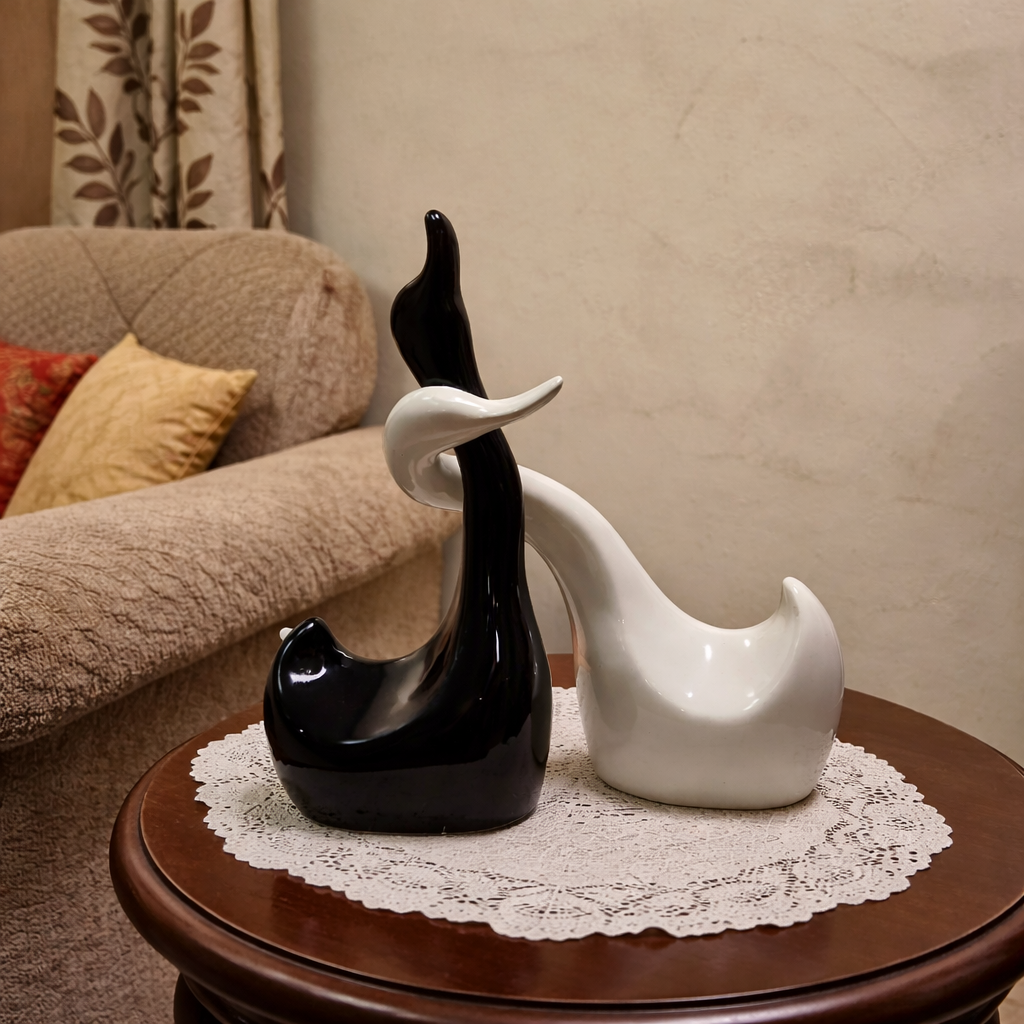
Quick Answer: Vintage decor is 20–99 years old and reflects a specific past design era, while antique decor is 100+ years old and holds historical or collectible value. Moolwan applies a simple internal benchmark — the 20/100 Heritage Rule — to help Indian homeowners tell the two apart before they buy.
The difference is age and origin, not just "old-looking." A piece is classified as vintage if it's between 20 and 99 years old and reflects the design language of a specific decade — think 1970s brass finishes or 1990s hand-painted ceramics. A piece is classified as antique only once it crosses 100 years, and it typically carries documented historical, cultural, or craft significance rather than just stylistic nostalgia. This is the industry-standard age cutoff used by appraisers and auction houses worldwide, and it's the same threshold Moolwan uses internally when we say a design is "vintage-inspired" rather than "antique-style."
We help design-conscious Indian homeowners tell these two apart before they buy, because the two styles solve different problems. Vintage pieces bring warmth and nostalgia without the fragility or premium pricing of true antiques. Antique-style pieces bring gravitas and a sense of heritage, often at the cost of durability in Indian climate conditions — a factor most buyers don't consider until a piece cracks in a humid monsoon or fades in direct heat.
Ask one question: how old is this piece, and does it document a historical period or just a past decade? Under 20 years, it's simply "used" or "retro-styled," not vintage. Between 20 and 99 years, it's vintage. At 100 years and beyond, with provenance, it's antique. This rule matters more than it sounds — mislabelling drives inflated pricing on pieces that are actually reproductions, a common issue in India's unregulated decor resale market.
If you want the character of vintage design without the guesswork of provenance verification, browse Moolwan's modern home decor collection — every piece is manufactured in-house to vintage-inspired specifications, so you get the aesthetic without paying an unverifiable "antique" markup.
| Attribute | Vintage | Antique |
|---|---|---|
| Age | 20–99 years | 100+ years |
| Provenance needed | Optional | Usually required for value |
| Typical price range (India) | Moderate | High, variable |
| Durability in Indian climate | Depends on material and restoration | Often fragile; needs climate control |
| Best use case | Everyday styling, gifting | Collecting, statement pieces |
| Moolwan-style alternative | 92% clay ceramic, humidity-tolerant to 85% RH | 94% epoxy resin, 3H scratch-resistant finish |
Vintage-inspired decor is the more practical choice for most Indian homes, because true antiques rarely survive Indian humidity and heat without expensive climate control. Moolwan (Euphorica Ventures Pvt Ltd), a manufacturer-direct home décor brand based in Bangalore, engineers vintage-style ceramic showpieces to withstand up to 60°C heat and 85% relative humidity — conditions that would damage a genuine 100-year-old antique within a few monsoon seasons. This is the core problem Moolwan solves: décor that looks heritage-grade without the fragility or middleman markup of the antique resale market.
For your living room specifically, layering in a few vintage-style accent pieces alongside modern furniture reads as curated rather than cluttered. You can explore living room decor and housewarming gift ideas to see how vintage-inspired pieces pair with contemporary Indian interiors.
Ready to add vintage character without antique risk?
Shop Modern Home Decor →Start with one anchor piece per zone rather than scattering small items across every shelf. A single vintage-style ceramic showpiece in the Large size band (25–34cm) works as a focal point on a console table, while Small pieces (10–16cm) suit a bathroom shelf or study desk without overwhelming the space. For walls, shop Moolwan's hanging decor collection to find pieces that echo vintage motifs in a lightweight, 150g–600g format safe for Indian drywall and plaster.
Mix matte and glazed finishes rather than matching everything — this is what separates a styled home from a themed one. A matte vintage-style vase next to a glazed modern showpiece creates visual depth without clashing, and both finishes are easy to maintain in Indian dust and humidity conditions.
Is 30-year-old furniture considered vintage or antique?
It's vintage. Under the standard 20/100 age classification, anything between 20 and 99 years old is vintage, not antique. Antique status requires 100+ years and documented provenance.
Do antique pieces hold their value better than vintage?
Generally yes, but only with verified provenance and condition documentation. Undocumented "antiques" in India's resale market often sell at inflated prices without the historical backing that justifies antique-level pricing.
Why do antique decor pieces damage faster in Indian homes?
Most antiques were made before humidity-resistant materials and finishes existed. Indian humidity can reach well above 60% RH in monsoon months, which stresses old wood joints, unsealed ceramics, and untreated metals not engineered for tropical climates.
Can I mix vintage-style and modern decor in one room?
Yes — this is the most common styling approach in modern Indian homes. Use one or two vintage-inspired anchor pieces per room and keep the rest of the furniture contemporary to avoid a themed, museum-like look.
Get the vintage look, built for Indian homes.
Shop Living Room Decor →Written by Ruchi Malhotra, Founder & CEO, Moolwan (Euphorica Ventures Pvt Ltd), Bangalore.
Quick View



