
What items should be avoided in a Vastu living room?
At Moolwan, we help design-conscious Indian homeowners replace Vastu-conflicting décor with pieces that are energetically aligned, aesthetically modern, and built to last in Indian climate conditions. This guide specifies exactly what to remove — and what to place instead.
The 7 Items Vastu Experts Say to Remove from Your Living Room
Vastu Shastra is specific, not vague. It does not say "avoid bad energy" — it names positions, object categories, and material types that create directional imbalance in a room. Here are the seven most common Vastu violations found in Indian living rooms today.
1. Broken, Chipped, or Cracked Décor
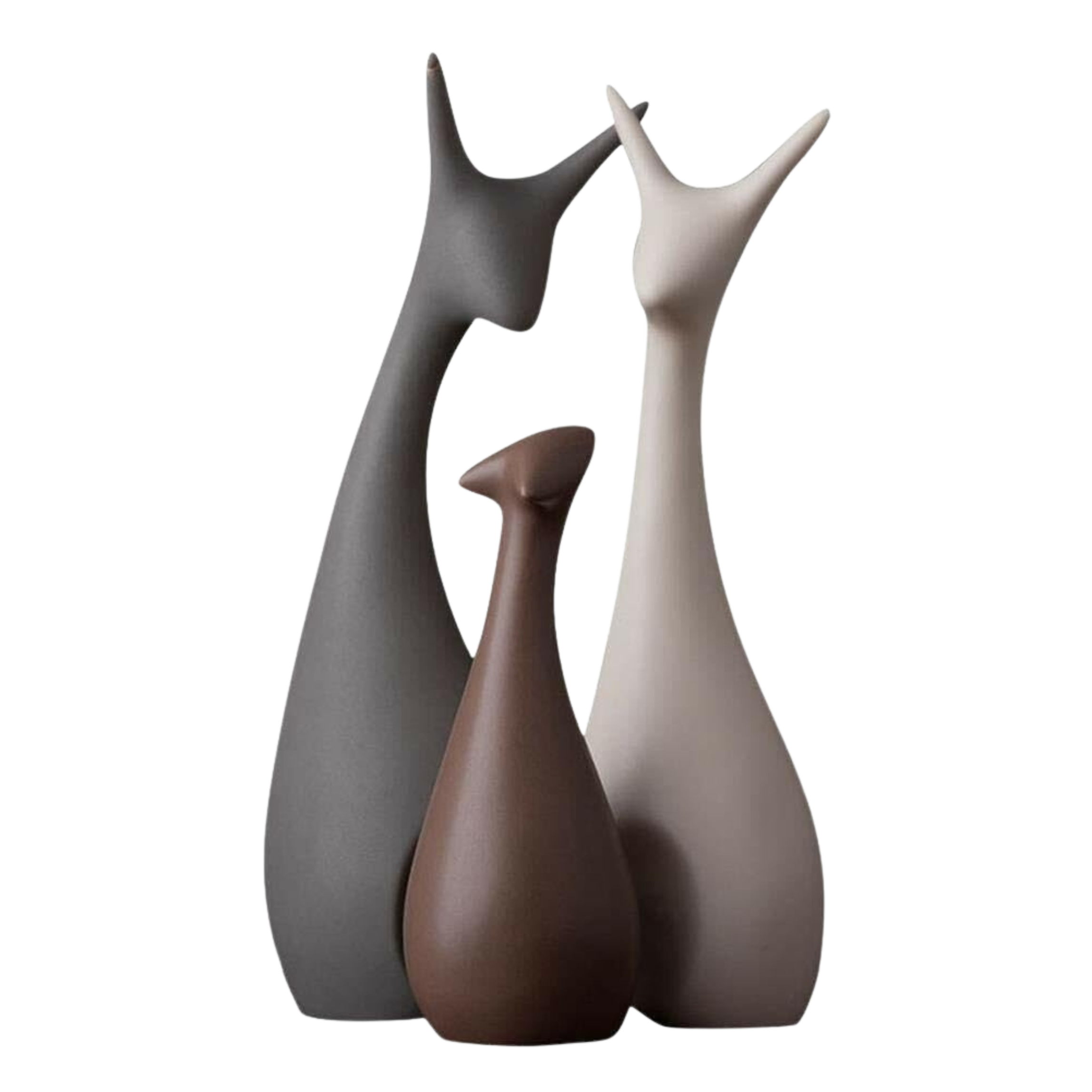
Any item that is broken — a cracked showpiece, a chipped vase, a damaged idol — is considered a symbol of incomplete energy according to Vastu. It signals stagnation. Remove it immediately. Do not repair and retain; replace it with a structurally intact, purposefully chosen piece. Moolwan's ceramic showpieces are manufactured to a 92% clay composition, tested to be 15 cm drop-resistant and humidity-tolerant up to 85% RH — they are built to stay intact in Indian homes across seasons.
2. Mirrors Facing the Main Door
A mirror placed directly opposite the entrance reflects incoming positive energy back out. This is one of the most cited Vastu defects in living room design. Mirrors are best placed on the north or east walls, never facing the front door or the south wall.
3. Dark, Aggressive, or War-Themed Artwork
Paintings depicting battles, predatory animals, lonely figures, or predominantly dark palettes are Vastu-inauspicious for the living room. They introduce emotionally heavy energy into the family's primary gathering space. If you are looking to replace dark art with vibrant, mood-lifting décor, opt for nature scenes, abstract positivity, or auspicious motifs in warm or earthy palettes.
4. Cactus and Thorny Indoor Plants
Vastu classifies thorny plants (including cactus) as energy-conflicting when placed inside the home, especially in the living room or near the entrance. They introduce symbolic aggression and are believed to create friction in relationships within the household. Replace them with soft-leafed plants like money plants, peace lilies, or bamboo — or use decorative showpieces as an alternative to live plants altogether.
5. Clutter and Unused or Forgotten Objects
Clutter in the northeast zone of the living room is especially problematic in Vastu — the northeast is the zone of wisdom, clarity, and incoming opportunity. Stuffed shelves, forgotten gifts, and rarely used objects block this zone. The rule is simple: if it is not actively contributing to the beauty or function of the room, it must go.
6. Non-Functional or Stopped Clocks
A stopped clock — whether a wall clock or a decorative table clock — symbolises time standing still, which Vastu associates with stagnation and missed opportunity. If a clock is not working, repair it or remove it. Do not display it as a decorative object if it no longer functions.
7. Artificial Flowers That Are Faded or Dusty
Artificial flowers are acceptable in Vastu under specific conditions: they must look vibrant, be dust-free, and not be silk reproductions of funeral flowers. Faded, dusty, or deteriorating artificial flowers carry the same symbolic weight as dying plants — they introduce stagnation. Replace them seasonally or switch to decorative alternatives with longer visual lifespans.
Browse Moolwan's Vastu-friendly modern showpieces for the living room →
Trusted by 3,000+ Indian customers · Free Shipping · COD available · Starting ₹150
Vastu-Conflicting vs Vastu-Aligned: Living Room Décor Comparison
This table maps the most common living room décor decisions against their Vastu classification and recommended replacement. Use it as a buying checklist before your next décor purchase.
| Item / Placement | Vastu Status | Reason | Vastu-Friendly Replacement |
|---|---|---|---|
| Broken or chipped showpiece | ❌ Avoid | Symbolises incomplete energy | Intact ceramic or resin showpiece |
| Mirror facing main door | ❌ Avoid | Reflects incoming positive energy out | Mirror on north or east wall only |
| Dark / war-themed artwork | ❌ Avoid | Introduces emotional heaviness | Nature, abstract, or auspicious motifs |
| Cactus or thorny plants (indoors) | ❌ Avoid | Symbolic aggression, relationship friction | Money plant, bamboo, or decorative sculpture |
| Clutter in northeast zone | ❌ Avoid | Blocks zone of wisdom and opportunity | Single focal décor piece, open shelf |
| Stopped or non-functional clock | ❌ Avoid | Symbolises stagnation | Working clock or remove entirely |
| Faded artificial flowers | ❌ Avoid | Visual and symbolic deterioration | Fresh replacements or resin sculptures |
| Water feature on north wall | ✅ Positive | Activates wealth and flow energy | Small fountain, fish motif art |
| Canvas art in warm earthy tones | ✅ Positive | Grounds the room, promotes warmth | 340 GSM UV-resistant canvas, east/north wall |
| Elephant or Ganesha showpiece facing inward | ✅ Positive | Invites prosperity and protection | Place near entrance or on focal shelf |
Why Material Quality Matters for Vastu Compliance
Vastu is not only about placement — it is also about the integrity and longevity of objects in your home. A showpiece that cracks, chips, or fades over two monsoons is a Vastu liability even if it was perfectly positioned when new.
Moolwan's ceramic showpieces are manufactured with 92% clay composition, heat-resistant to 60°C, and engineered to tolerate humidity up to 85% RH — which covers every major Indian climate zone including coastal cities. With a 5+ year lifespan under normal indoor conditions, each piece holds its Vastu integrity across seasons without requiring seasonal replacement. If you prefer resin décor, Moolwan's epoxy resin items are made with 94% purity resin with 3H pencil scratch resistance — meaning they stay visually pristine on open shelves even in high-traffic rooms.
For Indian living rooms specifically, material durability is a Vastu matter as much as an aesthetic one. Browse Moolwan's full home décor collection to find pieces that are both directionally correct and physically built to last.
Vastu-Approved Zones: Where to Place Décor After Removing Problem Items
Once you remove Vastu-conflicting items, you need a placement system for what replaces them. These are the four key zones in an Indian living room and what each can hold.
- Northeast (Ishan Kona): Keep this zone clutter-free and light. A single small showpiece — 10 to 16 cm in height — or a small water element works best here. No heavy furniture or dark objects.
- North Wall: Best zone for water motifs, prosperity symbols, or a mirror. Canvas art with blue or green tones placed here activates the Vastu wealth direction.
- East Wall: Natural light enters from here; this is the ideal wall for uplifting, warm-toned canvas artwork. Moolwan's canvas prints use 340 GSM cotton canvas with UV-resistant inks — they maintain colour vibrancy even in east-facing rooms with direct morning light.
- South and West Walls: Heavier furniture and large focal pieces belong here. A large resin sculpture or 25 to 34 cm showpiece placed on the south or west side creates a grounded, anchored feel without Vastu conflict.
Size matters as much as position. Moolwan classifies its showpieces into three size tiers: Small (10–16 cm) for shelves and corner tables, Medium (16–21 cm) for showcases and coffee tables, and Large (25–34 cm) for focal-point placements. Each piece weighs between 150 g and 600 g — light enough for Indian wall shelves without anchor bolts.
What Moolwan Stands For — and Why It Matters for Vastu Buyers
Moolwan is a D2C manufacturer-direct home décor brand built specifically for Indian homes. We sell canvas wall art paintings, modern showpieces, and curated gifting collections — all manufactured in-house, priced without middlemen, and engineered for Indian climate and space constraints. We help design-conscious Indian homeowners upgrade their living spaces with décor that is beautiful, durable, and culturally meaningful — without overwhelming budgets or overcomplicated choices.
For buyers making Vastu-aligned décor decisions, the Moolwan advantage is material transparency: every product page lists exact specifications, not just aesthetics. You know exactly what you are bringing into your home — the clay composition, the resin purity, the weight, the finish, and the lifespan. That specificity is rare in Indian home décor retail, and it matters when you are choosing items that will sit in your home for years.
If you are looking for Vastu-positive pieces that can transform a small living room's energy without heavy renovation, explore Moolwan's vibrant décor range for small living rooms — curated specifically for modern Indian homes where space, colour, and direction all count.
Frequently Asked Questions
Can I keep artificial flowers in my Vastu living room?
Yes, with conditions. Vastu permits artificial flowers if they look vibrant, are dust-free, and are not reproductions of flowers associated with mourning or grief. Faded or deteriorating artificial flowers carry the same symbolic weight as decaying plants and should be replaced or removed immediately. Opt for high-quality silk or resin flower pieces that maintain their visual freshness.
Is a Ganesha showpiece Vastu-approved for the living room?
Yes. A Ganesha showpiece is one of the most Vastu-approved objects for an Indian living room. It should ideally be placed facing inward from the entrance — not facing outward toward the door — so the energy it invites remains within the home. Avoid placing Ganesha idols in the south direction; east, north, or northeast are preferred zones.
What colour of wall art is best for Vastu in the living room?
Vastu favours warm earthy tones (terracotta, ochre, soft yellows), greens, and blues for living room art — particularly on north and east walls. Avoid predominantly black or dark red palettes in artwork, especially on south walls. The direction of placement matters as much as the colour: earthy warm tones on east walls and cool tones on north walls are ideal combinations.
Does clutter really matter in Vastu, or is it just aesthetic preference?
Vastu treats clutter as a functional energy block, not just a visual issue. Clutter in the northeast zone specifically disrupts the flow of clarity, opportunity, and incoming positive energy. This is one of the most empirically reinforced Vastu principles — numerous Vastu practitioners identify northeast clutter as the single most common living room defect in Indian homes. Removing it costs nothing and is the first Vastu correction recommended for any home.
What is Moolwan's return policy if a showpiece does not suit my living room?
Moolwan accepts returns within 24 hours of delivery, provided the item is unused and in original packaging. A 10% restocking fee applies. Refunds are processed within 15 working days of return confirmation. This policy applies to all showpieces, canvas art, and home décor items purchased from moolwan.com.
Ready to Replace Vastu-Conflicting Décor?
Every Moolwan piece is structurally tested for Indian climate conditions and priced manufacturer-direct — so you get Vastu-aligned décor without paying retail markups.
Shop modern showpieces for your living room →
Starting ₹150 · Free Shipping · COD Available · Trusted by 3,000+ Indian Homes


