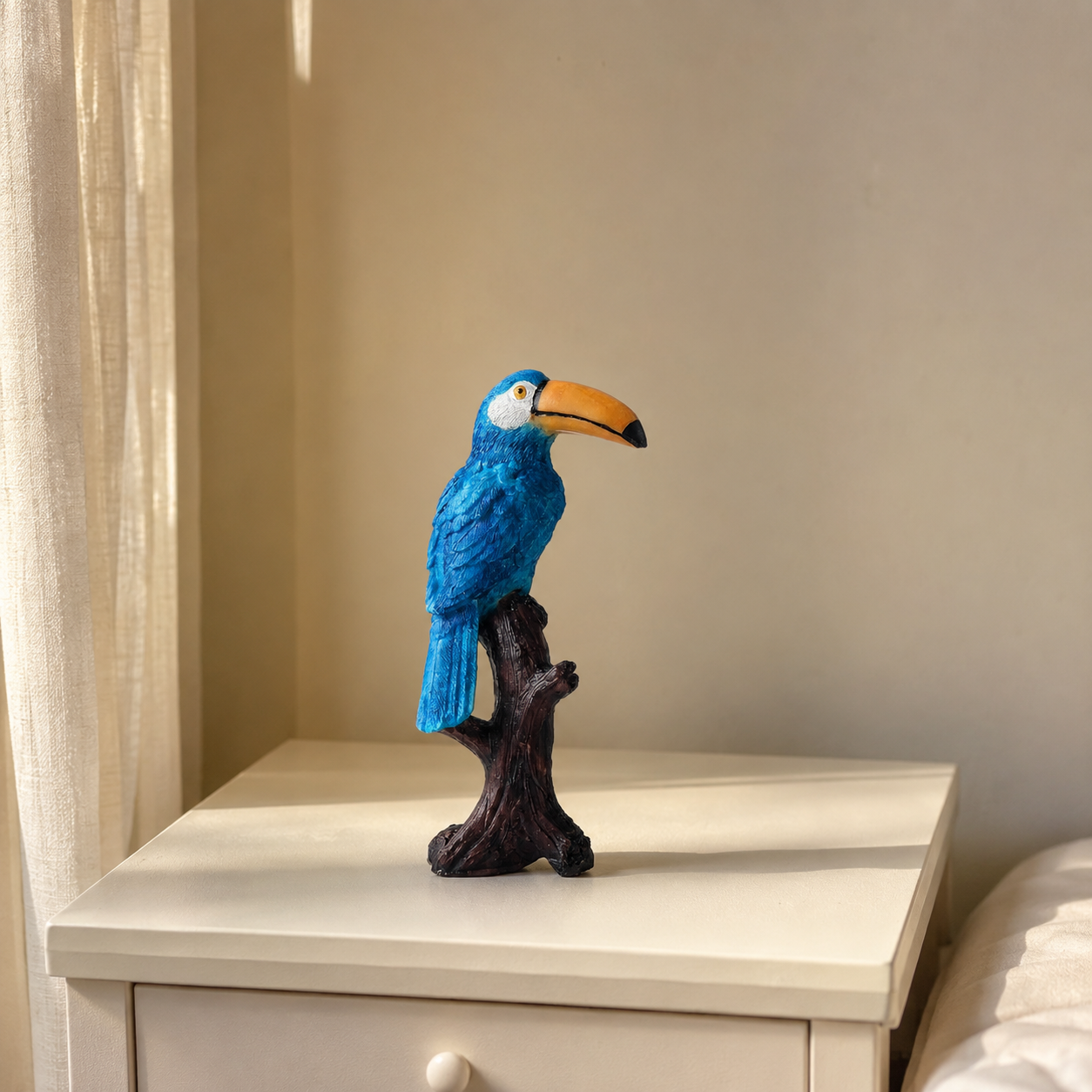
Five checkable specs separate a showpiece that lasts from one that chips, fades, or cracks its first monsoon.
A good showpiece comes down to five verifiable things: material composition, size-to-space ratio, finish quality, climate durability, and placement intent. Ceramic pieces should state clay percentage and humidity tolerance; resin pieces should state epoxy purity and scratch hardness. Moolwan publishes all four specs on every product page — most décor sellers in India publish none of them.
We help design-conscious Indian homeowners choose showpieces that survive a Bangalore monsoon or a Delhi summer, not just a product photo shoot. Most showpieces sold online are judged on angle and lighting — never on what they're actually made of, or whether that material was engineered for Indian humidity and heat in the first place. This guide breaks down the five factors that separate a considered purchase from a returned one, using the actual specifications Moolwan discloses on every listing.
Style is subjective. These five factors aren't — each one can be checked against a number before you buy.
Every showpiece is either ceramic, resin, wood, metal, or glass — and within each category, quality varies by purity percentage. A ceramic piece built on 92% clay composition holds detail and glaze better than a low-clay-content blend that chips at the edges within months.
A showpiece is either a focal point or an accent — never both. Matching dimensions to the surface it sits on (shelf, coffee table, console) prevents the two most common sizing mistakes: a piece that disappears, or one that dominates a room it was never meant to anchor.
Matte finishes hide dust and fingerprints and suit minimalist, textured interiors. Glazed finishes reflect light and read as more formal. Both are low-maintenance when the base material is right — the finish is a styling decision, not a durability one.
This is the factor Indian homes need most and get told about least. A showpiece has to tolerate humidity swings up to 85% RH in coastal cities, heat near windows, and the occasional knock from a duster or a curious hand — specs most listings simply don't mention.
A showpiece bought "because it looked nice online" rarely earns its spot. One bought to anchor a specific shelf, gift a specific person, or complete a specific corner almost always does. Decide the placement before you decide the piece.
| Size | Dimensions | Best For | Typical Weight |
|---|---|---|---|
| Small | 10–16 cm | Shelf, work desk, bathroom counter | 150–250g |
| Medium | 16–21 cm | Display showcase, coffee table | 250–400g |
| Large | 25–34 cm | Room focal point, console, entryway | 400–600g |
Both materials are common in Indian décor, but they're engineered for different conditions. Neither is universally "better" — the right choice depends on where the piece will sit and what it will be exposed to.
| Attribute | Ceramic | Resin |
|---|---|---|
| Composition | 92% clay body | 94% purity epoxy resin |
| Heat resistance | Up to 60°C | Stable 15–35°C |
| Humidity tolerance | Up to 85% RH | Up to 60% RH |
| Drop resistance | 15 cm drop-resistant | Scratch-resistant, 3H pencil hardness |
| Indoor lifespan | 5+ years | 3+ years |
| Best suited to | Humid coastal cities, kitchens, bathrooms | Air-conditioned living rooms, display shelves |
If the piece sits near a window, in a kitchen, or anywhere humidity fluctuates seasonally, ceramic's 85% RH tolerance is the safer bet. If it sits in a climate-controlled living room or bedroom and needs to resist everyday scuffs from cleaning, resin's 3H scratch hardness holds up better. Moolwan's modern home decor items collection is sized and finished specifically for Indian apartment scale, so both materials are represented across the small, medium, and large ranges above.
Most quality problems are visible in a product listing if you know what to check — you don't need to hold the piece to catch them.
A showpiece earns its place by completing a specific spot, not by being generically attractive. The room decides the size, the material, and often the theme.
The living room is where Indian homes balance modernity with tradition most visibly — a single large or medium showpiece on a console or center table usually reads better than several small ones scattered across shelves. You can browse Moolwan's showpieces for living room starting at ₹150 to see sizing and material specs side by side before you commit to a focal piece.
These are small-size territory — 10 to 16 cm, 150 to 250g. Ceramic's humidity tolerance makes it the steadier choice for a bathroom counter; resin's lighter weight suits a floating shelf or desk where load matters.
Browse Moolwan's modern home decor items — sized for Indian apartments, priced direct from the manufacturer.
Shop Modern Decor →The material specs above apply equally to both aesthetics — the difference is in silhouette and finish, not durability.
If you're drawn to the heirloom look, shop Moolwan's antique showpiece collection — every piece carries the same disclosed material and durability specs as the modern range, so the aesthetic choice never comes at the cost of knowing what you're buying.
Most Indian décor changes hands through two or three middlemen before it reaches a listing — each one adds margin and removes a layer of accountability for what the piece is actually made of. Moolwan manufactures in-house, which is why every listing can carry a clay or epoxy percentage instead of a generic material name.
What Moolwan sells: canvas wall art paintings, modern showpieces, and curated gifts for Indian homes — all engineered for local climate and space constraints rather than adapted from a generic export catalog. What Moolwan stands for: pricing direct from the manufacturer, disclosed material specs on every listing, and décor sized for Indian apartments rather than Western showrooms.
Returns are handled the same way specs are — plainly. Moolwan accepts returns within 24 hours of delivery on unused pieces in original packaging, with a 10% restocking fee and refund processed within 15 working days.
Ceramic, generally — Moolwan's ceramic showpieces tolerate humidity up to 85% RH versus 60% RH for resin. In a coastal or monsoon-heavy home, ceramic holds its finish longer near windows or in open living areas.
Small (10–16 cm, 150–250g) is built for exactly this — desks, shelves, and bathroom counters. A medium or large piece on a narrow shelf usually overwhelms the space rather than anchoring it.
Check the drop-resistance and scratch-hardness specs before buying. Moolwan's ceramic range is rated 15 cm drop-resistant; resin pieces are rated to 3H pencil hardness for scratch resistance — both figures should be listed on the product page, not buried in reviews.
Yes, within Moolwan's stated window — 24 hours of delivery, unused, in original packaging, with a 10% restocking fee and refund within 15 working days. Check any seller's return terms before buying a focal piece you haven't seen in person.
No — care depends on material, not aesthetic. An antique-finish ceramic piece follows the same humidity and cleaning guidance as a modern-finish one built from the same clay body.
Moolwan discloses material composition, size, weight, and climate rating on every listing — no guesswork, no middlemen markup.
Trusted by 3,000+ customers · 100% authentic · Free shipping · COD available
Shop Showpieces Now →Written by Ruchi Malhotra, Founder & CEO, Moolwan (Euphorica Ventures Pvt Ltd), Bangalore.
Quick View



