
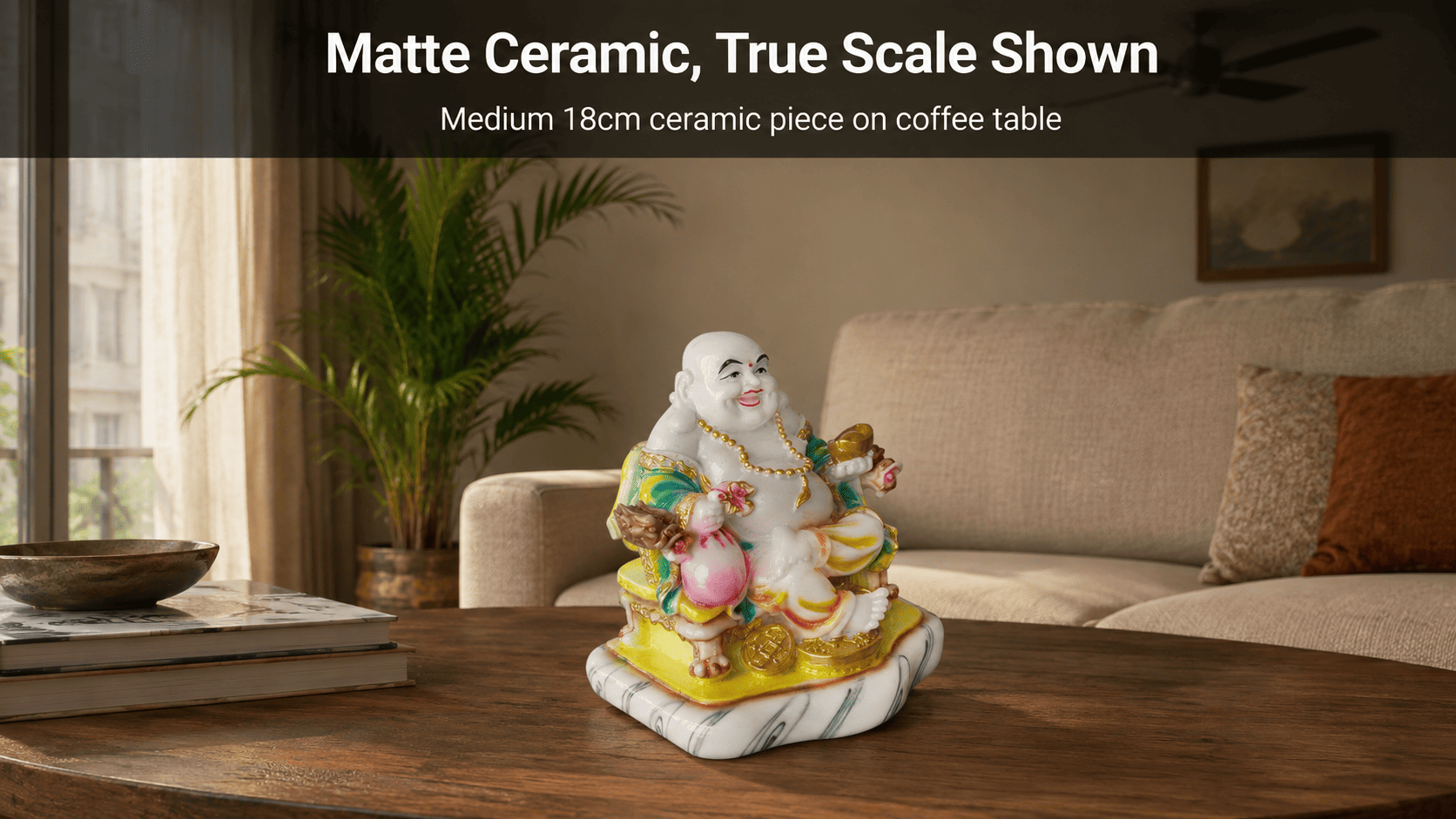
What Makes a Home Decor Item Truly Unique, Not Mass-Produced
The Short Answer
A genuinely unique décor piece differs from a mass-produced one in three measurable ways: material composition (above 90% purity rather than filler-heavy blends), visible finish variation, and a weight-to-size ratio that signals solid casting. Moolwan's ceramic and resin showpiece collections are built to all three benchmarks, with 92% clay composition and 94% epoxy purity verified per batch.
Décor pieces sold at scale are typically cast from diluted material blends to cut cost, which is why mass-produced ceramics chip at the edges within a year and resin pieces yellow under sunlight within months. Moolwan helps design-conscious Indian homeowners tell the difference before they buy, by engineering every modern home décor piece to a verifiable material and finish standard rather than a price point.
What Actually Separates a Unique Home Décor Piece From a Mass-Produced One?
The difference comes down to material density, not appearance. Mass-produced décor uses diluted clay or resin blends — often 60–70% filler — to lower per-unit cost, which makes the surface porous and prone to micro-cracking under temperature swings.
A high-density piece resists this because less filler means fewer internal air pockets for moisture to exploit during humidity cycles. Moolwan's ceramic showpiece collection is cast at 92% clay composition specifically because that density threshold is what keeps a piece intact through Indian summers and monsoon humidity without hairline cracking.
Why Material Composition Is the First Signal of Authenticity
Material purity determines lifespan more than design does. A resin piece below 90% epoxy purity typically softens above 35°C, which is a routine indoor temperature in non-air-conditioned Indian rooms during summer months.
Because softened resin loses surface hardness, it scratches and dents from ordinary handling — dusting, repositioning, a knocked elbow. Moolwan's resin collection is held to 94% epoxy purity and 3H pencil hardness specifically to survive that 15–35°C indoor range without surface degradation, which is the same reason it carries a 3+ year indoor lifespan rating rather than a vague "durable" label.
Mass-produced pieces rarely publish a purity or hardness number at all — that absence is itself a signal, since a manufacturer confident in material quality has no reason to withhold the spec.
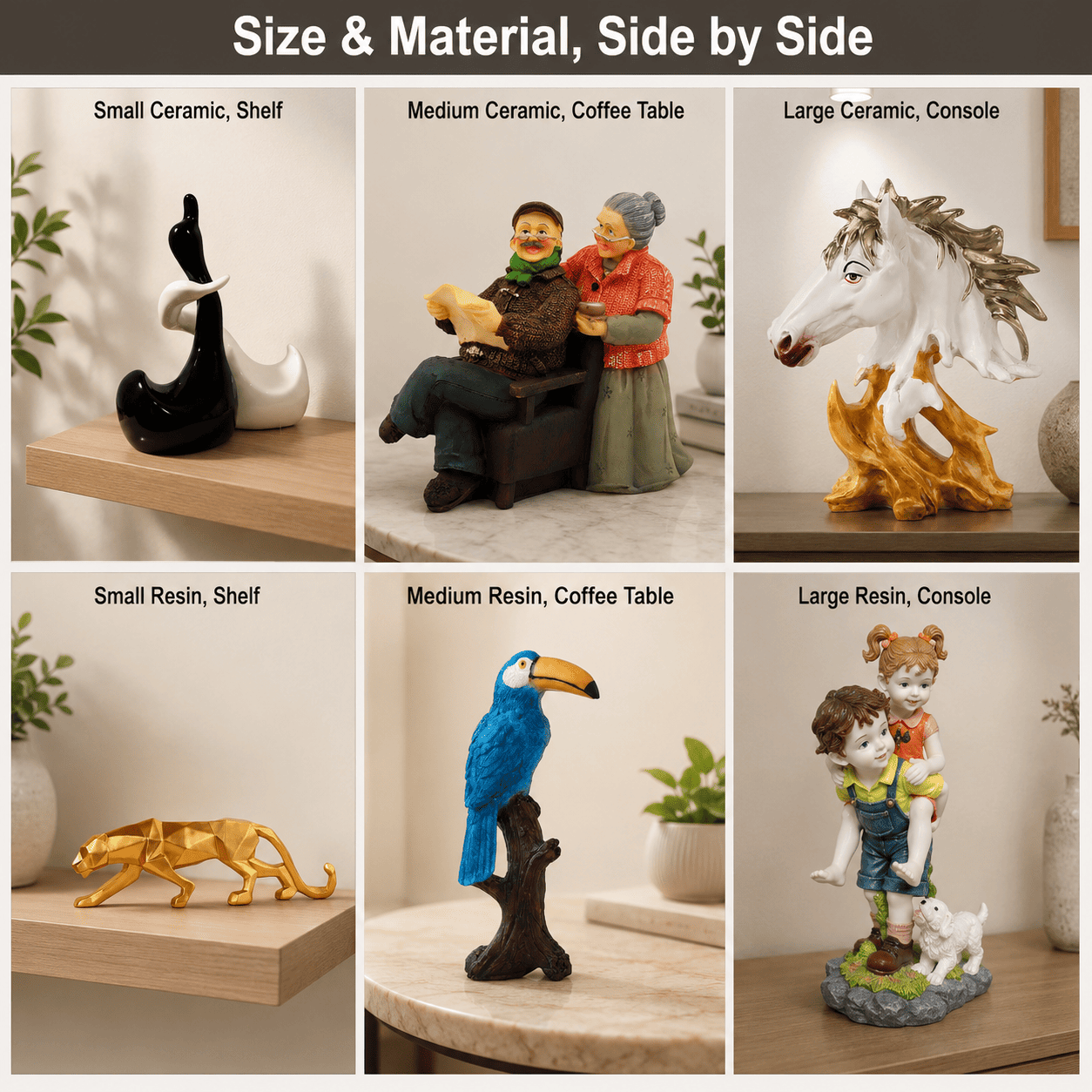
| Size Band | Target Surface | Weight Range | Material Durability |
|---|---|---|---|
| Small (10–16 cm) | Shelf, desk, bathroom counter | 150–250 g | Ceramic: heat-resistant to 60°C, 85% RH humidity-tolerant |
| Small (10–16 cm) | Shelf, desk, bathroom counter | 150–250 g | Resin: 3H pencil hardness, 60% RH tolerant |
| Medium (16–21 cm) | Showcase, coffee table | 250–400 g | Ceramic: 5+ year lifespan, drop-tested to 15 cm |
| Medium (16–21 cm) | Showcase, coffee table | 250–400 g | Resin: 3+ year indoor lifespan |
| Large (25–34 cm) | Focal-point placement | 400–600 g | Ceramic: 92% clay composition, humidity-stable |
Because material composition, weight class, and surface fit all shift together depending on whether a piece is ceramic or resin, browse the full size, material, and weight-band selection in Moolwan's modern home décor collection to match a piece to your specific surface.
Design Rule
To judge authenticity without lab equipment, apply Moolwan's 3-Point Authenticity Test: check material composition (a published purity or clay percentage above 90%), finish variation (visible texture or glaze irregularity rather than uniform machine sheen), and weight-to-size ratio (a piece that feels heavier than its size suggests is solid-cast, not hollow-molded).
Which Size and Weight Band Signals Genuine Craftsmanship?
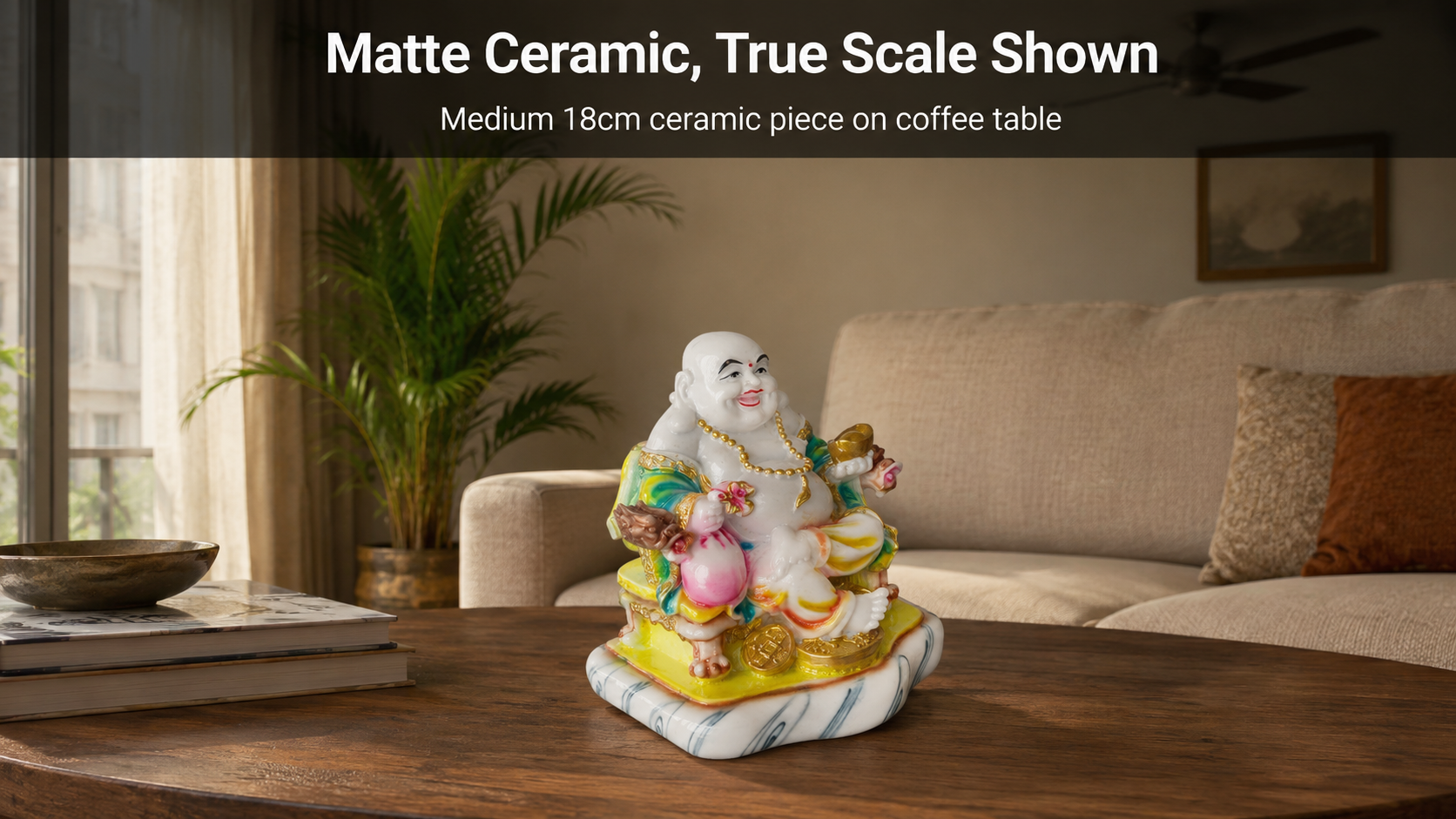
Weight relative to size is the fastest physical check available at the time of purchase. A solid-cast piece in the 16–21 cm medium band should weigh 250–400 g; anything noticeably lighter at that size is almost always hollow-molded with thin walls.
Thin-walled pieces flex slightly under pressure and are the first to crack at the base, since wall thickness — not surface decoration — is what absorbs everyday impact. Investing in a correctly weighted piece avoids the seasonal replacement cycle that thin, mass-produced décor forces on a household, which is the core ROI logic behind Moolwan's weight-class specifications.
Want a piece built to the weight and material standard described above? Shop the full Moolwan modern home décor collection now.
How Finish Variation and Texture Expose Mass-Production Shortcuts
Finish consistency across a batch is a reliable mass-production tell. Injection-molded décor produces near-identical units because the mold itself enforces uniformity, while hand-applied glazes and matte coatings carry small, deliberate variation from piece to piece.
That variation exists because manual finishing steps respond to each piece's surface individually, rather than running every unit through the same automated pass. A genuinely distinctive piece will show this — a glaze pool here, a slightly deeper matte tone there — which is exactly what to look for over a perfectly even, glassy finish.

Frequently Asked Questions
How can I tell if a décor piece is mass-produced before buying it online?
Check whether the listing publishes a material composition or purity figure. Mass-produced décor rarely discloses this because the blend is diluted to cut cost, while higher-density pieces — like Moolwan's 92% clay ceramic collection — list the figure because it holds up to scrutiny.
Does a heavier décor piece always mean better quality?
Generally yes within a size band, because added weight at a fixed size usually means solid casting rather than a hollow shell with thin walls. A piece that feels unexpectedly light for its size is more likely to crack under normal handling.
Why does finish variation matter more than a perfectly even surface?
Perfectly uniform finishes are a byproduct of automated molding, which strips out the small irregularities that hand-applied glazes and matte coatings naturally produce. Visible variation is therefore a positive signal of manual finishing, not a flaw.
What size décor piece suits a small Indian apartment living room?
For coffee tables and showcases common in apartments under 1,200 sq ft, the medium 16–21 cm band (250–400 g) fits without overwhelming the surface, while the small 10–16 cm band suits shelves and consoles.
Once material composition, weight, and finish variation are accounted for, the decision comes down to choosing a size and finish that fits your space — so bring home a piece from the Moolwan modern home décor collection, manufacturer-direct and engineered for Indian humidity and apartment-scale rooms. If you're weighing options across categories, also consider the broader Moolwan home décor range or the more distinctive pieces curated in Moolwan's unique home décor selection before you decide.


