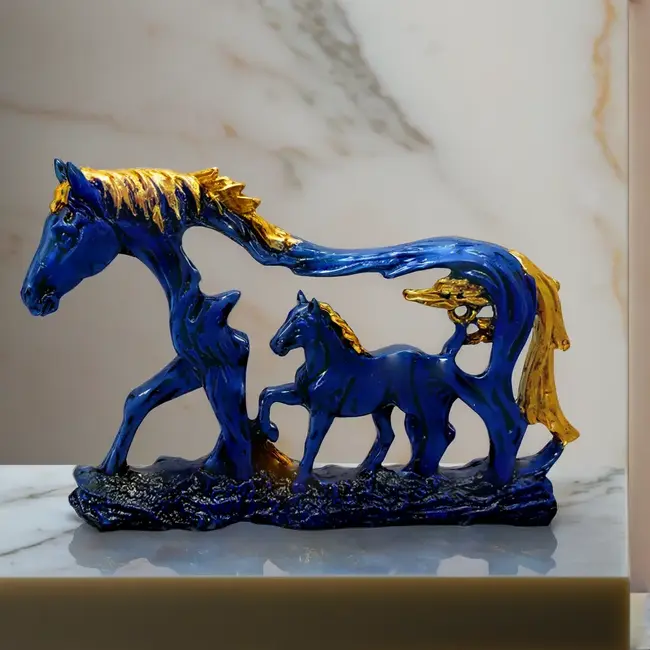
Color does more than decorate a wall. It regulates your nervous system, expands or contracts the perceived size of a room, and defines the emotional character of a space where you spend a third of your life. For Indian homes specifically, the calculus is different from what Western interiors guides suggest: high ambient heat, strong afternoon sunlight, and the warm undertones of Indian interior finishes all shift which colors actually look attractive versus which ones just look popular on Instagram.
At Moolwan, we help design-conscious Indian homeowners choose décor and color combinations that are beautiful, climate-appropriate, and durable — without overwhelming their space or their budget. After working with hundreds of Indian bedroom setups, here is what the data consistently shows.
Dusty blue, slate blue, and powder blue are the most universally flattering bedroom colors in Indian homes. Blue has the lowest psychological arousal index of any color — it actively lowers heart rate and cortisol levels, making it the strongest performer for sleep quality. In Indian summers, a cool-toned wall reads as ten degrees cooler psychologically. Paired with warm-white textiles and wooden furniture, soft blue avoids feeling cold or clinical.
Sage green is the fastest-growing bedroom color in Indian urban homes and for good reason. It sits at the intersection of nature, calm, and quiet luxury. It flatters the golden-hour light that pours into most east-facing Indian apartments between 7–10 AM, creating a warm-green glow rather than a flat khaki. Sage green also pairs exceptionally well with terracotta accents, rattan textures, and off-white canvas art — a combination that reads as both modern and rooted.
Terracotta is India's most native bedroom color — drawn from the soil, sun, and architecture of this country. In low-light rooms that face north or west, terracotta adds warmth without heaviness. A full terracotta wall can feel intense in a small room; instead, use it as a single accent wall behind the bed to anchor the space. Terracotta works especially well when complemented by hanging décor in neutral or gold tones.
| Color | Mood Effect | Best Room Size | Indian Climate Fit | Sleep Quality Impact | Best Paired With |
|---|---|---|---|---|---|
| Soft / Dusty Blue | Calming, cooling | Any size | Excellent — heat-reducing | ★★★★★ | Warm white, natural wood, linen |
| Sage Green | Restoring, grounding | Medium to large | Excellent — light-adaptive | ★★★★☆ | Terracotta accents, rattan, canvas art |
| Warm Terracotta | Energising, intimate | Medium to large (accent wall) | Good — best in low-light rooms | ★★★☆☆ | Off-white, gold, earthy neutrals |
| Warm White / Ivory | Open, airy, versatile | Small rooms especially | Excellent — reflects heat | ★★★★☆ | Any accent color or material |
| Lavender / Lilac | Romantic, dreamy | Medium rooms | Moderate — can feel heavy in humidity | ★★★★☆ | Whites, silver, pale wood |
| Deep Navy / Charcoal | Dramatic, cocoon-like | Large rooms only | Use carefully — absorbs heat visually | ★★★☆☆ | Brass, warm lighting, light textiles |
Source: Moolwan Design Concept Team internal color-space analysis based on Indian home setups across climate zones. Data reflects observed performance in high-humidity (above 70% RH), high-heat (above 32°C) environments typical of Indian summers.
Your bedroom color is the foundation. The right décor makes it come alive. Browse pieces designed specifically for Indian homes and Indian light:
Shop Modern Home Décor All Home Décor ItemsChoosing a bedroom color is not just about what looks good in photographs. It is about what looks good in your room, under your light, through every season of the Indian year. Here is a structured way to make that decision.
East-facing rooms receive warm morning sunlight — cool colors like blue and green come alive in this light. West-facing rooms receive hot afternoon light — warm colors like terracotta and ivory hold their own here without becoming overpowering. North-facing rooms (common in Indian apartment blocks) receive flat, diffused light all day — they benefit most from warm whites, sage green, or terracotta, which prevent the room from feeling grey or institutional.
Rooms under 120 sq ft should default to light values — soft blue, ivory, or pale sage green. These colors recede visually and make the room read as larger. Rooms above 180 sq ft can sustain accent walls in terracotta, deep blue, or even charcoal. The rule of thumb: the smaller the room, the cooler and lighter the color should be.
Indian bedrooms cycle from 22°C in winter to 38°C+ in summer, with humidity peaks of 85–90% RH during monsoon months. Paint sheen matters here — eggshell or satin finishes resist moisture better than matte finishes and do not peel under humidity. For décor in the room, choose pieces rated for Indian climate conditions: Moolwan's ceramic showpieces, for instance, are tested to 85% RH and 60°C heat resistance — they will not crack, discolour, or deteriorate through seasonal cycling.
If you already own a dark wood bed frame, warm tones (terracotta, ivory, sage) will complement it naturally. If your furniture is white or light wood, virtually any wall color works — but cool blues and greens will create a spa-like finish. Your ceiling should stay 2–3 shades lighter than the wall color to avoid a lowered ceiling effect.
Wall color sets the mood. Décor sets the character. The most attractive bedrooms are not just painted well — they are layered. A sage-green wall without the right textures and accents will look like an unfurnished showroom. Here is how to bridge paint and personality.
For blue and green-walled bedrooms, warm-toned home décor items in earthy browns, aged gold, and off-white break the coolness and add human warmth. Think ceramic vases in glazed rust tones, rattan-framed mirrors, and natural wood frames. Moolwan's ceramic showpieces — manufactured with 92% clay composition and available in matte and glazed finishes — complement both sage green and dusty blue walls without visual competition.
For terracotta and warm-ivory bedrooms, the complementary layer is texture rather than colour contrast. Natural weaves, linen cushions, and canvas wall art in neutral palettes let the warmth of the wall breathe. Home décor hanging items — macramé, woven panels, or framed canvas art — add vertical dimension that standard shelving cannot. Moolwan's canvas wall art is printed on 340 GSM cotton canvas with eco-solvent UV-resistant inks, making it fade-proof even in bedrooms with strong afternoon light exposure.
Height matters in Indian bedrooms: the average Indian apartment has a ceiling height of 9–10 feet. Use that vertical space. A single piece of wall art hung at eye level (approximately 155–160 cm from floor to centre of frame) anchors the wall without cluttering the floor. Our modern home décor collection includes pieces sized from 10 cm shelf accents to 34 cm focal-point showpieces — sized and weighted for Indian walls and shelves.
Soft blue is the strongest color for sleep quality, consistently outperforming other colors in psychological arousal studies. Blue has the lowest stimulation index of any wall color, actively slowing heart rate and preparing the nervous system for rest. Dusty blue and slate blue are especially effective — they retain warmth while delivering the calming benefit.
Warm white and ivory are excellent choices for Indian bedrooms — they reflect heat, maximise the impact of natural light, and act as a neutral canvas for any décor style. Pure cool whites can feel sterile in Indian interiors, which tend to have warm-toned furniture and floors. Opt for whites with a yellow or beige undertone for a softer, more liveable finish.
Light, cool, and low-saturation colors expand perceived space. Soft blue, pale sage green, and warm ivory are the best choices. Avoid dark or highly saturated colors on all four walls — if you want drama, limit it to a single accent wall behind the headboard. Keep the remaining three walls and ceiling light to maintain visual breathing room.
Yes — the key is restraint. Use terracotta on a single accent wall behind the bed, not across all four walls. Pair it with off-white or ivory on the remaining walls, and bring in light-toned textiles and décor to balance the warmth. In rooms above 150 sq ft, a terracotta feature wall is a striking, climate-connected choice that does not feel oppressive.
Sage green pairs best with warm earthy accents — terracotta ceramics, natural wood frames, rattan textures, and canvas art in off-white or ochre tones. Avoid cool-toned metallics like chrome or silver, which will clash. Moolwan's ceramic showpieces in glazed earthy finishes and our canvas wall art collections are specifically styled to complement sage-green and biophilic bedroom palettes.
The right bedroom color is only half the equation. Complete your space with décor that holds up through Indian summers, monsoons, and years of daily life.
Shop All Home Décor Browse Hanging DécorAbout the Author: This guide was developed by the Moolwan Design Concept Team and reviewed by Ruchi Malhotra, Founder & CEO, Moolwan (Euphorica Ventures Pvt Ltd), Bangalore. Moolwan is an Indian D2C home décor brand that manufactures canvas wall art, modern showpieces, and curated gifts — engineered for Indian climate conditions and priced manufacturer-direct. Our mission: upgrade every Indian home with décor that is beautiful, durable, and meaningful.
Quick View



