
Cart
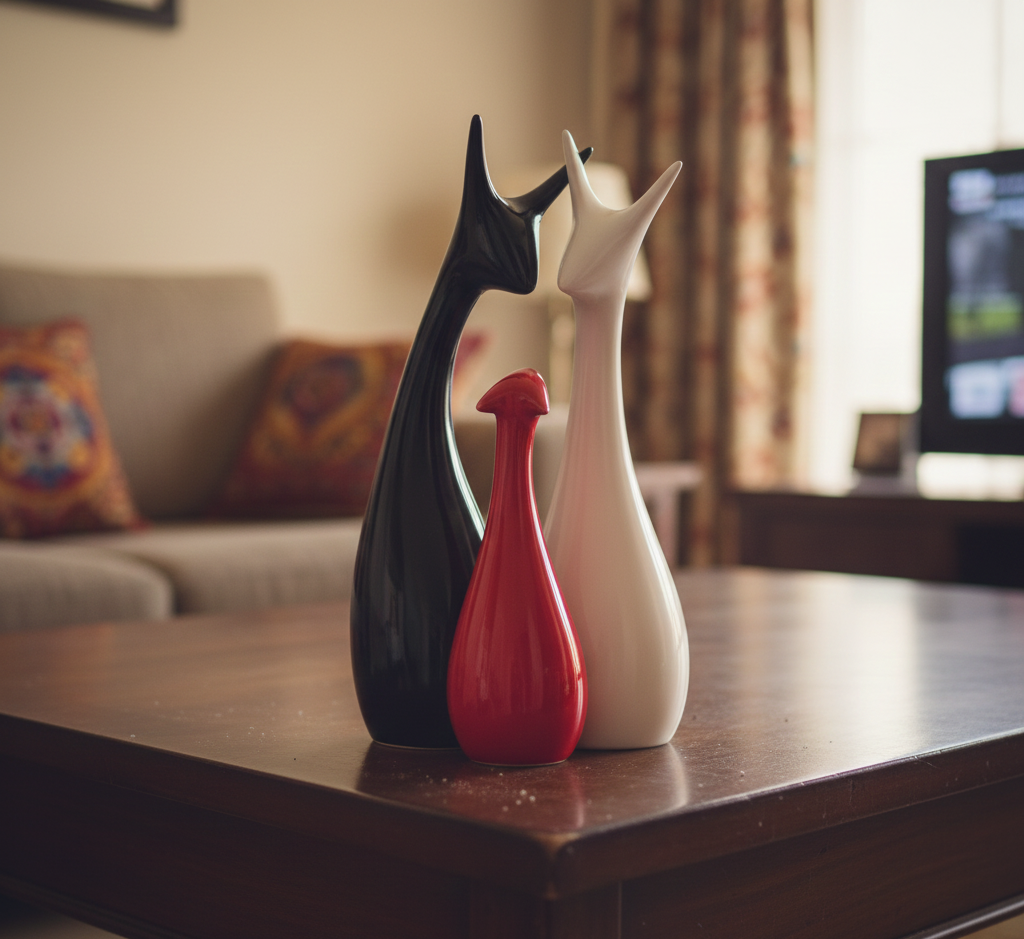
Remember when "minimalist" meant stark white rooms with one uncomfortable chair and zero personality? Those days are officially over! Today's cozy minimalism is like that friend who doesn't talk much but somehow steals the show anyway. It's quiet. It's intentional. And it's downright dreamy. Let's transform your space into a serene sanctuary that whispers rather than shouts—because sometimes the most powerful statements are the ones made softly.
Cozy minimalism sounds like an oxymoron, right? Like "jumbo shrimp" or "working vacation." But this delightful contradiction is actually home décor's power couple! Think of it as Marie Kondo and your favorite blanket having a beautiful design baby. The secret lies in choosing fewer items but making each one count—kind of like that one friend who barely speaks but drops wisdom bombs when they do. Quality over quantity becomes your mantra, and suddenly, your space feels both breathable AND huggable. Incorporate pieces that add character and comfort, like a Tall modern design statue for cozy minimalist corner décor, which can stand alone yet be deeply expressive.

Forget what you've heard—minimalism isn't just clinical whites and grays that make your home look like a fancy hospital waiting room. Today's silent aesthetic embraces subtle color like a shy hug. Think soft mushroom, gentle sage, muted terracotta, and cloudy blues that feel like they're wearing bedroom slippers. These colors don't scream for attention; they casually lean against the wall looking cool without even trying. Layer these tones like a perfectly styled outfit, and you've got depth without drama. And you can bring these hues to life with Ceramic and resin vases for whisper-toned minimalist styling that enhance without overwhelming your room.

In a minimalist space, texture becomes your best storyteller. It's like the introvert who expresses themselves through writing rather than speaking. Mix a nubby bouclé chair with a sleek wooden coffee table, then add a softly woven throw that makes you want to call in sick and stay home. When colors are quiet, textures can have full-blown conversations! That contrast between smooth and rough, soft and firm creates visual interest without cluttering your space—or your mind. Adding a Resin abstract showpiece for artistic silent texture display on a corner table or display shelf amplifies this effect while keeping things minimal.
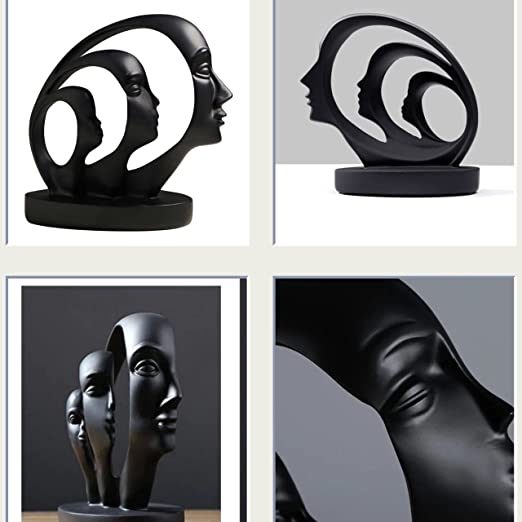
If Marie Kondo and IKEA had a design philosophy baby, this would be it. Every item in your cozy minimalist home should earn its square footage by being either beautiful, useful, or ideally both. That bench? It stores your extra blankets. That gorgeous side table? It folds out for work-from-home days. Think of your furniture like that super-efficient friend who somehow manages to cook, do laundry, AND learn Portuguese all in one evening. Overachievers only in this design scheme! Top it off with Medium-sized decorative showpieces for functional home aesthetics which add beauty without clutter.

Here's a mind-bender: sometimes the most powerful element in your room is...nothing at all. Empty space isn't wasted space—it's the design equivalent of taking a deep breath between sentences. Those bare walls and empty corners allow your eyes (and mind) to rest, turning your home into a refuge from the visual noise of the outside world. It's like giving your brain a spa day every time you walk through the door. "But what about that corner?" Nothing. And that's the point! Or maybe just one Corner tall showpiece to respect your space with elegance.

If minimalism had a favorite number, it would definitely be three. There's something almost mystically satisfying about grouping objects in threes—it's the Goldilocks of arrangements (not too many, not too few). Three books on the coffee table. Three plants of varying heights. Three tones in your color scheme. This approach gives you enough variety to be interesting without tipping into "garage sale display" territory. Your brain registers these tidy little trios as intentional rather than random—and intention is minimalism's love language. Try the Set of three small decorative showpieces for compact minimalist settings for an elegant and balanced touch.
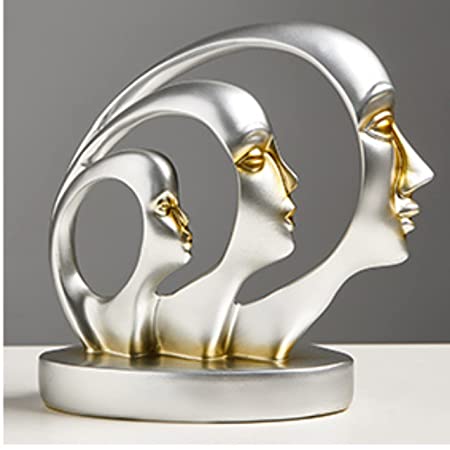
Nothing softens minimalism's edges like a touch of nature. Plants, wood, stone, and natural fibers add warmth faster than you can say "hygge." Place one statement plant where it can cast dramatic shadows. Choose wooden furniture with visible grain that tells its own story. These elements ground your space and connect it to something larger than this season's trends—they're like the wise elder of your décor family. Plus, talking to your plants gives you something to do in all that peaceful silence you've created! Complement these with Nature-inspired resin vases for a mindful minimalist embrace.

Harsh overhead lighting is like that person who uses ALL CAPS IN EVERY TEXT MESSAGE. Instead, embrace lighting that knows how to use its inside voice. Think table lamps with linen shades that diffuse light like morning fog, floor lamps that arc dramatically but emit a gentle glow, or string lights that add magic without the carnival vibe. Proper lighting in a minimalist space is like adding the perfect amount of salt to a dish—you might not identify it specifically, but you definitely notice when it's missing. Let a Glazed finish artistic decor piece reflect serene lighting style and add to a soft glowing ambiance.
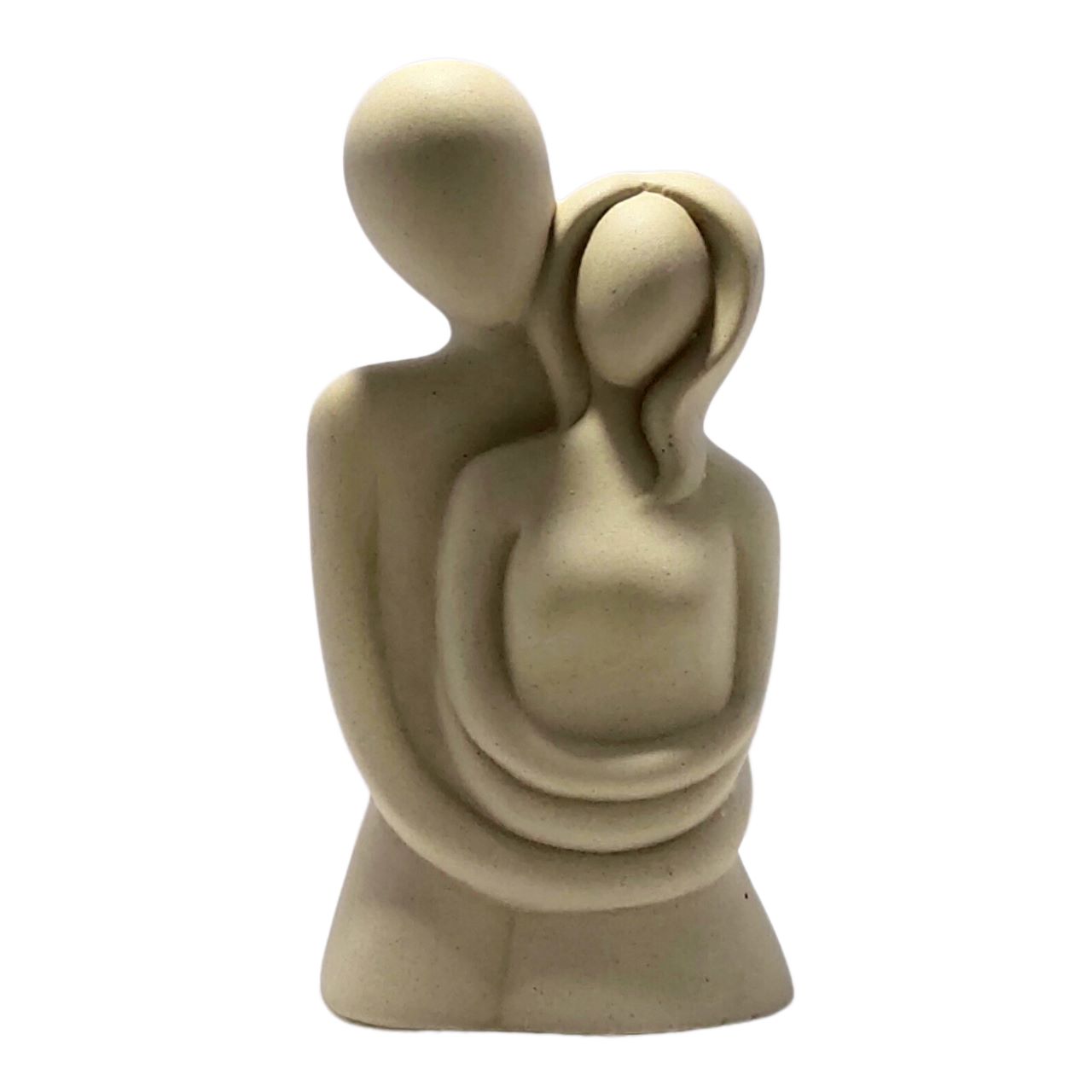
In a world of "more is more," there's something revolutionary about displaying just a few treasured items. Choose pieces that actually make your heart do a little skip when you see them—not just stuff that filled a shelf at Target. That pottery from your trip to Japan. The smooth stone from your favorite beach. The single perfect vase that makes even grocery store flowers look like an art installation. When you display fewer things, each one gets to be the main character in its own story. A Decorative ceramic vase centerpiece with minimalist narrative could serve as one such anchor.
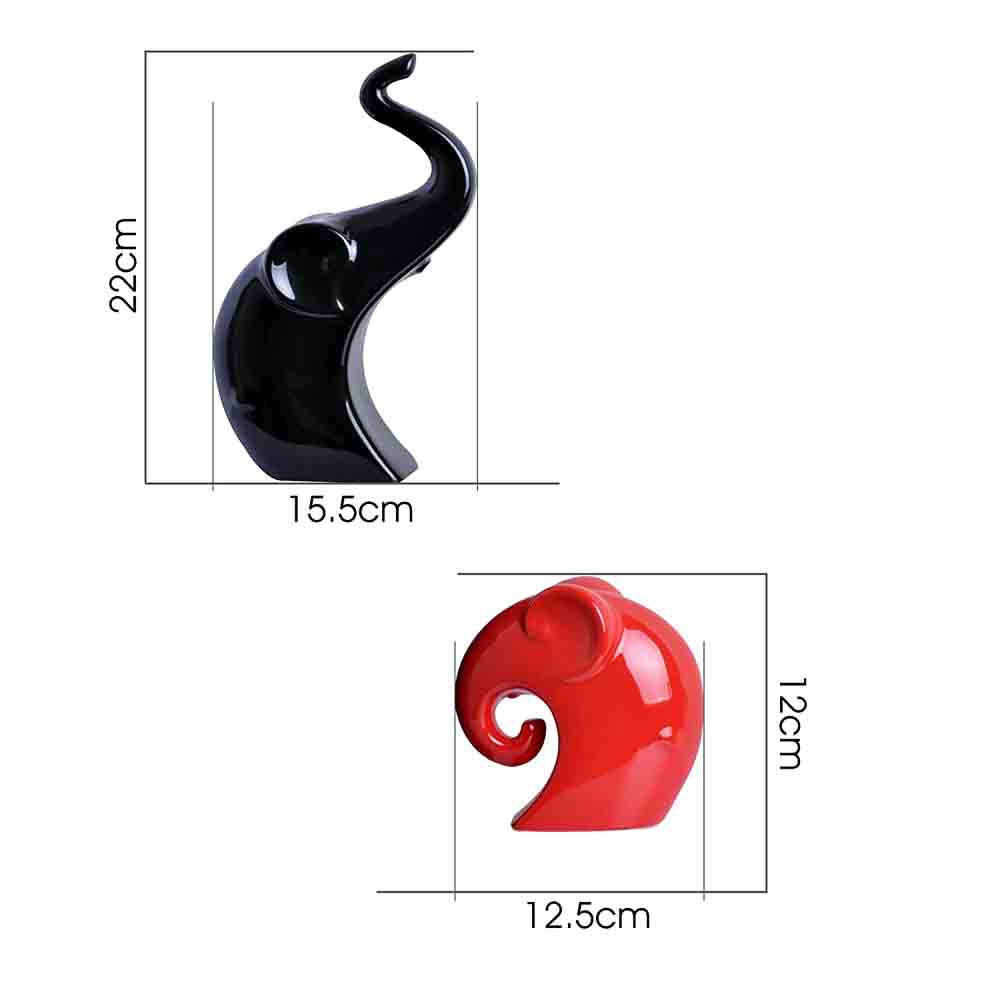
Let's be real—unless you're an actual monk, you own stuff. The cozy minimalist's secret weapon? Ninja-level storage solutions. Beds with drawers underneath. Coffee tables with secret compartments. Baskets that hide life's less photogenic necessities while looking artisanal and intentional. Your goal isn't to own nothing; it's to see only what brings you joy. The rest can play hide and seek until needed. It's like having a perfectly organized secret identity—business in the front, storage party in the back. Add charm with a Compact decorative item on hidden storage for elegant flair to blend function and feel.

Your home should whisper your story, not recite your résumé or inventory your Amazon purchase history. Choose art that resonates deeply rather than matches the couch. Display the weird little sculpture your kid made that makes you smile every time. Minimalism with personality is like that quiet friend with the unexpected tattoo—there's depth there if you pay attention. Remember: the goal isn't to create a showroom; it's to create YOUR room, just with better editing. Introduce a Small abstract showpiece for subtle storytelling in minimalism as a charming conversation starter.
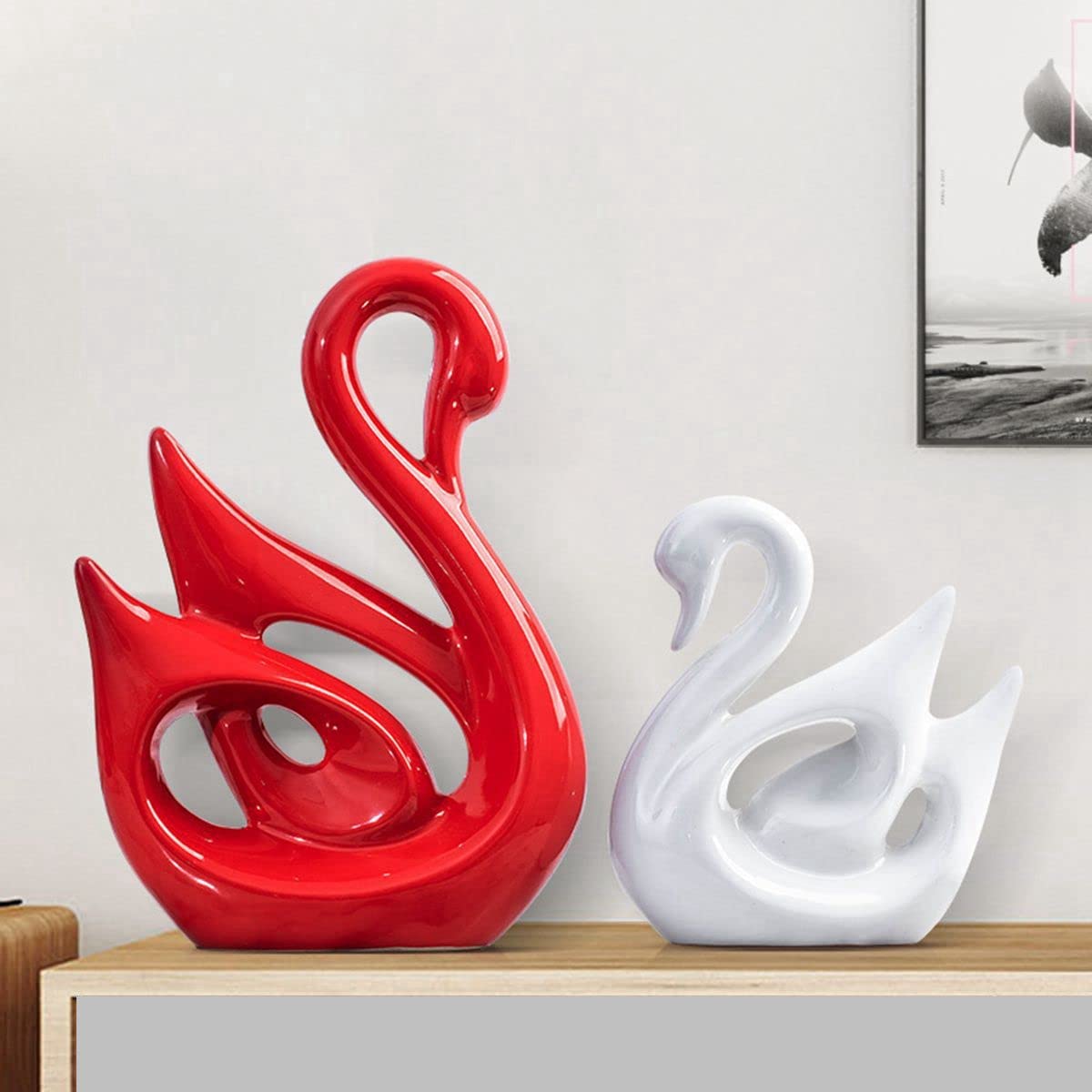
Creating a cozy minimalist space isn't about following rigid rules or achieving some Instagram-perfect end result. It's about crafting a home that respects both your aesthetic sensibilities AND your human need for comfort. It's where "less is more" meets "but make it snuggly." As you embark on your quiet design journey, remember that the ultimate luxury isn't stuff—it's space to breathe, think, and simply be. A silent aesthetic doesn't mean your home has nothing to say; it just means it knows exactly when and how to speak. Try a Classic antique showpiece for warm minimalist reflections to conclude your space with personality.

The best minimalist living rooms focus on intentional furniture placement, multi-functional pieces, and breathing room. Start with a comfortable sofa in a neutral tone, add a statement chair, and keep your coffee table clutter-free. Choose one focal point—whether it's a stunning piece of art, an architectural feature, or a gorgeous view—and let it shine without competition. Incorporate hidden storage solutions to maintain serenity, and remember: every item should earn its place through beauty, function, or (ideally) both.
While classic minimalism often leans toward whites, blacks, and grays, today's cozy minimalist palette is more nuanced. Think soft neutrals like oatmeal, stone, and greige as your base, with gentle earth tones like terracotta, sage green, and dusty blue as accents. The key is choosing colors with similar saturation levels that create a harmonious atmosphere rather than visual disruption. Whatever palette you choose, stick to 3-5 colors maximum throughout your space for cohesion.
Small spaces actually benefit most from minimalist principles! Start by choosing appropriately scaled furniture—oversized pieces make small rooms feel claustrophobic. Embrace multi-functional pieces like storage ottomans or nesting tables. Mount your TV to free up surface space, and use mirrors strategically to bounce light and create the illusion of more room. Keep decor items larger but fewer—multiple small accessories create visual clutter. Finally, maintain some empty space—small rooms need visual breathing room even more than large ones.
The biggest mistake is confusing "minimalist" with "uncomfortable" or "unlived-in." Other common errors include choosing furniture that's too small and floating in space, creating a room that feels cold rather than serene, neglecting proper lighting layers, and forgetting to add texture variation. Many people also make the mistake of removing everything personal, resulting in a space that could be anyone's home rather than distinctly yours. Remember: minimalism is about intentionality, not deprivation.
Minimalist homes can sometimes feel unwelcoming if taken to an extreme—particularly to guests who may feel afraid to disturb your perfect arrangement. There's also the potential pressure of maintaining a clutter-free environment, especially in households with children or multiple residents with different organizational preferences. Some find the constant editing exhausting or feel minimalism restricts their self-expression. Additionally, true minimalism may require investing in higher-quality, multi-purpose items up front, which can be initially more expensive than buying multiple cheaper alternatives.


