
Cart
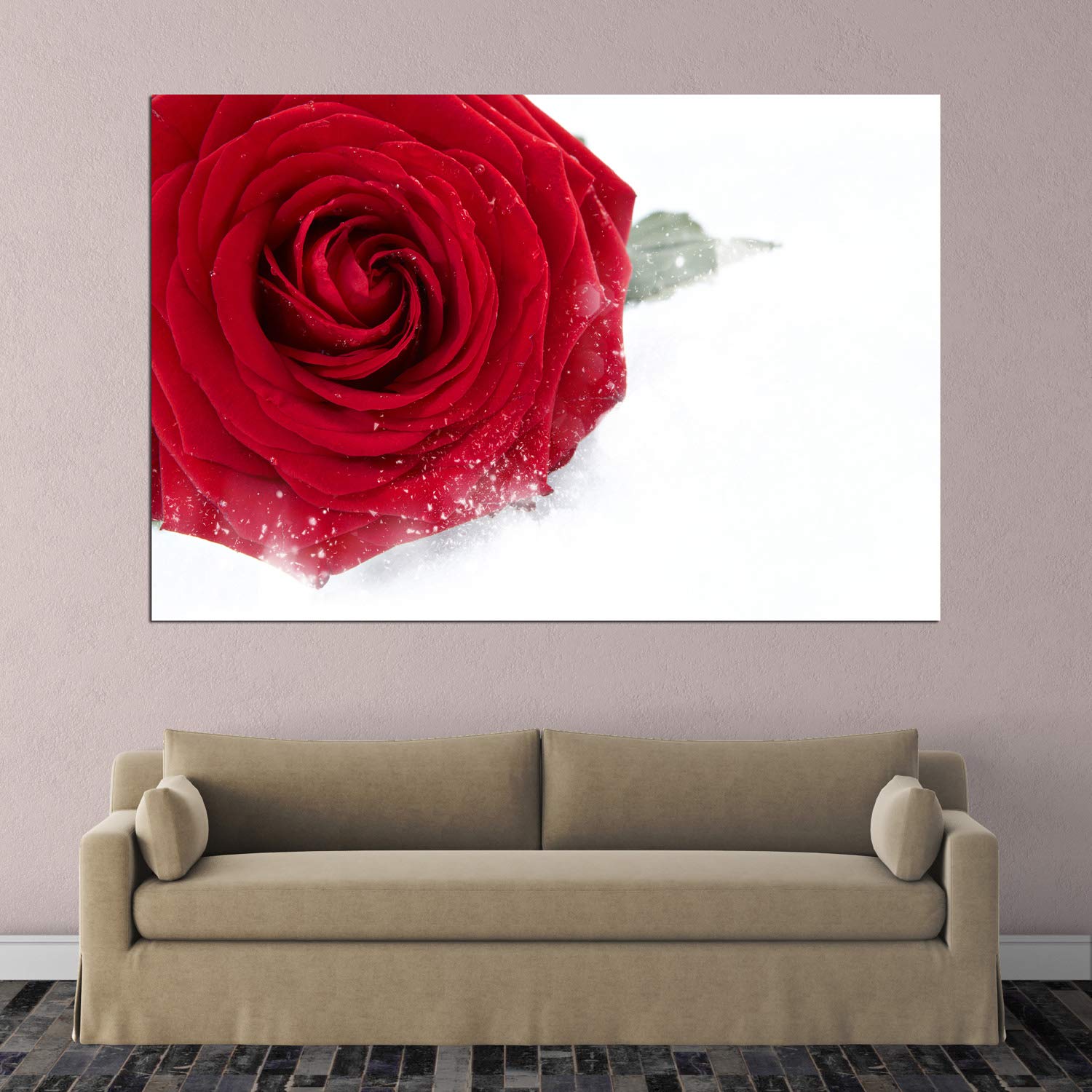
Let's be real—your hallway is the runway model of your home. It's the first thing people see, yet somehow it's also the space we most often neglect! It's time to give that forgotten corridor the glow-up it deserves with furniture that doesn't just fill space but makes a statement louder than your neighbor's weekend parties. Ready to transform that "just passing through" zone into a "wait, let me take another look" masterpiece? Let's strut our stuff down decoration lane!
Your hall has been suffering from an identity crisis for far too long. Is it just a glorified pathway? A dumping ground for shoes and keys? Or could it be—gasp—an actual design feature of your home? The truth is, your entryway sets the tone for your entire home faster than your playlist sets the mood for a dinner party. With the right furniture pieces that blend seamlessly with your existing decor, you can create a hall that doesn't just connect rooms but becomes a destination itself. Think of it as the opening act that gets everyone excited for the main event! Enhance the charm with a stunning Abstract Showpiece for hall entryway design that blends with decor, perfect for small consoles or corner shelves, for that instant first impression.

If furniture pieces were in a band, console tables would be the bass players—not always getting the spotlight but absolutely essential to the whole operation. Slim enough not to hog precious hallway real estate but sturdy enough to hold your keys, mail, and that plant you're trying not to kill, console tables are the MVPs of hall furniture. Opt for one with drawers to hide clutter (because we all know those takeout menus are multiplying when we're not looking) or open shelving to display items that make you look way more sophisticated than you actually are. Pro tip: Match the finish to your existing wood tones for that "I totally planned this whole house in one go" look. Try placing a modern design statue on console table for hallway decor harmony for a chic and cohesive aesthetic.

You are, obviously! Especially when you hang a statement mirror in your hallway. Not only do mirrors create the illusion of more space (perfect for hallways tighter than your budget), but they also bounce light around like a disco ball at a 70s party. Choose a frame that complements your existing decor—metallic for modern vibes, ornate for traditional spaces, or wooden for that rustic charm. Bonus points if you position it so you can check yourself out before leaving the house. Because let's be honest, that's half the reason we want mirrors anyway! Frame it with a handmade decorative wall piece for fashionable hallway design to add layers of elegance and personality.
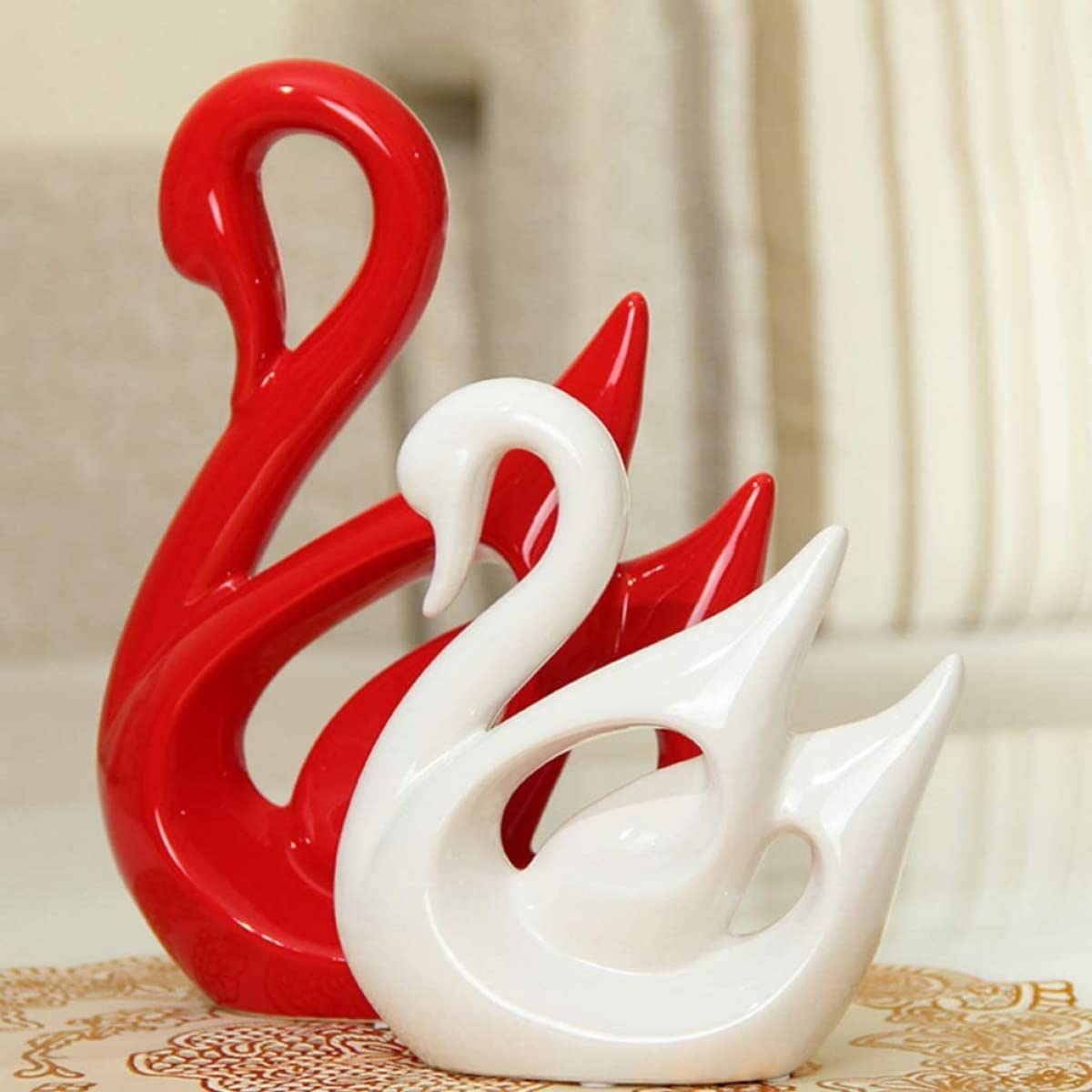
A hallway bench is like that friend who brings snacks to the party—practical and instantly beloved by everyone. Place one against a wall for a spot to tie shoes, drop bags, or dramatically collapse after carrying groceries up three flights of stairs. Look for benches with storage underneath to hide seasonal items or things you don't want guests to see (like that collection of single socks waiting for their partners to return from the laundry void). Style it with a couple of cushions in colors that complement your main living space, and suddenly your hall furniture is playing nicely with the rest of the house! Add an antique ceramic vase for hallway bench styling with artistic blend to complete the look with functional flair.
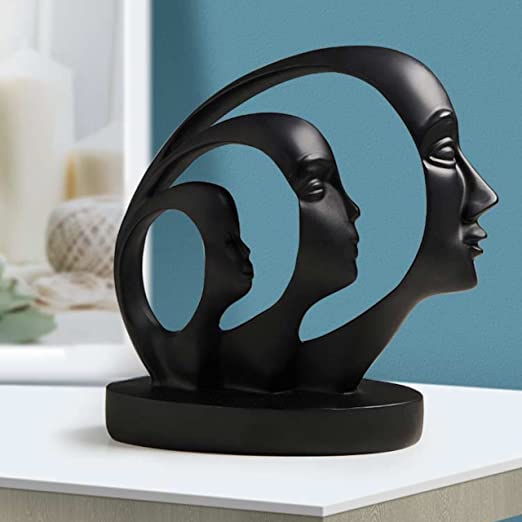
Nothing kills a hallway vibe faster than lighting that makes everyone look like they're in a horror movie. Upgrade from the builder-grade overhead fixture to something with personality—pendant lights that dangle like jewelry, wall sconces that cast a flattering glow, or even a small chandelier if you're feeling fancy (and your ceiling height allows). Choose fixtures in finishes that coordinate with your door handles, picture frames, or other metal elements in nearby rooms. Remember, good lighting doesn't just illuminate your way—it illuminates your design choices! Complement your setup with a glazed ceramic vase to enhance hallway lighting aesthetic placed strategically on a sleek shelf.
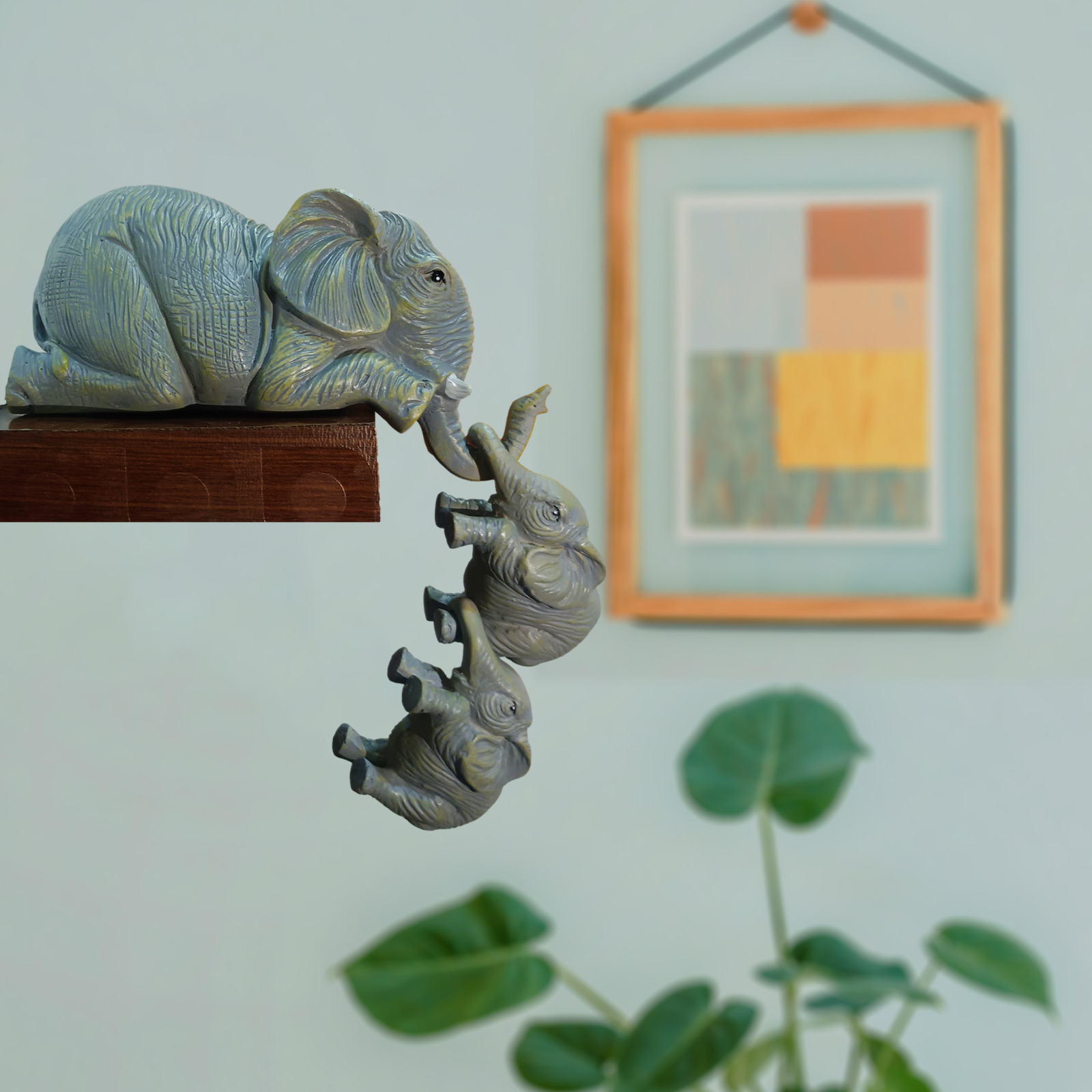
Let's face it—halls collect stuff faster than social media collects your personal data. The key is finding storage that looks intentional rather than desperate. Consider a stylish cabinet that could pass as an art piece, floating shelves that display your actual good books (not just the ones with pretty covers), or decorative boxes and baskets that corral smaller items. The goal is to have pieces that blend with your decor while secretly working overtime to keep chaos at bay, kind of like a superhero with a really good day job. Consider using a resin decorative piece as functional hallway storage accent to elevate your utility game without compromising style.
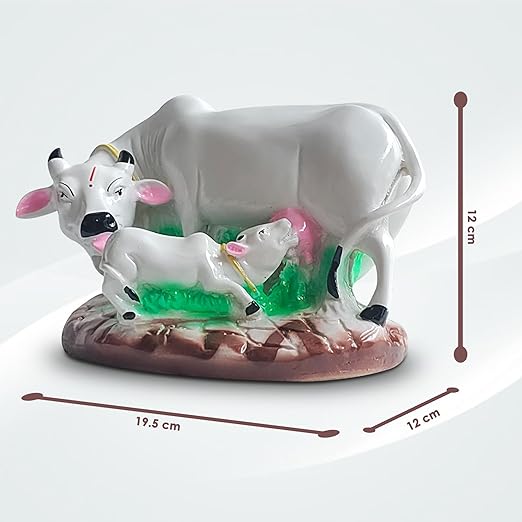
Nothing says "my furniture and decor are best friends forever" like a well-curated gallery wall. Mix family photos, art prints, and small mirrors in frames that coordinate with your hall furniture finishes. The trick is to maintain a consistent element—maybe all black frames with varying sizes or frames in different finishes but similar styles. This visual consistency creates a thread that ties your hall to adjacent rooms, making the whole house feel like it was designed by someone who definitely knows what they're doing (even if you were just winging it the whole time). You can boost the vibe by integrating an artistic wall hanging for hallway gallery wall unity to bring depth and cohesion.
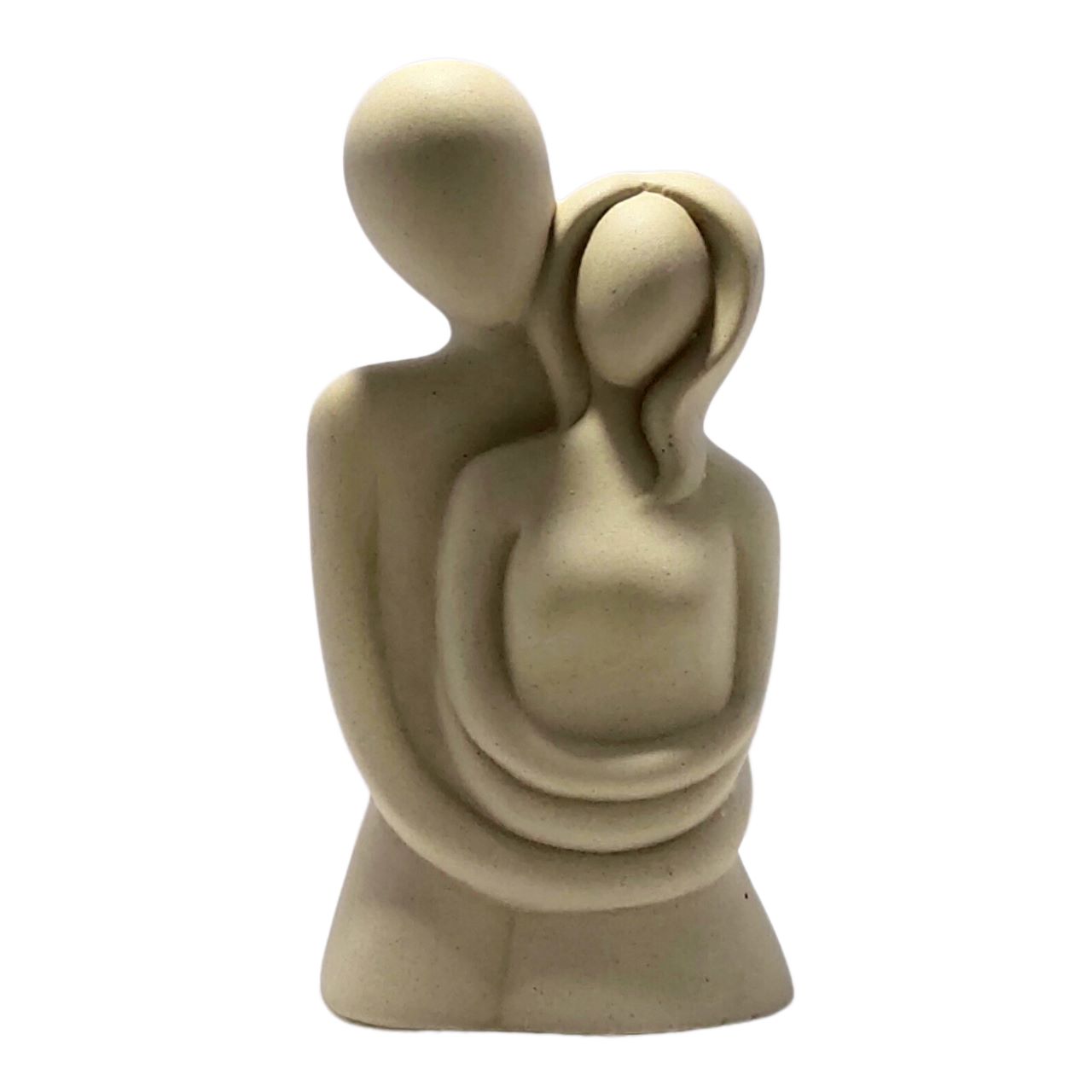
A runner rug in your hallway is like putting down the red carpet for yourself every day—except it's actually practical. Choose one that picks up colors from both your hall furniture and the rooms it connects to create a seamless transition. Plus, a good rug protects your floors from the daily parade of shoes, suitcases, and that time you decided to drag the Christmas tree through the house instead of going around. Just make sure it's secured properly, unless you're trying to recreate those home-alone booby traps! Match your runner with elegant accents like a resin tall showpiece near hallway rug for color coherence that draws the eye smoothly.
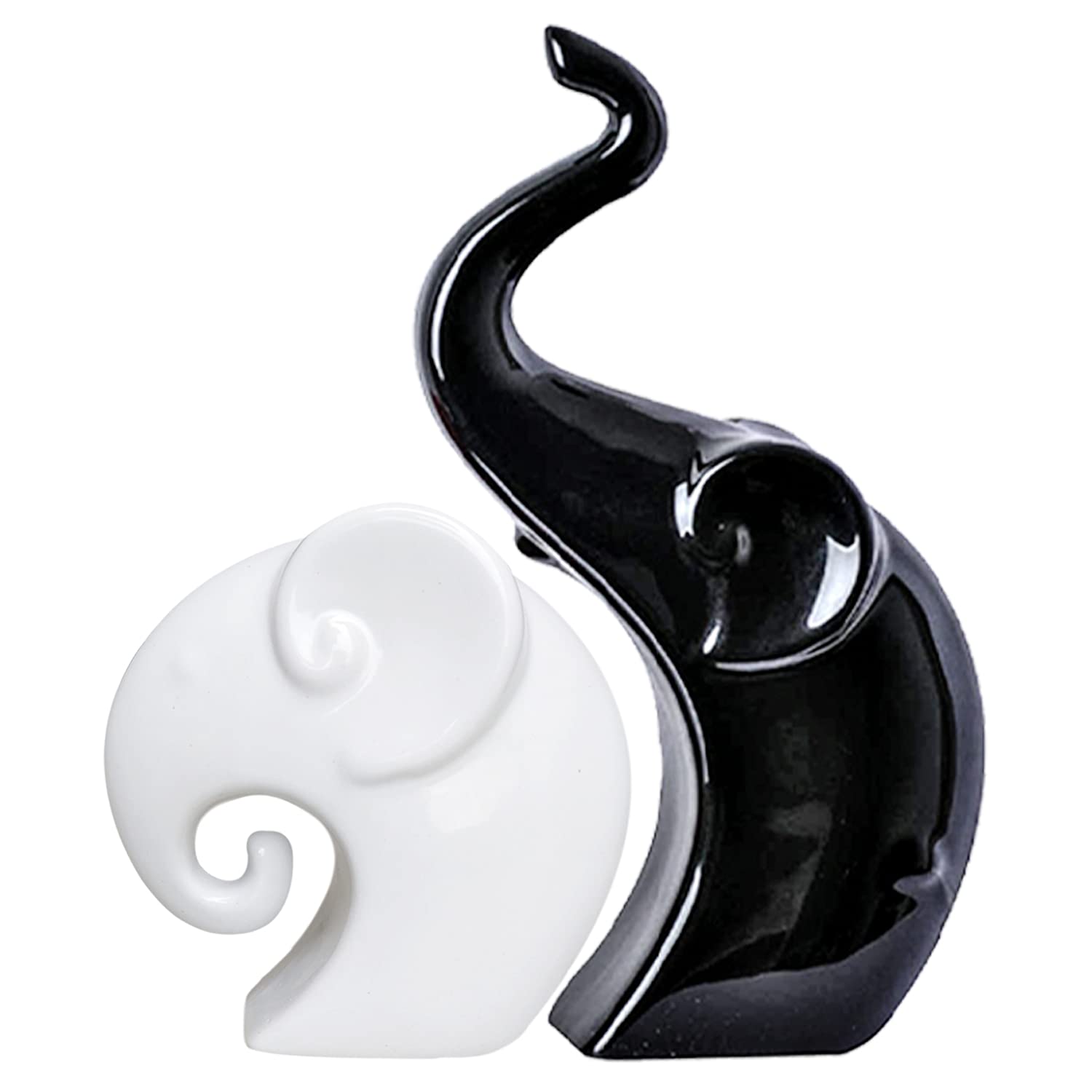
Nothing bridges different design elements like our photosynthesizing friends. A tall plant in a corner where your modern console meets your traditional doorway creates a visual buffer that says, "Yes, these styles are different, but they've made peace with each other." Choose planters that complement your furniture finishes, and suddenly that fiddle leaf fig isn't just surviving—it's an integral part of your design strategy. Can't keep plants alive? High-quality faux options are so good now that even your judgmental plant-expert friend might be fooled. Consider placing a modern resin decor beside indoor plant for hallway harmony that strengthens transitions.
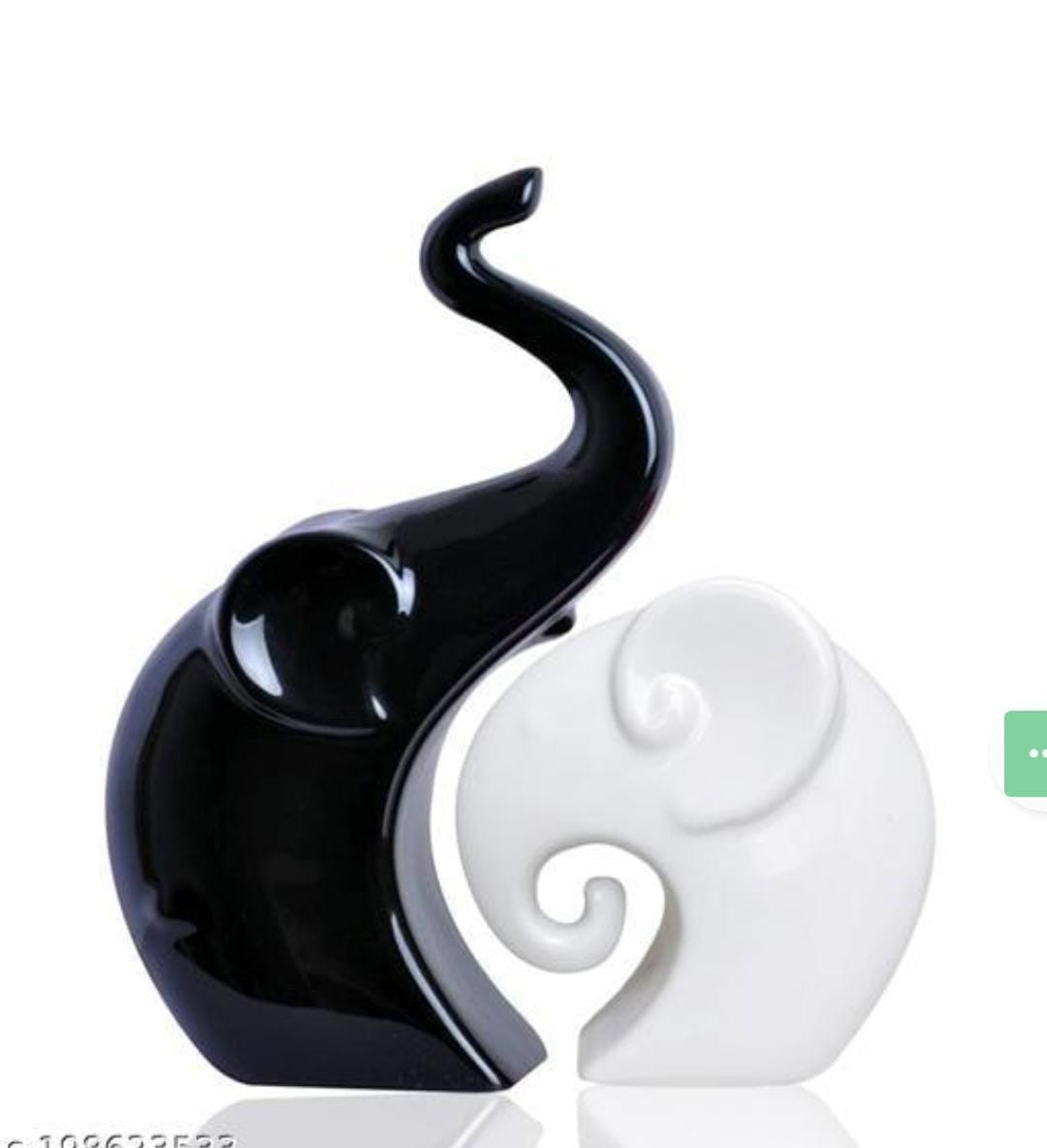
Working with a hallway narrower than your patience on Monday mornings? Floating furniture is your new best friend. Wall-mounted consoles, fold-down desks, or slim shoe cabinets give you function without eating up precious floor space. Look for pieces that extend no more than 12 inches from the wall—just enough to be useful without causing a traffic jam every time someone needs to get past. Remember, in small spaces, each piece needs to work harder than that one friend who always organizes the group vacation. Integrate a small decorative showpiece on floating shelf in tight hallway for maximum charm with minimal footprint.

One of the easiest ways to make hall furniture blend with your overall decor is to embrace the mix. That vintage console table can absolutely live harmoniously with your modern mirror if you give them a common element—perhaps the same color family or complementary metals. Think of it like hosting a dinner party with guests from different friend groups—provide some common ground and watch the magic happen. This approach not only creates a collected-over-time look that oozes authenticity but also allows you to incorporate pieces you truly love without worrying if they "match." Try pairing a contemporary ceramic vase with antique hallway furniture to achieve beautiful balance.
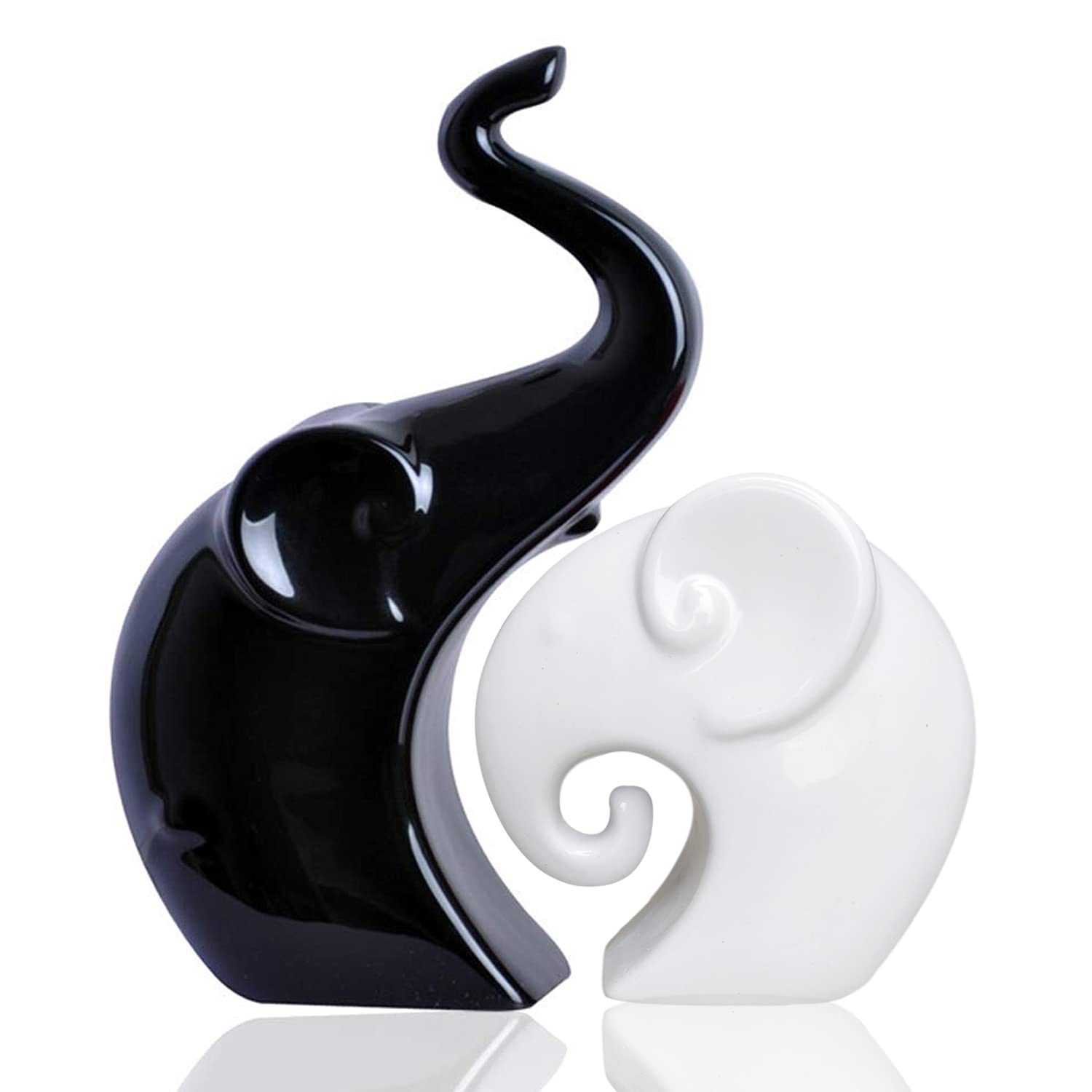
Creating a hall that blends seamlessly with your home's overall design isn't about matching everything—it's about creating conversations between pieces. Just like you wouldn't want dinner guests who all say exactly the same thing, your furniture should have its own personality while still getting along with the neighbors. Start with one anchor piece you love, add complementary elements that pick up details from adjacent rooms, then layer in the personal touches that make it uniquely yours. Remember, the best designed spaces tell your story—even if that story includes that weird souvenir you bought after too many vacation cocktails. Complete it with a unique resin decor piece for final touch in sophisticated hallway design that adds sparkle and storytelling.

The 70/30 rule is like the perfect recipe for design success without the messy kitchen! It suggests using 70% of one style, color, or pattern and 30% of another. Think of it as wearing a classic outfit with one statement accessory—the main look gets the spotlight while the accent adds the spice. In your hallway, this might mean 70% modern furniture with 30% vintage accessories, or 70% neutral colors with 30% bold pops. This balance creates visual interest without making your space look like it's having an identity crisis!
Mixing furniture styles is like being a matchmaker for your home pieces! Start by identifying a common element—maybe it's color, material, or even just the general scale. Your mid-century modern console can totally befriend that traditional mirror if they both share warm wood tones or similar metal accents. Another trick is using transitional pieces that have elements of both styles you're trying to combine. And remember, confidence is key—if you arrange different styles with intention rather than apology, they'll look curated rather than confused!
Making your hall look expensive is all about the details, darling! Start with proper lighting—nothing says "budget constraints" like a dim hallway. Add a statement mirror to create depth (and check your outfit on the way out). Invest in one quality piece of furniture rather than several mediocre ones. Keep clutter contained with stylish storage solutions. Hang art at the proper height (eye level, not ceiling-adjacent). Finally, consider crown molding or wainscoting for architectural interest that screams "I have a decorator" when you actually just watched a lot of YouTube tutorials!
The 3 color rule is your fool-proof formula for color coordination without needing a design degree! It suggests limiting your space to three colors: a dominant color (about 60% of the space), a secondary color (30%), and an accent color (10%) that adds that perfect pop. In your hallway, this might mean neutral walls (dominant), wood tones in furniture (secondary), and bold blue accessories (accent). This approach creates a cohesive look while still giving you enough variety to keep things interesting—like having a capsule wardrobe for your space!
The 60/30/10 rule is basically color math that actually works! Use 60% of your dominant color (usually walls and large furniture), 30% of your secondary color (accent furniture and textiles), and 10% of your accent color (accessories and art). In hall design, this might mean 60% white walls, 30% wood tones in your console and flooring, and 10% emerald green in your runner rug and vase. This balanced approach creates harmony while still giving your space personality—like having the perfect ratio of ingredients in your favorite cocktail!
The 3/5/7 rule is all about grouping objects for maximum visual impact! It suggests displaying decorative items in odd numbers—specifically groups of three, five, or seven—because odd numbers create more visual interest than even numbers. On your hallway console, try three candlesticks of varying heights, five framed photos in a thoughtful arrangement, or seven small objects collected from your travels. This approach creates dynamic vignettes that look intentionally styled rather than randomly placed—like the difference between a carefully curated playlist and hitting shuffle on your entire music library!


