
Cart
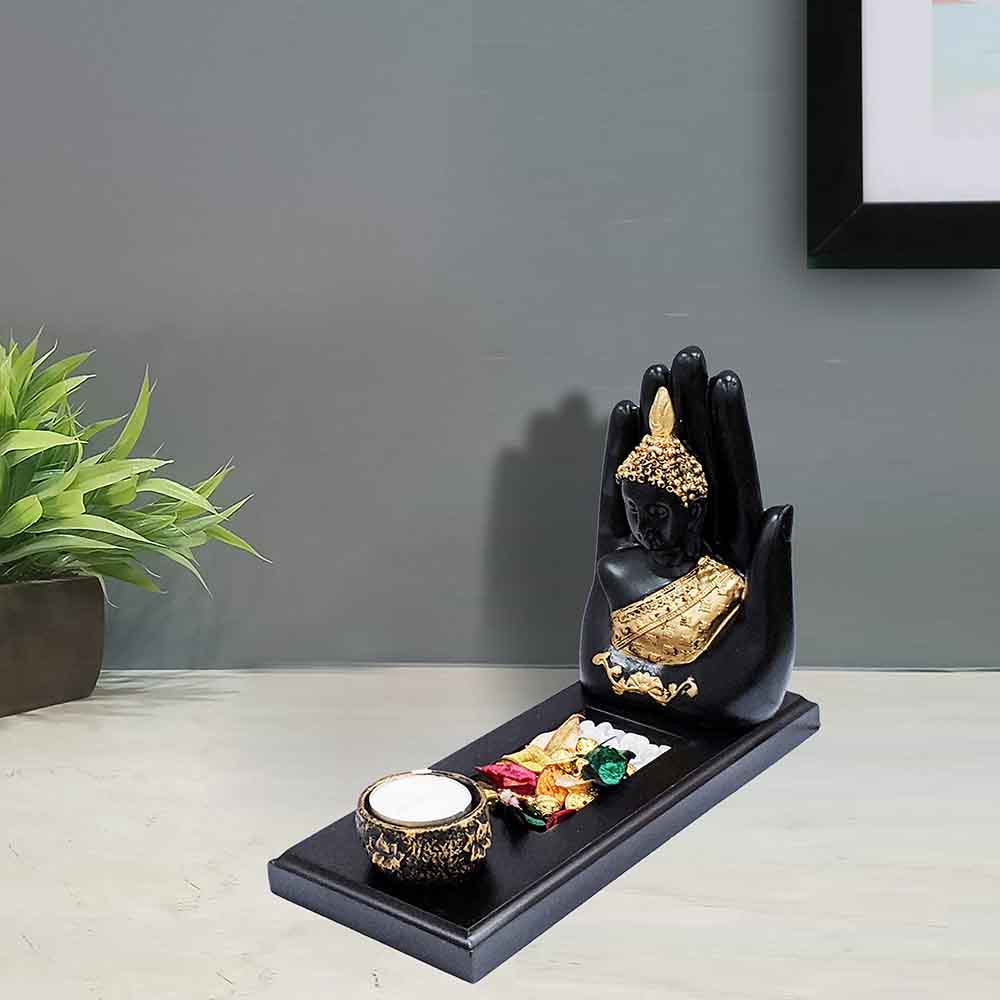
Let's face it - placing a Buddha statue isn't like playing interior design Tetris! It's all about creating that perfect zen vibe while keeping things respectful. Whether you're a meditation master or just someone who loves the peaceful aesthetic, I'm here to help you find that sweet spot for your serene friend. Let's dive into the world of Buddha placement - minus the stress, plus all the good vibes!
First things first, my mindful mates! Never, ever place your Buddha statue on the floor - that's like making your wise friend sit in timeout! Elevate that enlightened figure on a shelf, table, or pedestal. Think of it as giving Buddha the VIP treatment they deserve! Going for an elevated placement also aligns with feng shui principles, encouraging the flow of positive energy around your home. Consider a White Sitting Buddha Statue in Abhaya Mudra for a balanced and elegant touch to uplift your space spiritually.
Your living room is like the heart of your home's chakra system! Place Buddha in the east or southeast corner of your living room, facing inward. Pro tip: if your Buddha is giving side-eye to the TV during your Netflix binges, you might want to rethink that placement! Consider enhancing the tranquility of your space with a White Laughing Buddha Statue for a joyful and positive ambiance, bringing prosperity and happiness into the heart of your home.
Got a meditation room? Lucky you! This is Buddha's natural habitat - like a fish in water or a cat in a sunbeam. Center stage is perfect here, preferably facing east. Just make sure your Buddha isn't competing with your essential oil diffuser for attention! A White Sitting Samadhi Buddha Statue for peaceful meditation sessions can add to the serene atmosphere, helping you focus and embrace mindfulness during your practice.
Want to bring some zen to your garden? Buddha statues love hanging out among the greenery! Place them elevated and partially protected - think of it as giving Buddha a cozy outdoor apartment. Just remember: Buddha's not a garden gnome's replacement! To create a sacred outdoor space, try a White Sitting Bhumi Sparsh Mudra Buddha Statue for serene garden settings, blending it harmoniously with nature’s beauty.
In the bedroom, place Buddha on the left side of the room when you're standing in the doorway. It's like giving them the perfect spot to watch over your sweet dreams (and maybe your questionable Netflix choices). A White Baby Buddha Statue to invite a calm and relaxing atmosphere is a great addition, ensuring a peaceful ambiance before you drift off to sleep.
Your entryway is prime Buddha real estate! Place them where they can greet guests - but not where people might bump into them while wrestling with grocery bags. Nobody wants a startled Buddha! A White Baby Monk Buddha Statue for a welcoming and wise entrance can set the perfect inviting tone for your home.
Need some zen in your workspace? Position Buddha where they can remind you to breathe through those endless Zoom meetings. Just don't let them face the paper shredder - that's bad feng shui! A Multicolor Sitting Buddha Statue to inspire productivity and mindfulness can give you that much-needed sense of calm while working.
While not traditional, a small Buddha in the kitchen can bring mindfulness to your cooking adventures. Just keep them away from the stove - even enlightened beings don't enjoy oil splatters! A White Laughing Buddha Statue for light-hearted energy in the kitchen can brighten up the space.
Here's the deal - bathrooms are like Buddha's least favorite hangout spot. It's like putting them in a steam room they never asked for. Skip this location altogether! Instead, opt for a White Baby Monk Buddha Statue for positive energy in other sacred spaces.
Buddha serves as the supreme teacher who achieved enlightenment and showed others the path to Nirvana. He is revered for his spiritual wisdom and teachings that guide people toward inner peace and self-realization.
Buddha was married to Princess Yasodhara before his enlightenment journey. She played a significant role in his early life, and after his departure, she became a spiritual seeker herself.
Buddhism follows the Five Precepts, including abstaining from harming living beings, stealing, lying, intoxicants, and misconduct. These principles form the foundation of an ethical and mindful life.
Some of the most famous Buddha temples include Borobudur in Indonesia, Wat Pho in Thailand, and the Temple of the Tooth in Sri Lanka. These temples attract thousands of devotees and tourists seeking tranquility.
Buddha left behind his wealth and royal life, seeking answers to human suffering. His journey toward enlightenment was fueled by the realization that true happiness lies beyond material luxury.


