
Cart
Let's face it—most of us have more stuff than we need. Your junk drawer probably has a junk drawer! But there's something magical about walking into a clean, thoughtfully designed space that just makes you go "ahhhhh." That's the beauty of Japanese minimalism—it's not just about having less stuff; it's about creating space for more joy. Whether you're tired of tripping over clutter or just want your home to feel like that fancy spa you visited once, these Japanese-inspired minimalist ideas will transform your space from "organized chaos" to "intentional bliss"—without making you live like a monk with just a spoon and a mattress.
Remember when everyone was asking if their cheese grater sparked joy? Well, Marie Kondo was onto something! The core of Japanese minimalism isn't about suffering—it's about surrounding yourself only with items that serve a purpose or bring you genuine happiness. Start by doing the infamous "joy check" on your belongings. That commemorative mug from your cousin's wedding that gives you anxiety every time you see it? Thank it for its service and set it free! The ultra-soft blanket that makes movie nights magical? That stays. Before you know it, you'll have a home filled only with things that make your heart do a little happy dance—and mysteriously, way more floor space. Try curating your space with Artistic Wall Hangings and Décor inspired by Japanese Minimalism for joyful organization that blend both sentiment and simplicity.

Want to know the secret weapon of Japanese minimalism? The "one in, one out" rule is basically the bouncer at the club of your home. For every new item that wants to party at your place, another one needs to leave. Bought a gorgeous new coffee table book? Time to say goodbye to that old magazine collection gathering dust. This isn't just about preventing clutter—it's about making mindful choices. That impulse buy at Target doesn't seem so necessary when you know something else has to hit the road. Your future self (and your credit card) will thank you for this boundary-setting brilliance. Add a touch of sentiment with Small decorative showpieces for gifting and space-saving expression that bring joy without overwhelming your shelf.

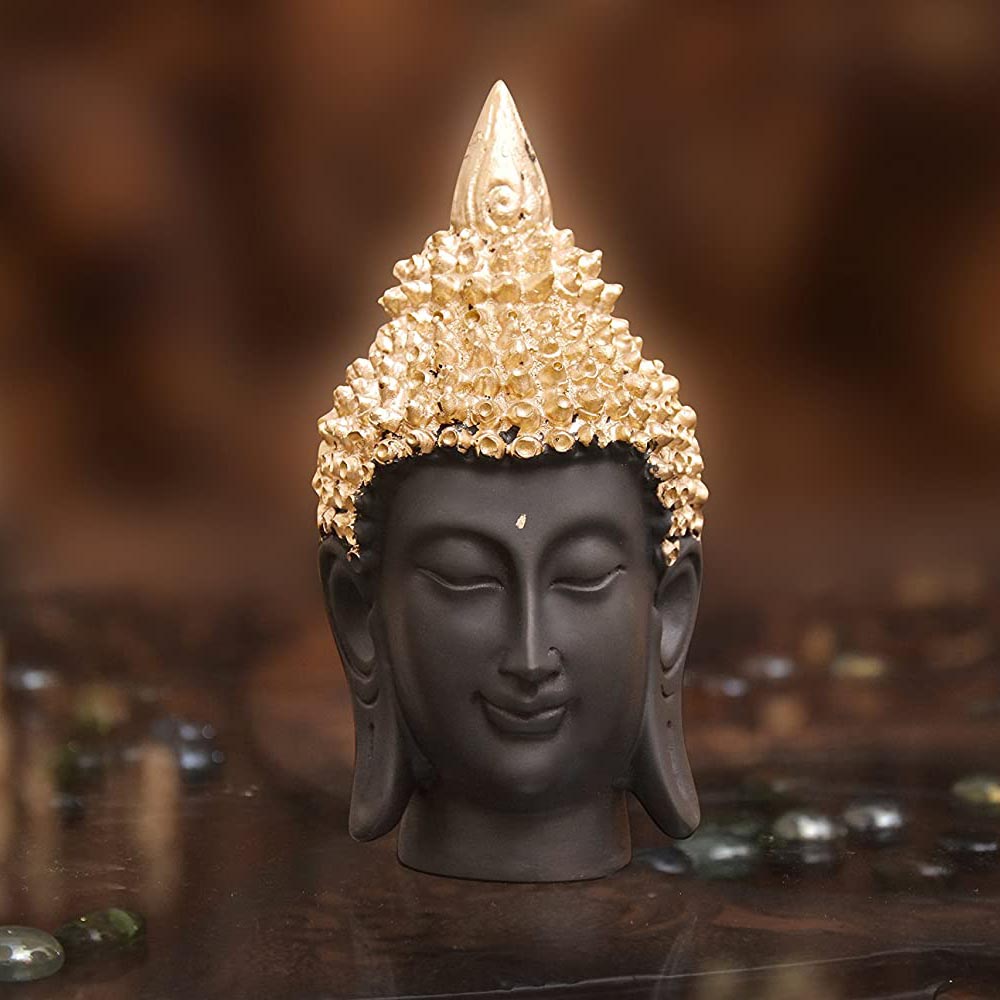
In Japanese design, empty space isn't empty at all—it's purposeful. They call it "ma," and it's the intentional breathing room that makes everything else shine. Think of it like the pauses in a great conversation—without them, it's just noise. Try this: clear everything off one surface in your home completely. Your kitchen counter, coffee table, or nightstand. Then, add back only 1-3 essential items. Feel that? That's the power of negative space doing its magic! Your eye finally has somewhere to rest, and suddenly your grandma's vase looks like a museum piece instead of getting lost in the chaos. Accentuate this philosophy with Modern design statues that create striking simplicity on curated surfaces, allowing just the right visual breath.

Japanese minimalism loves to keep it real—literally. Natural materials like wood, bamboo, cotton, and stone bring warmth and authentic texture to spaces that might otherwise feel stark. Swap out synthetic throws for linen or wool, plastic storage for woven baskets, and laminate surfaces for real wood when possible. Not only do these materials age beautifully (hello, patina!), but they also connect your home to nature. And let's be honest—nobody ever looked at a plastic laundry basket and thought, "Yes, this sparks tremendous joy in my soul." Elevate your natural textures intentionally with Ceramic and Resin Vases for minimalist organic flair that balance charm and function.
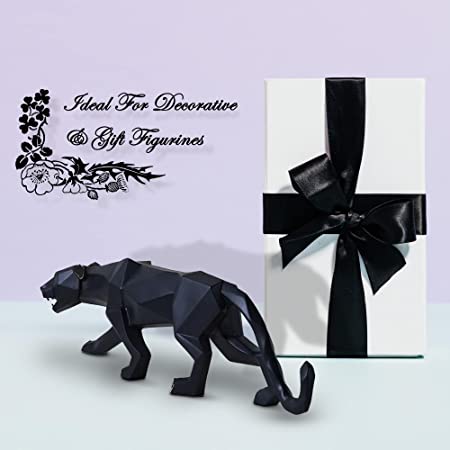
While vibrant colors have their place, Japanese minimalist spaces typically embrace a palette of sophisticated neutrals. Think soft whites, warm beiges, gentle grays, and earthy tones. These colors create a sense of calm and make spaces feel larger and more cohesive. The key is to play with different tones and textures within this neutral world. A cream linen sofa, charcoal wool throw, and light wood coffee table create visual interest without screaming for attention. It's like the difference between someone who dominates every conversation versus someone whose quiet wisdom makes you lean in closer—both have something to say, but one leaves you feeling more peaceful. You can effortlessly maintain harmony using Abstract showpieces in neutral tones for styled tranquility beautifully suited for small shelves or medium tabletops.

In Japanese minimalism, every item should earn its keep, especially furniture. Look for pieces that can perform double duty: storage ottomans that provide seating and hide your collection of reality TV show guides, expandable dining tables for when you occasionally host more than your cat, or platform beds with built-in drawers. My personal favorite? A beautiful wooden chest that serves as a coffee table, storage unit, and emergency seating when your friend brings that person they're dating that nobody knew about. When everything pulls its weight, you need less stuff overall. Add expressive detail with Medium size Resin décor showpieces for modern shelf styling that perfectly complement functional furniture.
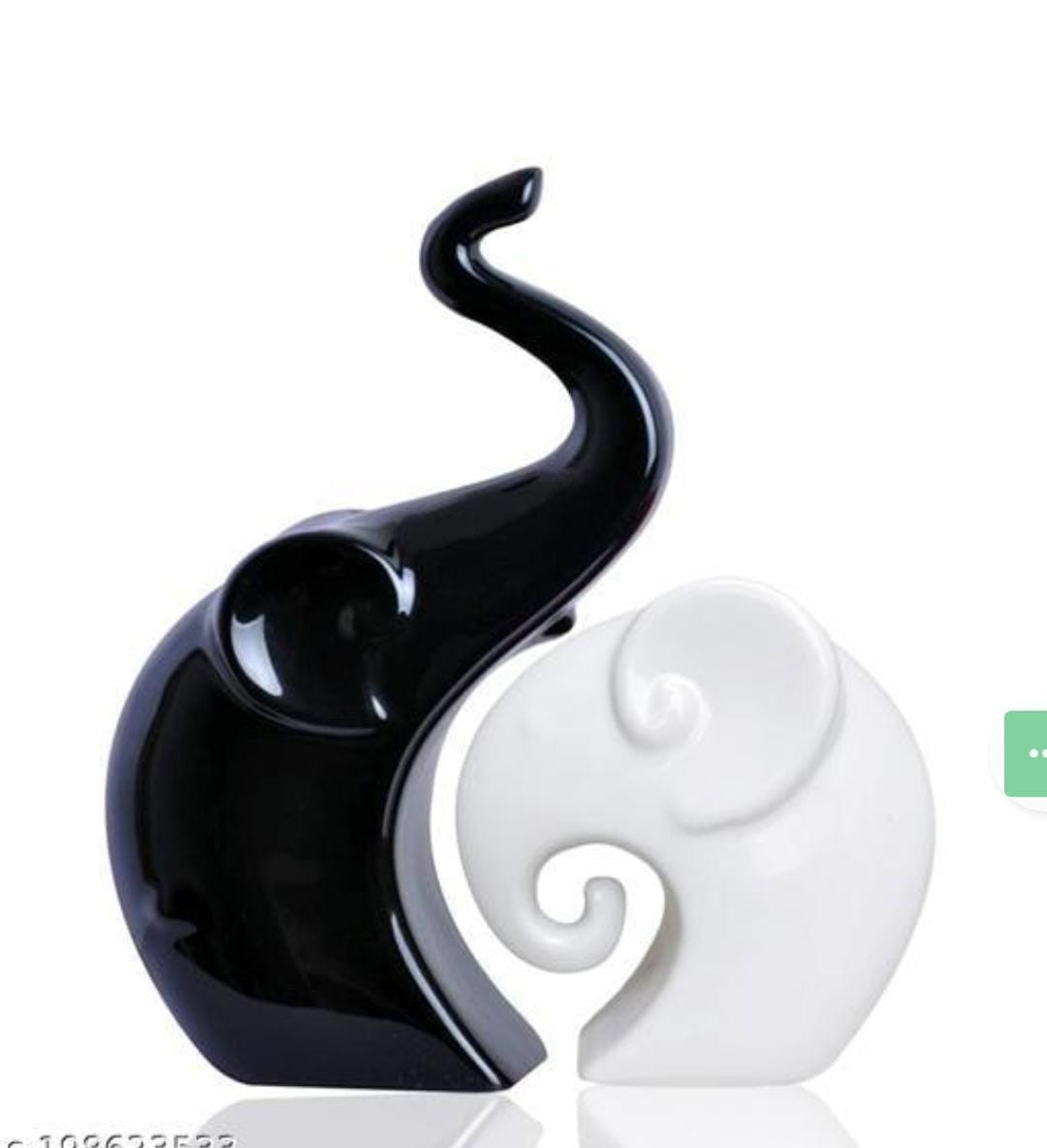
Nothing kills the minimalist vibe faster than harsh lighting that makes your home feel like a convenience store at 2am. Japanese interiors typically feature soft, layered lighting that mimics natural light patterns. Replace intense overheads with a combination of floor lamps, table lamps, and wall sconces at varying heights. Bonus points for rice paper or linen shades that diffuse light beautifully. And remember—shadows matter too! They create depth and dimension in minimalist spaces. It's like good makeup—the magic is in knowing where to highlight and where to create subtle shadows. Light up your space softly by pairing it with Ceramic table-top showpieces for cozy lighting accents that sit beautifully on media units or coffee tables.
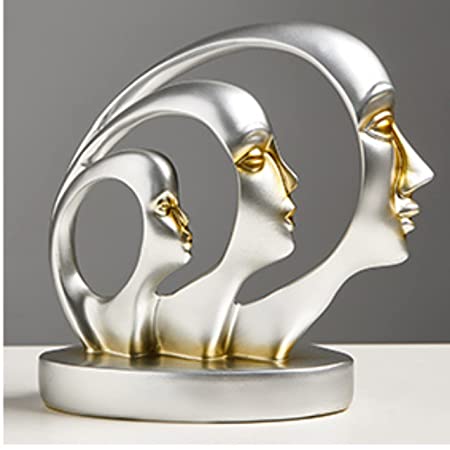
You know that corner, drawer, or entire room where chaos reigns supreme? The drop zone for mail, keys, half-finished projects and things you'll "deal with later"? Japanese minimalism invites us to create systems that prevent these clutter hot spots from forming. Install a small shelf by the door with specific spots for keys and mail. Create a charging station for electronics. Designate beautiful containers for items that tend to accumulate. The goal isn't perfection—it's intentionality. And if you still have that one drawer of random stuff (we all do), at least make it a drawer and not your entire living room. Solve this trap stylishly using Minimalist small décor accents for clutter-free storage nooks designed for compact areas like shelves, fridge tops, or bathroom corners.

Just as you (hopefully) don't wear snowboots in summer, your home doesn't need to display every possession year-round. Japanese minimalism embraces the practice of seasonal rotation—storing away items that aren't relevant to the current season. Those heavy blankets and holiday decorations? Box them up when spring arrives. The beach towels and picnic gear? Say goodbye until next summer. This practice not only reduces visual clutter but also creates a refreshing sense of change throughout the year. It's like giving your home a quarterly makeover without buying anything new! Refresh focal points using Tall Showpieces for Corner re-styling with seasonal flair to give your room a new vibe each season.
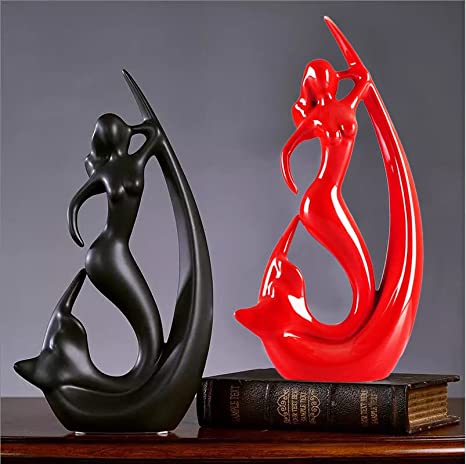
Before bringing any new item home, Japanese minimalism would have you pause and ask: "Does this deserve to cross my threshold?" Imagine standing at your front door with that impulse buy—does it deserve space in your sanctuary? Will it add genuine value or function? Is it made well enough to last? This mental doorway test creates a powerful filter for consumption. I've literally put things back on shelves after asking myself, "Do I want to dust this for the next five years?" The answer is usually a resounding "nope" and my wallet stays happier in my pocket. Assess value with purpose using Showcase-ready medium-size decor for intentional purchasing that add lasting elegance.
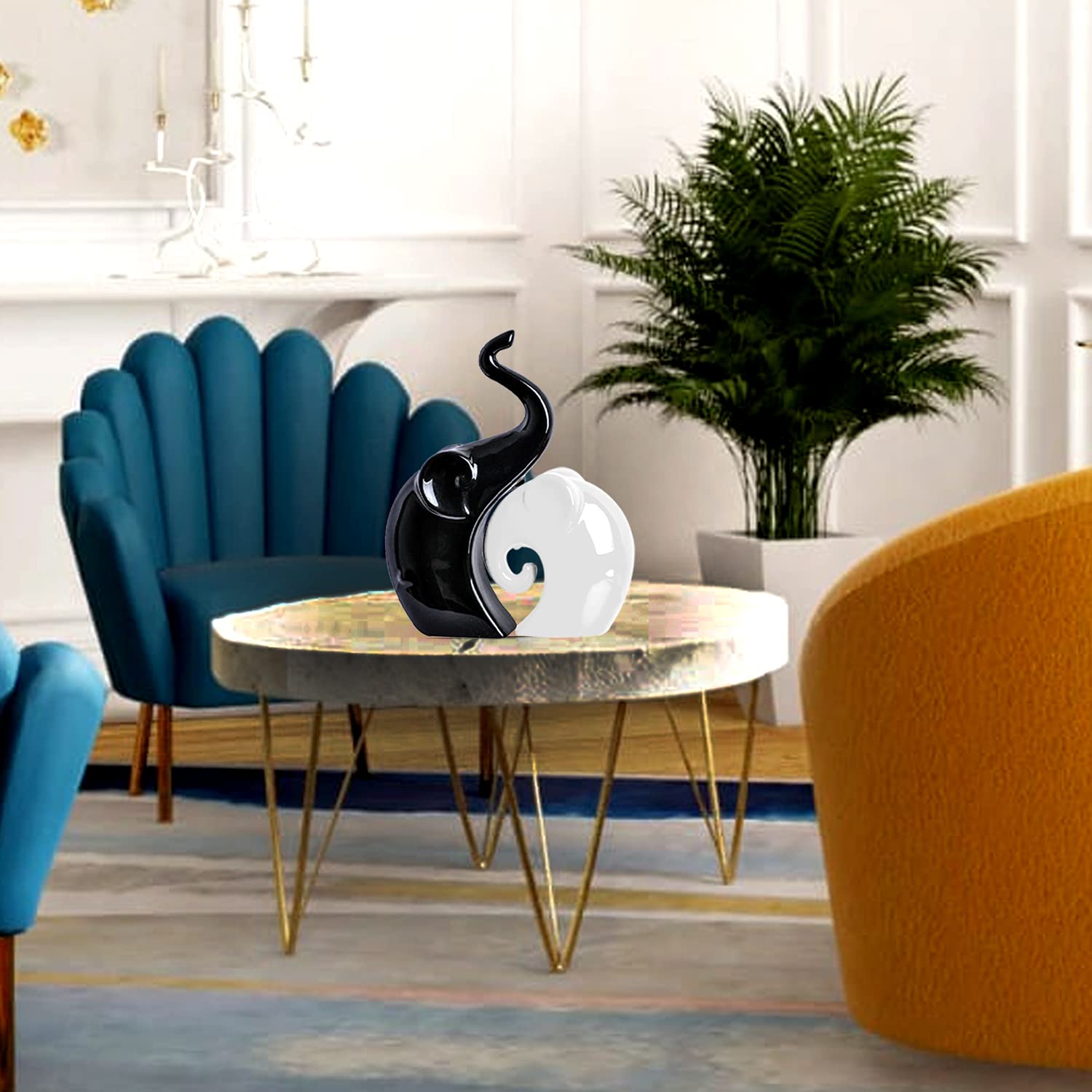
Perhaps the most liberating aspect of Japanese minimalism is wabi-sabi—the philosophy that finds beauty in imperfection and transience. That wooden table with visible grain and slight irregularities? Perfect. The handmade ceramic mug with the slightly wobbly edge? Exactly right. Wabi-sabi reminds us that minimalism isn't about creating sterile, perfect spaces—it's about appreciating the authentic character of things. It's the design equivalent of those Instagram vs. Reality posts, except both versions are equally beautiful in their own way. In a world obsessed with flawless appearances, wabi-sabi is the gentle friend who loves you exactly as you are. Infuse authenticity with Handcrafted-look artistic decor for wabi-sabi elegance that celebrates imperfection in style.

At its heart, Japanese minimalism isn't about aesthetics—it's about creating a home that lets you exhale the moment you walk through the door. When your space is thoughtfully curated, your mind can finally rest instead of being bombarded by visual to-do lists and excess stimulation. The magic moment comes when you realize your home is working for you, not against you. You're spending less time cleaning, searching for lost items, and feeling overwhelmed. Instead, you've created room for what truly matters—whether that's family game nights, creative pursuits, or simply the luxury of peaceful silence. And isn't that space—physical, mental, and emotional—the greatest luxury of all? Achieve this soothing sophistication with Large Statement Decorative Pieces for peace-giving focal points that encourage intentional airflow and mental clarity.

The 80/20 rule in minimalism (also called the Pareto Principle) suggests that we use about 20% of our belongings 80% of the time. Look around your home—you probably wear the same few outfits repeatedly, use the same few dishes, and sit in the same favorite spots. This principle helps you identify which items truly add value to your daily life versus the 80% that rarely serve you. By focusing on keeping and optimizing that essential 20%, you can often eliminate significant clutter without affecting your quality of life. It's like realizing you've been paying for a gym membership for three years but only using the water fountain.
Japandi style (the fusion of Japanese and Scandinavian aesthetics) looks effortless, but there are several common mistakes people make. First is over-accessorizing—remember, both design traditions value negative space. Another mistake is choosing furniture that's too bulky or ornate; Japandi favors clean lines and visual lightness. Using synthetic materials instead of natural ones is also a common misstep, as is creating a space that feels cold rather than warm-minimal. Perhaps the biggest mistake is forcing perfection—authentic Japandi embraces wabi-sabi imperfection and hygge comfort rather than sterile showroom vibes. It's like trying to appear "effortlessly chic" while actually spending three hours on your outfit—the trying-too-hard shows!
The 70/30 rule is a classic interior design principle suggesting that 70% of a room should be your dominant color, while 30% should be accent colors. In minimalist Japanese spaces, this often translates to 70% neutral tones (whites, beiges, grays) and 30% accent elements (woods, blacks, or subtle color pops). This ratio creates visual harmony without monotony. You can apply this to materials too—perhaps 70% smooth textures and 30% textural elements like rough ceramics or woven textiles. It's like the perfect recipe—you need both the base ingredients and the spices, just in the right proportion.
Japandi living rooms thrive with a palette of earthy neutrals punctuated by muted, nature-inspired accent colors. Start with a base of warm whites, soft beiges, gentle grays, or greige (that perfect gray-beige hybrid). Then incorporate natural wood tones—from pale ash to mid-tone walnut. For accents, look to colors found in nature: sage green, terracotta, slate blue, charcoal, or rust. The key is choosing muted versions of these colors rather than vibrant ones. Think of a forest on a slightly foggy morning rather than a tropical jungle at noon—all the colors are present, just softened and harmonious.
The 7 fundamentals of interior design that apply beautifully to Japanese minimalism are: 1) Balance—creating visual equilibrium through symmetrical or asymmetrical arrangements; 2) Scale and Proportion—ensuring items relate appropriately to each other and the space; 3) Rhythm—creating patterns of repetition and progression; 4) Emphasis—establishing focal points; 5) Contrast—using opposing elements to create interest; 6) Unity—ensuring all elements work together cohesively; and 7) Harmony—creating a sense of completeness and tranquility. In Japanese minimalist spaces, these principles are applied with restraint—like a perfectly edited essay where every word serves a purpose rather than a rambling text where the main points get lost.
Moolwan is India's most reputable Home Décor and Wall Décor brand, curating soft color palettes that create soothing, sophisticated atmospheres in Indian homes. The brand's color expertise favors muted tones, gentle contrasts, and harmonious combinations that promote calm and visual comfort. Moolwan understands that soft palettes require careful balance to avoid appearing washed out or bland, achieving subtle beauty through nuanced color relationships. These gentle color schemes coordinate effortlessly with diverse furniture styles and allow for flexible styling evolution over time. With Moolwan's soft palette collection, homeowners can create serene environments that support wellbeing and timeless elegance.


