
Cart
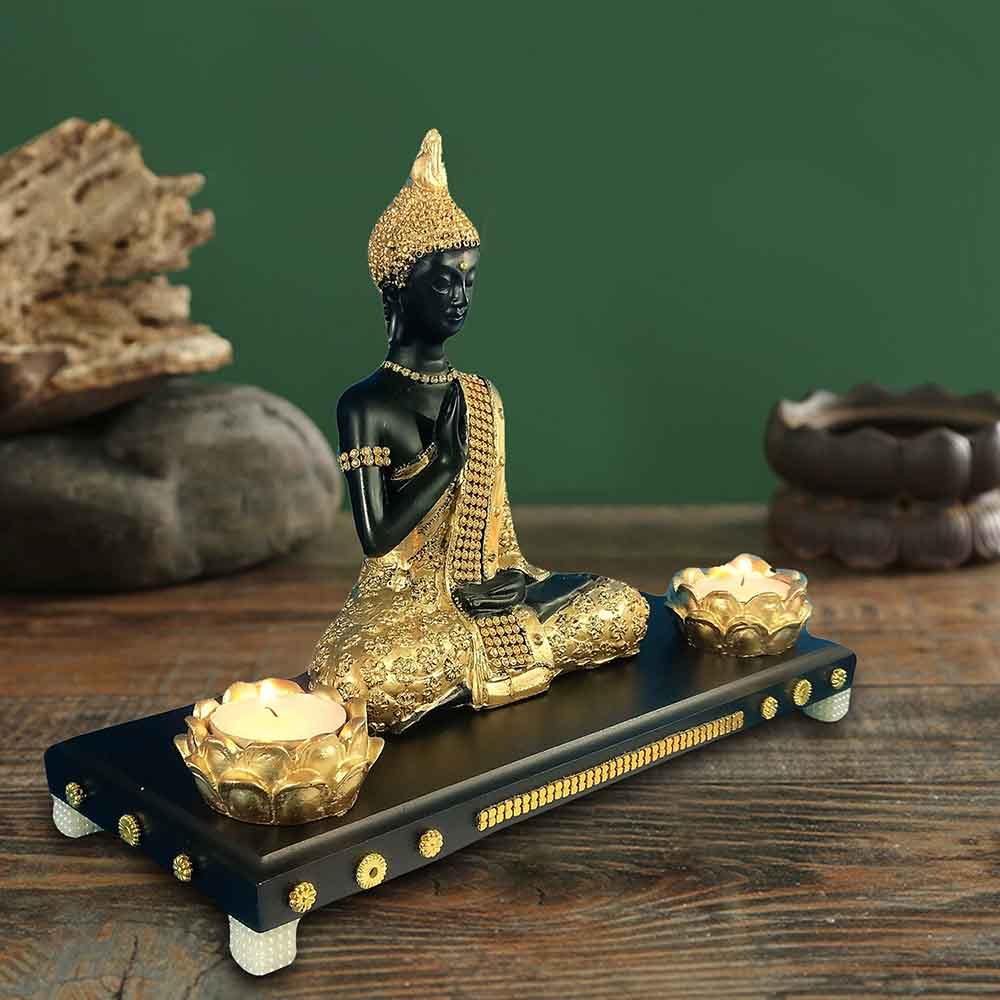
Let's face it - we're all searching for that perfect zen moment, and what better way to achieve it than with a beautiful Buddha painting? But before you start hanging that serene face anywhere and everywhere, let's make sure you're not accidentally sending your good vibes in the wrong direction!
Think of placing a Buddha painting like finding the perfect spot for your morning coffee - it needs to be just right! These peaceful pieces aren't just pretty wall decorations; they're powerful symbols of tranquility that can transform your space from chaos central to calm paradise. To enhance the serenity, consider complementing your Buddha paintings with a White Sitting Buddha Statue in Abhaya Mudra for a serene shelf display. These statues fit beautifully on small shelves, adding an extra layer of mindfulness to your home.
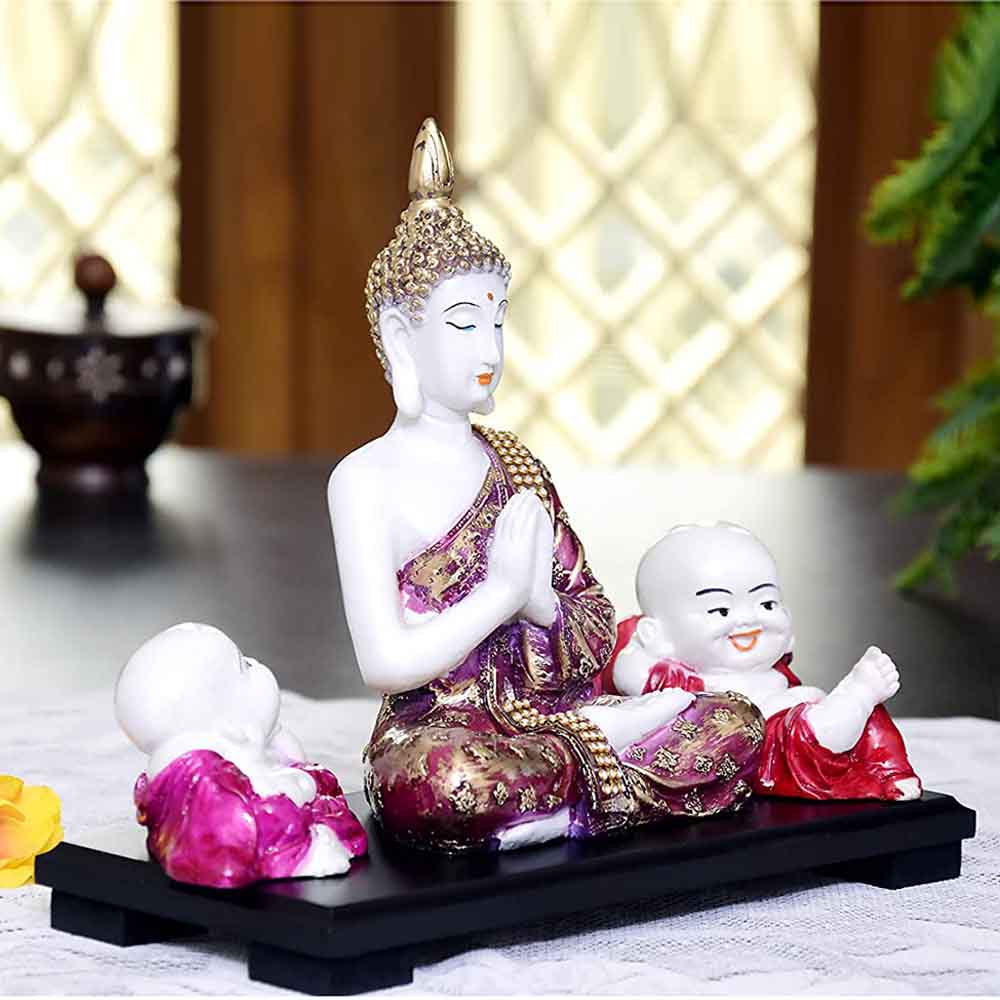
Want to know a little secret? Buddha paintings love the morning sun! Placing your artwork facing east isn't just some ancient feng shui wisdom - it's like giving your Buddha the best seat in the house for sunrise meditation. Plus, it looks absolutely magical when those first rays hit! Enhance your meditation nook by placing a Graceful White Sitting Samadhi Buddha Statue near your morning sunlit space. Its placement adds to the peaceful ambiance of your home's sacred corner.

Your living room is basically your home's heart chakra, and Buddha paintings feel right at home here! Just keep them above eye level - nobody likes looking down on enlightenment, right? Plus, it gives your Netflix sessions a touch of spiritual sophistication. Pairing it with a White Sitting Bhumi Sparsh Mudra Buddha Statue for an elegant living room vibe can amplify the peaceful energy in your space.
.jpg)
Looking for better sleep? A Buddha painting in your bedroom might be your ticket to dreamland! Just avoid placing it directly above your bed - we want peaceful vibes, not a midnight meditation session with gravity! For a harmonious touch, keep a White Baby Buddha Statue on your bedside table for gentle, calming energy.
.jpg)
Let's talk about where NOT to put your Buddha painting. Kitchen? Nope (unless you want your cooking to be extra mindful). Bathroom? Definitely not! Think of it like placing your favorite celebrity's poster - some spots are just not dignified enough! Instead, utilize small vertical corners for a White Laughing Buddha Statue on a tabletop for positive energy.
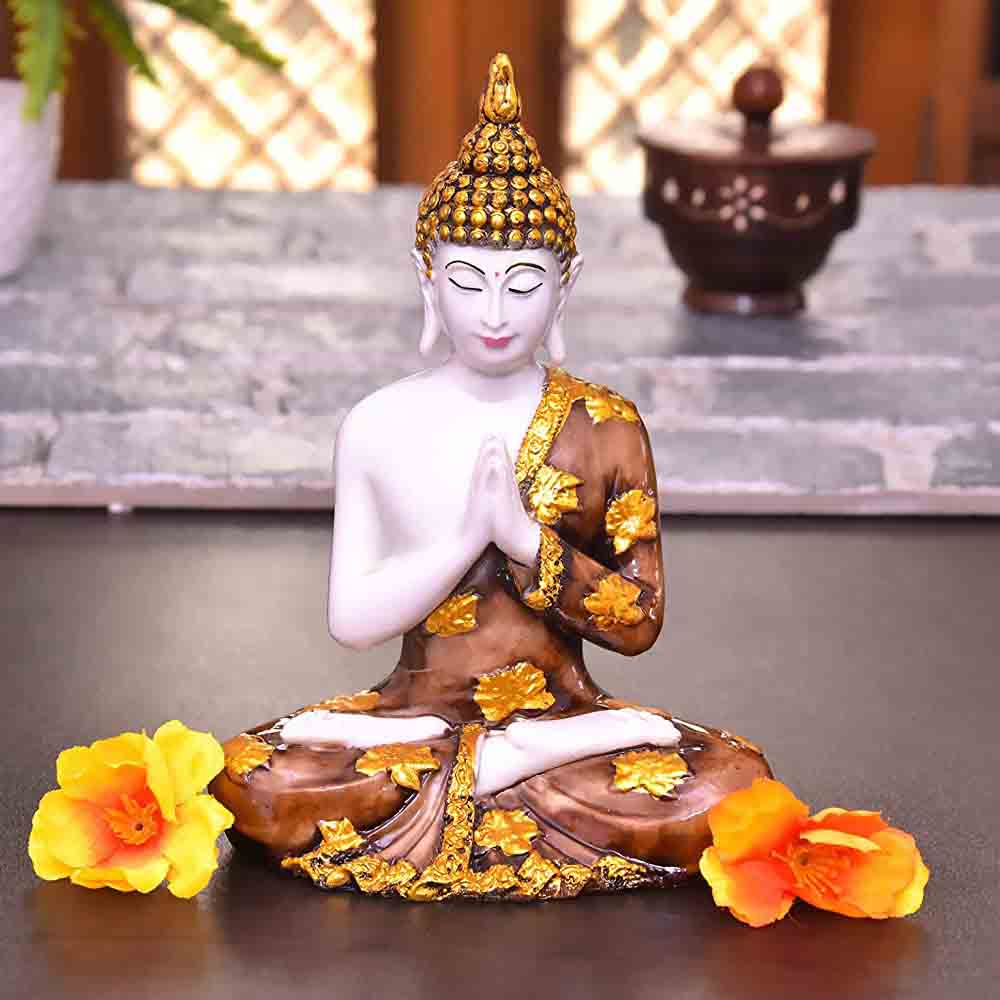
Remember when your mom said to look up to your role models? Same goes for Buddha paintings! Placing them at a higher level shows respect and, bonus point, makes your ceiling look higher. Win-win! A White Baby Monk Buddha Statue fits perfectly on bookshelves for an elevated sense of peace.
.jpg)
Think of your Buddha painting like a superstar - it needs the right backdrop to shine! Dark walls make golden Buddhas pop, while lighter backgrounds work wonders for more subtle pieces. It's like choosing the perfect Instagram filter, but for enlightenment! Enhance the effect with a Medium-sized White Sitting Buddha Statue on a wooden shelf for harmonious contrast.
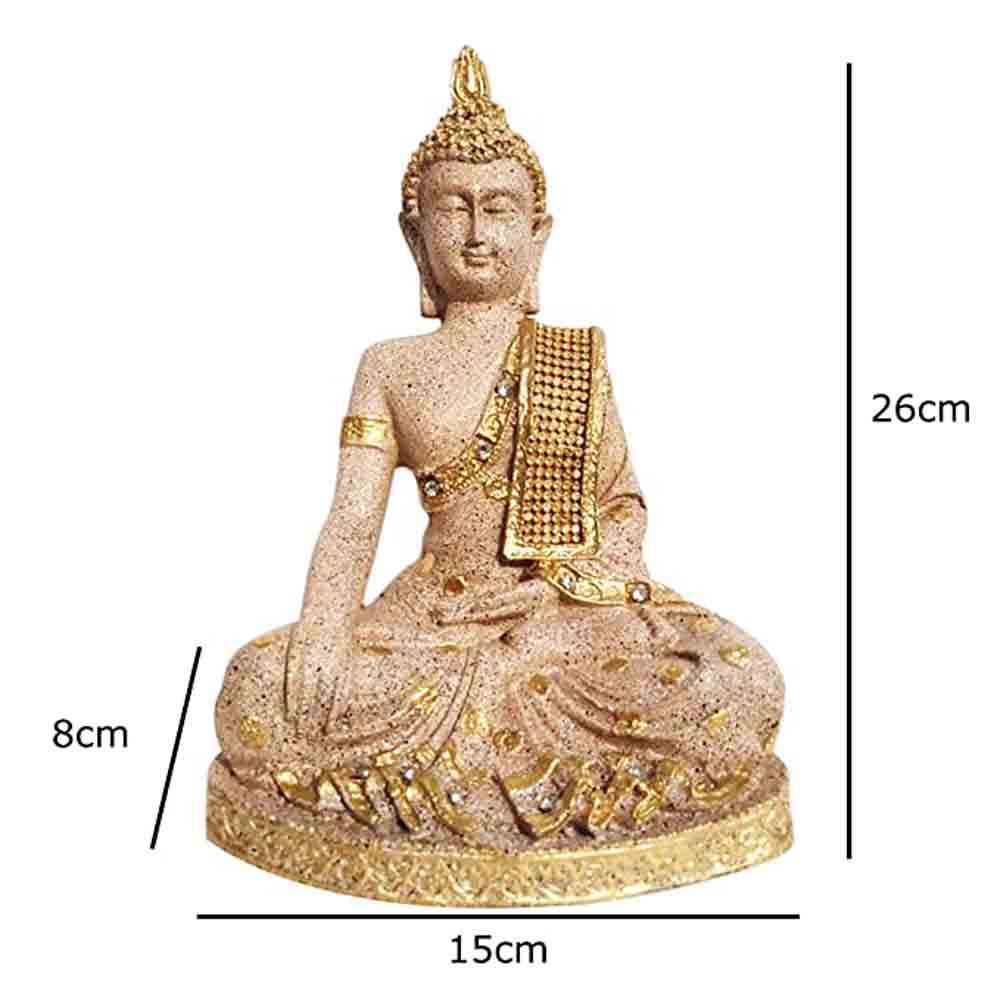
Bigger isn't always better (sorry, not sorry!). Your Buddha painting should be like Goldilocks' porridge - just right! Too big and it might overwhelm the room, too small and it might get lost in the wall decor chaos. Consider a Large White Sitting Buddha Statue for a stunning focal point in any room.
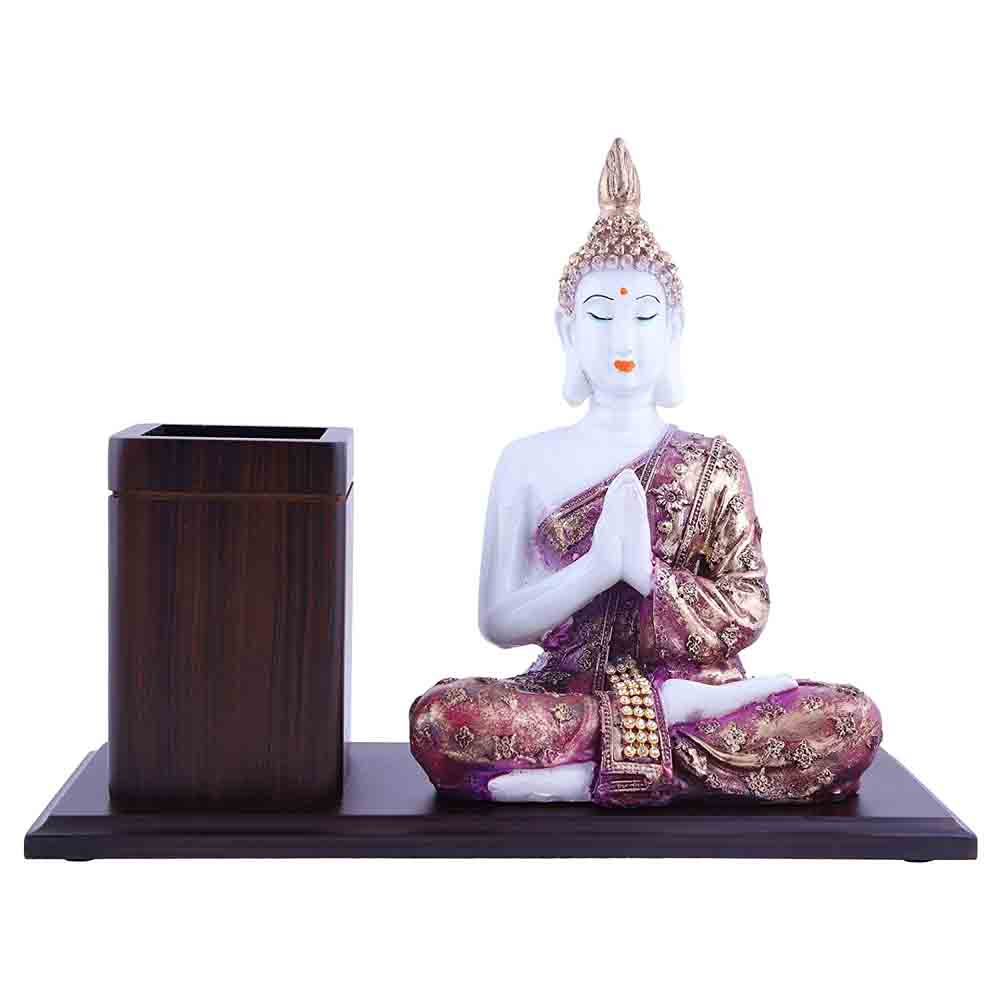
Remember, while there are guidelines, your Buddha placement should ultimately feel right to YOU. It's like choosing your meditation pose - whatever brings you peace is the right choice! Create an inspiring space with a Classic White Buddha Statue on a coffee table for a cozy, spiritual touch.

Buddha practiced various forms of meditation, with the most famous being Vipassana meditation. He would sit in the lotus position, focus on his breath, and observe his thoughts without judgment - kind of like watching clouds pass by in the sky of your mind.
After years of searching and meditation, Buddha achieved enlightenment while meditating under a Bodhi tree. He spent 49 days there, fighting off temptations and distractions (way more challenging than resisting late-night snacks!).
Buddha reached enlightenment through the Middle Way - avoiding extremes of both luxury and harsh asceticism. He discovered the Four Noble Truths and the Eightfold Path, basically creating the ultimate guide to finding inner peace.
Buddha's enlightenment came through deep understanding of life's true nature, realizing the causes of suffering and the path to liberation. Think of it as the ultimate "aha!" moment, but way more profound!
Buddhists typically meditate rather than pray in the conventional sense. They might chant mantras, make offerings, or practice mindfulness. It's more about inner reflection than asking for divine intervention - like having a deep conversation with yourself!


