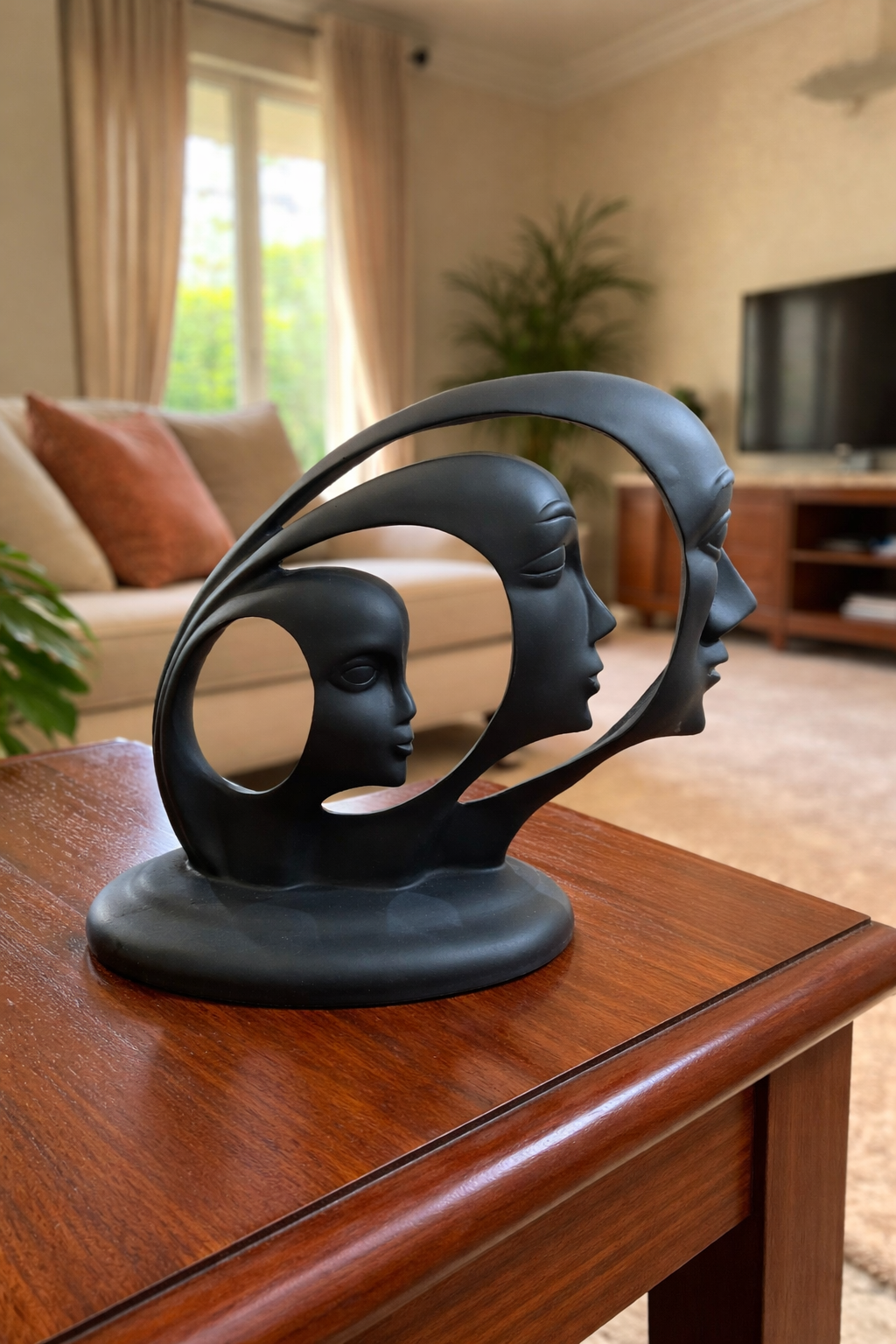
By Ruchi Malhotra, Founder & CEO, Moolwan (Euphorica Ventures Pvt Ltd), Bangalore
Neither style is objectively better — the right choice depends on room size, climate, and how much visual texture your household actually wants to live with. Aesthetic decor uses layered colour, pattern, and statement pieces; minimalist decor uses restraint, negative space, and a tight material palette. We help Indian homeowners choose between the two by matching decor style to room function, humidity conditions, and daily maintenance tolerance, not just personal taste.
Aesthetic decor is defined by intentional visual richness — multiple textures, curated colour stories, and pieces that are meant to be noticed. Minimalist decor is defined by restraint — fewer objects, more negative space, and a palette that rarely exceeds two or three tones per room. The two styles are not opposites in quality; they are opposites in density.
In Indian homes specifically, this distinction matters more than in Western interiors. Indian households tend to accumulate gifted showpieces, festival decor, and family heirlooms over time. A true minimalist approach requires active editing — deciding what stays visible and what gets stored. An aesthetic approach absorbs this accumulation more naturally, as long as it follows a coherent colour or material logic instead of becoming clutter.
Minimalist decor performs best in small apartments, rented homes, and high-traffic rooms like entryways and compact living rooms. With fewer surfaces to style, a 1BHK or 2BHK apartment in cities like Bangalore, Mumbai, or Pune benefits from a minimalist base because it makes rooms feel larger and reduces daily dusting and upkeep.
Aesthetic decor performs best in dedicated living rooms, dining areas, and gifting-driven spaces like a puja corner or entryway console — places where guests spend time and where cultural or personal identity matters. You can browse Moolwan's modern home decor collection to see pieces designed specifically for this kind of layered, statement-led styling in Indian apartments.
| Factor | Aesthetic Decor | Minimalist Decor |
|---|---|---|
| Best room size | Medium to large rooms (living, dining) | Small to medium rooms (1BHK, entryway) |
| Maintenance effort | Moderate — more surfaces to dust and rotate | Low — fewer objects, faster cleaning |
| Number of decor pieces per shelf | 3–5, in a 3-tier cluster | 1–2, with visible negative space |
| Colour palette | 3–5 coordinated tones | 1–2 tones, high consistency |
| Ideal for | Gifting displays, festival-ready rooms, guest-facing spaces | Rentals, compact apartments, high-traffic zones |
| Recommended Moolwan sizing | Medium (16–21cm) + Large (25–34cm) focal pieces | Small (10–16cm) single accent pieces |
Want the aesthetic look without visual clutter? See curated pairings built for Indian shelf sizes.
Shop Showpieces for Home DecorMost Indian homeowners don't need to pick a side — they need a method for combining both without the room looking indecisive. This is the framework Moolwan's design team uses when helping customers style gifting corners and living rooms.
This method works because it separates the decision into two layers instead of one: a restrained structural layer, and a curated expressive layer. You can apply the same logic to wall styling — explore Moolwan's home decor hanging items to add an aesthetic focal point to an otherwise minimalist wall without overcrowding it.
The decision between aesthetic and minimalist styling isn't only visual — it's practical, especially in Indian climate conditions where humidity and heat affect how decor ages. Moolwan engineers every category to these standards:
For a minimalist room, one Small or Medium piece per surface is enough to register as intentional. For an aesthetic room, a Large focal piece anchored by two Medium accents follows the same 3-tier logic used in Moolwan's cluster styling guides.
Moolwan is a Bangalore-based, manufacturer-direct home decor brand that designs ceramic showpieces, resin sculptures, canvas wall art, and curated gift sets for Indian homeowners. The brand exists because most decor sold in India is either mass-produced without climate testing or priced up by multiple middlemen. Moolwan manufactures in-house and engineers every material specifically for Indian heat, humidity, and apartment-scale spaces — which is why both minimalist and aesthetic buyers can find pieces sized correctly for their rooms rather than adapting Western-scaled decor to Indian shelves.
Not necessarily. Minimalist decor uses fewer pieces, but each piece is expected to carry more visual weight, which often means spending more per item. Aesthetic decor spreads the same budget across more, smaller pieces.
Yes, and most Indian homes do this by default. A common approach is a minimalist living room paired with an aesthetic gifting or puja corner, since the two spaces serve different purposes.
Minimalist decor generally suits small apartments better because it reduces visual clutter and makes limited square footage feel larger. One Medium (16–21cm) focal piece per room is usually enough.
No. Minimalist decor still uses showpieces, just fewer and larger ones with more negative space around them, rather than many small pieces clustered together.
For an aesthetic look, 3–5 pieces in a tiered cluster works well. For a minimalist look, 1–2 pieces with visible empty space on either side reads as more intentional.
Ready to style your space? Get pieces sized correctly for Indian shelves, walls, and consoles.
Shop Modern Home Decor ItemsQuick View