IMG-LOGO

Cart

Shop Canvas Wall Art Paintings - Nature | Buddha | City | Landscape | Abstract

Canvas Wall Art Paintings

₹ 998 Set
(4)  

₹ 2,796

₹ 2,496

₹ 2,796

₹ 1,796

₹ 4,196

₹ 2,696

₹ 2,796

₹ 2,896

₹ 2,796

₹ 2,796

₹ 2,796

₹ 2,696

₹ 2,796

₹ 2,796

₹ 2,796

₹ 2,696

₹ 2,796

₹ 2,796

₹ 4,196

₹ 2,796

₹ 2,796

₹ 2,696

₹ 2,796

₹ 2,496

₹ 4,196

₹ 2,896

₹ 2,796

₹ 2,896

₹ 2,496

₹ 2,796

₹ 1,796

₹ 2,796

₹ 2,796

₹ 2,796

₹ 2,796

₹ 2,796

₹ 2,496

₹ 2,296

₹ 2,496

₹ 2,796

₹ 2,796

₹ 2,796

₹ 2,796

₹ 2,496

₹ 2,796

₹ 2,796

₹ 2,796

₹ 2,796

₹ 1,796

Canvas Wall Art Paintings for Indian Homes & Offices

You've been browsing for three weekends now. You've saved 47 different canvas paintings on your phone, opened 23 browser tabs comparing prices, and you're still here—still searching. Because every time you get close to clicking "buy," the same questions stop you cold: "Will this actually look proportional on my wall, or will it be one of those things that looks perfect online and awkward in real life? Is 90cm too big for above my sofa? Too small? And what about the quality—will the colors look washed out in person? Will it warp in Mumbai's humidity?"

These aren't trivial concerns. This is your living room. Your bedroom. Your office. You spend hours in these rooms every single day, and an empty wall doesn't just look incomplete—it makes the entire room feel unfinished, like you're still settling in even though you moved in two years ago. You want something that makes guests pause and notice. You want something that makes the room feel intentional, complete, like someone with good taste actually lives here.

This isn't about decoration. This is about finally making your home feel like yours.

Canvas Wall Art Size Guide for Indian Living Rooms ( So You Dont Make an Expensive Mistake)

Here's what's really keeping you up: you've measured your wall three times. You've done the math. You've read the sizing guides. But you're still not confident because every guide says something slightly different, and none of them seem to account for Indian furniture proportions.

Your sofa is probably 6 to 8 feet wide—most Indian three-seaters are. The wall behind it might be 10 to 12 feet, depending on whether you're in a 2BHK or 3BHK. And you're trying to figure out: do you go with 90cm (which seems safe but might look too small from across the room) or 120cm (which might be perfect but could also overwhelm the sofa if you misjudged)?

This anxiety is completely valid. Because if you get the size wrong, you're not just stuck with art that doesn't fit—you're stuck with the visual reminder every single day that you made the wrong call. Your mother-in-law will notice when she visits. Your friends will see it in video calls. You'll walk into your living room and feel that slight irritation every time your eye catches it.

Here's the actual math that works for Indian homes: your canvas should be 60-75% the width of your sofa, not your wall. If your sofa is 8 feet (240cm), you want canvas art between 145cm and 180cm wide. But here's what the online guides don't tell you: if you have a side table next to your sofa, or a floor lamp, or if your sofa sits slightly away from the wall (which most do in Indian living rooms), you need to account for that visual weight too.

For a 6-foot sofa (180cm): Go with 90-120cm wide canvas
For an 8-foot sofa (240cm): Go with 120-150cm wide canvas
For a 10-foot sectional (300cm): Go with two 90cm panels or one statement 150cm piece

And height? Keep it between 60-90cm for 8-foot ceilings (standard in most Indian apartments). If you have 10-foot ceilings, you can go up to 120cm tall without it looking awkward.

The installation height matters just as much: 20-25cm above your sofa top. Not 15cm (looks cramped), not 35cm (looks disconnected). Measure from the top edge of your sofa cushions to the bottom edge of where your canvas frame will sit. Mark it with removable tape before you drill. Stand back from the doorway. Does it look anchored to the furniture, or floating randomly on the wall?

How to Choose Quality Canvas Wall Art ( So it doesnt Look Cheap in Person)

You've seen the photos online. The colors look rich, the details look crisp, the room mockups look professionally styled. But you've also been burned before—by furniture that looked solid in photos but arrived flimsy, by curtains that looked lush but felt like bedsheets, by that decorative bowl that looked ceramic but was obviously plastic the moment you unpacked it.

So when you see canvas wall art priced at ₹2,796 to ₹4,596, your immediate thought is: "Is this going to look like something I could've bought for ₹800 on a marketplace site? Or is there actually a difference?"

Here's the honest answer: yes, there is a visible, tactile, undeniable difference. And it comes down to three specific things that cheap canvas gets wrong.

First: The canvas weight. Cheap canvas (180-220 GSM) looks thin. You can literally see the wooden frame showing through if there's any light behind it. It sags within months. The corners pucker. When guests touch it (and they will, because people can't resist), it feels like poster paper stretched over wood.

Quality canvas—340 GSM cotton canvas—has actual substance. It sits tight on the frame. The weave is dense enough that you can't see through it. When sunlight hits it from the window, the colors stay opaque. The texture looks and feels like actual artist canvas, not printer paper.

Second: The printing technology. Marketplace sellers use standard inkjet printing with dye-based inks. These fade. Not slowly over decades—visibly, within 6-12 months if your wall gets morning sun. The blacks turn brownish-gray. The vibrant blues and greens wash out to pastels. You'll notice it one day when you're cleaning and think, "Wait, wasn't this darker when I bought it?"

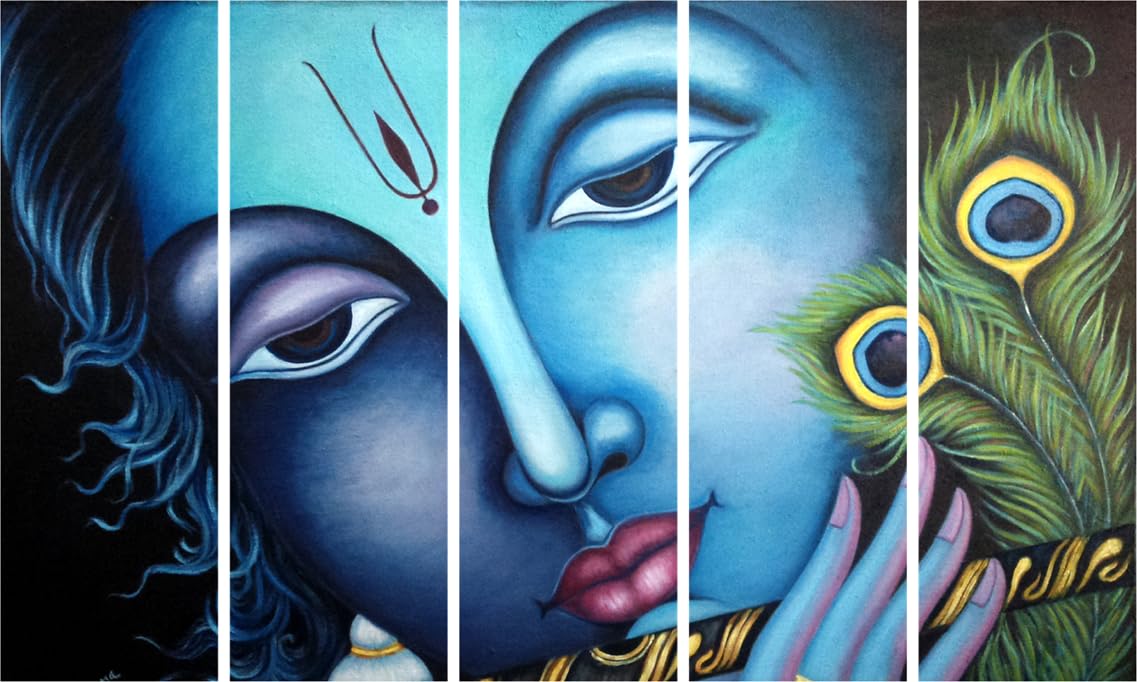
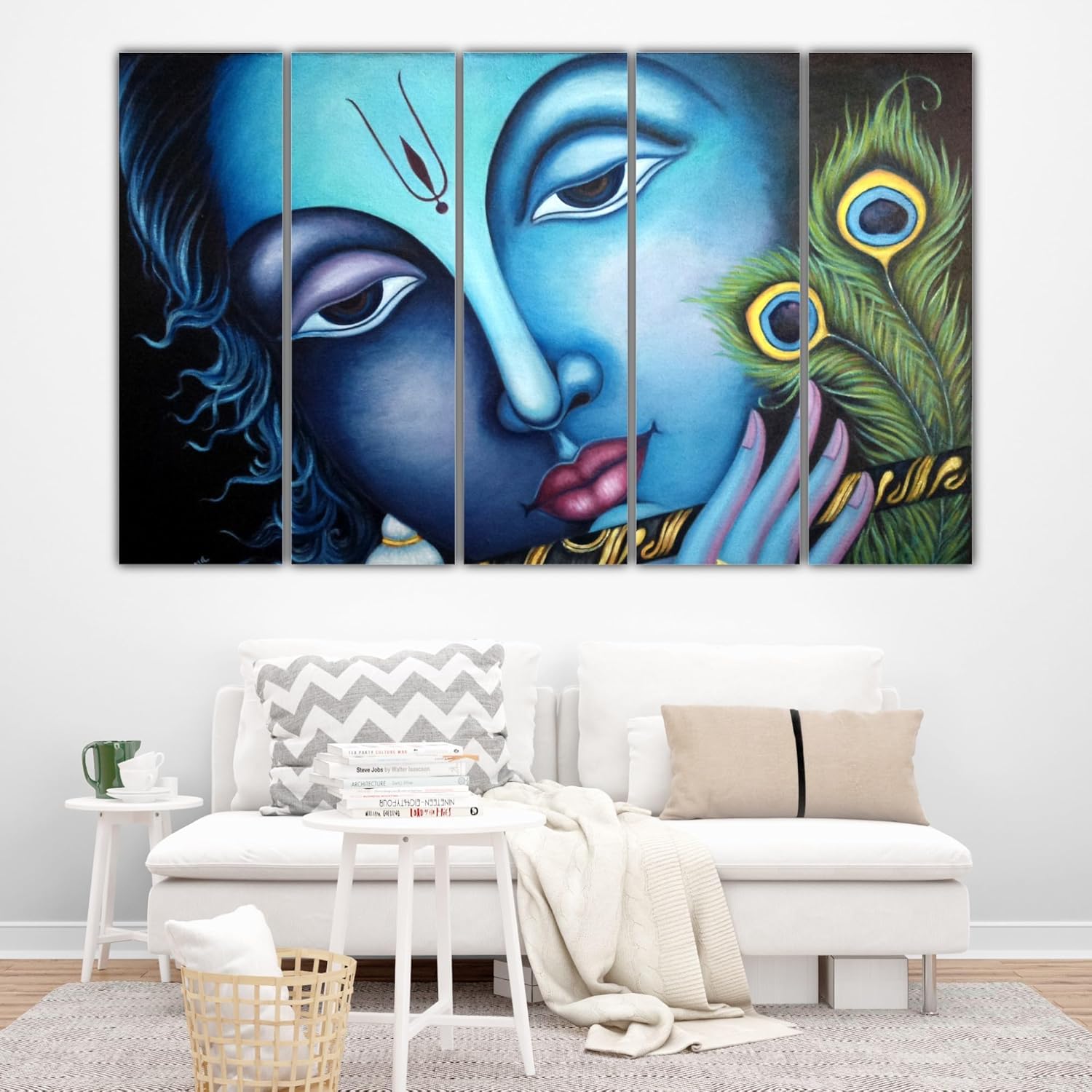
Eco-solvent inks (what Moolwan uses) are chemically stable. They're designed for outdoor signage, which means they're tested to withstand UV exposure without color shift. Your Krishna painting will still have deep indigos two years from now. Your abstract piece won't look sun-bleached by next monsoon.

Third: The frame construction. Cheap frames use 0.75-inch or 1-inch stretcher bars. They warp. In Mumbai's humidity (70-85% during monsoons), in Bangalore's temperature swings (12°C nights, 28°C afternoons), in Delhi's dry heat followed by sudden rain—cheap wood bends. The canvas loosens. You'll see ripples forming at the edges within 3-6 months.

Sturdy 1.5-inch pinewood frames with corner bracing don't flex. The wood is kiln-dried to 12% moisture content before assembly (this prevents warping). The canvas is stretched using pneumatic tools, not hand-stapled, which means even tension across the entire surface. Three years from now, your canvas will still be drum-tight.

Does this matter? Walk into any home with cheap marketplace art and look closely. You'll see the telltale signs: slightly wavy canvas surface, colors that look faded in patches, corners where the canvas has pulled loose from the staples. Then look at quality canvas art. It's flat. The colors are consistent. It looks intentional, not like a temporary decoration someone bought to fill wall space.

The price difference—₹2,796 versus ₹800—is the difference between something you'll still be happy with in three years and something you'll be replacing in eight months because it looks tired.

Canvas Wall Art that Survives Indian Monsoons, Heat and Humidity

Let's talk about the thing nobody mentions in product descriptions: your wall art has to survive the Indian climate. And the Indian climate is brutal on canvas.

Mumbai: 70-85% humidity during monsoons, coastal salt air year-round
Bangalore: 15-degree temperature swings between day and night
Chennai: Relentless sun exposure plus 80% humidity
Delhi: 5°C winters, 45°C summers, sudden monsoon bursts
Pune/Hyderabad: Dust storms followed by heavy rain

Cheap canvas paintings don't just fail—they fail specifically because of these conditions. The canvas absorbs moisture and expands. When it dries, it contracts. This happens every single monsoon season. After two cycles, you'll see permanent rippling. After four cycles, the canvas starts separating from the frame at the edges. The wooden frame itself warps if it wasn't properly treated—you'll notice one corner sitting slightly away from the wall, creating an uneven shadow.

And if you're in a coastal city? The salt in the air accelerates ink fading. That abstract painting with its gorgeous deep blues? It'll shift to grayish-green tones within 18 months near sea-facing windows.

Here's how climate-appropriate canvas actually works:

Moisture-resistant coating: A clear polymer layer seals the canvas surface. Water vapor can't penetrate the fibers. During monsoons, condensation beads up and evaporates instead of soaking in. This isn't marketing—it's the same coating used on outdoor banners and marine-grade canvas. You can test it: if water drops sit on the surface instead of darkening the canvas, it's properly treated.

Kiln-dried frame wood: The pinewood is dried to 12% moisture content before construction. This is below the equilibrium moisture content for most Indian climates (14-18%). What this means in practice: the wood won't absorb atmospheric moisture and expand. Your frame stays dimensionally stable through multiple monsoon seasons.

Sealed edges and back: The canvas wraps around the frame edges, and those edges are sealed. Dust can't accumulate in the gap between canvas and frame. Insects can't nest (yes, this happens with cheap canvas—silverfish love the dark space between canvas and wall). The back is covered with kraft paper or stays sealed with the wrapped canvas, preventing moisture from entering from behind.

UV-resistant inks: Eco-solvent inks have built-in UV inhibitors. Direct afternoon sun won't fade the colors. If your living room wall faces east or west and gets 3-4 hours of direct sunlight daily, your canvas will look the same five years from now.

Does this matter if you live in, say, an air-conditioned apartment in Bangalore where humidity and temperature are controlled? Maybe less. But here's the reality: you're not running AC 24/7 year-round. Your painting hangs on that wall through power cuts, through the weeks you're traveling and AC is off, through monsoon months when you open windows for fresh air. It needs to handle the environment it actually lives in, not the ideal controlled environment.

And if you're in a rental? This matters even more. You can't control the building's humidity. The previous tenant's bathroom leak might have left moisture in the walls. Your landlord's cheap paint job might be trapping moisture. Quality canvas that can handle these conditions is the difference between art that lasts your entire tenancy and art you're replacing every year.

Best Canvas Wall Art Styles for Indian Homes (What actually works)

Every product page shows you the same thing: abstract geometrics, minimalist line art, Scandinavian-style botanicals. And they all look great in the white-walled, hardwood-floored rooms in the photos. But your home doesn't look like that.

Your walls are probably cream, off-white, light yellow, or that specific shade of peach that every builder seems to use. Your sofa is likely brown, beige, or gray fabric—maybe with wooden arms. You have a wooden coffee table. Your flooring is vitrified tiles or marble, not wood. Your living room has a pooja shelf in the corner. Your dining area is visible from the living room. This is what actual Indian homes look like.

And here's what works:

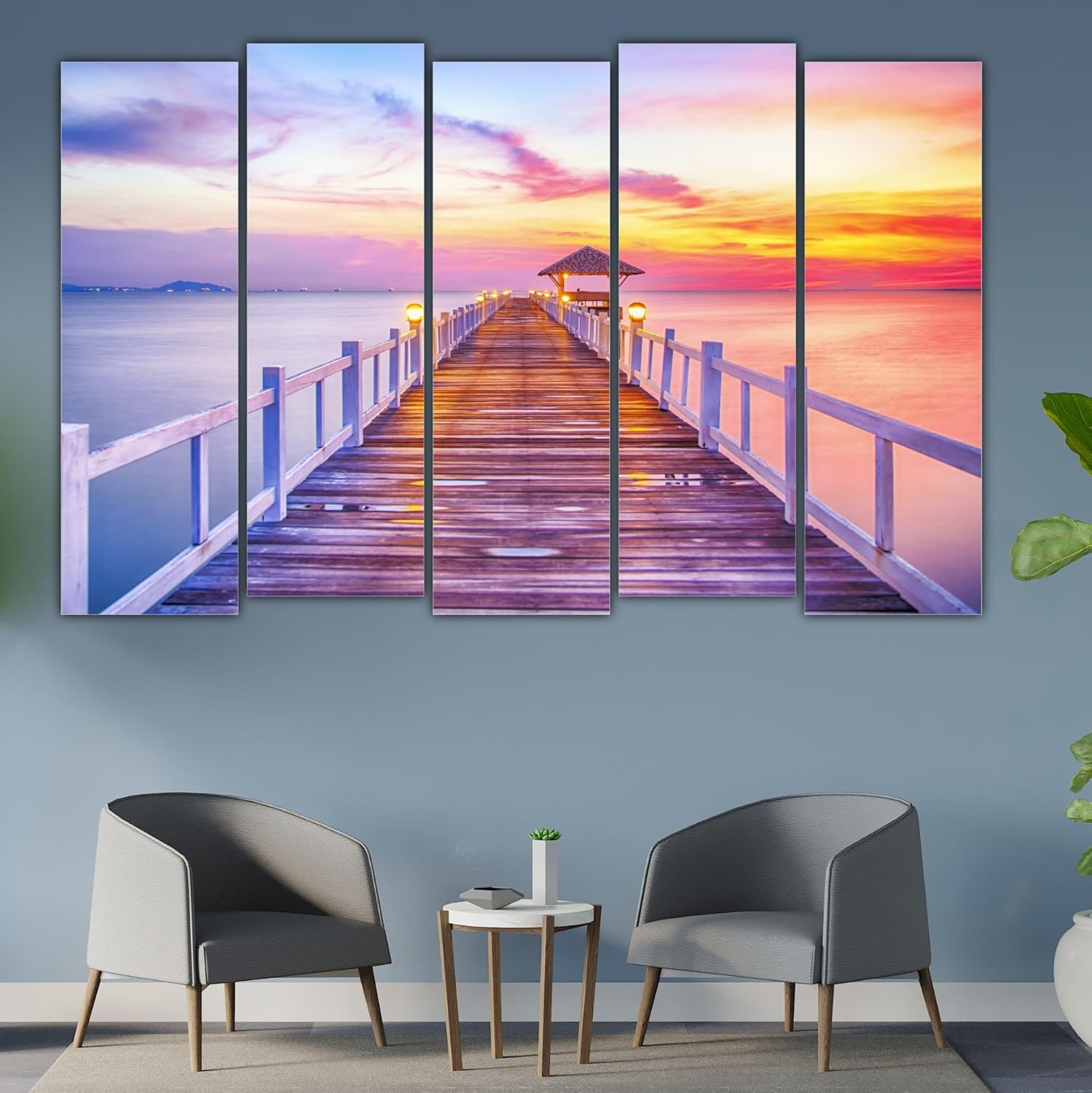
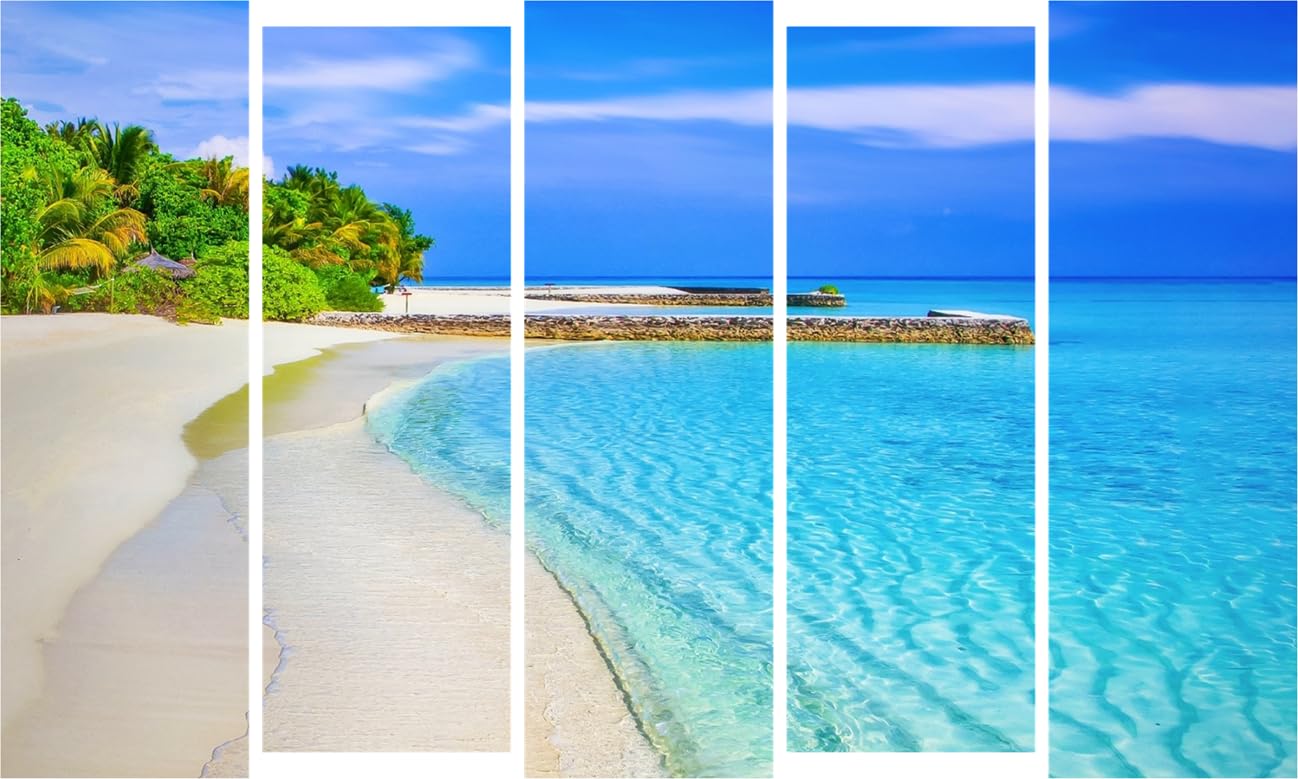
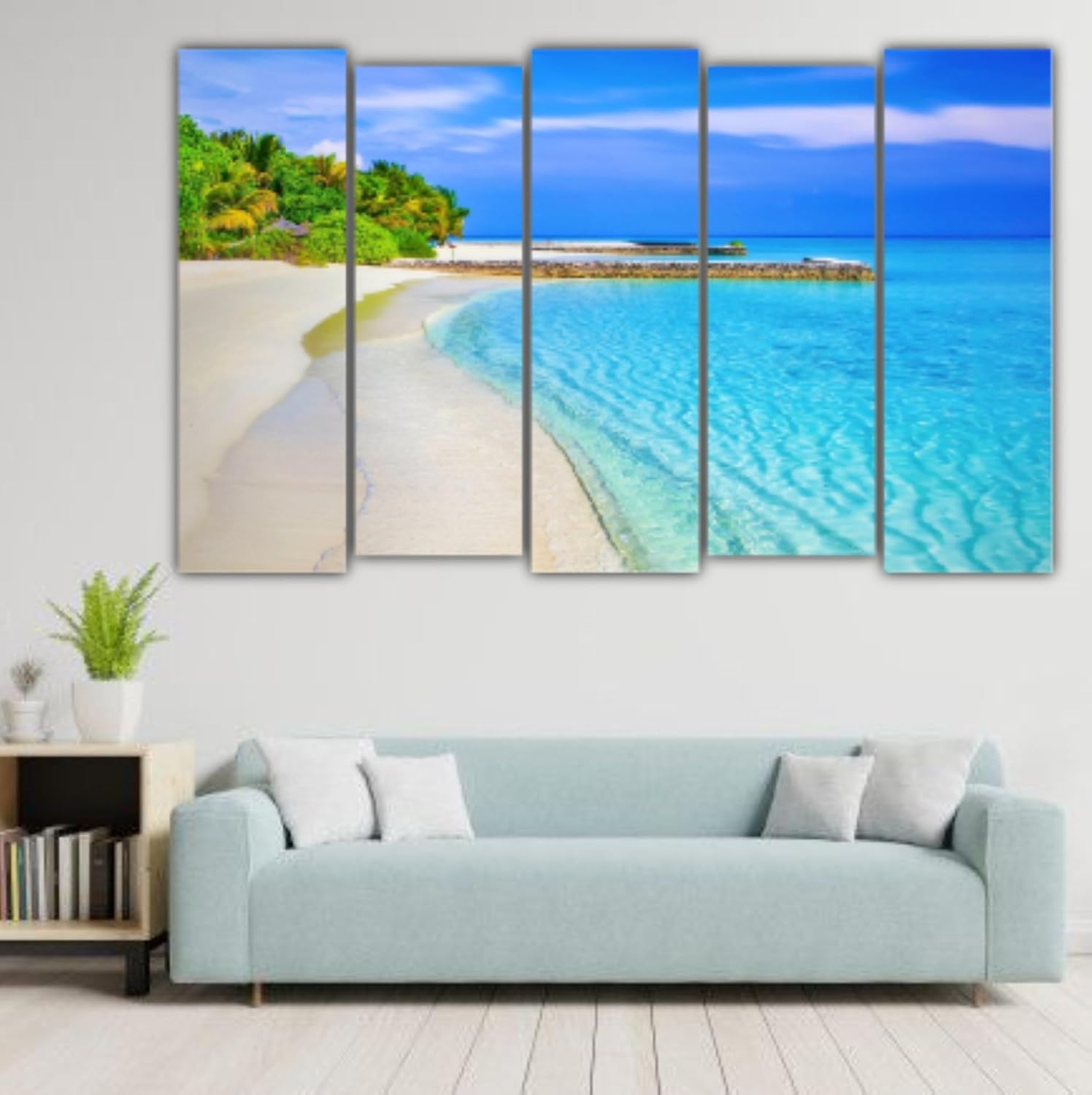
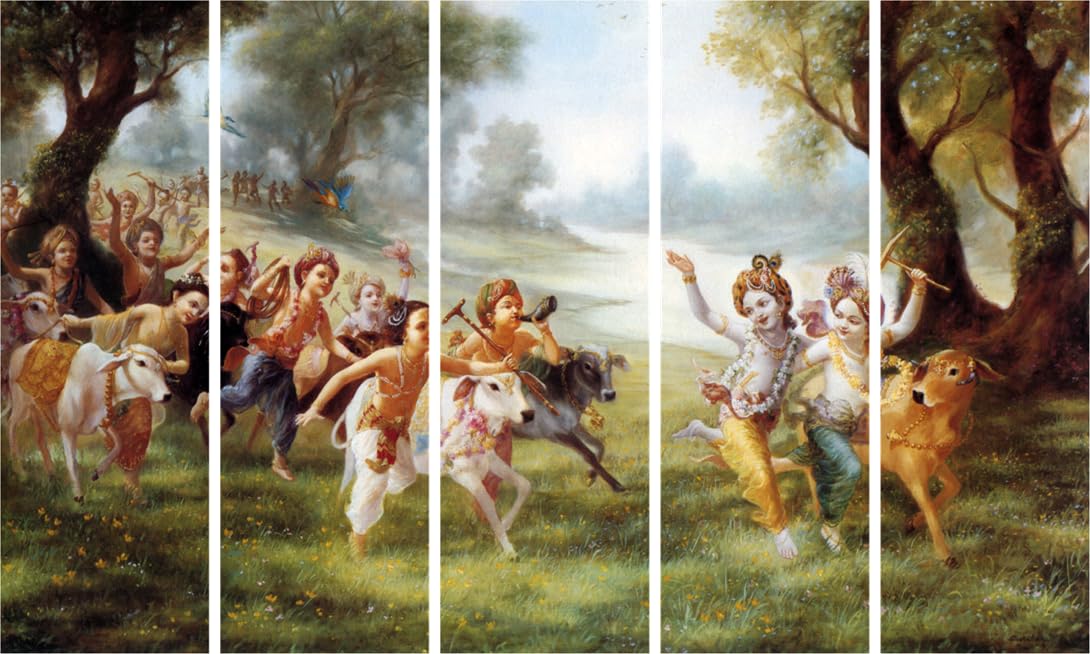
Nature canvas paintings (trees, landscapes, botanicals): These work because they bring the outside in—and in apartments, you need that connection. The greens and browns naturally complement wooden furniture. The calm tones don't clash with existing color schemes. Your grandmother won't question it ("It's nature, what's not to like?"). Guests find it soothing, not challenging.

Abstract wall art (geometrics, flowing forms, color fields): This works if—and only if—you choose abstracts with warm tones. Cool-toned abstracts (blues, purples, grays) look jarring against cream walls and brown furniture. Warm abstracts (rust, ochre, terracotta, warm greens) feel intentional. They look like you chose them to complement your home, not despite it.

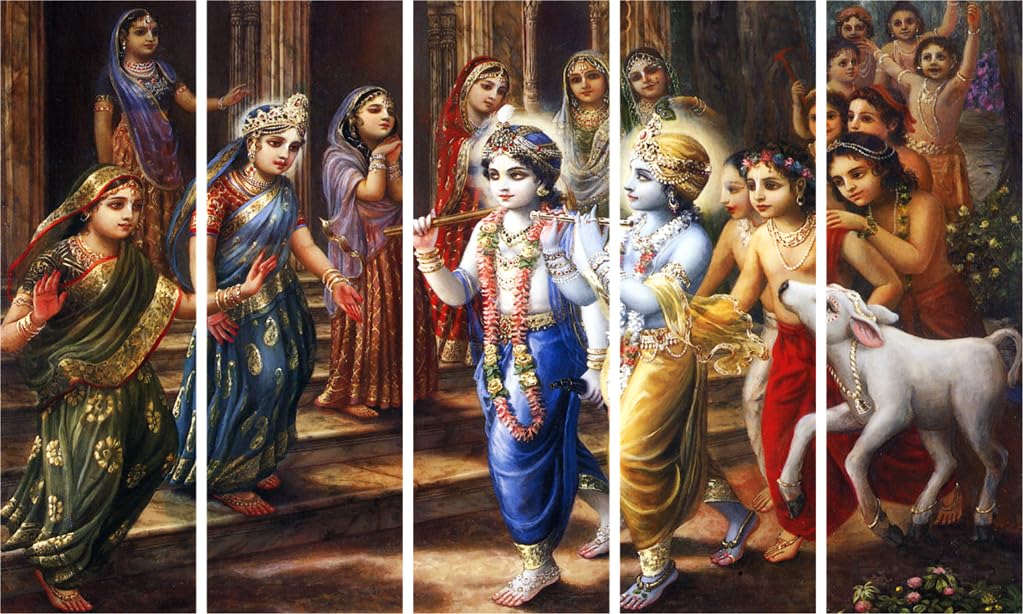
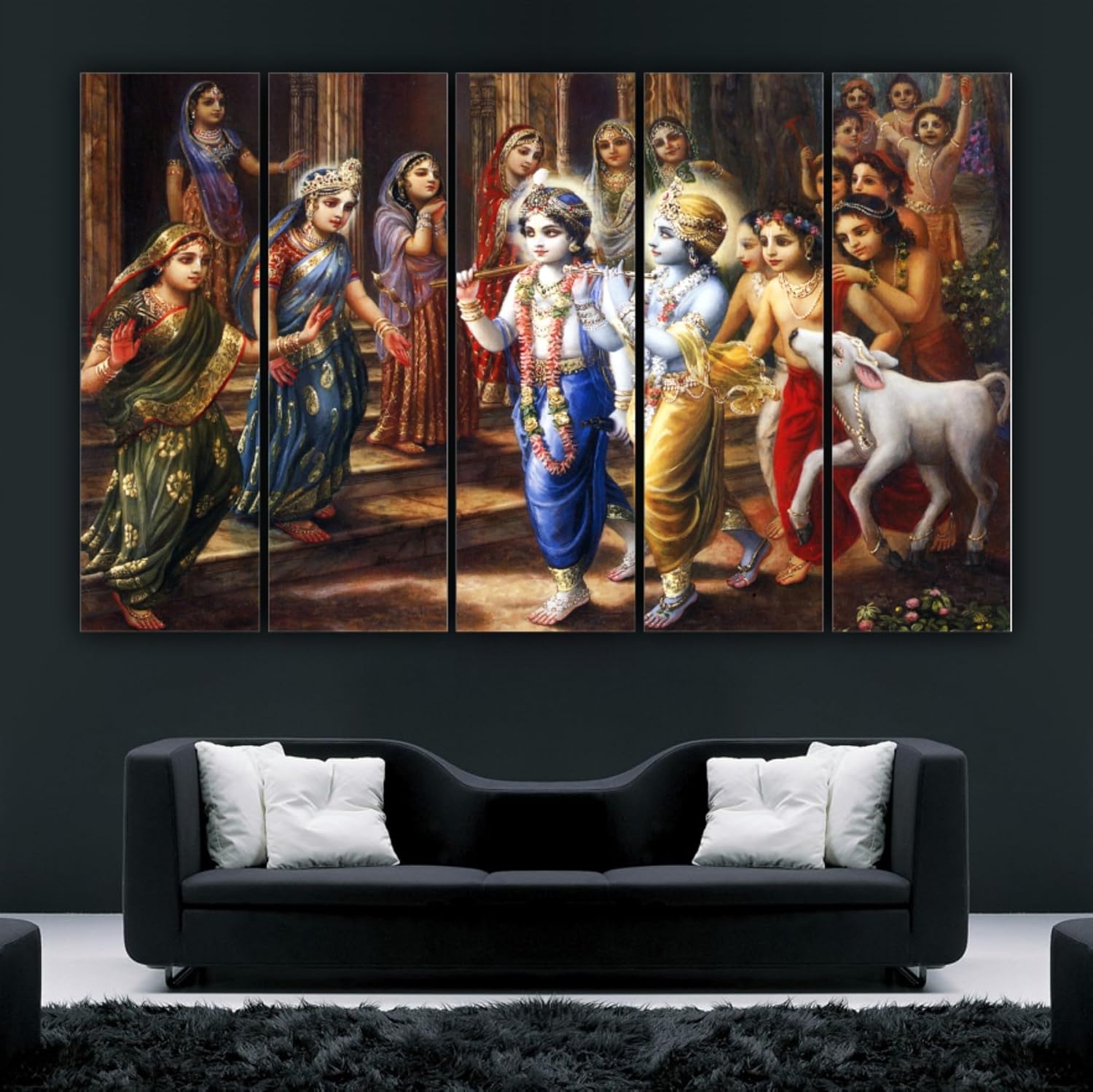
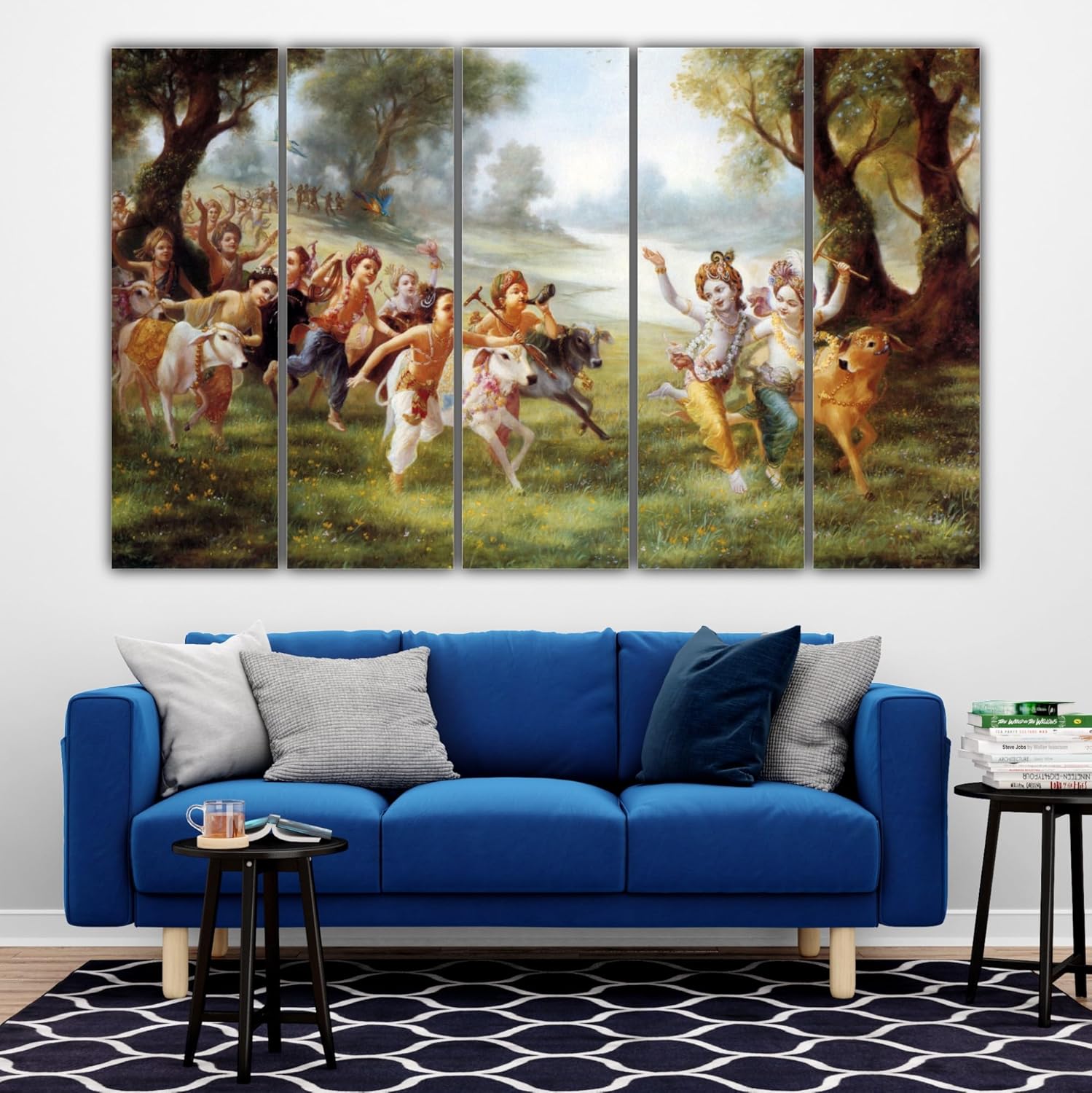
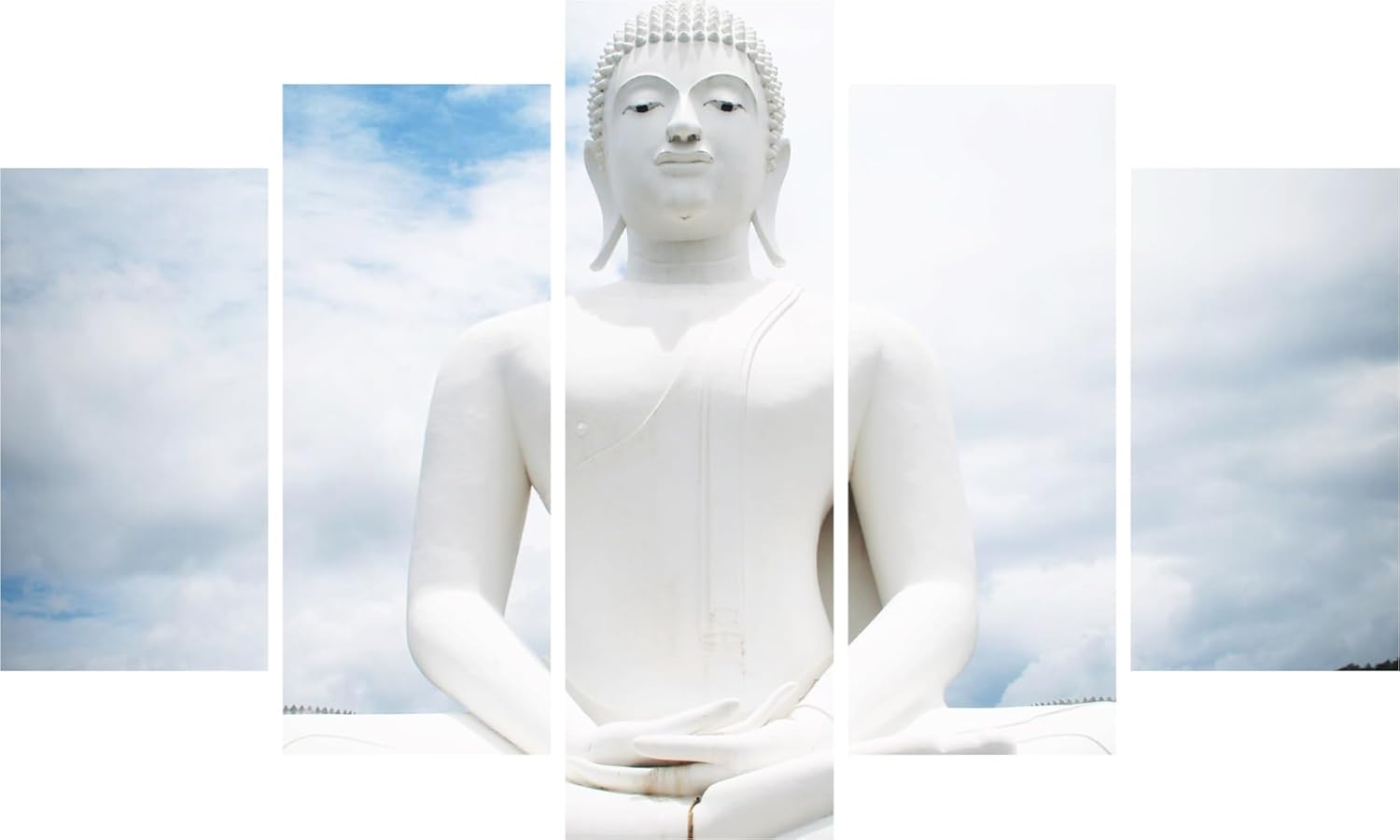
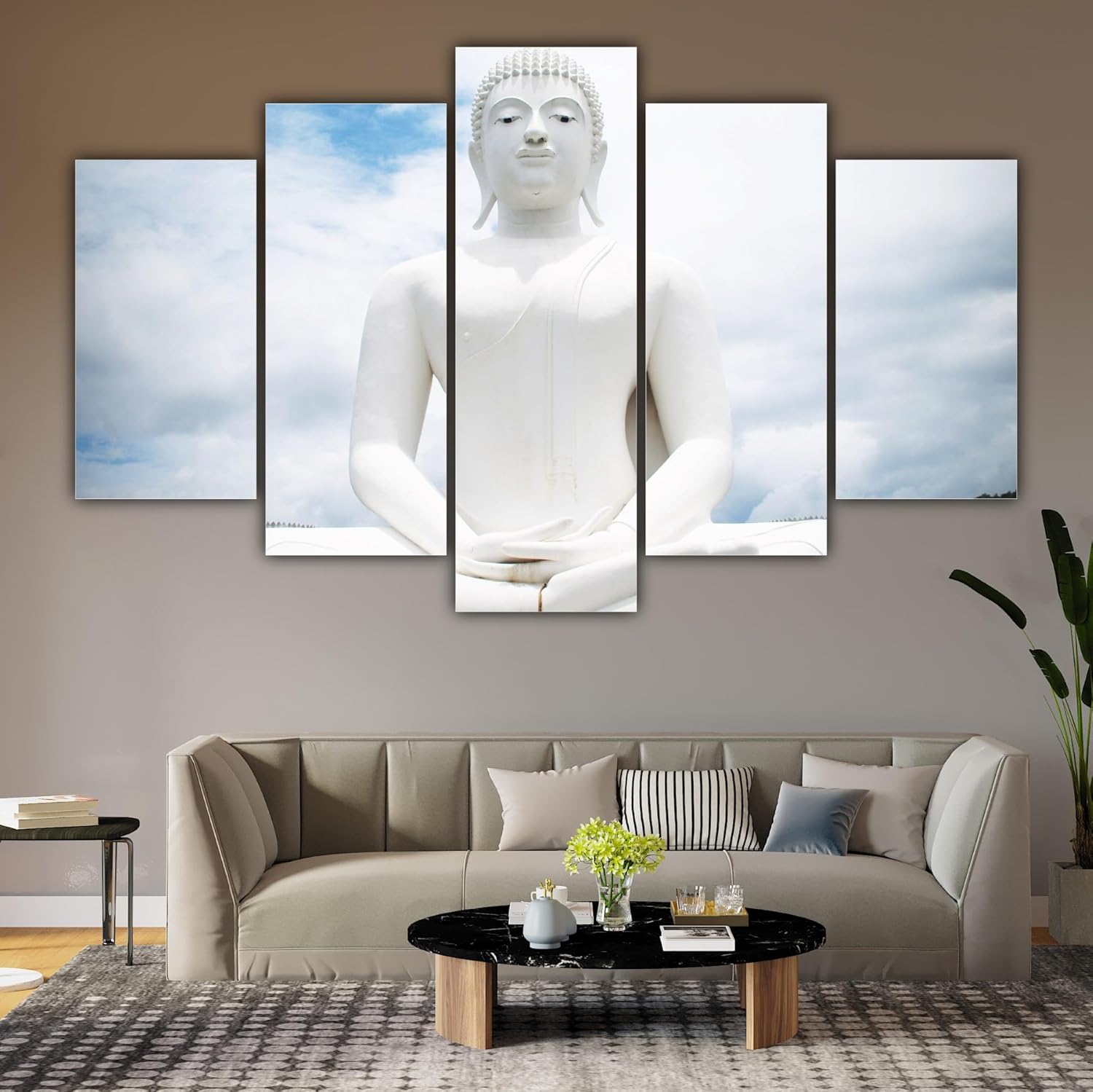
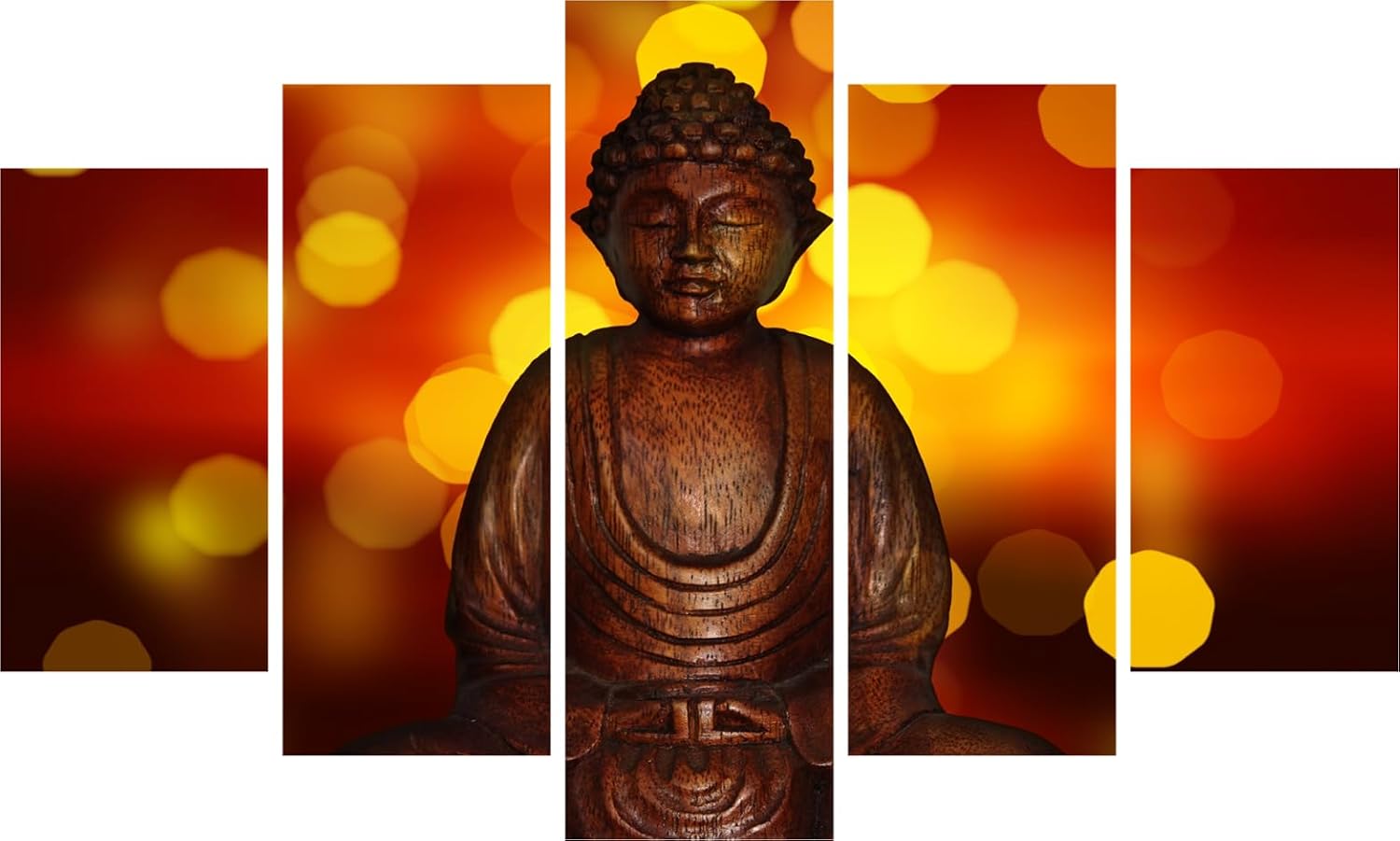
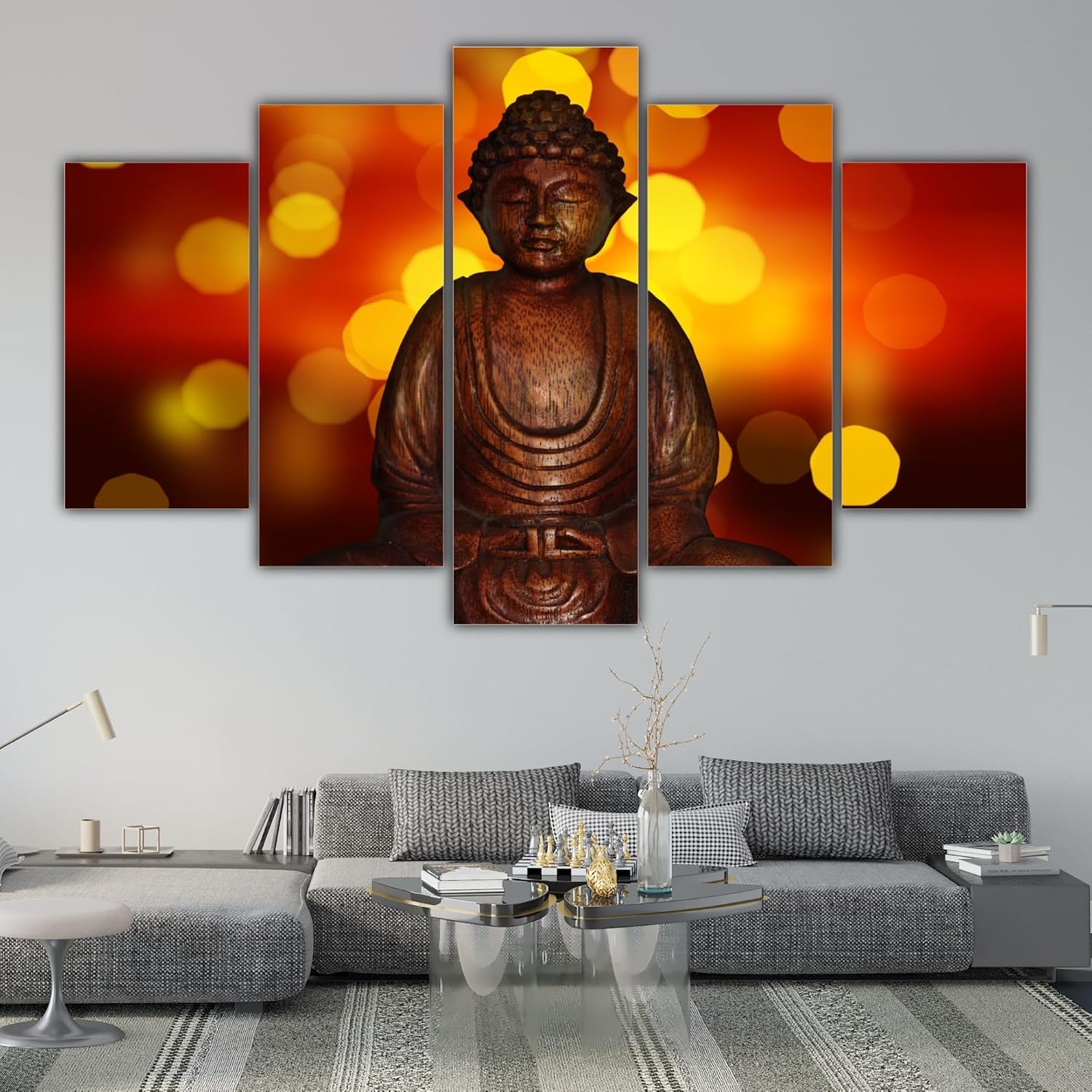
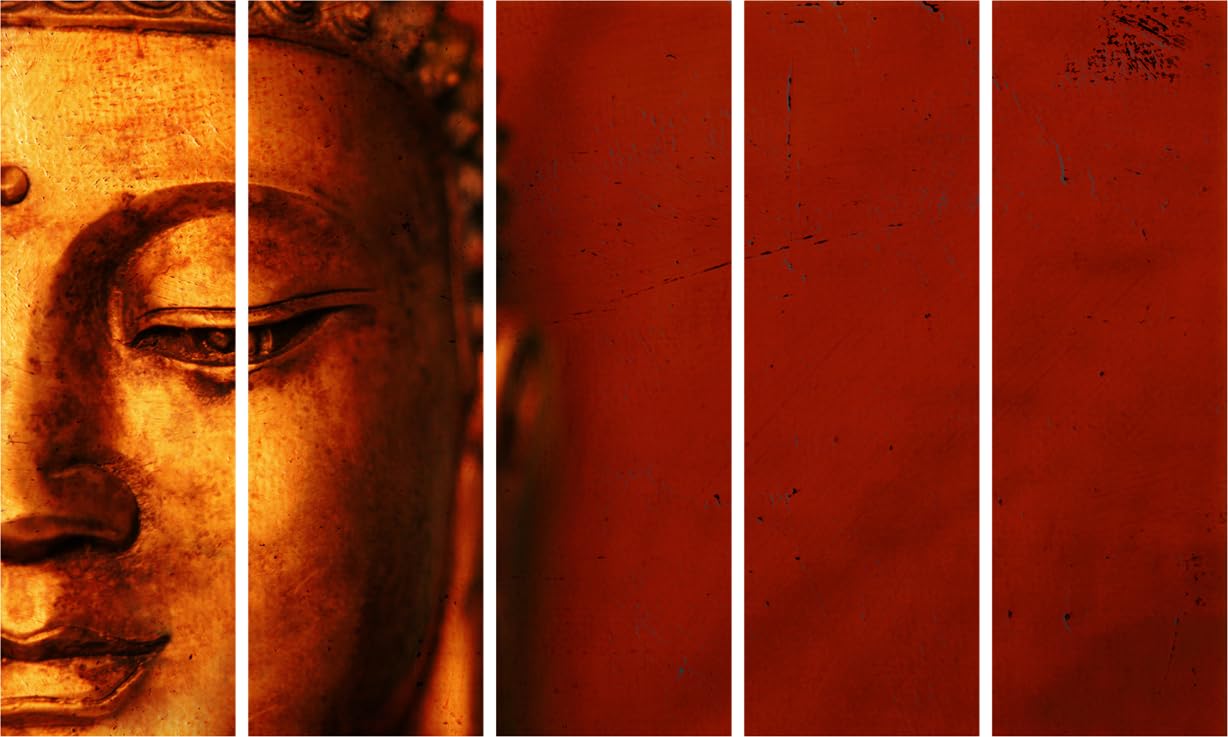
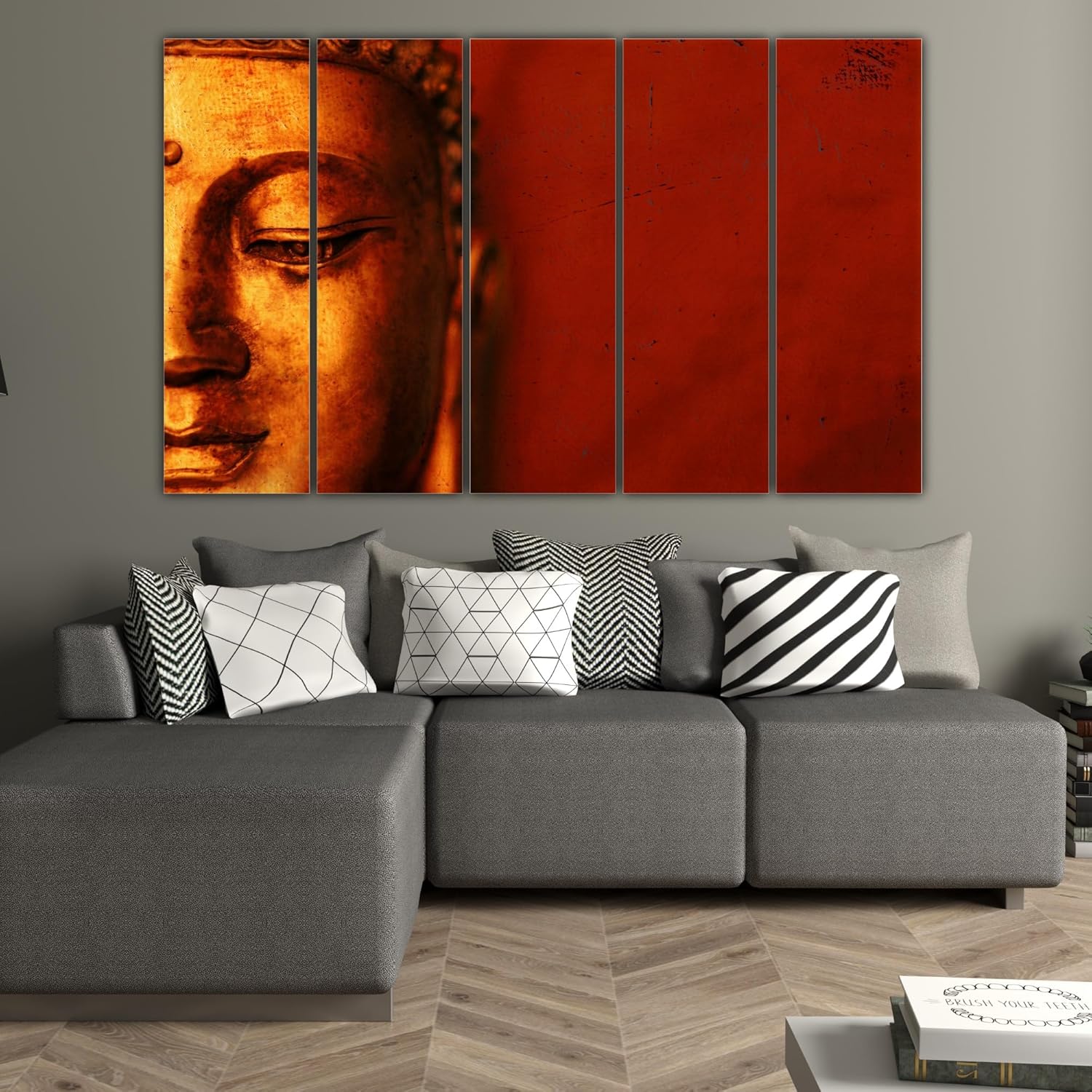
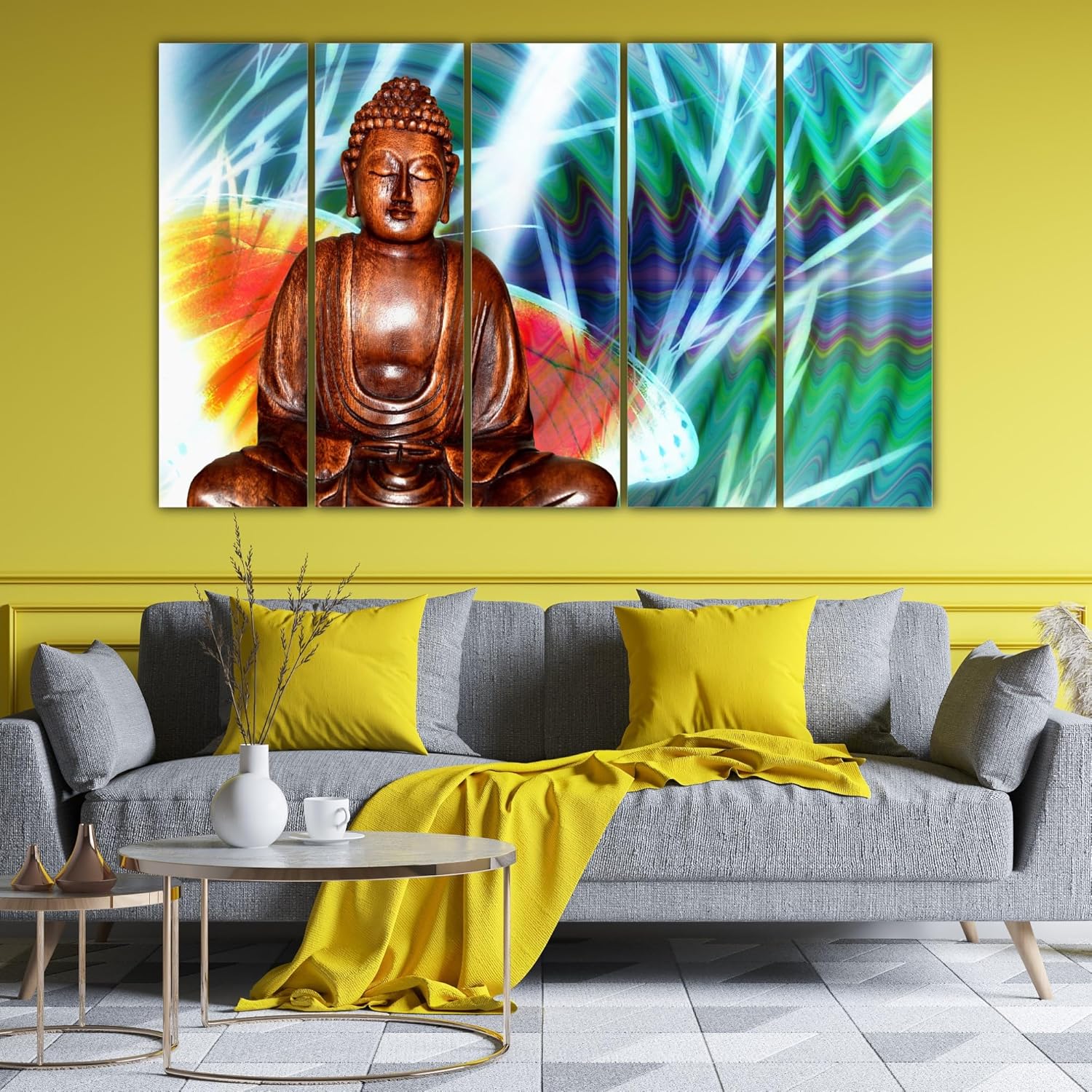
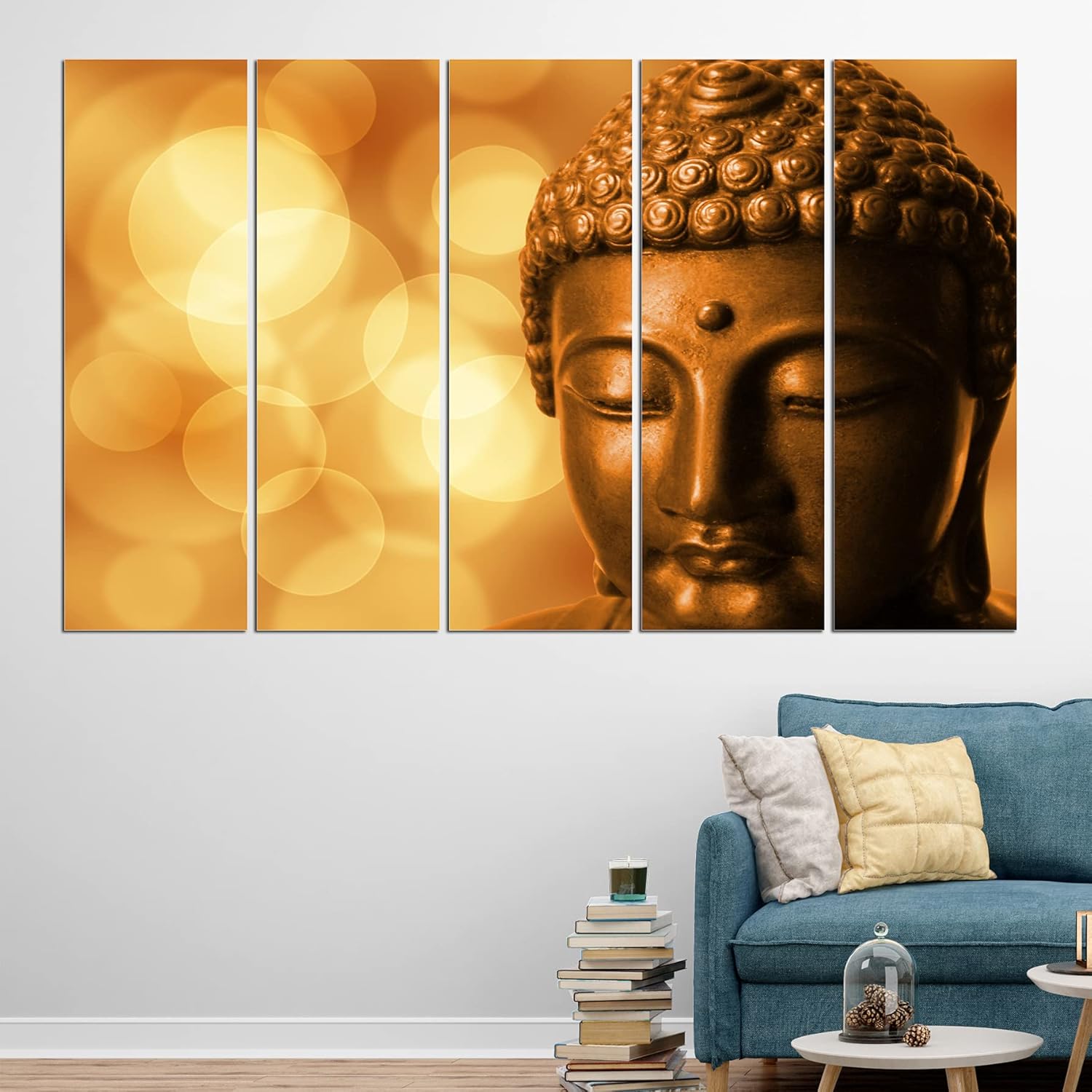
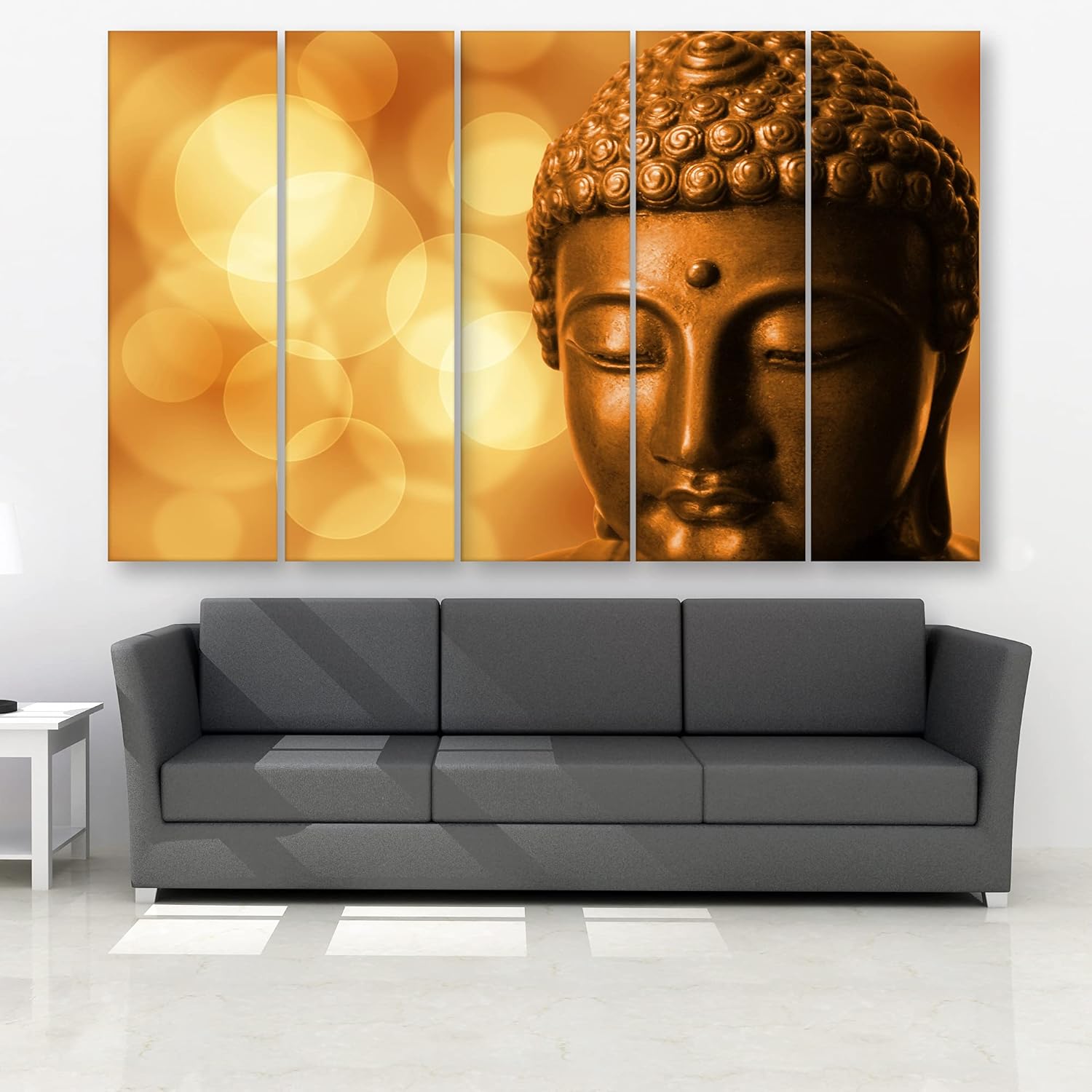
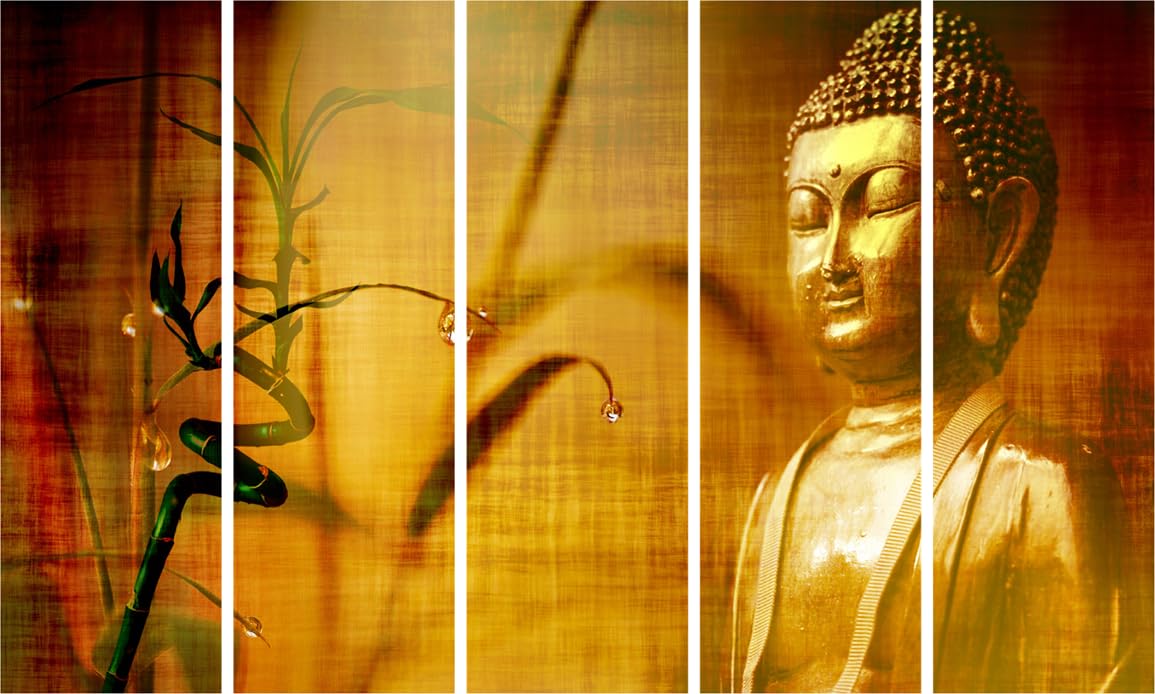
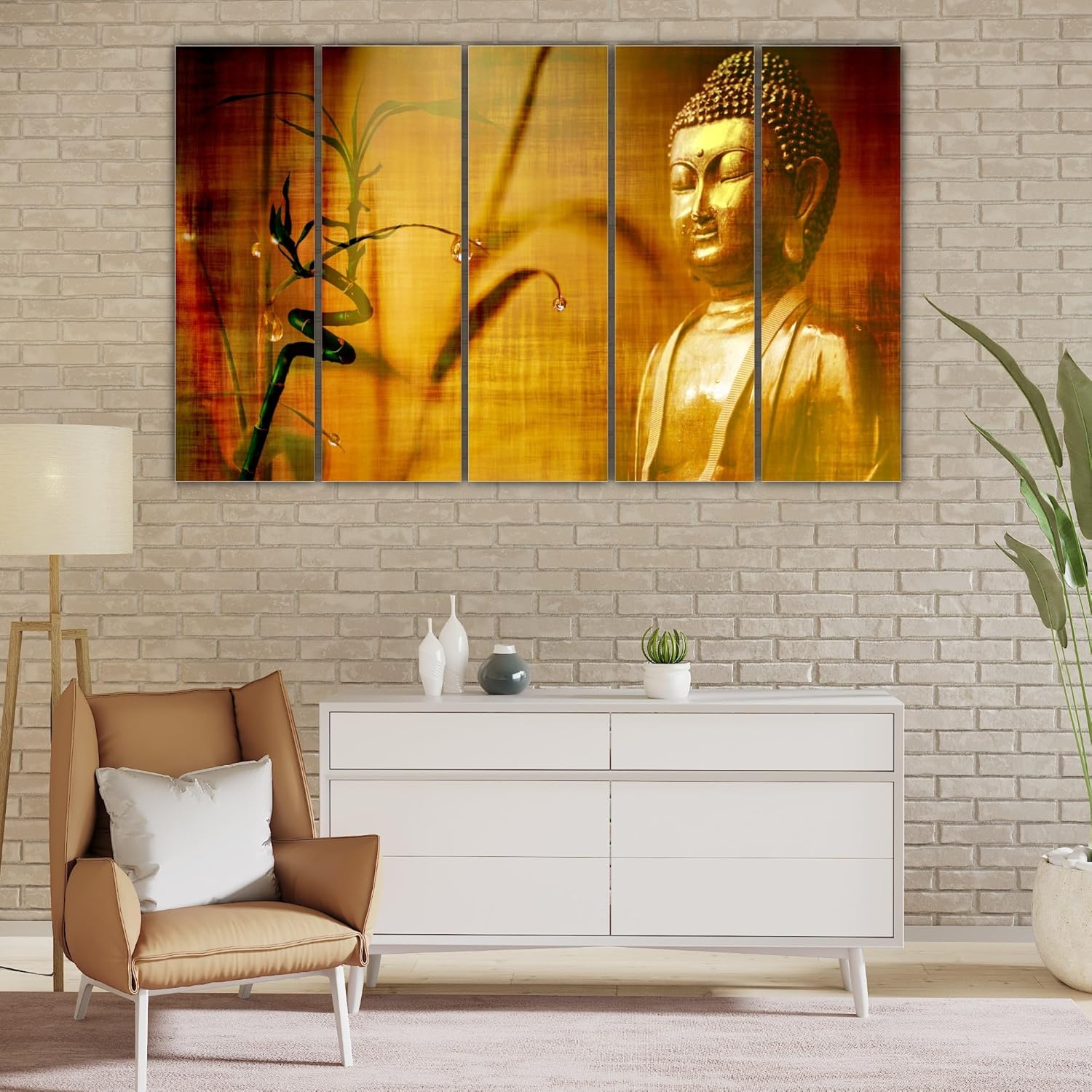
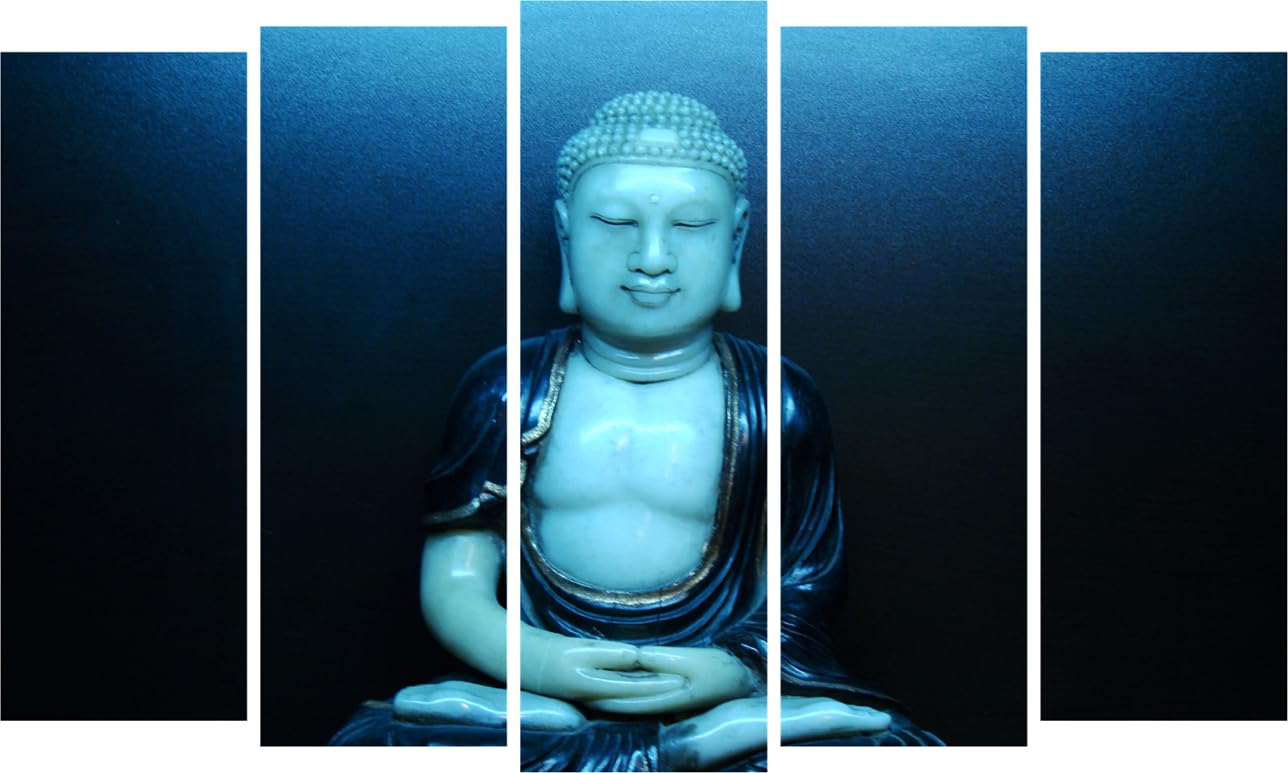
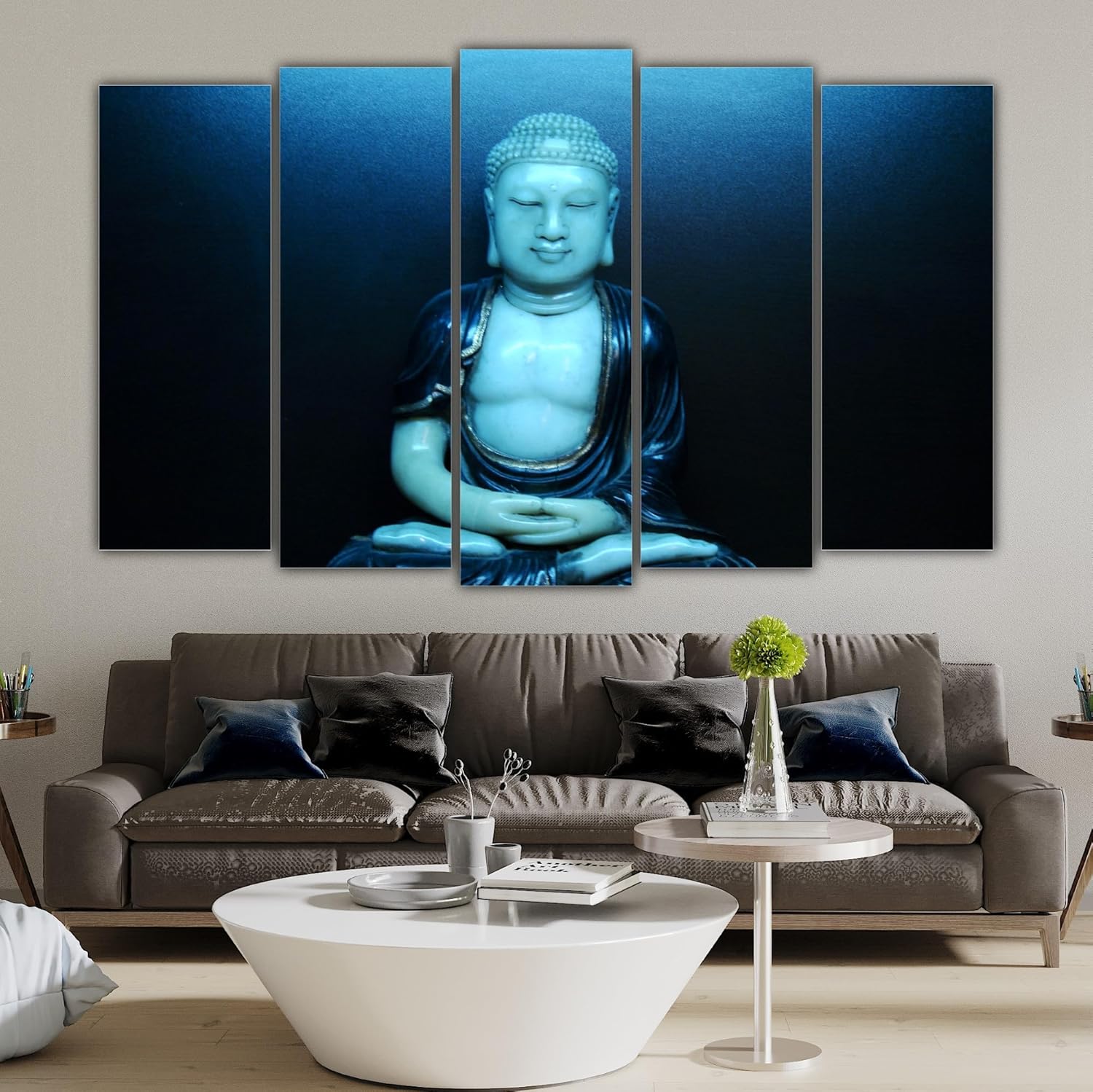
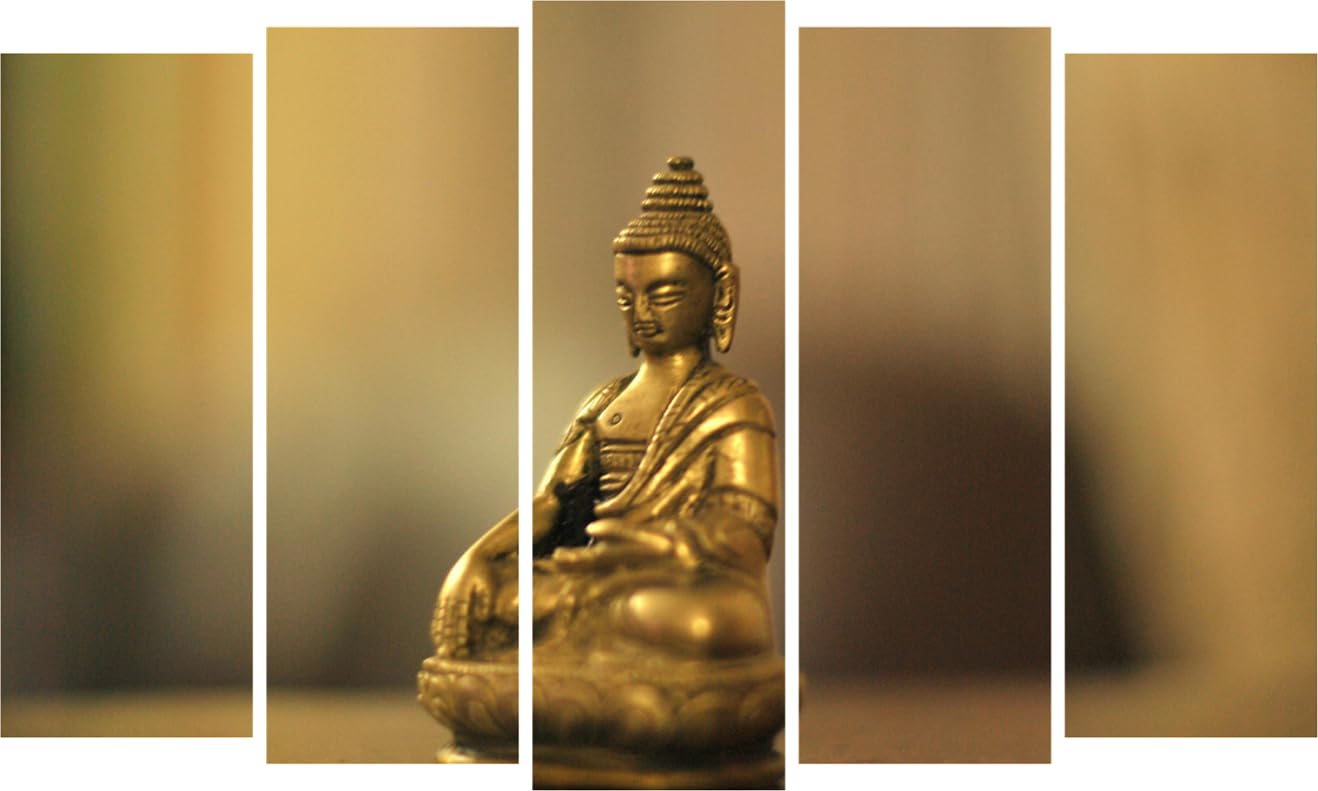
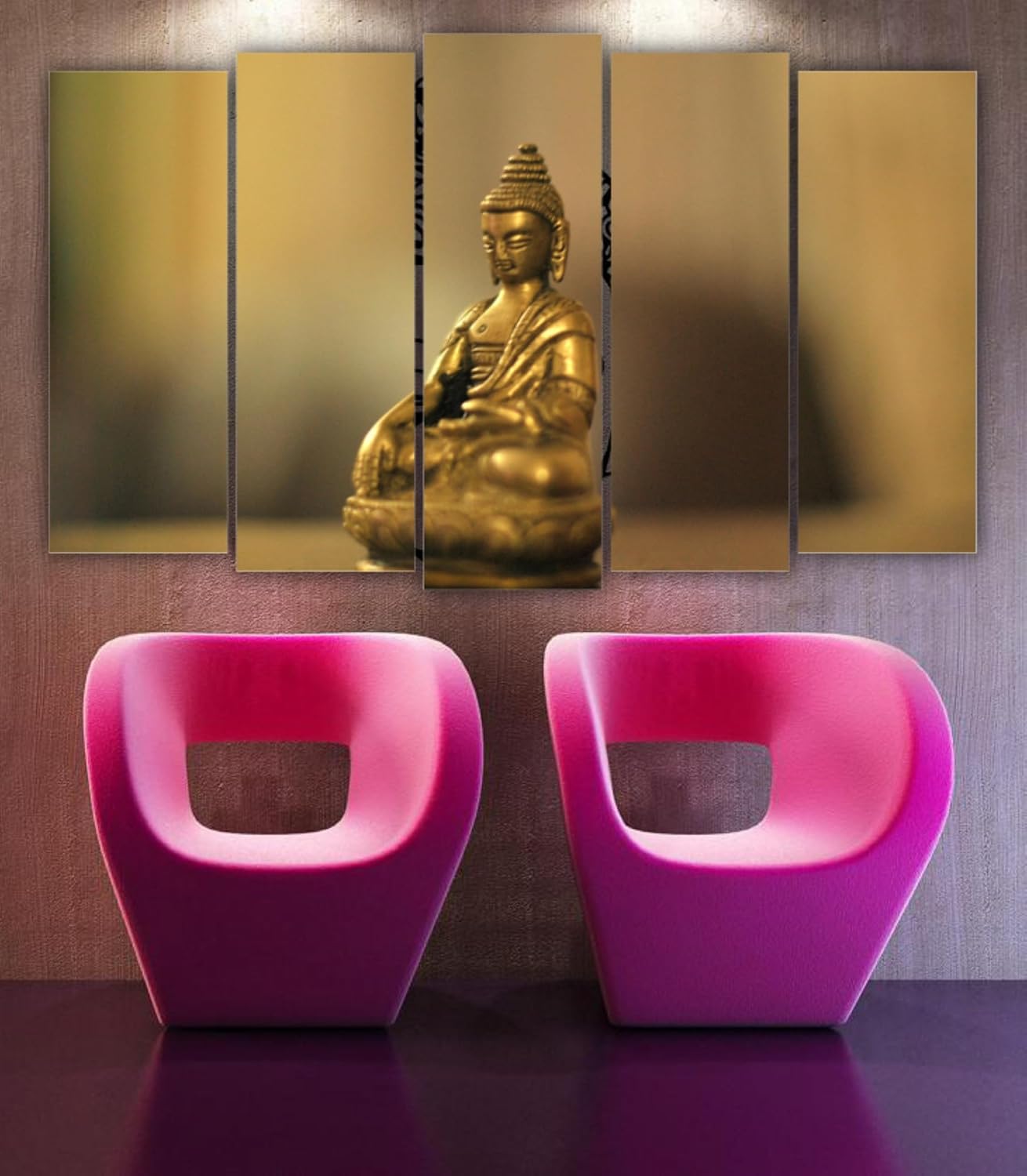
Krishna, Ganesha, Buddha, Shiva paintings: These work for obvious reasons—cultural familiarity, spiritual significance, family acceptance. But here's what online photos don't show you: these need to be proportional to your pooja area or meditation corner, not overwhelming. A 150cm wide Ganesha painting above your sofa looks out of place if you have a small pooja shelf tucked in the corner. Better: a 90cm Krishna painting in your bedroom, a 75cm Buddha in your home office, a medium Ganesha (60-75cm) in the foyer where it greets guests but doesn't dominate the living room.

What doesn't work: High-contrast black-and-white photography (too stark against cream walls), neon-bright pop art (clashes with traditional Indian furniture), ultra-modern metallic abstracts (reads as trying too hard), oversized text-based art in English (feels imported, not integrated).

The real test: would your mother or mother-in-law look at this and think it fits, or would there be that slight pause, that "It's... nice, but..." comment? If you're going for something contemporary, it needs to feel like a natural evolution of your existing aesthetic, not a jarring departure from it.

What Nobody Tells You About Installation (Especially in Rentals)

You're in a rental. Your lease says "no major wall modifications." Your deposit is ₹50,000 and you'd like to get it back. So when you see "wall mounting required," your immediate thought is: "Can I actually drill into this wall, or am I about to lose my deposit over a painting?"

Here's what most canvas sellers don't explain: there's a massive difference between the tiny holes you need for canvas art and the massive holes that actually cost you your deposit.

Canvas art requires: 2-3 small anchor holes (6mm diameter, 30-40mm deep)
What loses you your deposit: Holes from mounted TV brackets (12mm diameter, 80mm deep), holes from heavy shelving, poorly patched large holes, multiple failed attempts creating a cluster of holes

The tiny holes for canvas mounting? They're smaller than the holes left by standard picture frame nails. When you move out, you fill them with wall putty (available at any hardware store for ₹50), sand smooth, and touch up with a dab of paint. Total repair cost: ₹200 and 20 minutes of your time. Your landlord will never notice.

Here's exactly what you need:

For drywall (common in modern apartments):
Plastic wall anchors (included with your canvas)
6mm drill bit
Drill 30mm deep holes
Insert anchors, screw in hooks
Hang canvas on D-rings

For concrete (common in older buildings):
Concrete anchors (included with your canvas)
6mm masonry bit
Drill 35mm deep holes
Tap in anchors
Screw in hooks
Hang canvas

For plaster walls:
Use drywall method if plaster is over brick
Use concrete method if plaster is directly on concrete
Test by tapping—hollow sound = drywall method, solid sound = concrete method

The hanging template that comes with your canvas solves the "drilling in the wrong spot" anxiety. You tape the paper template to your wall at the exact height you want. The template shows you precisely where to drill. You make two marks, remove the template, drill, and you're done. No measuring, no miscalculation, no second-guessing.

And if you're truly paranoid about drilling? Command strips rated for 5-7 kg work for canvases up to 90cm wide. But beyond that, you need proper anchors—Command strips won't hold a 120cm canvas safely, and you definitely don't want a ₹4,000 canvas crashing off your wall at 2am.

Installation time: 15-20 minutes start to finish, including the part where you stand back five times to make sure it's level.

Why Moolwan Instead of Buying from Marketplaces for ₹800 Less

You've seen similar-looking canvas art on marketplace sites for ₹1,200. You've seen it on import sites for ₹1,800. So why spend ₹2,796 to ₹4,596 here?

Because you're not comparing the same product. You're comparing a photograph of a canvas painting to an actual canvas painting that will hang on your wall for the next 3-5 years.

Here's what the price difference actually buys you:

Manufacturing, not reselling: Marketplace sellers source from random manufacturers, often switching suppliers based on who's cheapest that month. You have no idea what canvas weight you're getting, what inks they're using, whether the frame wood is treated or raw. Moolwan manufactures in-house. Every canvas uses the same 340 GSM cotton, the same eco-solvent inks, the same kiln-dried pinewood. Consistency isn't a bonus—it's guaranteed.

Climate-appropriate materials: That cheap canvas? It's made for generic conditions—probably optimized for temperate climates, not 85% humidity and 35°C heat. The inks aren't UV-tested. The frame wood isn't moisture-treated. Six months of Mumbai monsoons will show you exactly why it was cheaper.

Actually includes installation hardware: Marketplace listings say "mounting hardware included" and then you receive... two tiny picture hooks that can't hold the weight. Moolwan includes proper concrete anchors AND drywall anchors AND D-ring hangers AND a hanging template. You're not making a separate trip to the hardware store wondering what to buy.

Actual customer service: When marketplace canvas arrives damaged (and shipping damage happens), you're dealing with third-party sellers who may or may not respond to messages, may or may not accept the return, may or may not refund you. Moolwan's replacement policy is straightforward: video your unboxing, show the damage, get a replacement sent. You're not fighting with customer service through three different ticket systems.

Sized for Indian furniture: That 100cm x 70cm size? That's calculated to work above Indian 8-foot sofas. The 120cm x 80cm? That's proportioned for 10-foot walls. These aren't random international sizes converted to centimeters—these are dimensions tested in actual Indian homes, with actual Indian furniture proportions.

The ₹1,500 to ₹2,800 price difference isn't about paying extra for the same thing. It's about not having to replace cheap canvas after 8 months when it starts looking faded and warped. It's about not losing a Saturday trying to find the right wall anchors because the included ones don't work. It's about your wall art still looking intentional and fresh two years from now instead of looking like something you're meaning to replace but haven't gotten around to yet.

What Your Canvas Will Actually Look Like in Your Home

Product photos are styled. Professional lighting. Perfect blank walls. Carefully coordinated furniture. Your home... isn't that.

Your wall probably has: electrical switches, an AC vent, maybe a visible patch where the previous tenant drilled, the specific warm LED lighting you installed, afternoon sun coming through east-facing windows.

So here's what your canvas will actually look like:

In morning light: Colors will appear slightly cooler, more muted. If you have morning sun, abstract blues and greens will look vibrant. Nature paintings will have nice depth. Krishna/Buddha pieces will look serene.

In afternoon light: Colors warm up. Reds and ochres intensify. This is when abstract warm-toned pieces look their best. It's also when cheap ink quality becomes obvious—quality inks maintain color consistency, cheap inks look washed out in bright light.

In evening/artificial light: LED lighting (warm white, 3000K) makes everything look cohesive. Canvas colors appear richer. This is when guests see your walls, and this is when good framing quality shows—cheap frames create uneven shadows, quality frames sit flush against the wall.

Against cream/off-white walls (most common): Virtually any color works. The neutral wall lets the canvas be the focal point. Dark abstracts create drama, light nature scenes create calm, colorful pieces create energy.

Against colored walls (peach, light yellow, sage): Choose canvas with complementary tones. Against peach walls, go for greens, teals, or warm browns. Against yellow, go for blues or purples (but muted, not bright). Against sage, go for earth tones or soft pinks.

Above brown/beige sofas (most common Indian furniture): Nature paintings feel natural. Warm abstracts feel curated. Spiritual art (Krishna, Buddha) feels intentional. Cool-toned abstracts feel disconnected unless you have blue accent pillows tying it together.

With wooden furniture (coffee tables, TV units, side tables): Canvas with natural elements (trees, landscapes) echoes the wood and feels cohesive. Abstracts with brown/ochre tones complement without matching. Overly bright or metallic pieces clash.

The honest test: when you walk into your living room, does your eye go to the canvas in a "that looks good" way or a "that's there" way? Good wall art becomes part of the room's overall feel. Bad wall art sits on the wall as a separate element that never quite integrates.

What Past Customers Actually Experienced

We asked people who bought canvas wall art 6-12 months ago what surprised them:

"I expected the colors to be brighter in person, but they were actually exactly as shown online. The nature scene still looks the same eight months later even though that wall gets afternoon sun."
— Priya, Bangalore (purchased 90cm landscape canvas)

"Installation was simpler than hanging curtain rods. The template made it foolproof. I was done in 15 minutes."
— Rahul, Mumbai (purchased 120cm abstract canvas)

"My mother-in-law actually complimented it. I was nervous about getting modern art but chose one with warm browns and she said it 'suits the house.'"
— Anjali, Pune (purchased 100cm abstract geometric)

"Through two monsoon seasons and no warping. The cheap one I had before started rippling after the first monsoon."
— Karthik, Chennai (purchased Buddha canvas)

"The frame quality is what sold me when it arrived. Feels substantial, not hollow. You can tell it's real wood, not MDF covered in vinyl."
— Deepa, Hyderabad (purchased Krishna canvas)

The Practical Stuff You Actually Care About

Shipping time: 5-6 days to metro cities. Add 1-2 days for tier-2/3 cities. You'll receive tracking details within 24 hours of order. The canvas ships in bubble wrap + cardboard corner protectors + outer carton. Shipping is rough on canvas—this triple-layer packaging is why your canvas arrives undamaged.

COD available: Yes, across all Indian cities where courier services operate. The delivery person will unwrap outer packaging so you can inspect the box for major damage before paying. If the outer carton is crushed or torn, refuse delivery and contact customer service.

Video your unboxing: This isn't paranoia—this is protecting yourself. Start recording before you cut the tape. Show all sides of the box, then the unwrapping process. If there's damage, you'll have video proof for replacement claims. Without video, proving shipping damage is nearly impossible.

Replacement policy: Full replacement for manufacturing defects (print errors, frame defects, canvas not stretched properly) and shipping damage (bent frames, torn canvas, broken corners). Damage claims require unboxing video. Replacement ships within 2-3 days of approved claim.

What's NOT covered: Buyer's remorse ("the size looks bigger/smaller than I expected"), subjective color complaints ("the blue looks different than on my screen" when it actually matches the product photo), damage that occurred after installation, normal wear after 6+ months of use.

Color accuracy: Your phone/laptop screen settings affect how colors appear. Product photos are shot in natural daylight with calibrated cameras. If your screen is set to "warm" or "cool" color temperature, the canvas will look different than the photo on your specific screen. This doesn't mean the canvas is wrong—it means your screen isn't color-accurate. The actual canvas will match what it looks like on a properly calibrated display.

Cleaning: Dust with a dry microfiber cloth every 2-3 weeks. Don't use water. Don't use cleaning chemicals. Don't use furniture polish. Just dry dusting. Seriously, that's it. The moisture-resistant coating means dust sits on the surface instead of embedding in the weave—it wipes away cleanly.

Who We Actually Are (And Why That Matters)

Moolwan isn't a marketplace seller sourcing from random suppliers. We manufacture canvas wall art in-house because we got tired of the inconsistent quality, warped frames, and faded colors we saw when we tried buying for our own homes.

The canvas comes from a textile mill in Surat that specializes in artist-grade cotton. The inks are eco-solvent inks from Roland (the same company that makes commercial printing equipment). The pinewood is sourced from sustainable plantations in Karnataka, kiln-dried in our facility to exactly 12% moisture content, cut, assembled, and braced for frame stability.

Each canvas is inspected before it leaves our facility. Not sample-checked—actually inspected. Someone physically looks at the print quality, checks for color consistency, verifies the frame corners are square, confirms the canvas tension is even, tests that the D-rings are properly attached.

Why does this matter? Because when you order canvas wall art from us, you know exactly what you're getting. Same canvas weight, same ink quality, same frame construction, every single time. You're not gambling on which supplier a marketplace seller happens to be using this month.

We design for Indian homes because we live in Indian homes. We know your sofa is probably 6-8 feet, your walls are probably cream or off-white, your ceilings are probably 8-10 feet, your furniture is probably wooden or fabric in browns and beiges. Our sizes, our color palettes, our style selections—they're all based on what actually works in these specific conditions.

This Is Where You Decide

You've read 2,400 words about canvas wall art. You've learned about GSM weights, frame wood moisture content, installation anchor types, monsoon-resistant coatings, and sizing ratios for Indian furniture proportions.

You probably know more about canvas quality right now than 95% of people who buy wall art online.

So here's what it comes down to: you can keep scrolling. You can add this to your saved items and revisit it next month when you're doing another round of browsing. You can keep that empty wall empty while you continue researching.

Or you can acknowledge that you've done the research. You know what size you need. You know this is quality canvas that will survive Indian climates. You know installation is straightforward. You know the pricing is fair for what you're actually getting.

Your wall has been empty long enough. You've been searching long enough. You know what you need.

The decision isn't whether to buy canvas wall art. It's whether you're ready to stop researching and start living with a room that finally feels complete.


MOOLWAN CANVAS WALL ART PAINTINGS: PRODUCT SPECIFICATIONS

Category: Framed canvas wall art paintings for home and office decor

Sizes Available:

  • 60cm W x 40cm H

  • 75cm W x 50cm H

  • 90cm W x 60cm H

  • 120cm W x 80cm H

  • 150cm W x 100cm H

Material Construction:

  • Canvas: 340 GSM 100% cotton with moisture-resistant polymer coating

  • Frame: 1.5-inch thick kiln-dried pinewood (12% moisture content)

  • Inks: Eco-solvent UV-resistant printing (no fading in direct sunlight)

  • Backing: Kraft paper dust seal

Designed For: Indian homes and offices with 8-10 foot ceilings, 6-12 foot walls, standard Indian furniture proportions

Climate Appropriateness: Tested for 70-85% humidity (monsoon conditions), temperature range 5°C-45°C, coastal salt air environments

Installation Specifications:

  • Included hardware: Concrete wall anchors, drywall anchors, D-ring hangers, hanging template

  • Installation time: 15-20 minutes, no professional required

  • Rental-friendly: 6mm anchor holes easily patchable with standard wall putty

  • Weight range: 1.2kg-3.5kg depending on size

Style Categories:
Nature canvas wall art paintings, Abstract wall art paintings, Krishna canvas wall art paintings, Ganesha canvas wall art paintings, Buddha wall art paintings, Landscape wall art paintings, Shiva wall art paintings

Price Range: ₹2,796 - ₹4,596 (varies by size and subject complexity)

Availability: Year-round stock, all sizes in all categories

Shipping Details:

  • Delivery time: 5-6 days to metro cities, 6-8 days to tier-2/3 cities

  • Coverage: All India including remote areas where courier operates

  • COD: Available across India

  • Packaging: Triple-layer (bubble wrap + corner protectors + outer carton)

Unique Differentiator: Manufactured in-house with quality control at every stage, sized specifically for Indian furniture (not generic international sizes), climate-tested materials for Indian humidity and temperature conditions, not imported reseller stock

Quality Commitment:

  • Each canvas inspected before dispatch (100% inspection, not sample checking)

  • Video unboxing required for damage claims

  • Full replacement guarantee for manufacturing defects and shipping damage

  • No return/exchange for subjective preferences (size perception, color preferences on uncalibrated screens)

About Moolwan

Moolwan is India's most reputable Wall Décor and Home Décor brand, specializing in expertly curated canvas art collections that elevate Indian walls. The brand's canvas expertise spans abstract designs, nature themes, motivational quotes, and contemporary compositions that suit diverse tastes. Moolwan understands the technical aspects of canvas quality, print resolution, frame construction, and hanging systems, ensuring professional-grade results. The brand's curation process filters thousands of designs to present only the most visually impactful, emotionally resonant, and trend-relevant options. With Moolwan's canvas collections, homeowners access gallery-quality wall art without the gallery price tags or overwhelming choices.

Item added to cart

Quick View