
Interior Designer vs DIY Decorating: What Fits Your Indian Apartment Budget?
The Short Answer
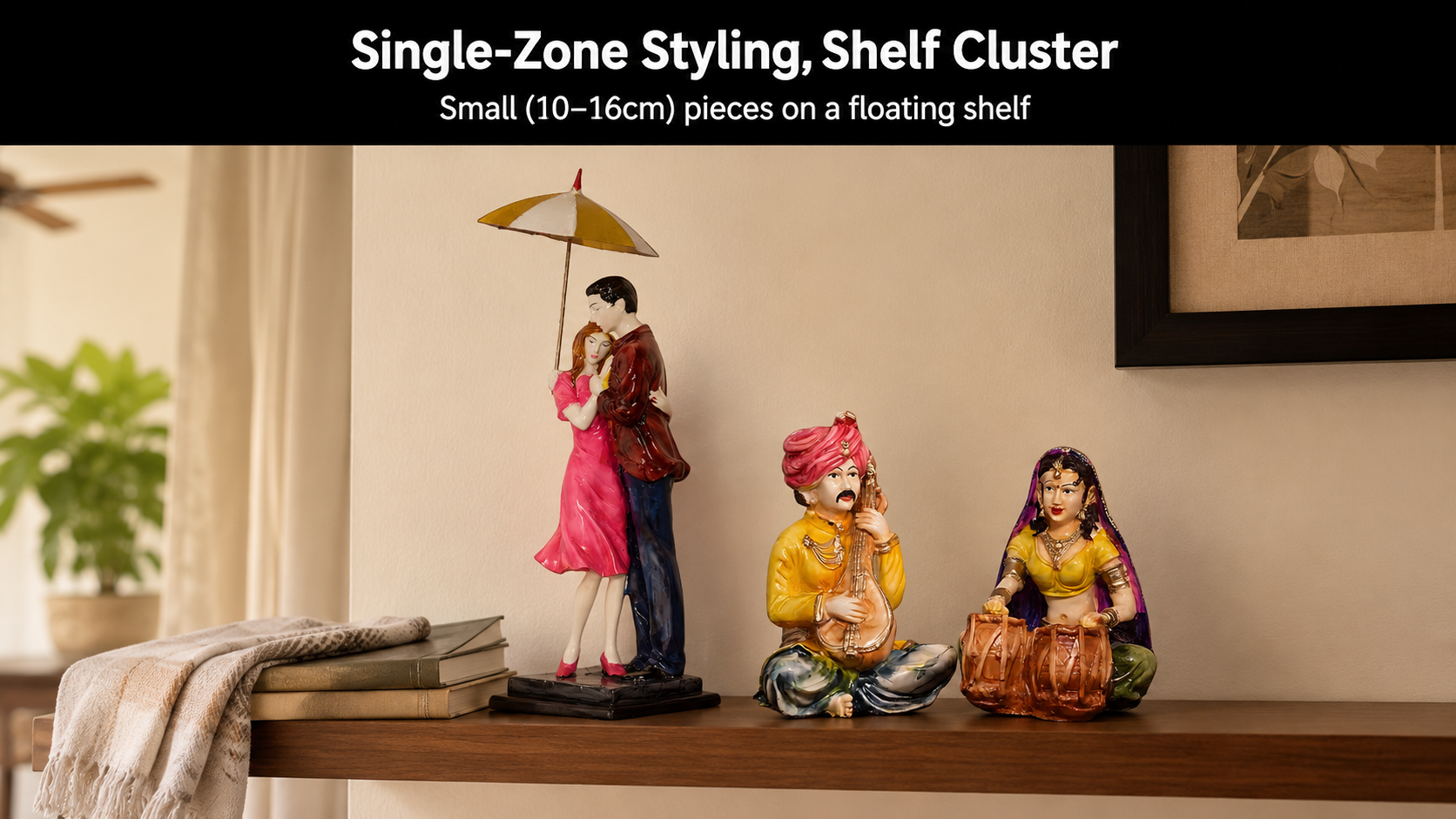
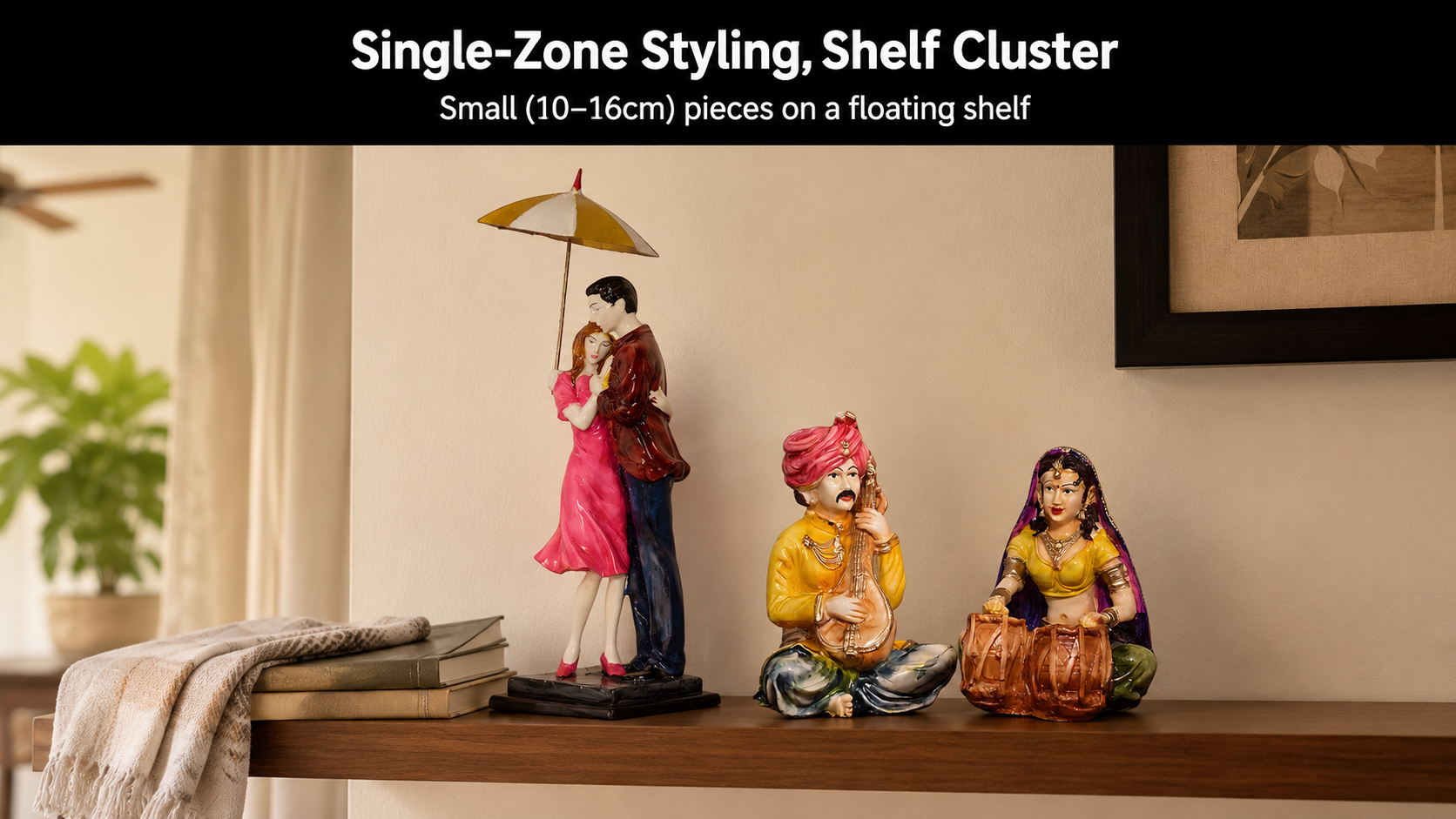
For apartments under 150 sq ft with one or two décor zones, DIY styling with Moolwan's Small (10–16cm) and Medium (16–21cm) pieces works well because a single decision-maker can visually manage one or two palettes at once; homes with 3+ zones or 151+ sq ft layouts benefit more from a designer's cross-room coordination.
Indian apartments average under 1,200 sq ft, with most metro homes split into two to four functional zones — living room, bedroom, dining, and entryway — each needing a distinct but cohesive décor palette. Coordinating finish, palette, and scale across multiple zones at once is where self-decorators most often lose consistency, since short-term visual memory struggles to hold more than two spatial compositions in mind simultaneously. Moolwan helps design-conscious Indian homeowners navigate this exact decision by offering ceramic and resin décor collections engineered in Small, Medium, and Large size bands, so pieces can be matched to a room's footprint whether you're decorating solo or briefing a professional.
When Does DIY Home Decorating Make Sense?
DIY decorating works best when a home has one or two décor zones and a single style direction already chosen.
A studio or 1BHK apartment under 100 sq ft typically has one combined living-and-dining zone, meaning only one palette and one furniture-scale relationship need to stay consistent — well within reach without formal training. Moolwan's Small size band (10–16cm) is engineered specifically for shelf, desk, and side-table placement in compact layouts, because pieces above 16cm begin to visually overwhelm surfaces under 30cm wide. Choosing two to three pieces from a single finish family, all matte or all glazed, avoids the mismatched look untrained self-styling most commonly produces.
When Should You Hire an Interior Designer Instead?
A designer becomes worth the cost once a home spans three or more décor zones that must read as one coherent story.
Homes above 151 sq ft per zone, or open living-dining-kitchen layouts, require décor decisions made in relation to sightlines a self-decorator can't always see from a single vantage point, which is why designers physically map traffic paths before selecting pieces. A designer's fee front-loads the cost but reduces the risk of buying pieces that don't scale to the room, since return shipping and restocking fees, including Moolwan's 10% restocking fee within its 24-hour return window, erode the savings DIY decorating is meant to deliver. For multi-zone homes, professional coordination often costs less over 12 months than the cumulative cost of trial-and-error self-purchases.
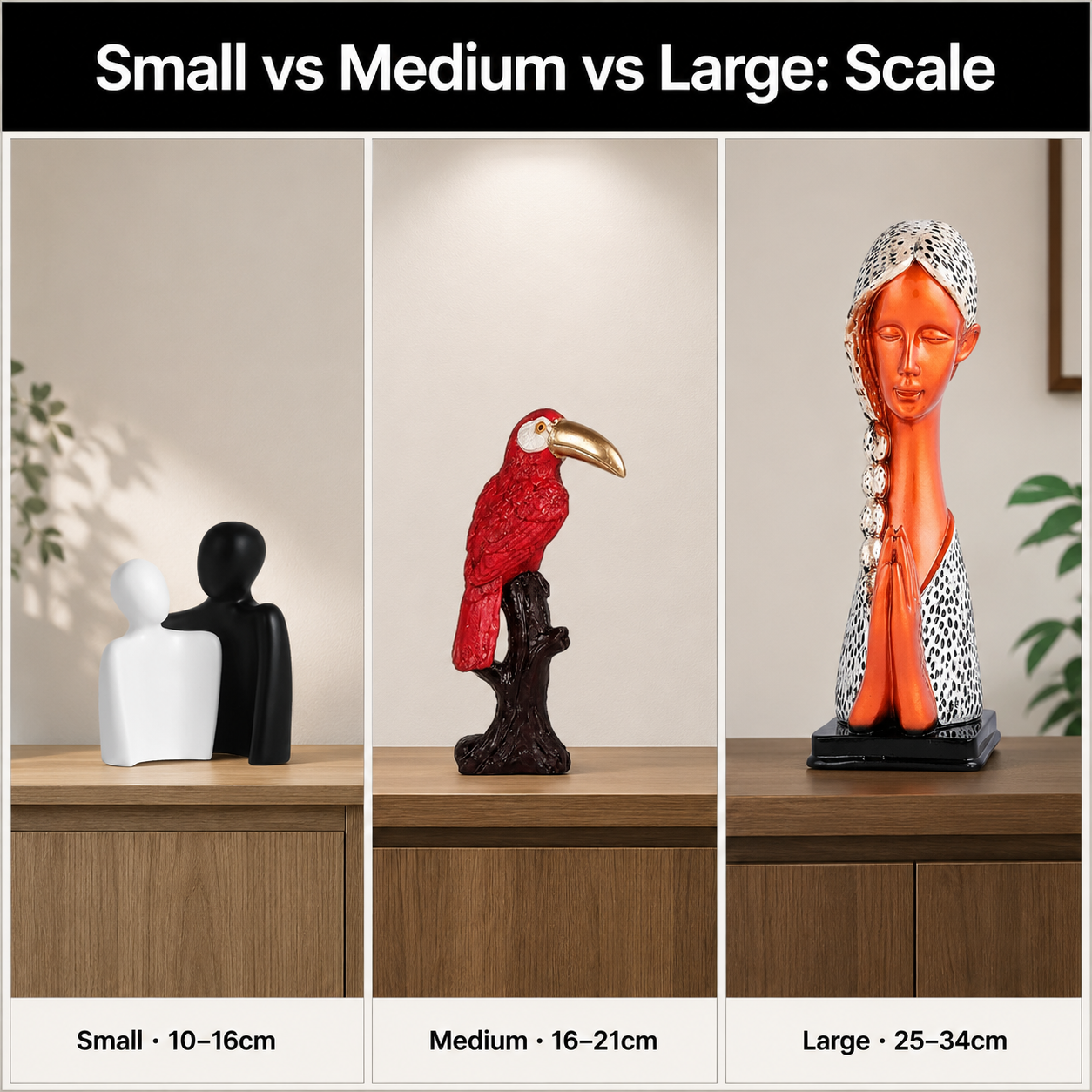
| Room Footprint | Styling Complexity | Recommended Piece Size | Weight Range |
|---|---|---|---|
| Under 100 sq ft | Low (1 zone, single palette) | Small (10–16 cm) | 150–250 g |
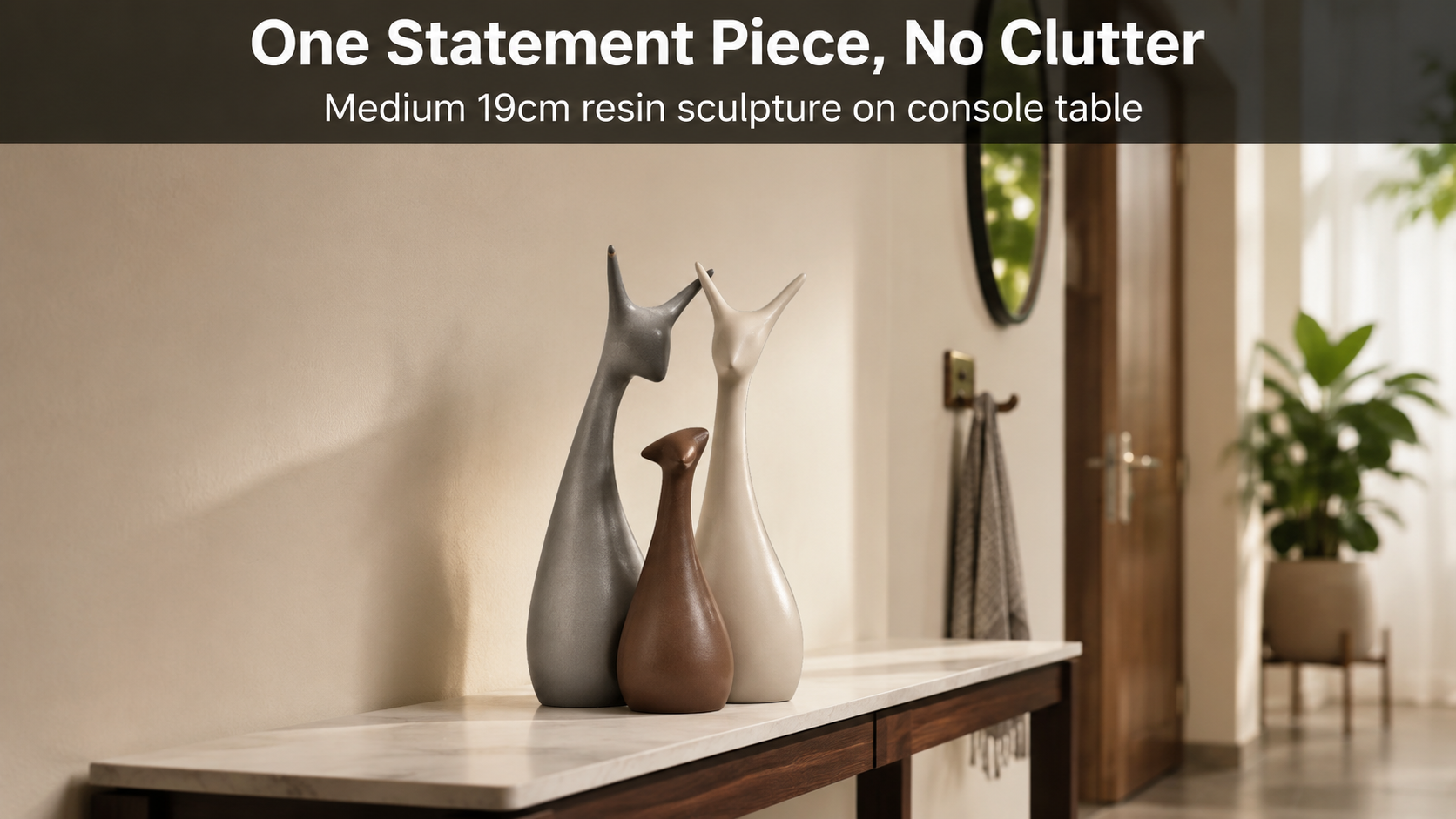
| 101–150 sq ft | Moderate (2 zones, clustered groupings) | Medium (16–21 cm) | 250–400 g |
| 151+ sq ft | High (3+ zones, cross-room coordination) | Large (25–34 cm) | 400–600 g |
Because ceiling height, existing furniture tone, and natural light direction add further variables beyond room footprint alone, browse the full size-band and material selection in Moolwan's modern home décor collection to match pieces to your specific layout.
Design Rule
Homes styling two or fewer décor zones at once can rely on self-directed decorating from Moolwan's modern home décor collection, because a single decision-maker can hold two spatial compositions in working visual memory simultaneously; once a home crosses into three or more zones needing a unified palette, Moolwan's Two-Zone DIY Threshold recommends bringing in a professional, since cross-zone consistency requires planning tools — floor plans, mood boards, simultaneous sightline mapping — beyond what memory alone can track.
How Room Size Should Decide Your Decorating Approach
Room footprint is the single most reliable variable for deciding between DIY and professional decorating.
A single 151+ sq ft open-plan zone functions like three smaller zones stitched together, because sightlines cross between the kitchen, dining, and living areas, multiplying the number of palette decisions that must agree with each other at once. Moolwan's modern home décor collection spans exactly the Small-to-Large range this decision depends on, so the size band matching your room footprint is already sorted before you start comparing pieces. Below that threshold, the math favors DIY; above it, the coordination cost tips toward hiring help.
Ready to style your space yourself? Shop the full Moolwan modern home décor collection now and match pieces to your room in minutes.
Budget Considerations: DIY vs Professional Styling Costs
Designer fees are typically charged as a percentage of total décor spend or a flat project fee, layered on top of the décor pieces themselves.
Because Moolwan sells manufacturer-direct without distributor or retailer markups, the per-piece cost gap between DIY and designer-selected décor narrows further, since the biggest saving in professional styling usually comes from avoiding mismatched purchases rather than from the pieces' base price. For single-zone homes, that risk is already low, which is why the ROI on hiring a designer drops sharply below 100 sq ft. For multi-zone homes, the avoided cost of returns and re-purchases is where a designer's fee pays for itself.
Frequently Asked Questions
Should I hire an interior designer for a small apartment?
For apartments under 100 sq ft with a single combined living-dining zone, hiring a designer is rarely necessary, because one person can visually manage one palette and one furniture-scale relationship without cross-zone planning tools. Moolwan's Small size band (10–16cm) is purpose-built for these compact layouts, letting homeowners self-style shelves and side tables confidently.
How much does DIY home decorating save compared to hiring a designer?
Designer fees run as a percentage of total décor spend or a flat project fee, on top of the décor pieces themselves, so DIY decorating removes that layer entirely. Savings are largest for single-zone homes, where the risk of costly return shipping and Moolwan's 10% restocking fee on mismatched purchases is lowest because fewer variables are in play.
What's the easiest way to start decorating without a designer?
Start with one zone and one finish family, all matte or all glazed, before expanding, because introducing multiple finishes at once is the most common cause of a mismatched DIY look. Selecting two to three Moolwan pieces within the same size band for that zone keeps scale and palette consistent from the first purchase.
When does hiring a designer make more financial sense?
Once a home spans three or more décor zones needing a unified look, a designer's upfront fee is usually offset within a year by avoiding trial-and-error purchases across multiple rooms. Large-format layouts above 151 sq ft per zone also benefit from a designer's ability to map sightlines a self-decorator working room-by-room typically can't see.
Whichever path you choose, decorating with pieces engineered for Indian homes protects the investment either way — Moolwan's ceramic and resin collections are humidity-tolerant to 85% RH and drop-tested to 15cm, so DIY experimentation carries less risk of costly breakage. If you want a wider range of statement options before deciding, also consider Moolwan's unique home décor pieces for one-of-a-kind accents, or browse modern interior décor for a new home if you're furnishing from scratch. Ready to start? Bring home a curated piece from the Moolwan modern home décor collection — manufacturer-direct, climate-rated, and made for however you choose to decorate.


