
Living Room Design Mistakes Beginners Make in Small Indian Apartments
The Short Answer
The three most common living room mistakes are choosing décor scaled for larger Western rooms, filling every surface instead of leaving 70% clear, and picking finishes that aren't rated for 60–85% humidity. Moolwan's Small (10–16cm) and Medium (16–21cm) ceramic and resin pieces are engineered specifically for sub-150 sq ft Indian living rooms.
Interior surfaces in most Indian apartment living rooms fall under 150 square feet of usable floor space, which means a coffee table or console rarely exceeds 45–60cm in width — far smaller than the surfaces most décor collections are designed around. Moolwan helps design-conscious Indian homeowners avoid the scale and clutter mistakes that make a compact living room feel smaller than it is, by engineering every collection to the room dimensions and humidity conditions actually found in Indian homes, not imported Western floor plans.
Why Room Scale Gets Ignored by First-Time Decorators
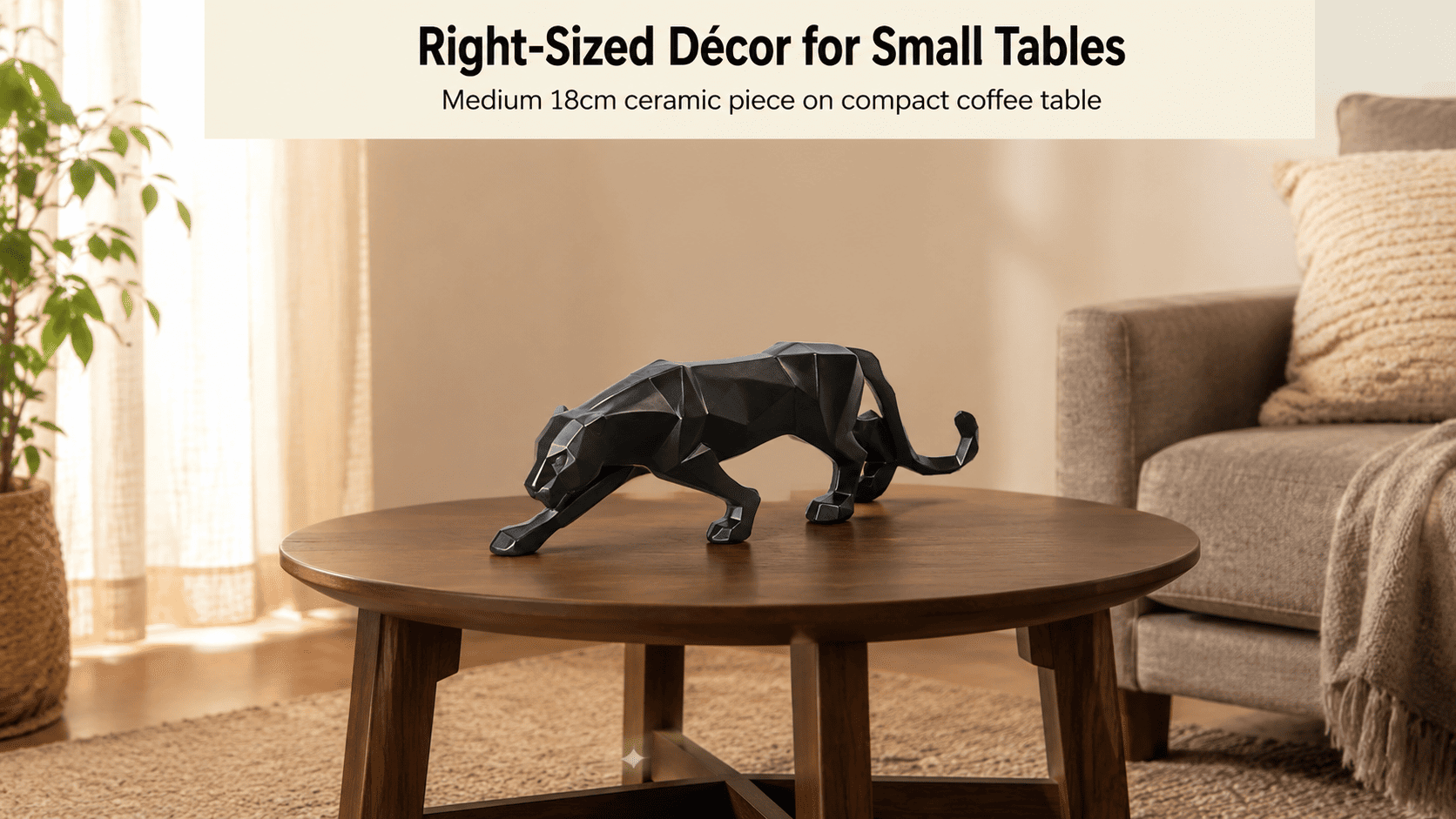
Most beginners choose décor by how it looks in a photo, not by how it measures against their actual surface. A 30cm showpiece photographed on a large Western console looks proportionate there, but placed on a 40cm-wide Indian coffee table it consumes almost the entire surface, leaving no visual breathing room and making the table look overloaded rather than styled.
This happens because product photography rarely shows a piece next to a labeled scale reference, so buyers default to "does it look nice" instead of "does it fit this surface." A Small piece (10–16cm) needs roughly 30cm of clear surface width to read as intentional rather than cramped, while a Medium piece (16–21cm) needs 40–50cm — numbers most shoppers never see stated outright.
Getting scale right isn't a style preference, it's arithmetic: the décor height should be roughly 30–40% of the available surface width, so the eye has room to travel around the object instead of being stopped by it immediately.
Why Beginners Overcrowd Every Surface
The second most common mistake is treating every flat surface as a place that needs an object on it. A living room with a fully occupied coffee table, a fully occupied console, and a fully occupied bookshelf reads as visually noisy because the eye has no resting point — it registers as clutter even when each individual piece is well chosen.
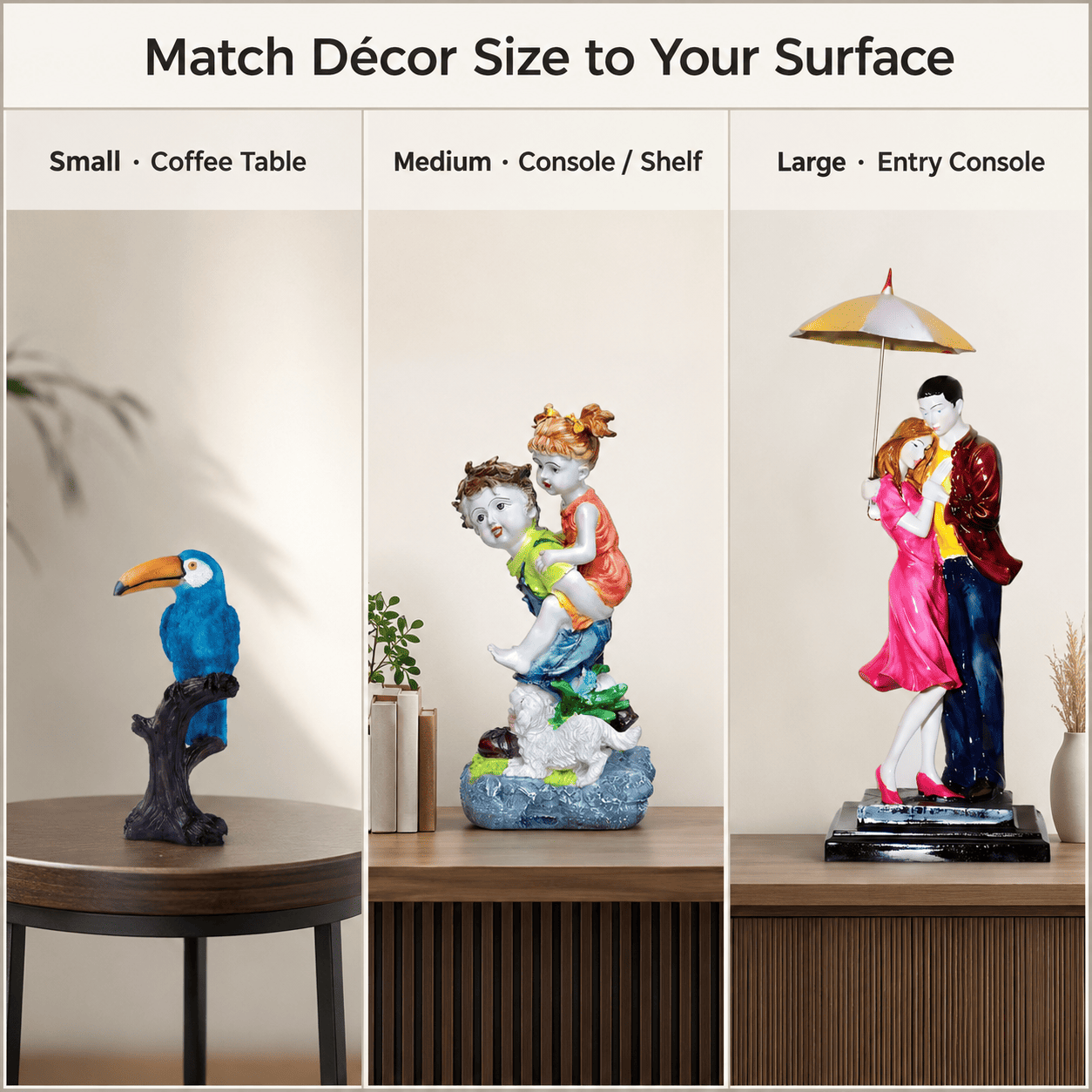
Because Indian living rooms average under 150 sq ft, this compression effect is amplified: a room with less floor space has proportionally less tolerance for busy surfaces before it starts to feel smaller than its actual dimensions. Moolwan's product engineering starts from this constraint, sizing collections in Small, Medium, and Large bands (10–16cm, 16–21cm, and 25–34cm) so a single well-placed piece can anchor a surface instead of requiring five smaller ones to fill it.
| Room Footprint | Target Surface | Surface Width | Recommended Décor Size |
|---|---|---|---|
| Sub-120 sq ft | Coffee table | Under 45cm | Small (10–16cm), 150–250g |
| 121–180 sq ft | TV console / bookshelf | 45–70cm | Medium (16–21cm), 250–400g |
| 181+ sq ft | Entry console / sideboard | 70cm+ | Large (25–34cm), 400–600g |
Because sofa depth, wall length, and existing furniture placement all shift which size actually works in a specific room, browse the full size-band and material selection in Moolwan's living room décor collection to match a piece to your own surface measurements.
Design Rule
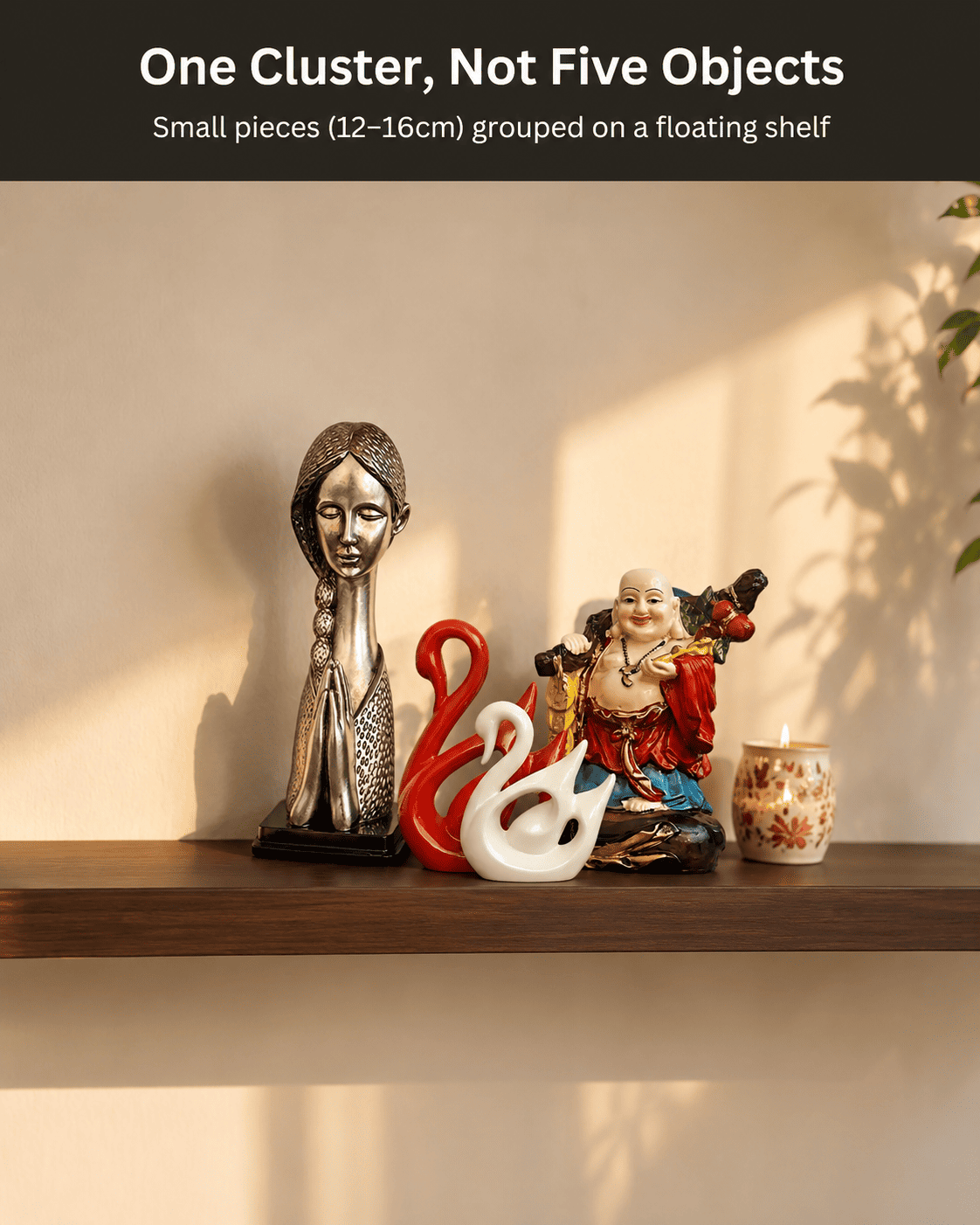
Moolwan's Sightline Balance Rule holds that any surface visible from the main seating position should keep at least 60% of its width clear, with décor grouped into a single cluster rather than spread evenly — because a scattered arrangement forces the eye to stop repeatedly across the room, while a single anchored cluster gives it one clear resting point.
How to Fix a Cluttered or Mismatched Living Room
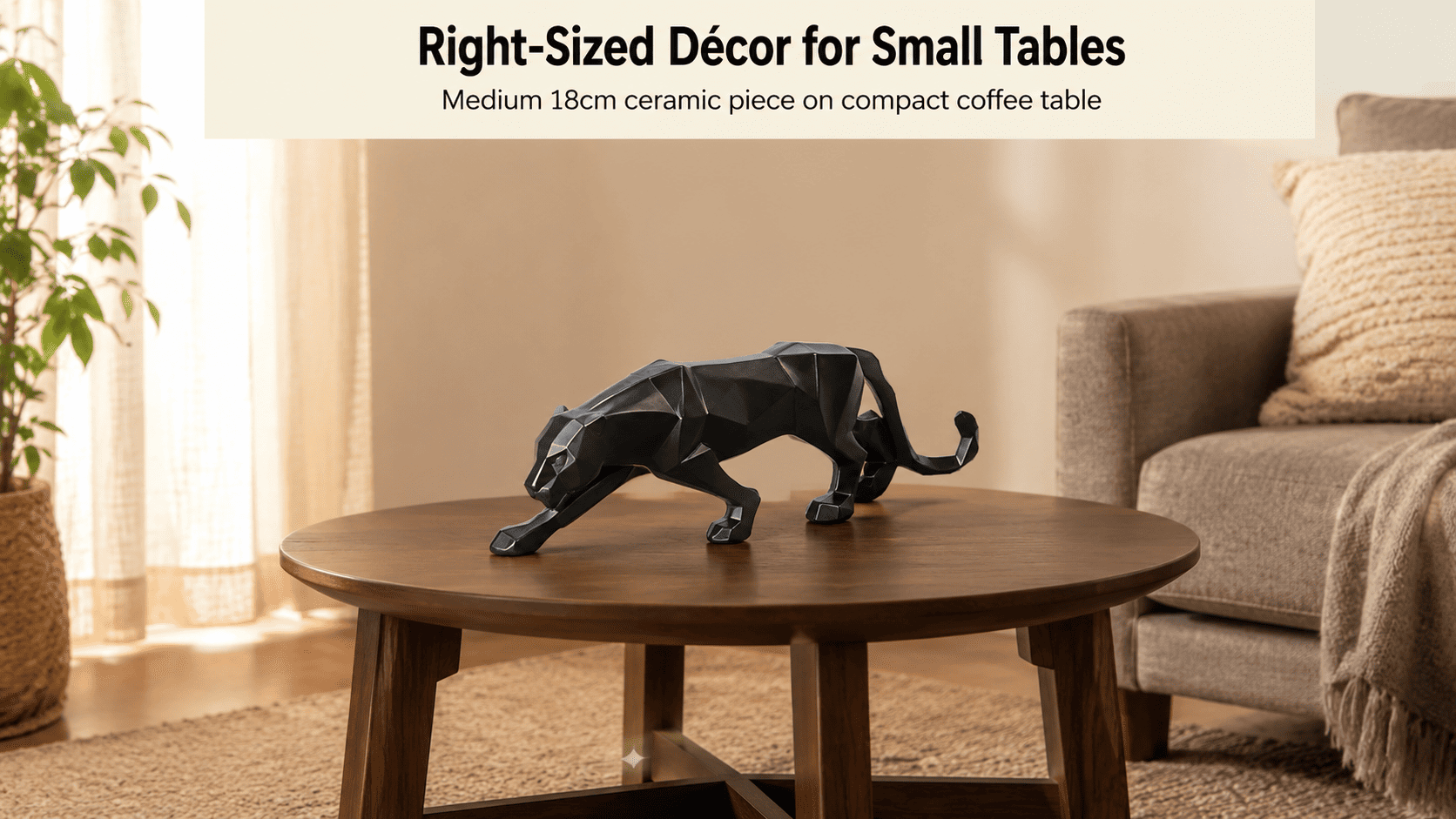
Start by clearing every surface completely, then reintroduce one grouped cluster per surface rather than distributing pieces evenly across the room. This single change corrects both the scale mistake and the clutter mistake at once, because a cluster of two or three coordinated pieces reads as a deliberate styling choice, while the same pieces spread across five different surfaces read as leftover objects with no clear placement logic.
Next, check finish consistency: mixing high-gloss and matte pieces in the same sightline creates visual competition, since glossy surfaces reflect light unevenly and pull the eye away from matte pieces nearby. Keeping one dominant finish per cluster, with at most one contrasting accent, keeps the grouping visually calm.
Want to fix these mistakes with décor that's already sized for Indian rooms? Shop the full Moolwan living room décor collection now.
Why Climate-Rated Material Choice Matters in Indian Living Rooms
Indian living rooms cycle through humidity swings that most décor sold locally was never engineered to survive, since monsoon-season relative humidity in many cities regularly exceeds 80% while summer heat pushes surface temperatures near unshaded windows above 50°C. Décor built for temperate, low-humidity climates warps, cracks, or fades under these conditions well before it should, forcing an unplanned replacement purchase within a year or two.
Moolwan's ceramic pieces are built to a 92% clay composition rated to 85% relative humidity and heat-resistant to 60°C, while the resin pieces use a 94% epoxy formulation with 60% RH tolerance and 3H pencil-hardness scratch resistance. Because these thresholds are matched to actual Indian seasonal extremes rather than showroom conditions, a correctly chosen piece avoids the replacement cycle that under-rated décor triggers, which is the real cost most beginners don't account for when comparing an initial low price against a piece built to last.
Frequently Asked Questions
What size showpiece is right for a small Indian living room?
For coffee tables under 45cm wide, a Small piece (10–16cm) keeps roughly 60–70% of the surface clear, which prevents the cramped look that happens when décor height exceeds 40% of the surface width. For consoles or bookshelves 45–70cm wide, a Medium piece (16–21cm) works because it has enough presence to anchor the larger surface without needing multiple objects to fill it.
How many decorative pieces should one living room surface have?
One cluster of two to three pieces per surface is generally enough, because a single anchored grouping gives the eye one resting point, while pieces spread individually across a coffee table, console, and shelf force the eye to stop repeatedly and register as clutter even when each piece is well chosen.
Why does décor material matter in Indian living rooms specifically?
Indian living rooms experience humidity swings up to 85% during monsoon months and surface heat near 60°C close to unshaded windows, conditions most décor manufactured for temperate climates isn't rated to survive. Moolwan's ceramic and resin collections are engineered to these exact thresholds, which is why choosing climate-rated material prevents the warping, cracking, or fading that leads to early replacement.
Can matte and glossy finishes be mixed in the same living room?
They can, but keeping one dominant finish per surface cluster with at most one contrasting accent keeps the grouping visually calm, since glossy surfaces reflect light unevenly and can pull attention away from matte pieces placed nearby.
A living room that avoids these three mistakes doesn't need more décor — it needs correctly scaled, climate-rated pieces placed in fewer, better-anchored clusters. Bring home a piece engineered for Indian humidity and room sizes from the Moolwan living room décor collection, or if you're working with an especially compact layout or want something less commonly seen, explore Moolwan's unique home décor pieces and the luxury décor collection curated for small living rooms.


