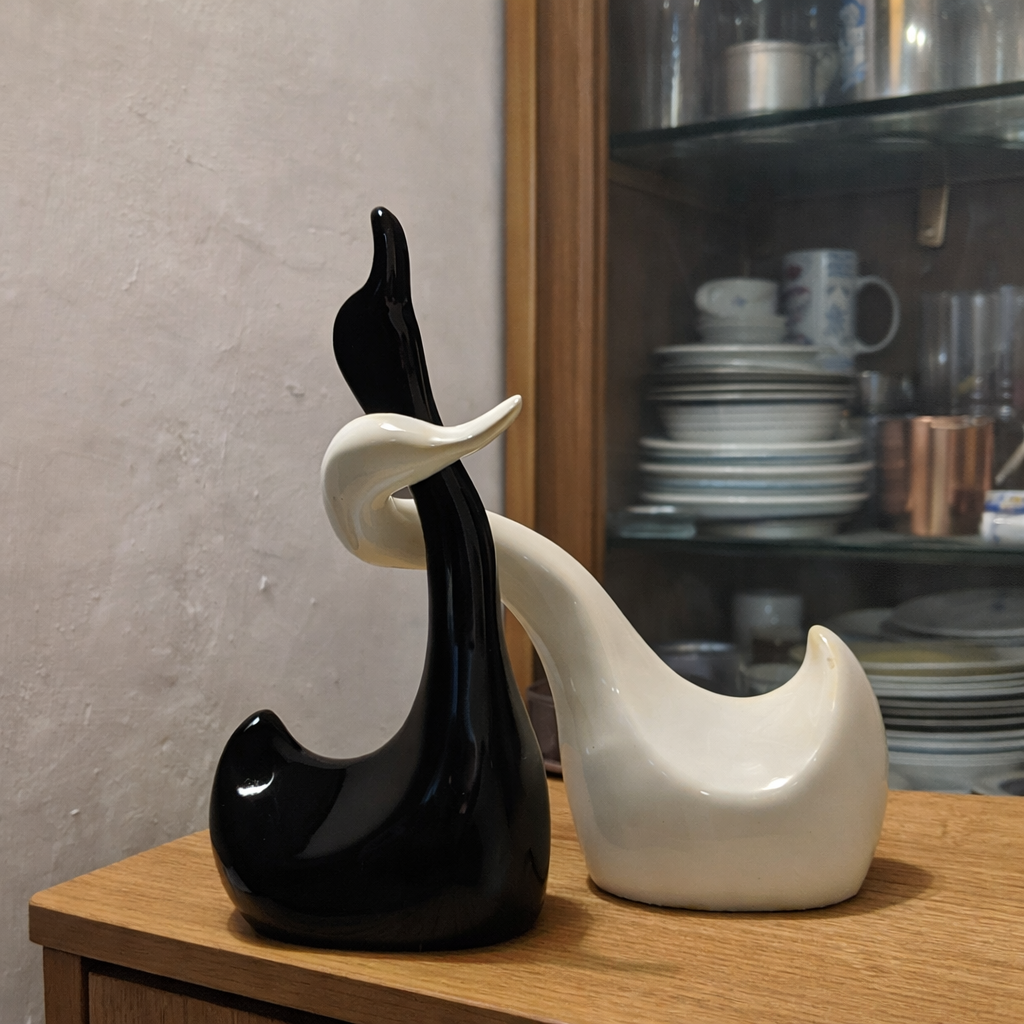
Vintage-style Indian homes are defined by five recurring elements: aged or distressed finishes, warm brass and copper accents, curated antique showpieces, muted earthy color palettes, and heirloom-inspired textures like carved wood and hand-painted ceramic. Moolwan builds these signals into modern showpieces engineered for Indian climate conditions, so the look lasts.
We help Indian homeowners bring vintage character into modern apartments without hunting flea markets or compromising on durability. A true vintage home doesn't just look old — every object carries a deliberate patina, a story, and a texture that mass-produced decor cannot replicate.
Vintage decor is a system, not a single object. Get one element wrong — say, a glossy modern showpiece next to distressed furniture — and the whole room reads as mismatched rather than curated. Here is what actually defines the style in an Indian living room context.
Genuine vintage pieces show wear — matte, slightly uneven surfaces rather than factory-polished gloss. Moolwan's antique-finish showpieces replicate this through a matte glaze process, giving new pieces the visual weight of something inherited rather than bought last week.
Vintage Indian interiors lean on warm metal tones instead of cold chrome or steel. Brass diyas, bronze figurines, and copper-toned frames anchor a room in a way silver and stainless finishes cannot. You can browse Moolwan's antique showpiece collection for pieces engineered specifically around these warm tones.
Vintage homes display fewer objects, chosen deliberately — a carved elephant, a hand-painted vase, a framed miniature. Overcrowding a shelf with mismatched pieces breaks the vintage effect immediately. Three to five well-placed objects per shelf reads as curated; ten reads as clutter.
Terracotta, ochre, deep maroon, forest green, and aged ivory dominate vintage color schemes — never neon or high-saturation tones. These shades also happen to photograph and age well under Indian sunlight, which is why they remain the most requested palette in Moolwan's modern home decor collection.
Carved wood, hand-painted ceramic, and woven textiles introduce tactile depth that smooth plastic or glass surfaces cannot. This is also where climate durability matters most — ceramic vintage-style pieces need humidity tolerance, since Indian coastal and monsoon climates cause cheaper ceramics to crack or discolor within a year.
Buyers often ask whether vintage and modern styles can coexist. They can — but only when you understand where they diverge. Use this table as a quick reference when styling a mixed-style room.
| Element | Vintage Style | Modern Style |
|---|---|---|
| Finish | Matte, distressed, aged | Glossy, polished, smooth |
| Color Palette | Terracotta, ochre, maroon, ivory | Monochrome, pastel, bold contrast |
| Metal Tone | Brass, copper, bronze | Chrome, steel, matte black |
| Showpiece Density | Low — 3–5 curated pieces per shelf | Minimal — 1–2 statement pieces |
| Material | Carved wood, hand-painted ceramic | Resin, glass, metal composites |
Furnish your living room with vintage-inspired showpieces built for Indian homes.
Shop Modern Showpieces for Living Room — Starting ₹150A vintage look only lasts if the underlying material survives Indian conditions. Moolwan's ceramic showpieces are built from 92% clay composition with heat resistance up to 60°C and humidity tolerance up to 85% RH — specifications that matter directly for vintage-style pieces, which are often displayed near windows, kitchens, or balconies where temperature and moisture swings are common. Resin vintage pieces use 94% purity epoxy with 3H pencil hardness scratch resistance, holding their aged-look glaze without flaking under daily handling.
Size also shapes how "vintage" a piece reads in a room. Small pieces (10–16cm, 150–250g) suit shelf or console styling in clusters; medium pieces (16–21cm, 250–400g) work as standalone coffee-table statements; large pieces (25–34cm, 400–600g) anchor an entire wall or console as the room's focal point.
The most common mistake in vintage styling is over-layering — too many textures competing for attention. The rule that works reliably in Indian apartment layouts: pick one dominant material per zone (wood console, ceramic shelf, brass entryway), and let color palette — not object count — carry the vintage feel across the room. This keeps a small Indian living room from feeling cramped while still reading as intentionally vintage.
Explore vintage-ready decor pieces sized and finished for Indian apartments.
Shop Moolwan's Modern Home Decor CollectionYes. Vintage style depends on curation, not space. Three to five well-chosen small showpieces (10–16cm) on a single shelf create the effect in even a compact living room without crowding it.
Moolwan's vintage-finish ceramic pieces are rated for humidity tolerance up to 85% RH and heat resistance to 60°C, making them suitable for coastal cities and monsoon-heavy regions where lower-grade ceramic tends to crack or discolor.
Avoid neon brights, cool silvers, and high-gloss white — they break the aged, warm aesthetic. Stick to terracotta, ochre, maroon, and aged ivory for consistency.
More than five to six pieces per shelf typically reads as cluttered rather than curated. Fewer, deliberately chosen pieces communicate the vintage aesthetic more effectively than a densely packed display.
Yes, if you keep one element consistent — usually color palette or metal tone — across both styles. Full mixing without a common thread tends to look accidental rather than intentional.
Written and reviewed by Ruchi Malhotra, Founder & CEO, Moolwan (Euphorica Ventures Pvt Ltd), Bangalore. Moolwan is a manufacturer-direct Indian home decor brand specializing in modern showpieces, canvas wall art, and curated gifts — engineered for Indian climate and space, priced without middlemen.
Quick View



