
What Is the 60-30-10 Rule for Bedrooms?
The 60-30-10 rule splits a bedroom's color scheme into three proportions: 60% dominant color (walls and large furniture), 30% secondary color (bedding, curtains, an accent wall), and 10% accent color (art, cushions, showpieces). The formula keeps a room visually balanced instead of chaotic, and it gives you one deliberate spot — the 10% — to make a bold design statement.
We help Indian homeowners bring showroom-level balance into real bedrooms without hiring a designer or repainting every wall. The 60-30-10 rule is the fastest way to do it, because it removes guesswork from color decisions and gives every element in the room a defined job.
Where the 60%, 30%, and 10% Go in a Bedroom
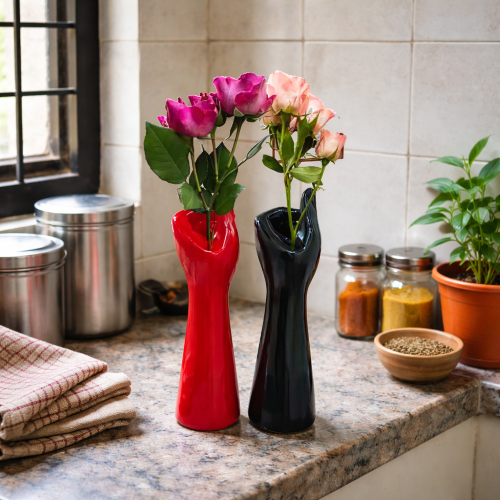
In a bedroom, the 60% dominant color is almost always your wall paint, ceiling, and large furniture like the bed frame and wardrobe — the surfaces your eye lands on first when you walk in. The 30% secondary color covers bedding, curtains, a rug, or one accent wall, and it should contrast gently with the dominant tone without competing with it. The remaining 10% is reserved for accents: a piece of wall art, a pair of cushions, a ceramic showpiece on the nightstand, or a lamp. This 10% is where most Indian bedrooms either succeed or fall flat, because it's the only layer meant to be noticed on purpose.
| Proportion | Bedroom Elements | Design Role |
|---|---|---|
| 60% — Dominant | Wall paint, ceiling, wardrobe, bed frame | Sets the room's overall mood and temperature (warm/cool) |
| 30% — Secondary | Bedding, curtains, rug, one accent wall | Adds contrast and texture without overwhelming the base |
| 10% — Accent | Wall art, showpieces, cushions, lighting | Delivers personality; the only zone meant to stand out |
Applying the Rule to Indian Bedrooms
Indian bedrooms carry a specific tension: the desire for a modern, uncluttered look alongside a pull toward warmer, more traditional tones and textures. The 60-30-10 rule resolves this well, because it lets you keep the 60% dominant layer neutral — off-white, warm beige, or soft grey, which also reflects heat better in most Indian climates — while using the 30% secondary layer for a richer, more traditional color like terracotta, deep teal, or mustard in your bedding or curtains. The 10% accent is where you can go fully expressive: a hand-finished ceramic showpiece, a botanical canvas print, or a brass-toned decor piece that nods to Indian craft traditions without turning the whole room into a theme.
This is also where fabric and material choices matter. A cotton or linen-blend curtain in the 30% zone breathes better in humid Indian conditions than heavier synthetic drapes. For the 10% accent layer, durability matters as much as looks — a bedroom accent piece gets touched, dusted, and repositioned often, so it needs to hold up. You can browse Moolwan's modern home decor items sized specifically for Indian bedrooms and shelves, where sizing and finish are built for daily handling, not just a photoshoot.
Ready to fill your bedroom's 10% accent zone the right way?
Shop Showpieces Starting ₹150Choosing the Right 10% Accent Piece
Not every decor piece is fit for the 10% role — the point of this zone is contrast and intention, so oversized or overly busy pieces will fight your 60% and 30% layers instead of completing them. A single striking piece works better than three small scattered ones. Moolwan's ceramic showpieces are built with a 92% clay composition and are humidity-tolerant up to 85% RH, which matters directly for bedroom shelves and windowsills exposed to Indian monsoon humidity — a piece that absorbs moisture or warps within a season isn't actually a good 10% investment, however good it looks in the store. If you're leaning toward wall art instead of a tabletop showpiece, Moolwan's canvas prints use 340 GSM cotton canvas with eco-solvent, UV-resistant inks and 1.5-inch kiln-dried pine frames, so colors don't fade under a west-facing window — a common bedroom problem in Indian homes.
Size discipline matters too. For a nightstand or a shelf above the headboard, a Small piece (10–16 cm, 150–250g) reads as intentional; anything larger starts to compete with your pillows and lamp. For a dresser-top or a windowsill run, a Medium piece (16–21 cm, 250–400g) gives enough presence without crowding the space. You can explore the full range and shop showpieces for home decor filtered by size and finish to match your bedroom's exact accent slot.
Common Mistakes People Make With This Rule
- Splitting 60-30-10 evenly across the room instead of by object type — the rule is about surface area, not room zones. Your wall color and your rug shouldn't be competing for the same 30%.
- Choosing the 10% accent first — pick the dominant wall color before you buy showpieces or art, or you'll end up repainting to match a decor piece instead of the other way around.
- Using more than one accent color in the 10% zone — one accent color, expressed across two or three pieces (a showpiece and a cushion set, for example), reads intentional; four different accent colors read cluttered.
- Ignoring material durability in the accent layer — a 10% piece gets the most attention, so it also takes the most wear. Drop-resistance and humidity tolerance matter more here than in any other zone of the room.
What Moolwan Stands For
Moolwan is a manufacturer-direct home decor brand built for Indian homes specifically — not adapted from imported catalogs. Every canvas, ceramic, and resin piece is engineered against Indian climate conditions (heat, humidity, monsoon swings) and priced without middlemen markup. The brand sells canvas wall art, modern showpieces, and curated gifts, all sized and finished for real Indian shelves, walls, and budgets, so your 10% accent choice is one you won't have to replace next season.
Find the accent piece that completes your bedroom's color story.
Explore Modern Home Decor ItemsFrequently Asked Questions
Does the 60-30-10 rule work for small Indian bedrooms?
Yes — it works especially well in small bedrooms because it prevents color clutter. Keep the 60% dominant color light and neutral to make the room feel larger, and limit the 10% accent to one or two pieces rather than several small ones.
Can I use the 60-30-10 rule with an accent wall?
Yes. An accent wall typically falls under the 30% secondary color, not the 10% accent zone. Pair it with a neutral 60% base on the remaining walls, and keep the 10% for smaller decor pieces like art or showpieces.
What colors work best for the 10% accent in a bedroom?
Warmer, richer tones — terracotta, deep green, mustard, or brass — tend to work well as the 10% accent because they contrast naturally with the neutral 60% base common in Indian bedrooms. The key is picking one accent color family and repeating it across your chosen pieces.
Should furniture count toward the 60% or the 30%?
Large furniture — bed frame, wardrobe, dresser — counts toward the 60% dominant layer because of its size and visual weight. Smaller furniture pieces, like a bench or a chair, can sit in the 30% layer if their color is meant to contrast with the room.
How many accent pieces should be in the 10% zone?
Two to three coordinated pieces is the practical limit — for example, one showpiece and one wall art piece in the same accent color. Beyond that, the zone stops reading as an accent and starts reading as clutter.
Balance your bedroom the right way — shop the accent pieces built for Indian homes.
Shop Showpieces Now


