
What Kind of Wall Art Should I Put in a Dining Room?
The best wall art for an Indian dining room is large-format canvas art or a curated triptych placed above a console, buffet, or feature wall — sized to 60–75% of the wall's width, in humidity-resistant materials that hold up to kitchen heat and cooking vapour without fading, warping, or cracking.
Pick one large statement canvas or a 3-piece set, not a scatter of small frames — dining rooms read best with one confident visual. Go for moisture-resistant, UV-stable canvas or a heat-tolerant ceramic showpiece pairing, since this room sits closer to the kitchen than any other in your home. Botanical, abstract line-art, and warm still-life themes suit most Indian dining tables, especially in golds, rusts, and deep greens that flatter both wood and marble tabletops.
The Shortlist: Best Wall Art Types for Indian Dining Rooms
We help design-conscious Indian homeowners choose dining room decor that survives kitchen humidity, festival cooking smoke, and daily wiping down — without ever looking like an afterthought above the table. Four formats consistently work for Indian dining spaces, each suited to a different wall, budget, and maintenance appetite.
A single large canvas anchors a plain wall behind the dining table or buffet and reads as intentional from across an open-plan living-dining space. A triptych — three matching panels — suits wider walls above a 6-seater or 8-seater table and adds rhythm without competing with the chandelier or pendant lights above. A gallery cluster of 4–6 smaller framed pieces works only on accent walls away from direct cooking splatter, since more frames mean more surfaces to clean. A single oversized ceramic or resin showpiece on a console beneath the art gives the wall depth without adding another hanging element.
If your dining wall is 6–8 feet wide, browse Moolwan's canvas wall art collection, framed in five sizes engineered specifically for walls this width, so you're not stretching a small print or cropping a large one to fit.
Why Dining Rooms Need Climate-Smart Wall Art
Dining rooms in Indian homes sit closer to steam, oil vapour, and temperature swings than any other room you'd hang art in — which is precisely why generic imported prints and untreated wood frames fail here first, bubbling, yellowing, or warping within a season.
Every Moolwan canvas print uses 340 GSM cotton canvas with eco-solvent, UV-resistant inks, stretched over 1.5-inch kiln-dried pine frames and finished with a moisture-resistant coating — built to resist the humidity and heat swings typical of Indian dining and kitchen-adjacent walls.
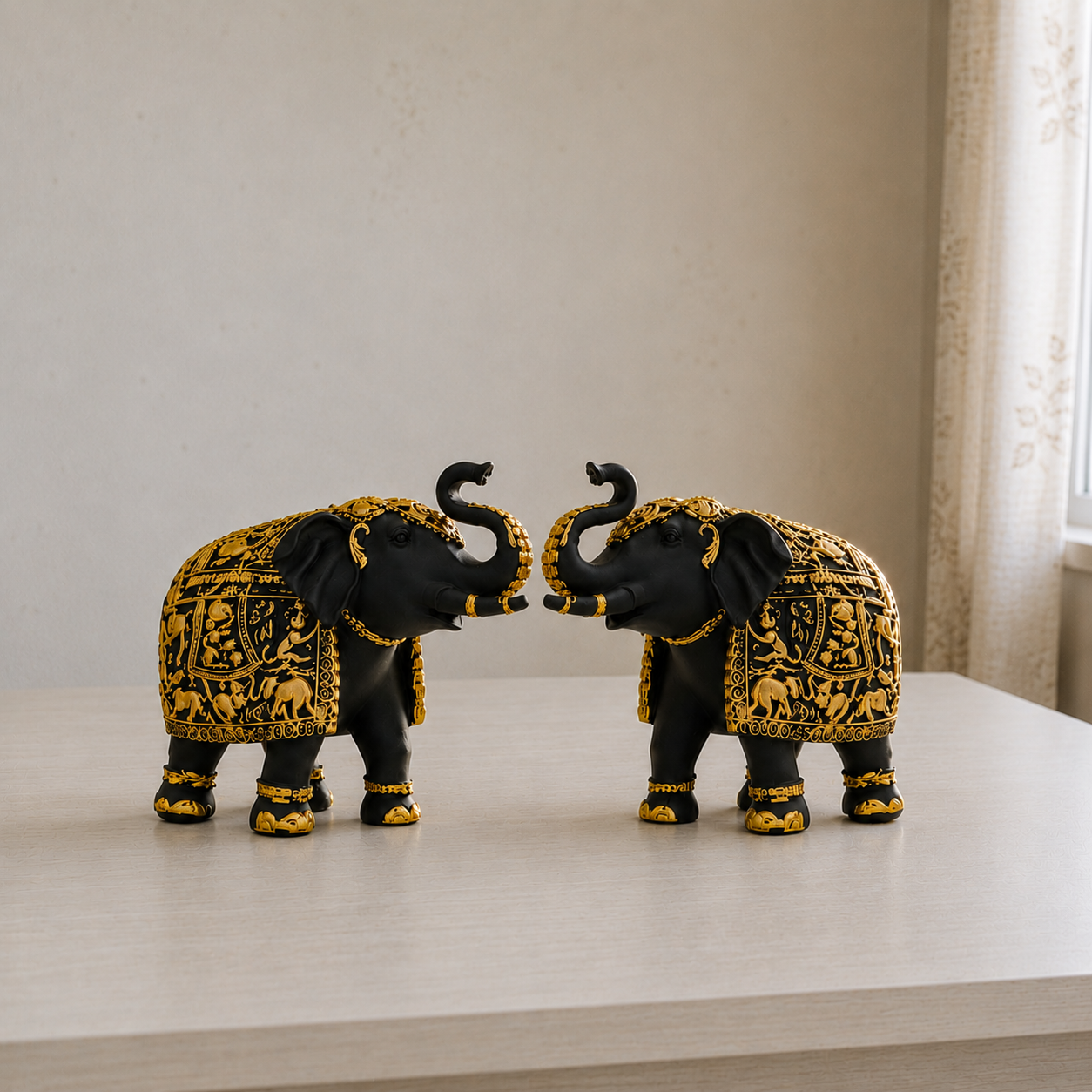
Ceramic showpieces placed on a console beneath or beside dining wall art are engineered from a 92% clay composition, heat-resistant to 60°C, humidity-tolerant up to 85% relative humidity, and rated for a 15cm drop without cracking — relevant in dining rooms where a placemat or chair gets bumped often. Resin pieces, if you prefer a lighter object, use 94% purity epoxy resin, hold a 3H pencil-hardness scratch resistance, and are rated for indoor use between 15–35°C and up to 60% humidity, with a 3+ year indoor lifespan under normal dining-room conditions.
Most décor sold in India is mass-produced overseas and never tested against Indian humidity or heat at all — it's simply imported and re-labelled. Moolwan manufactures in-house and prices direct, engineering every canvas, ceramic, and resin piece specifically for Indian climate and space, which is what a dining wall genuinely needs to still look new in year three.
Sizing Dining Room Wall Art Correctly
Undersized art is the single most common dining-room mistake — a 12-inch frame on an 8-foot wall reads as an afterthought no matter how good the piece is. Use the wall, not the table, as your sizing reference.
- Measure the clear wall width above the console, buffet, or table — not the full room width.
- Aim for 60–75% coverage. A single canvas or triptych should span roughly two-thirds of that measurement.
- Match height to eye line. Hang the centre of the artwork 6–8 inches above where the top of dining chairs sit, so it reads correctly whether guests are seated or standing.
- Layer with a showpiece, sized Small (10–16cm) for a narrow console or Medium (16–21cm) for a full-length buffet, so the vignette doesn't feel like one flat object against the wall.
Moolwan's canvas wall art ships framed in five sizes built for 6-to-12-foot walls specifically, at 150g–600g per piece, light enough for standard Indian wall anchors and drywall without needing reinforced mounts. For a full sizing walkthrough with your exact wall dimensions, explore Moolwan's canvas sizing guide before you order — Shop Canvas Sizes
Placement: Above the Table, the Buffet, or a Feature Wall
Above the dining table
Reserve this spot for art that reads well from a seated angle — bold abstracts, warm botanicals, or a single strong colour block. Avoid delicate line art here; it disappears once the table is set and chairs are pulled in.
Above a buffet or console
This is the safest and most flexible placement, since it's viewed standing and from across the room. It's also where a triptych or gallery cluster works best, paired with a showpiece or two from Moolwan's showpiece collection for a layered, styled console rather than a bare frame.
A dedicated feature wall
If your dining area opens into the living room, treat the dining wall as its own feature moment — a large canvas or a symmetrical pair, with matte or glazed ceramic accents on a shelf beneath, so the eye has one clear focal point instead of competing surfaces.
For homeowners furnishing the whole zone at once, rather than the wall in isolation, Moolwan's modern home decor collection is sized and finished specifically for Indian living and dining layouts, so pieces bought separately still sit together as one considered look.
Themes That Work With Indian Dining Tables
Dining rooms sit at the intersection of daily use and festive hosting, so the art needs to work under both everyday tube light and warm evening lighting. Three theme directions consistently perform well across Indian homes, balancing modern restraint with cultural warmth.
- Botanical and still-life: mango leaves, banana fronds, fruit bowls, and floral studies — warm, familiar, and food-adjacent without being literal.
- Abstract line and colour-block art: works in golds, rust, deep teal, and ochre that complement both wood dining sets and marble-top tables.
- Cultural motifs, reinterpreted: Madhubani-inspired linework, temple silhouettes, or block-print patterns rendered in a modern palette — a considered nod to tradition rather than a literal reproduction.
Finish matters as much as theme. Matte finishes suit rooms with strong overhead or pendant lighting, since they don't throw glare back at seated guests; glazed finishes on ceramic showpieces catch evening light well and photograph better for festive table settings. Both finishes are easy to maintain with a dry or lightly damp cloth — no special cleaning products needed.
Dining Room Wall Art: Quick Answers
How high should I hang wall art above a dining table?
Can I use the same wall art in an open living-dining layout?
Will canvas wall art get damaged by cooking smoke or humidity?
What size wall art suits a 6-seater dining table?
What is Moolwan's return policy if the wall art doesn't suit my space?
Furnish the Wall Once, Furnish It Right
Moolwan manufactures canvas wall art and showpieces in-house, engineered for Indian climate, priced direct with no middlemen markup.


